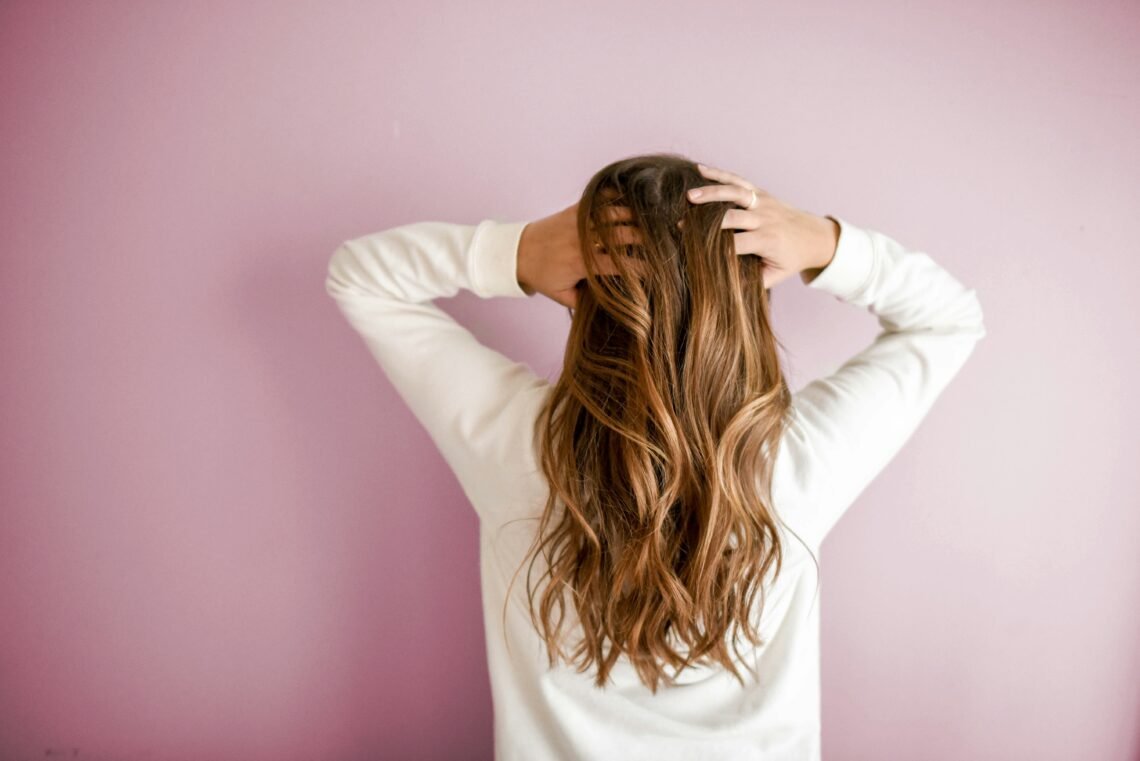
Our hair goes through a lot every day. Sun exposure, heat styling, coloring, frequent washing, tight hairstyles, dry air, and even the way we brush it can contribute to dryness, breakage, frizz, and split ends.
There’s no magical shortcut to perfect hair, but maintaining healthy hair doesn’t have to be complicated either. A few simple changes to your daily routine can help minimize damage and keep your hair looking and feeling its best.
It’s also important to remember that healthy hair starts with a healthy scalp and adequate nutrition. And if you’re experiencing unusual or persistent hair loss, it’s worth finding out the underlying cause rather than simply buying another hair product. Dermatologists note that hair loss can have many causes, including medical conditions, nutritional deficiencies, stress, hormonal changes, and damaging hair-care practices.
Here are 14 habits that can help you maintain healthier hair throughout the year.
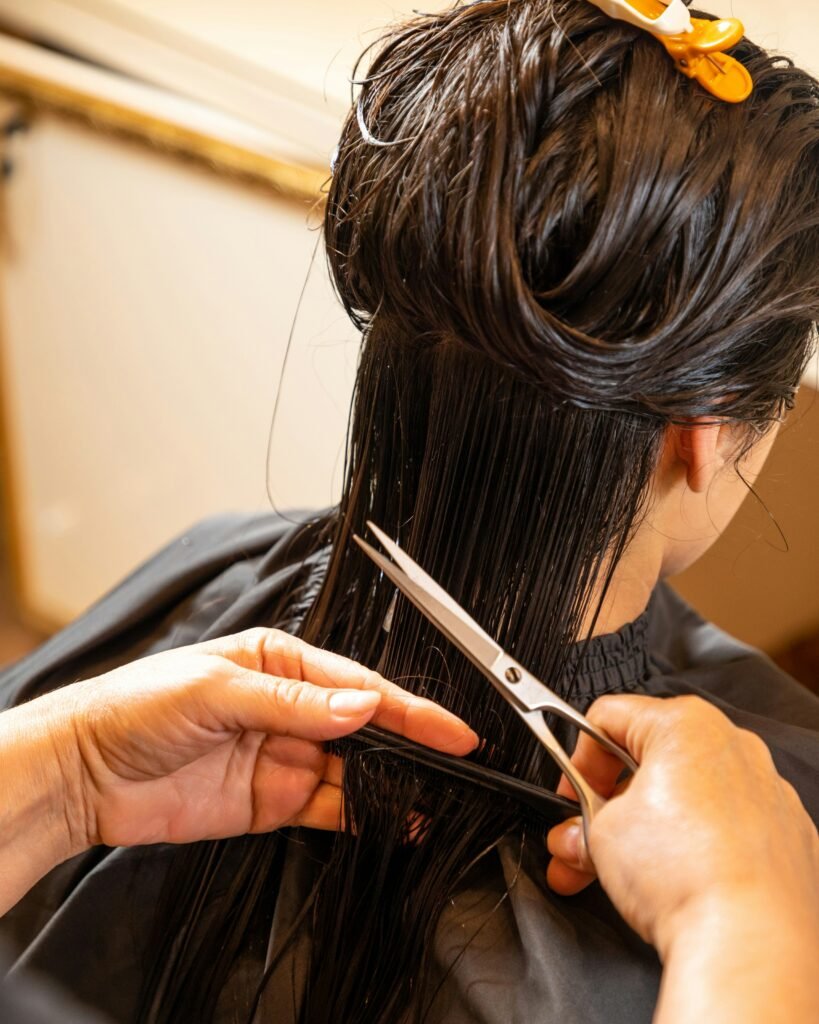
1. Trim Your Hair Regularly
Regular trims don’t actually make hair grow faster from the roots, but they can help remove split and damaged ends before the damage travels farther up the hair shaft.
This can make your hair look healthier and help reduce breakage.
How often you need a trim depends on your hairstyle, hair type, and how quickly your ends become damaged. Instead of following a strict schedule, pay attention to your hair and trim it when you notice split ends or excessive breakage.
If you don’t want to lose much length, ask your stylist for a “dusting,” which removes only the damaged ends.
2. Maintain a Healthy Diet
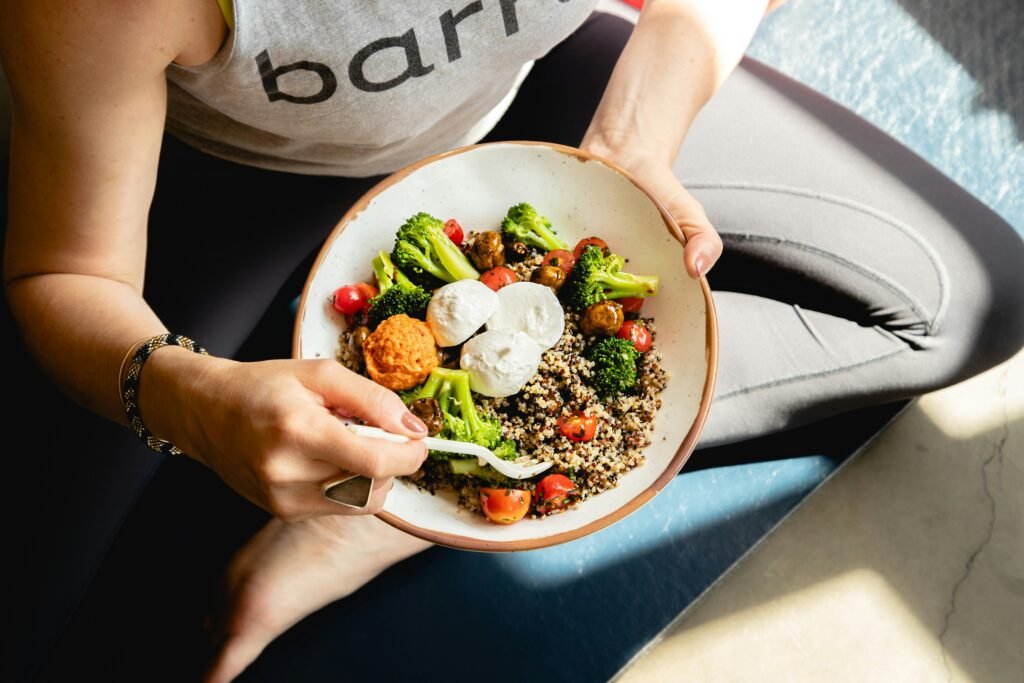
Your hair needs adequate nutrients to grow and remain healthy. Hair is largely made of a protein called keratin, so getting enough protein in your diet is important.
Iron is also important, and deficiencies in certain nutrients can contribute to hair loss. However, taking supplements without knowing whether you’re deficient isn’t necessarily helpful—and in some cases, too much of certain nutrients can actually worsen hair loss.
Good food choices include:
- Fish
- Lean meat
- Eggs
- Beans and legumes
- Spinach and other leafy greens
- Nuts and seeds
- Avocados
- Fruits and vegetables
- Whole grains
Don’t forget to drink enough fluids, too. Good nutrition and adequate hydration support your overall health, including your skin, scalp, and hair.
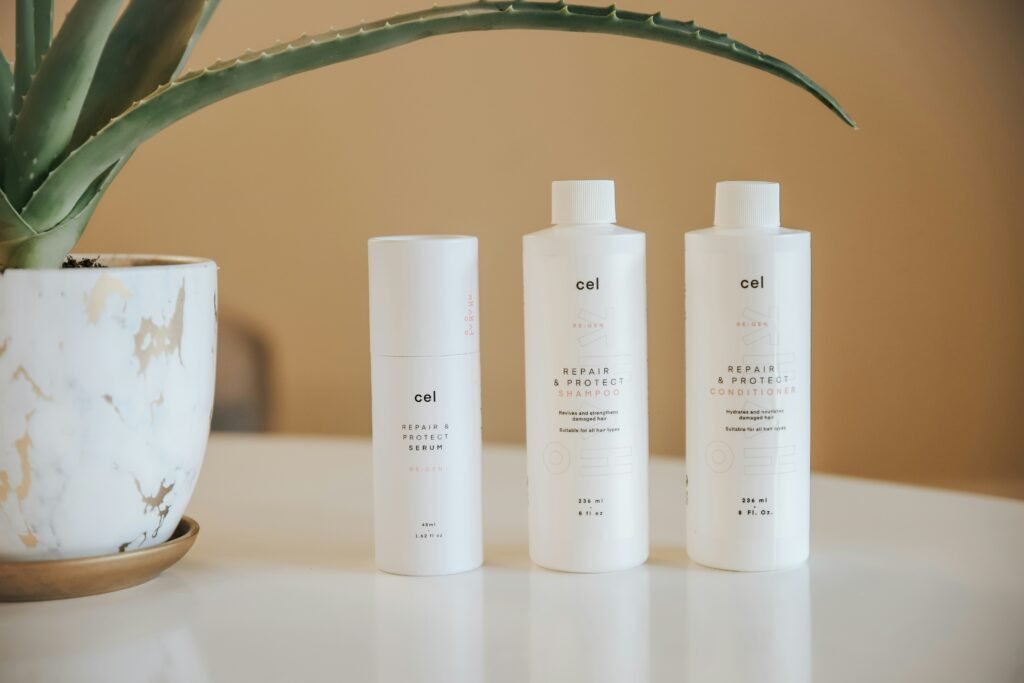
3. Shampoo and Condition According to Your Hair Type
Keeping your scalp clean is important, but there isn’t one correct shampooing schedule for everyone.
How often you should wash your hair depends on your hair type, how oily your scalp gets, your hairstyle, and your daily activities. Some people may need to shampoo frequently, while people with dry, curly, or thick hair may need to wash less often.
When shampooing:
- Apply shampoo mainly to your scalp, rather than concentrating it on the entire length of your hair.
- Massage gently with your fingertips rather than scratching with your nails.
- Use an appropriate amount for your hair length.
- Rinse thoroughly.
After shampooing, use conditioner to moisturize and detangle your hair. If your hair is fine or straight, focus conditioner on the ends. If your hair is dry or curly, you may benefit from applying it through more of the length.
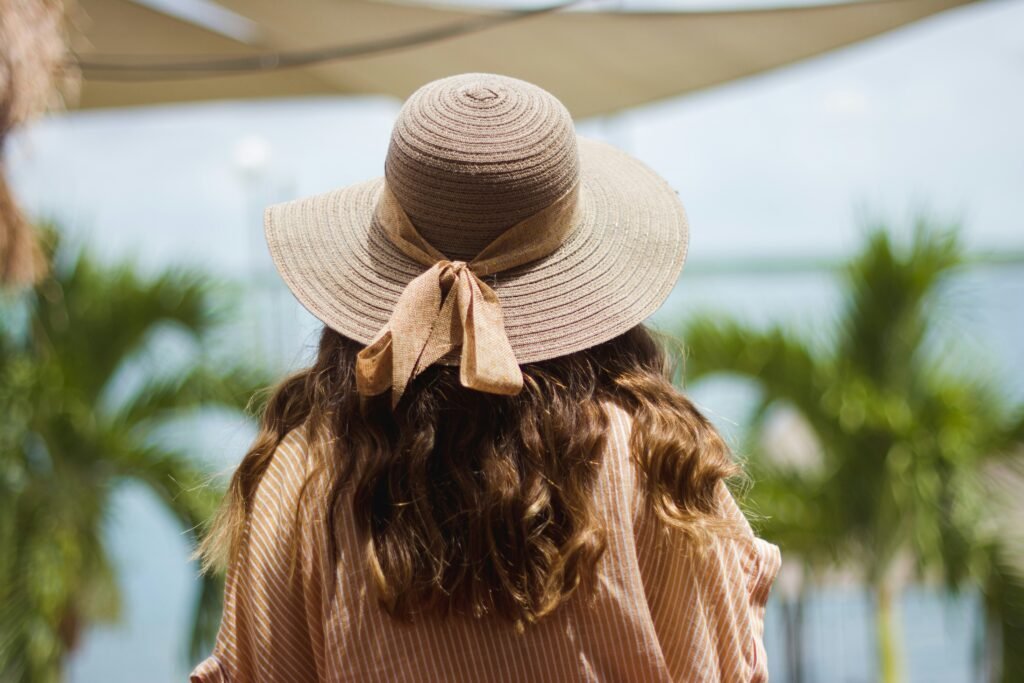
4. Protect Your Hair From the Sun
Just like your skin, your hair can be affected by prolonged sun exposure.
UV exposure can make hair dry, rough, weak, faded, and brittle, particularly if your hair is colored, bleached, or chemically treated.
When you’re spending a lot of time outdoors:
- Wear a hat or scarf.
- Seek shade when possible.
- Protect your scalp, especially if your hair is thinning.
- Take extra care of chemically treated hair.
A wide-brimmed hat is a simple way to protect both your hair and scalp.
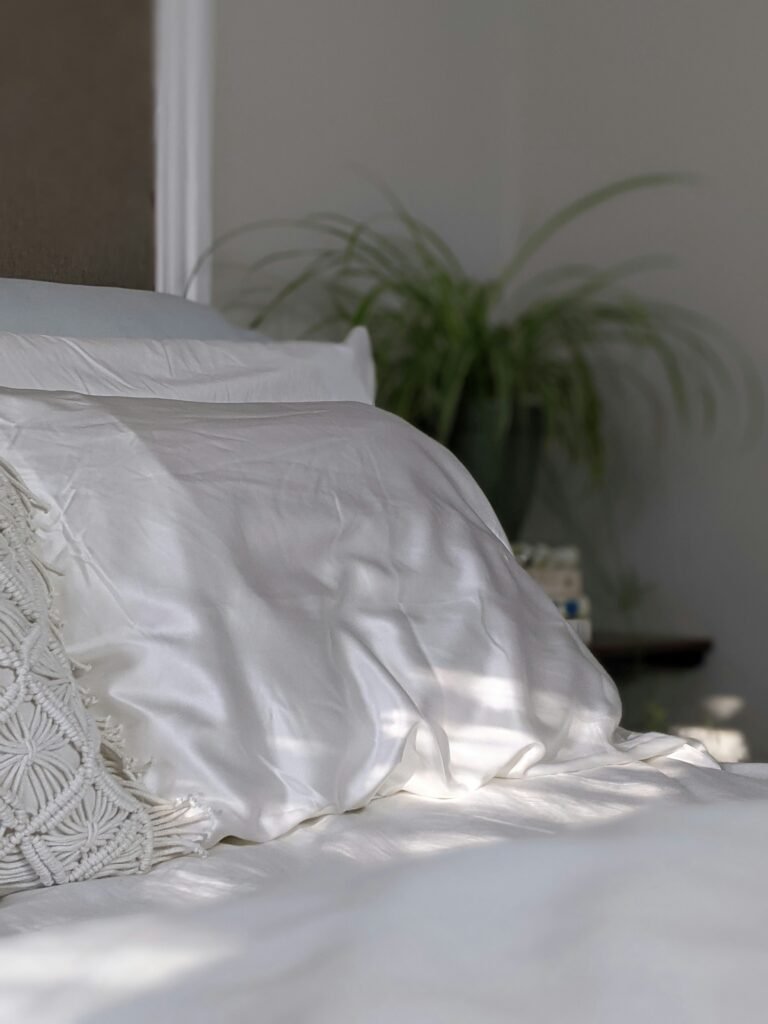
5. Try a Silk or Satin Pillowcase
Sleeping on silk or satin is a popular hair-care habit because these smoother fabrics may create less friction than some rougher fabrics.
This may help reduce tangling, frizz, and mechanical damage for some hair types.
You can also reduce nighttime pulling by wearing your hair in a loose hairstyle rather than a tight ponytail or bun.
The key word is loose. Hairstyles that continuously pull on the scalp can contribute to traction alopecia and hair loss.
6. Take Care of Your Scalp
Healthy-looking hair begins with a healthy scalp.
Keep your scalp clean and pay attention to persistent symptoms such as:
- Itching
- Redness
- Flaking
- Pain
- Excessive dandruff
- Sores
- Unusual hair shedding
If drugstore products aren’t helping or your symptoms continue, consider seeing a dermatologist.
Cleveland Clinic notes that keeping the scalp clean and addressing conditions such as dandruff or inflammation can help create a healthier environment for hair.
A gentle scalp massage can also feel relaxing, but avoid aggressively scratching or rubbing your scalp.
7. Handle Your Hair Gently
Hair is especially fragile when wet.
Instead of roughly brushing immediately after washing, gently remove tangles using a wide-tooth comb or another suitable detangling tool.
Start at the ends and gradually work your way upward.
Also, avoid aggressively rubbing your hair with a towel. Instead, gently wrap your hair in a towel or soft T-shirt to absorb excess water.
And don’t feel that you need to brush your hair 100 times a day. Excessive brushing can actually cause breakage and split ends.
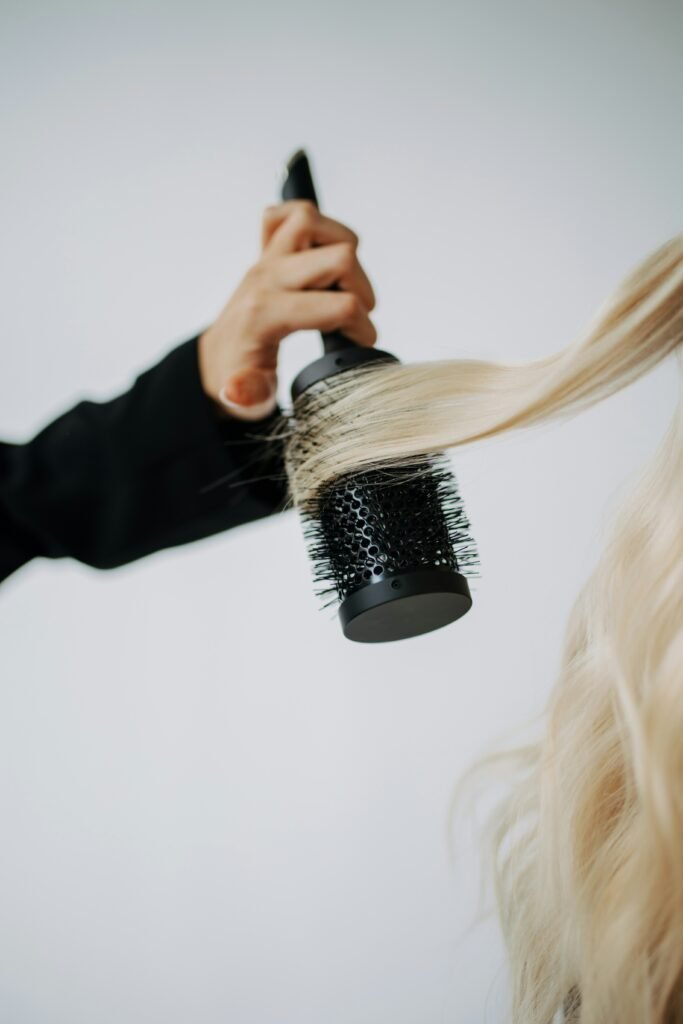
8. Limit Heat Styling
Blow-dryers, curling irons, flat irons, and hot combs can all damage hair when used excessively.
Whenever possible, allow your hair to partially or completely air-dry.
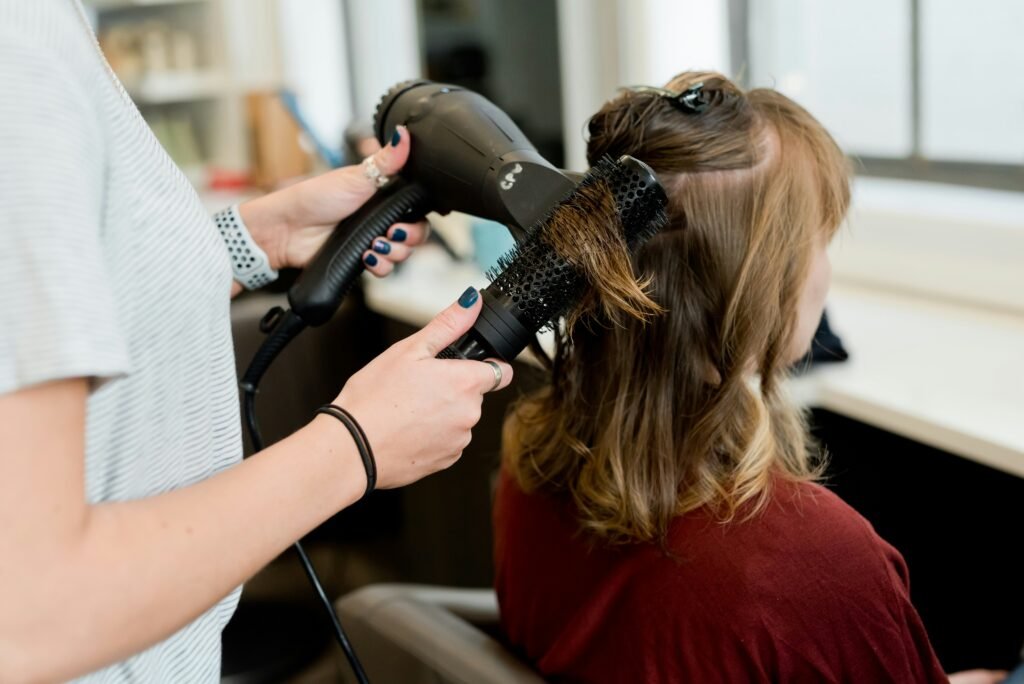
When using a blow-dryer:
- Use a low or medium heat setting.
- Keep the dryer moving.
- Don’t hold it too close to your hair.
- Consider using a heat-protective product.
If you’re using a flat iron or curling iron, use it on dry hair and avoid excessive heat. Dermatologists recommend limiting the use of hot styling tools because excessive heat can weaken hair.
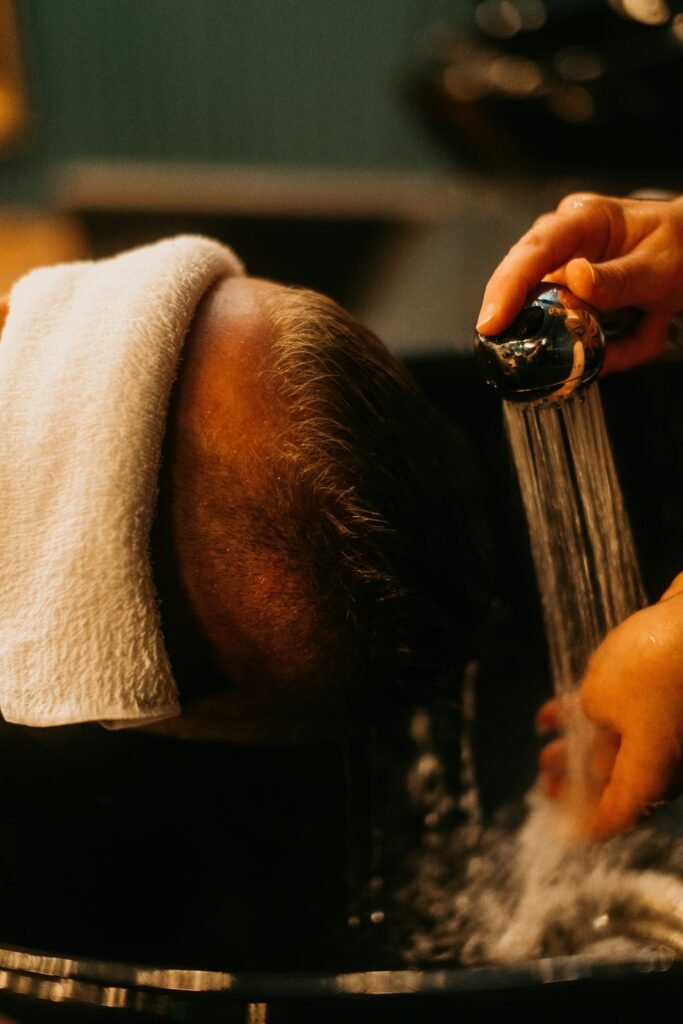
9. Avoid Extremely Hot Showers
A hot shower can feel wonderful after a long day, especially during winter.
However, very hot water can contribute to dryness and irritation of the scalp and skin.
Try using lukewarm water instead, particularly when washing your hair.
You don’t need to finish with an ice-cold rinse to “seal the cuticles.” That’s a popular beauty tip, but the important thing is simply avoiding excessively hot water and handling the hair gently.
10. Avoid Constantly Pulling or Touching Your Hair
Repeatedly pulling, twisting, or manipulating your hair can contribute to breakage.
Tight ponytails, buns, braids, extensions, and other styles that continuously pull on the scalp can also cause traction alopecia. If the pulling continues over time, permanent hair loss can develop.
So, give your hair a break.
Choose loose hairstyles, change your hairstyle regularly, and avoid pulling on your hair unnecessarily.
11. Be Careful With Hair Coloring and Chemical Treatments
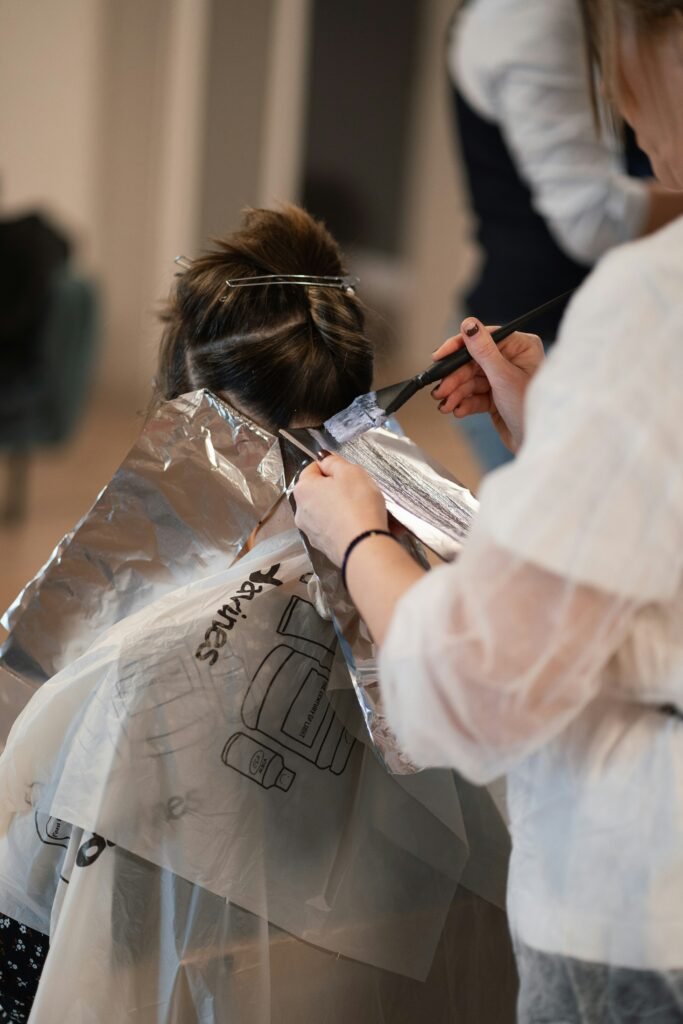
You don’t necessarily need to stop coloring your hair completely.
However, frequent bleaching, coloring, perming, relaxing, and chemical straightening can make hair dry and brittle.
If you color your hair:
- Follow the product instructions carefully.
- Consider staying relatively close to your natural color to minimize damage.
- Don’t leave products on longer than recommended.
- Stop if you develop burning, swelling, itching, or a rash.
- Consider having complex chemical treatments performed by a professional.
Also, I would remove the old claim in your original draft that hair coloring increases the risk of breast cancer. That’s a much more complicated research question and is not appropriate to present as an established fact in a general hair-care article.
12. Use Hair Oils Carefully
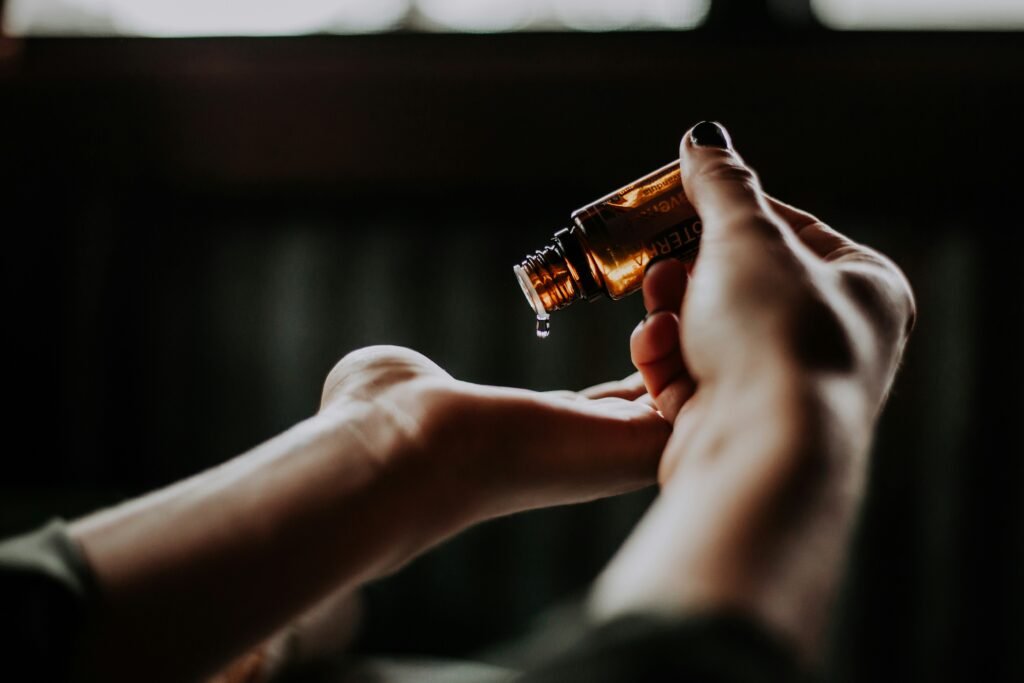
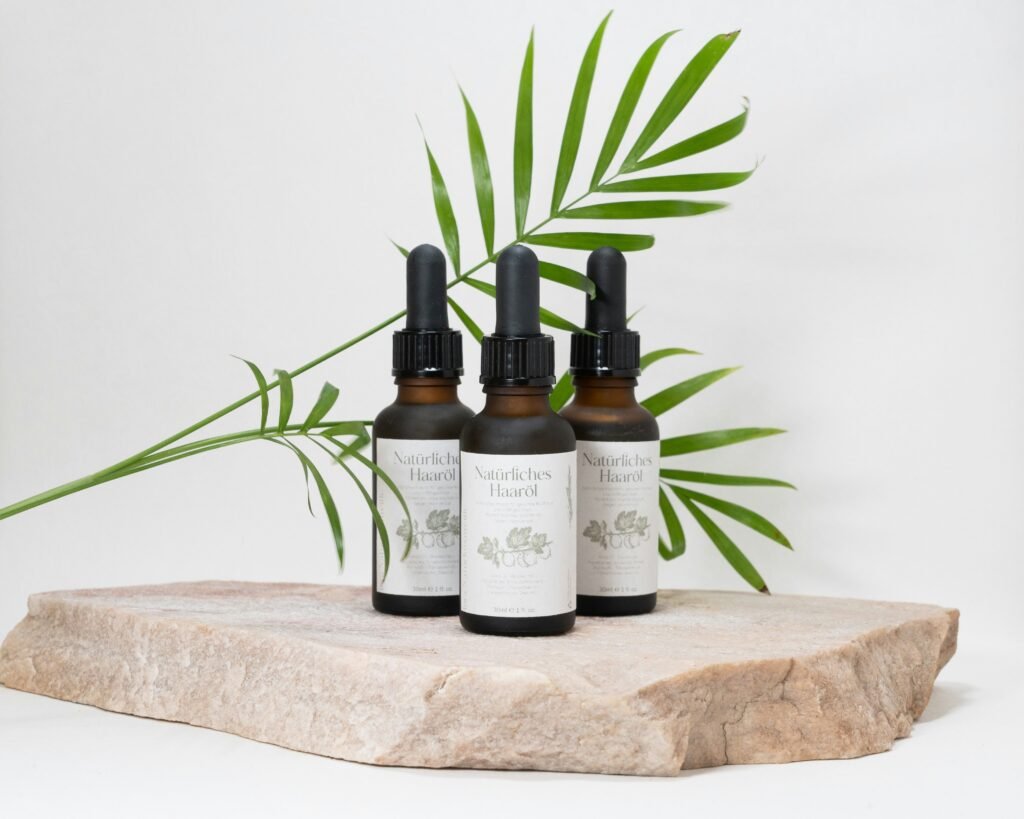
Hair oils can make hair feel softer and help reduce friction and dryness, depending on your hair type.
Coconut oil, for example, has been studied for its ability to penetrate the hair shaft and reduce some types of protein loss.
You can try applying a small amount of coconut oil to the lengths and ends of your hair before washing.
Just remember that oils don’t magically make hair grow faster.
They mainly help with conditioning and reducing some forms of hair damage.
Also, avoid applying heavy amounts of oil directly to a scalp that is already oily, irritated, or prone to dandruff unless you’ve been advised to do so.
13. Choose Hair Products That Suit Your Hair
“Sulfate-free” isn’t automatically better for everyone.
Some shampoos containing sulfates can be perfectly appropriate, while others may feel too drying for certain hair types.
The more useful approach is to choose products based on your hair and scalp needs.
Look for products designed for:
- Dry hair
- Oily scalp
- Curly or textured hair
- Colored or chemically treated hair
- Fine or fragile hair
If your hair is colored, use products specifically formulated for color-treated hair and follow your stylist’s advice.
The goal isn’t to avoid one particular ingredient at all costs. The goal is to use products that clean your scalp effectively without leaving your hair excessively dry or irritated.
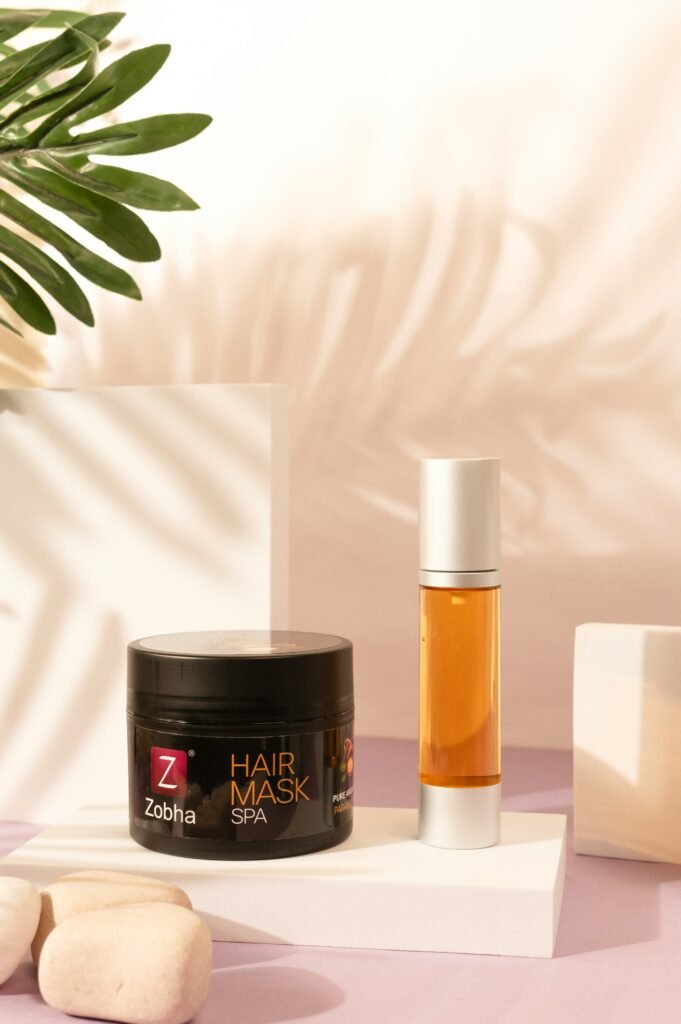
14. Treat Your Hair to a Conditioning Mask
If your hair feels dry or damaged, a conditioning treatment can make it feel softer and easier to manage.
You don’t need an expensive salon treatment every week. You can use a commercially formulated hair mask that matches your hair type.
For a simple homemade option, you could experiment with ingredients such as:
Coconut Oil Treatment
Apply a small amount of coconut oil to the lengths and ends of your hair before shampooing. Leave it on for a period that works for you, then wash thoroughly.
Avocado Hair Mask
Mash a small amount of ripe avocado and apply it to the lengths of your hair. Leave it on briefly and rinse thoroughly before shampooing.
Important Note About DIY Hair Masks
Natural doesn’t automatically mean safer or better.
Avoid putting irritating ingredients, undiluted essential oils, or strongly acidic substances directly on your scalp. And if you have a scalp condition, persistent itching, or significant hair loss, it’s better to get professional advice rather than relying on homemade remedies.
What If You’re Losing a Lot of Hair?
It’s normal to shed some hair every day. However, sudden or significant hair loss deserves attention.
Hair loss can happen for many reasons, including illness, major stress, hormonal changes, childbirth, nutritional deficiencies, genetics, medications, and certain scalp conditions.
So, don’t automatically assume that you simply need a better shampoo.
If you’re experiencing:
- Sudden heavy shedding
- Bald patches
- A rapidly thinning hairline
- Persistent scalp irritation
- Hair loss lasting for months
- Hair loss following illness, pregnancy, or another major health event
consider seeing a dermatologist or another qualified healthcare professional.
Finding the cause is often more useful than trying one hair-growth product after another.
Final Thoughts
We spend a lot of time and money trying to make our hair look beautiful, but healthy hair usually comes from something much simpler: consistent care.
You don’t need a cabinet full of expensive products.
Start with the basics:
Eat well. Keep your scalp clean. Condition your hair. Handle it gently. Protect it from excessive heat and sun. Avoid hairstyles that constantly pull on your scalp. And pay attention to unusual changes in your hair or scalp.
Most importantly, remember that beautiful hair doesn’t have to mean perfectly straight, shiny, thick, or styled.
Healthy hair can look different for everyone.
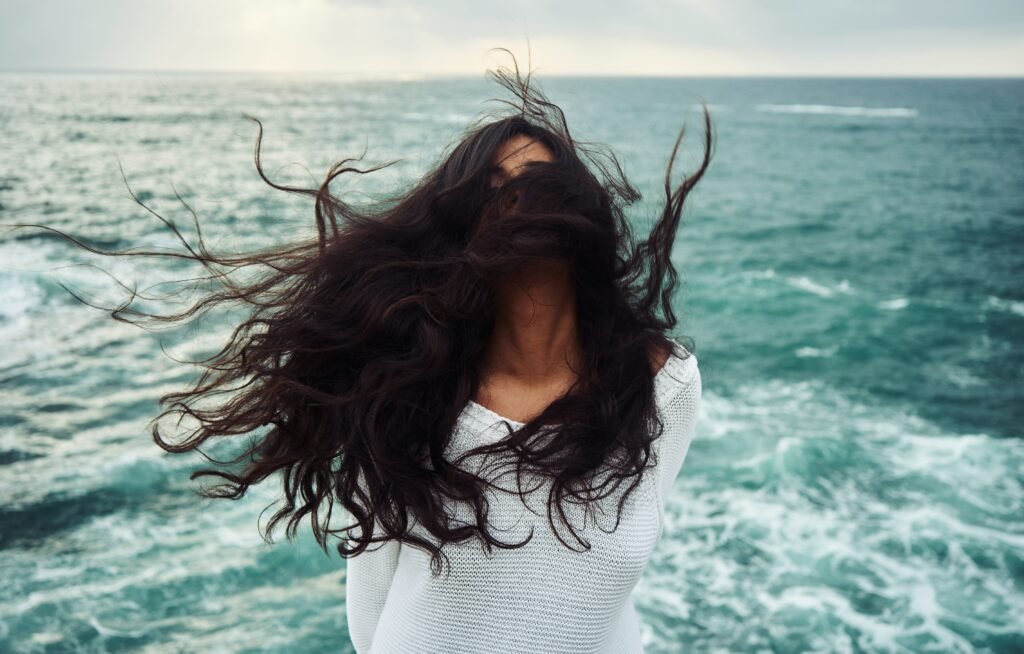
“Invest in your hair. It is the crown you never take off.”
“I praise you because I am fearfully and wonderfully made; your works are wonderful, I know that full well.”
— Psalm 139:14
Our hair may be part of our appearance, but it doesn’t define our beauty.
Take care of it because you deserve to feel good about yourself, not because you need to meet someone else’s idea of what beautiful hair should look like.
And remember, your real beauty comes from taking care of the whole you… from your roots to your heart. ❤️
So, take a little time for your hair, be gentle with yourself, and enjoy the process.
After all, our hair may be the crown we never take off—but confidence is what truly makes it shine.
Sources
- https://www.aad.org/public/everyday-care/hair-scalp-care/hair/healthy-hair-tips
- https://www.aad.org/public/diseases/hair-loss/treatment/tips
- https://www.aad.org/public/diseases/hair-loss/hair-care
- https://www.aad.org/public/diseases/hair-loss/hair-care/styling
- https://www.aad.org/public/everyday-care/hair-scalp-care/hair/coloring-perming-tips
- https://www.aad.org/public/everyday-care/hair-scalp-care/hair
- https://my.clevelandclinic.org/health/diseases/21753-hair-loss
- https://newsroom.clevelandclinic.org/2025/01/24/how-often-should-you-wash-your-hair
- https://www.nhs.uk/conditions/hair-loss/
- https://www.aad.org/public/diseases/hair-loss/causes/18-causes
Note: Hair-care needs vary considerably by hair type, scalp condition, age, genetics, and lifestyle. These tips are intended for general hair care and don’t replace professional evaluation for persistent hair loss or scalp problems.
10 Natural Ways to Keep Your Skin Glowing All Year Round
12 Ways to Maintain Beautiful Lips All Year Round
Simple Tips to Lower Blood Pressure Without Taking Medications
Simple Ways to Lower Blood Sugar
Originally Published: February 26, 2020
Updated: August 2026



Thanks for your tips for scalp and hair care. I did not know that frequent hair coloring can cause breast cancer. I was just thinking of dyeing my hair to cover the grey, but not anymore. I will leave it as it is.
You’re welcome Kristine! Perhaps, you could use organic hair colors or dyes which are non-toxic to the hair.
Thank you for sharing, I learned and got reminded at the same time.
You’re welcome Sol! Hope this helps on your pursuance of having a healthy hair!