Social media has become an important part of our everyday lives. It allows us to communicate with loved ones, discover information, express ourselves, and connect with people from different parts of the world. However, like many things in life, social media has both benefits and drawbacks.
When used mindfully and in moderation, social media can provide meaningful connections and valuable opportunities. On the other hand, excessive or unhealthy use may contribute to stress, anxiety, loneliness, poor sleep, and other physical and emotional concerns.
In this article, let’s take a closer look at some of the benefits and negative effects of social media on our health, as well as a few ways to develop healthier social media habits.
Benefits of Social Media
Social media enables you to:
1. Communicate and Stay Connected
Social media makes it easier to communicate and stay up to date with family and friends around the world. As social beings, we naturally long to socialize, interact, and connect with others.
Social media can help us maintain relationships with loved ones, even when distance makes face-to-face interaction difficult.
2. Raise Awareness of Important Issues
Social media can help raise awareness about important issues such as mental health, healthy lifestyles, social causes, and community concerns.
Information can spread quickly, allowing people to learn about issues that they might not otherwise encounter.
3. Seek or Offer Emotional Support
An increasing number of online communities and organizations provide emotional and mental health support through social media and other online platforms.
People can find supportive communities, share their experiences, and connect with others who may be going through similar situations.
However, online support should not replace professional help when it is needed.
4. Find New Friends and Communities
Social media allows us to find new friends, communities, and networks with people who share similar interests, goals, or ambitions.
For people who may feel isolated in their local communities, online groups can provide an opportunity to connect with like-minded individuals.
5. Express Creativity and Yourself
Social media provides an outlet for creativity and self-expression. Whether through photography, writing, art, music, videos, or other forms of content, people can share their talents and ideas with a wider audience.
6. Discover Valuable Information
Social media can also be a useful source of information and learning. Educational pages, professionals, organizations, and communities can provide valuable content about health, education, careers, hobbies, and many other topics.
Of course, it is important to verify information and rely on trustworthy sources, especially when it comes to health-related advice.
Why Social Connections Matter
We are all social creatures. We need meaningful connections with other people in order to thrive in life.
Strong social connections can have a positive impact on our mental and emotional well-being. They can provide happiness, ease feelings of stress and loneliness, boost self-esteem, and give us comfort and support.
On the other hand, lacking strong social connections can negatively affect our mental and emotional well-being.
This is where social media can become complicated. While it can help us connect with others, excessive or unhealthy use can sometimes make us feel more disconnected from the people and world around us.
Negative Effects of Social Media
Social media may also contribute to negative experiences, particularly when it is used excessively or in unhealthy ways.
1. Isolation and Loneliness
High levels of social media use may sometimes be associated with increased feelings of loneliness and social isolation.
Although we may have hundreds of online connections, these relationships may not provide the same emotional benefits as meaningful, face-to-face relationships.
2. Feeling Inadequate About Your Life or Appearance
Even though we know that many images shared on social media are carefully selected, edited, or filtered, they can still affect the way we see ourselves.
People often share the highlights of their lives rather than their struggles. Constantly comparing our everyday reality with someone else’s carefully selected moments can leave us feeling insecure, envious, or dissatisfied with our own lives.
3. Fear of Missing Out (FOMO)
Different social media platforms can intensify the fear of missing out, commonly known as FOMO.
Seeing other people attending events, traveling, enjoying activities, or achieving their goals can make us feel as though we are missing something.
FOMO may encourage us to check our phones repeatedly, even when we should be sleeping, working, studying, spending time with family, or focusing on something important.
In some situations, using a phone or social media while driving can also create a serious safety risk.
4. Self-Absorption
Constantly sharing selfies, personal experiences, and even our deepest thoughts online can sometimes encourage an unhealthy focus on ourselves.
When social media becomes primarily about receiving attention, likes, comments, or validation, it may distance us from real-life experiences and relationships.
5. Exposure to Cyberbullying
Social media can unfortunately be used to spread rumors, lies, harassment, and abuse.
Cyberbullying can cause significant emotional distress and may leave lasting psychological effects on those who experience it.
6. Feelings of Depression and Anxiety
Face-to-face interaction with people who genuinely care about us can provide emotional support and help reduce feelings of stress and loneliness.
However, when social media interaction consistently replaces meaningful personal relationships, it may contribute to feelings of anxiety, loneliness, or low mood.
It is important to remember that social media is not the only factor associated with depression or anxiety. Mental health is complex and can be influenced by many different circumstances.
How Social Media Can Affect Physical Health
Social media can also indirectly affect our physical health depending on how frequently and how we use it.
1. Fatigue and Poor Sleep
Valuable sleep can be lost when we stay up late scrolling, posting, reading, or responding to notifications.
Using screens late at night may also make it harder for some people to establish a healthy sleep routine.
2. Hand and Wrist Problems
Excessive typing, scrolling, or repetitive movements can place strain on the hands, wrists, and fingers.
Taking regular breaks and maintaining good posture can help reduce unnecessary strain.
3. Eye Strain
Staring at screens for extended periods can contribute to eye strain, dry eyes, headaches, and general visual discomfort.
Taking regular breaks from the screen can help give your eyes a much-needed rest.
4. Distraction
One of the most dangerous consequences of excessive phone and social media use is distraction.
Checking social media while driving or even while walking can prevent you from paying attention to your surroundings and increase the risk of accidents.
5. Lack of Exercise
Spending too much time on social media can reduce the amount of time available for physical activity.
Instead of spending hours sitting and scrolling, consider going for a walk, exercising, spending time outdoors, or participating in an activity you enjoy.
How to Reduce the Negative Effects of Social Media
The goal isn’t necessarily to completely eliminate social media from our lives. Instead, we can learn to use it more consciously and maintain a healthier balance.
1. Reduce Your Time Online
If you find it difficult to stop scrolling, consider using productivity or screen-time management apps that limit your access to certain websites or applications.
If social media use is significantly interfering with your daily life, relationships, work, studies, or well-being, consider seeking professional support.
2. Schedule Your Social Media Time
Try using social media at specific times instead of constantly checking your phone throughout the day.
Don’t allow social media to interfere with your work, studies, sleep, family time, or offline relationships.
3. Change Your Focus
Stay away from social media and other communication platforms while driving or doing anything else that requires your full attention.
No notification is more important than your safety.
4. Spend More Time With People Offline
Make time for your family, offline friends, colleagues, and other meaningful relationships.
Put the phone down and have a conversation. Go for a walk together. Eat a meal without checking your notifications.
Sometimes, the best connection is the one that doesn’t require Wi-Fi.
5. Practice Gratitude
Instead of constantly comparing your life with what you see online, take time to appreciate what you already have.
Practice gratitude, stay positive, and avoid spending unnecessary time arguing with people online.
Remember that social media often shows only a small portion of someone’s life. Don’t compare your entire life to someone else’s highlight reel.
Final Thoughts
Social media is neither completely good nor completely bad. Like many things in life, its impact depends largely on how we use it.
It can bring people together, provide support, spread awareness, encourage creativity, and help us learn. But when it becomes excessive, it can also interfere with our relationships, sleep, physical activity, and emotional well-being.
The key is balance.
Use social media to connect, not to compare. Use it to learn, not to become overwhelmed. Use it to express yourself, but don’t allow likes, comments, or followers to determine your worth.
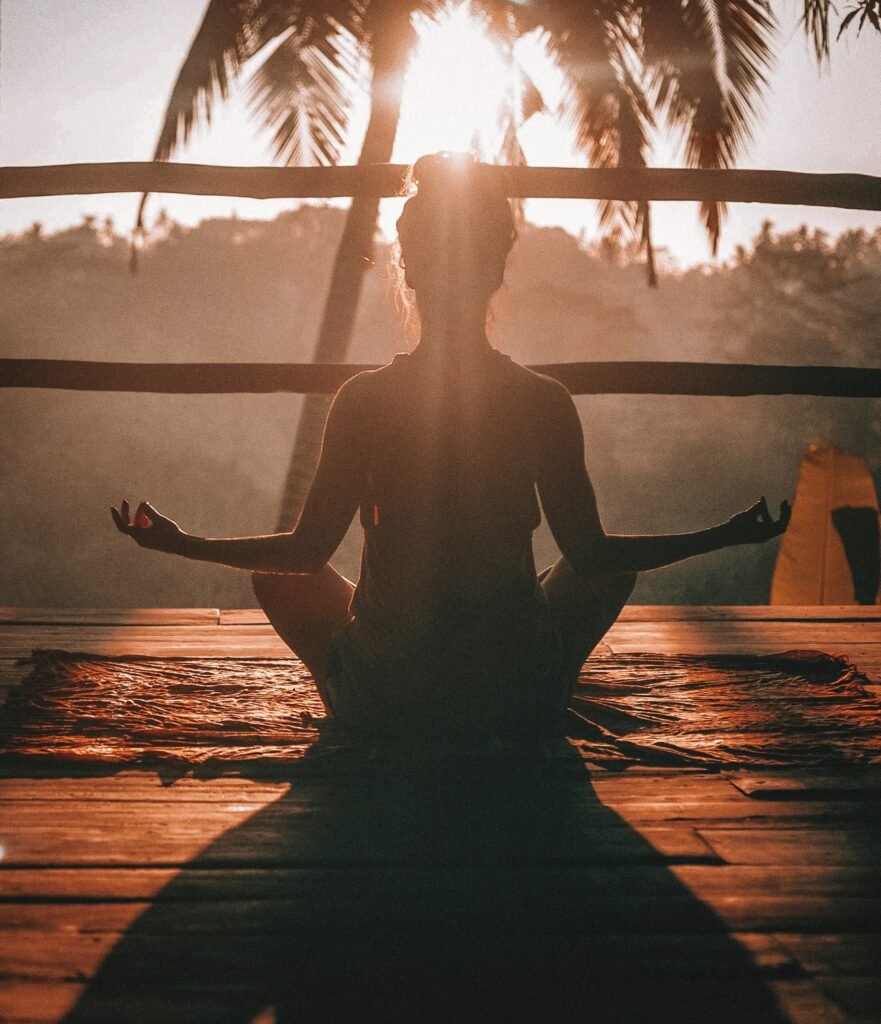
Most importantly, don’t forget to live beyond the screen. The people sitting beside you, the conversations happening around you, and the experiences happening in the real world deserve your attention, too.
“The greatest wealth is health.”
“Above all else, guard your heart, for everything you do flows from it.”
— Proverbs 4:23
Your online life is only one small part of who you are. Don’t let the number of likes, followers, views, or notifications define your happiness.
Put the phone down when necessary, look around you, and remember to enjoy the life happening beyond the screen. ❤️
Sources
- https://www.hsph.harvard.edu/news/features/social-media-positive-mental-health
- https://www.helpguide.org/articles/relationships-communication/dealing-with-loneliness-and-shyness.htm
Surprising Health Benefits Of Intermittent Fasting
How Jealousy Affects Your Health And How To Keep It Under Control
Major Health And Fitness Benefits of Strength Training
16 Reasons Why Camping Is Good For Your Health
14 Surprising Health Benefits of Knitting And Crocheting
Originally Published: February 1, 2021
Updated: August 2026




Social media is definitely a double edged sword. It’s an amazing tool for all kinds of things, but it can and does take a toll when used too much.
Wonderful tips. Everything in moderation including social media.
I do agree that excessive social media use has so many negative health impacts. It can affect mental health and can also contributes to a sedentary lifestyle.
Just like the saying “too much is bad”. I love social media because that is a part of my work but when I am not working I stop and spending time with my loved ones or friends. We need balance in everything, that all I can say.
I always say you have to control social media not let it control you. As with everything in life we need strong boundaries to reap the benefits so we can keep the negative at bay.
Great post. Everything in moderation. Using social media is making me much more firm on my boundaries.
Sometimes social media can be toxic and not healthy. This is helpful and very informative. Thank you for sharing!
Fransic – https://www.querianson.com/
As with most things I do think there are good and bad sides to it. Same with social media!
When I moved to Canada, social media helped me find new friends when I knew no one. There are so many negative effects too and they can sometimes outweigh the benefits sadly.
It’s all about balance. You really need to make sure you still have “ME” time for yourself. Ensure that you will not be too sensitive. Limit your personal posts too.
How to control my desires🥳
http://DY.RUNHAI.ME/QZ94702g