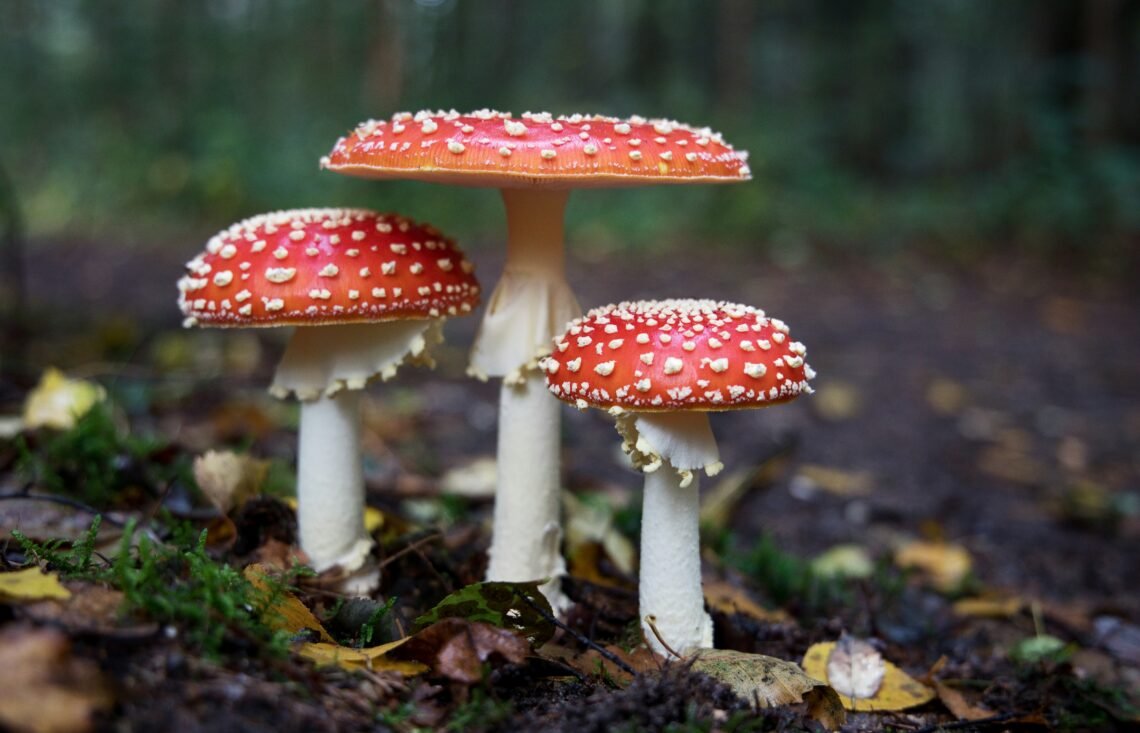
Food poisoning, also called foodborne illness, can happen when we consume food or drinks contaminated by harmful bacteria, viruses, parasites, or chemicals.
It can happen unexpectedly. One minute you’re enjoying a meal, and a few hours later, you’re dealing with nausea, stomach cramps, vomiting, or diarrhea.
Most cases are mild and improve on their own, but food poisoning can sometimes become serious, especially when it causes significant dehydration or affects babies, young children, older adults, pregnant women, or people with weakened immune systems.
That’s why it’s important to know what you can do at home, what you should avoid, and when it’s time to seek professional medical help.
This article is for general information only and isn’t a substitute for medical advice.
What Causes Food Poisoning?
Food poisoning can be caused by viruses, bacteria, parasites, or harmful chemicals and toxins.
Contamination can occur at almost any stage—from growing and harvesting food to processing, storage, transportation, preparation, or serving. Raw or undercooked meat, poultry, eggs, seafood, unpasteurized dairy products, contaminated produce, and improperly handled ready-to-eat foods can all be sources of foodborne illness.
Viruses and Bacteria
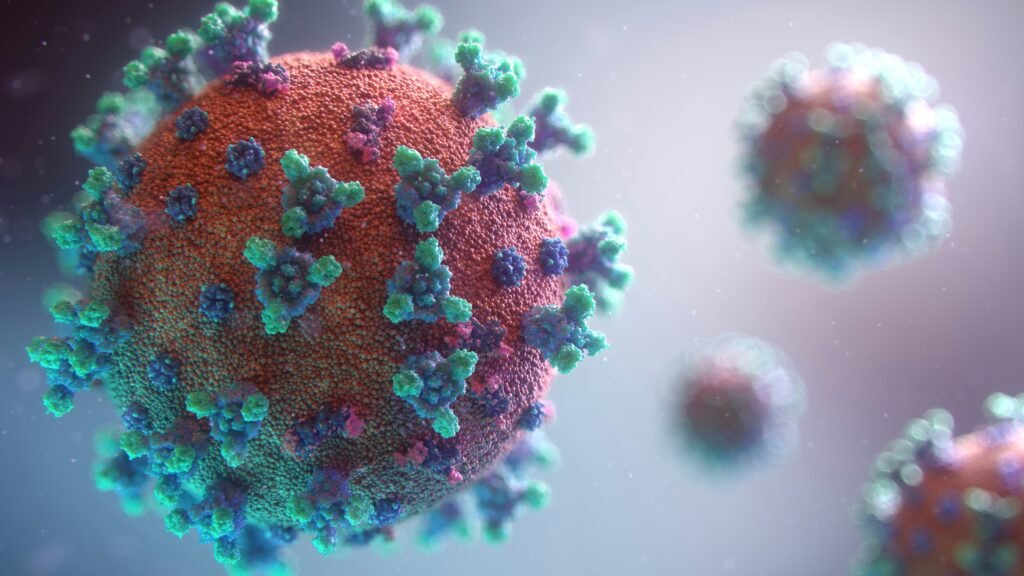
Viruses are among the most common causes of foodborne illness, with norovirus being a major cause. Bacteria such as Salmonella, Campylobacter, certain strains of E. coli, Clostridium perfringens, and Staphylococcus aureus can also cause food poisoning.
Some organisms cause mainly short-term gastrointestinal symptoms, while others can lead to serious complications.
Common causes include:
- Norovirus
- Salmonella
- Clostridium perfringens
- Campylobacter
- Staphylococcus aureus
- Escherichia coli (E. coli)
- Listeria monocytogenes
- Toxoplasma gondii
Some infections, particularly those caused by Salmonella, Listeria, certain E. coli strains, and Toxoplasma, can be more serious in vulnerable people.
Food Toxins and Chemicals
Not all food poisoning is caused by an infection.
Some illnesses are caused by toxins produced by microorganisms or by naturally occurring or environmental chemicals.
Examples include:
| Source | Examples |
|---|---|
| Bacteria | Enterotoxins, exotoxins, neurotoxins |
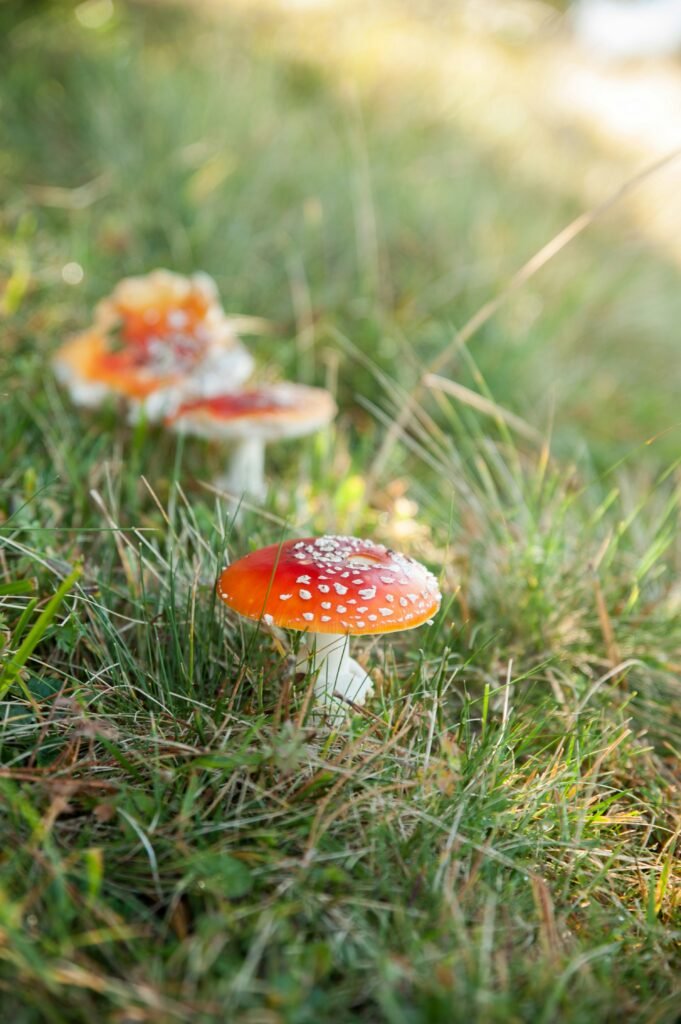
| Plants and fungi | Certain mushroom toxins, poisonous plants |
| Fish and seafood | Scombroid toxin, ciguatoxin, saxitoxin, tetrodotoxin |
These types of poisoning can sometimes affect the nervous system and may cause unusual symptoms such as blurred vision, weakness, tingling, numbness, or paralysis. Nervous-system symptoms require urgent medical attention.
Signs and Symptoms of Food Poisoning
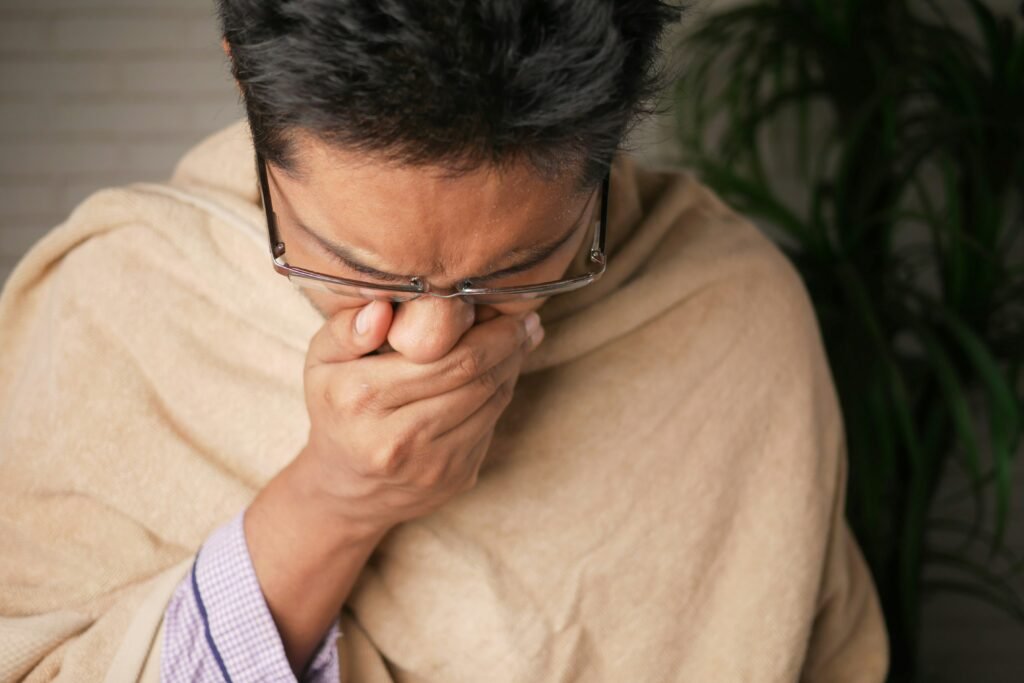
Symptoms vary depending on the cause, but common symptoms include:
- Diarrhea
- Vomiting
- Nausea
- Abdominal pain or cramps
- Fever
- Headache
- Weakness
Symptoms may begin within a few hours of eating contaminated food, while some infections may take longer to appear. They can last from several hours to several days.
Warning Signs
Food poisoning can occasionally become severe. Seek medical attention if you experience:
- Blood in your stool or vomit
- Severe or persistent abdominal pain
- Frequent vomiting
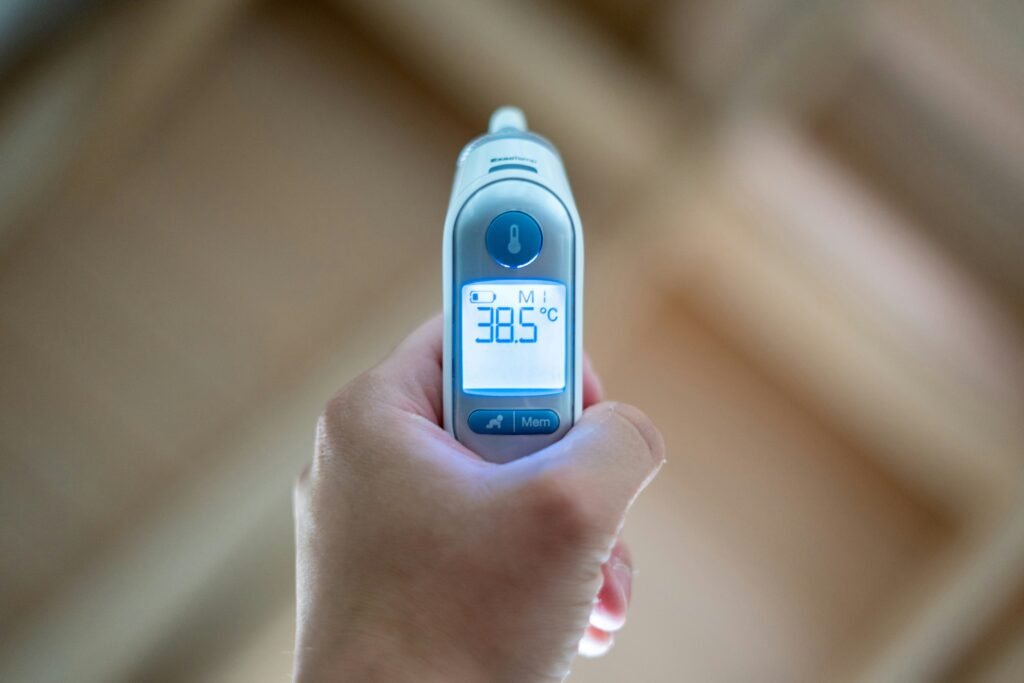
- High fever
- Diarrhea lasting more than three days
- Six or more loose stools in one day
- Severe weakness or confusion
- Signs of dehydration
- Black, tarry stools
- Nervous-system symptoms such as blurred vision, weakness, numbness, or tingling
- Difficulty drinking enough fluids to stay hydrated
Dehydration: The Biggest Concern
One of the most common complications of food poisoning is dehydration because vomiting and diarrhea cause your body to lose fluids and electrolytes.
Watch for:
- Extreme thirst
- Dry mouth
- Dark-colored urine
- Urinating less often than usual
- Dizziness or light-headedness
- Unusual tiredness
- Fainting
- Sunken eyes or cheeks
If dehydration becomes severe, hospital treatment may be necessary.
Who Is More Vulnerable?
Although anyone can develop food poisoning, some people are more likely to develop severe symptoms or complications.
These include:
- Infants and young children
- Older adults
- Pregnant women
- People with weakened immune systems
- People with certain chronic illnesses
Pregnancy is particularly important because some foodborne infections can affect both the mother and the developing baby.
When these higher-risk groups develop vomiting or diarrhea, it’s better to seek medical advice sooner rather than waiting for symptoms to become severe.
First Aid Treatment for Food Poisoning
Fortunately, most cases of food poisoning are short-lived and improve without specific medical treatment.
The most important treatment is replacing lost fluids and electrolytes.
1. Rest
Your body needs energy to recover.
Get plenty of rest and avoid strenuous physical activity until you’re feeling better.
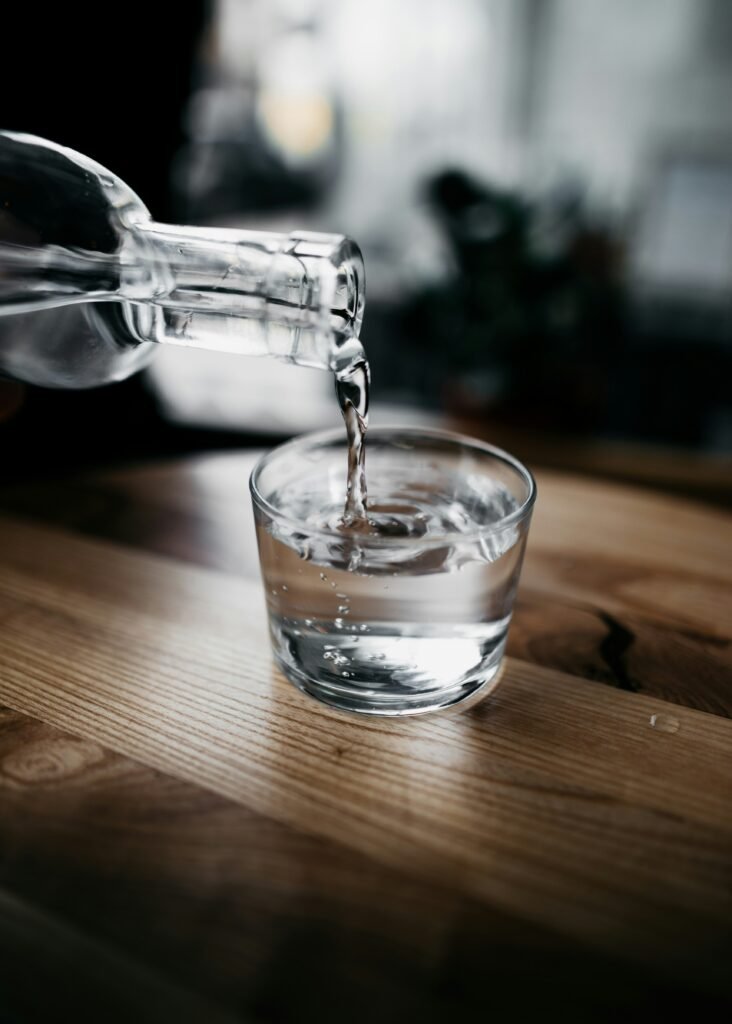
2. Rehydrate
This is the most important thing you can do.
Drink fluids regularly, but don’t try to consume a large amount all at once if you’re vomiting.
Instead, try small, frequent sips of:
- Water
- Oral rehydration solution
- Clear broth
- Diluted fruit juice
- Other suitable fluids
Oral rehydration solutions are particularly useful when diarrhea or vomiting is significant because they replace both fluids and electrolytes.
For children, oral rehydration solutions are generally preferred over simply giving water when dehydration is a concern. Infants should continue breast milk or formula unless a healthcare professional advises otherwise.
3. Don’t Force Yourself to Eat
It’s common to lose your appetite for a short period.
You don’t have to force yourself to eat immediately.
However, fasting for an extended period isn’t generally recommended. Once your appetite returns, you can usually begin eating normally again, even if you still have some diarrhea.
Start with smaller portions if your stomach is still sensitive.
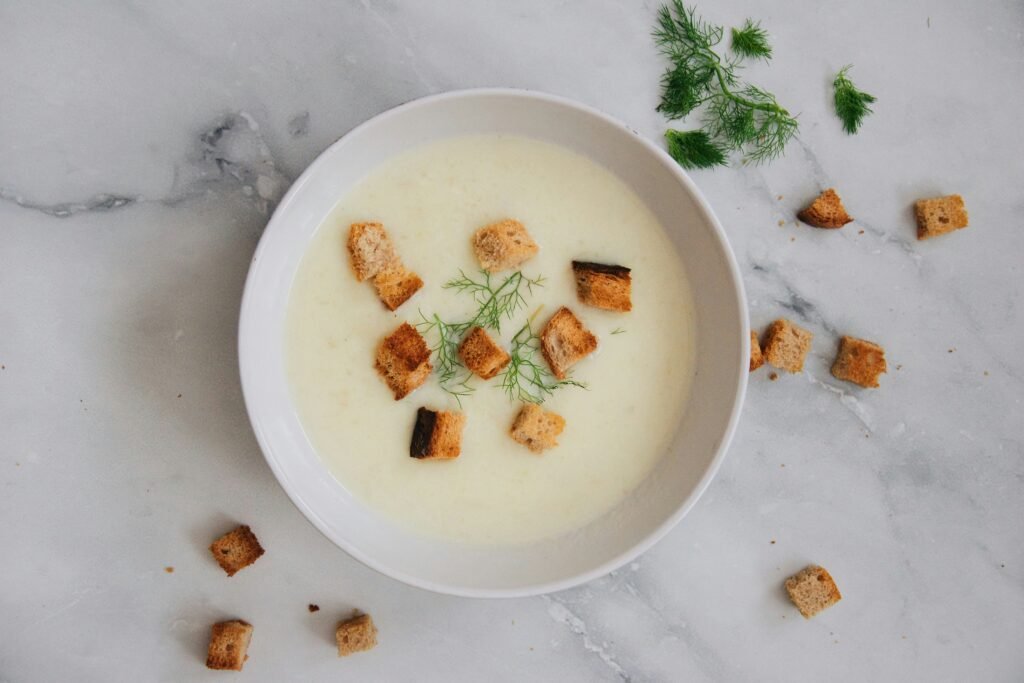
You might find simple foods easier to tolerate, such as:
- Rice
- Toast or bread
- Potatoes
- Cereal
- Bananas
- Crackers
- Soup
- Lean chicken
But you don’t necessarily need to follow a strict “bland diet” for several days.
4. Avoid Foods and Drinks That May Make Symptoms Worse
During recovery, some foods and beverages can make diarrhea or stomach discomfort worse.
Consider limiting:
- Alcohol
- Caffeinated drinks
- Fried or greasy foods
- Very fatty foods
- Very sugary drinks
- Spicy foods if they worsen your symptoms
Some people also temporarily have difficulty digesting lactose after food poisoning, so milk and other dairy products may worsen symptoms for a while.
5. Be Careful With Anti-Diarrheal Medicines
My original article stated that anti-diarrheal medicines should not be used because they may slow the elimination of bacteria.
That statement was too broad.
For some adults, medications such as loperamide or bismuth subsalicylate may help with diarrhea caused by food poisoning. However, they are not appropriate in every situation, particularly when there is blood in the stool or certain infections are suspected.
Children should not be given over-the-counter anti-diarrheal medicine without medical advice.
When in doubt, ask a pharmacist or doctor before taking anything.
6. Antibiotics Are Not Always Needed
A common misconception is that food poisoning automatically requires antibiotics.
It doesn’t.
Most food poisoning is caused by viruses or resolves without antibiotics. Even some bacterial infections are best managed with supportive care alone.
In certain specific infections, antibiotics may be recommended, but they should be prescribed based on the suspected or confirmed cause and the person’s medical situation.
Never start leftover antibiotics on your own.
When Should You See a Doctor?
Seek medical attention promptly if:
- You have signs of dehydration
- You’re vomiting frequently and can’t keep liquids down
- You have blood in your stool or vomit
- You have severe abdominal or rectal pain
- You have a high fever
- Your diarrhea persists for more than three days
- You have six or more loose stools in one day
- You develop confusion, severe weakness, or other nervous-system symptoms
- Your symptoms are getting worse instead of better
Get medical advice even sooner if the patient is:
- An infant or young child
- An older adult
- Pregnant
- Immunocompromised
- Living with another significant health condition

What About Mushroom or Chemical Poisoning?
Not every food poisoning case should be treated as a simple stomach illness.
Certain mushroom toxins, pesticides, poisonous plants, and fish toxins can cause serious or unusual symptoms.
For example, neurological symptoms such as blurred vision, weakness, paralysis, numbness, or tingling may indicate a more serious type of poisoning.
If you suspect someone has swallowed a poisonous substance, don’t wait for symptoms to become severe.
Seek emergency medical advice or contact your local poison-information service immediately.
Do’s and Don’ts
Do:
- Rest
- Drink plenty of fluids
- Take small, frequent sips if vomiting
- Consider an oral rehydration solution when significant fluid loss occurs
- Resume food gradually when your appetite returns
- Keep monitoring for dehydration
- Seek medical help when warning signs appear
Don’t:
- Force yourself to eat while you’re actively vomiting
- Drink large amounts of alcohol
- Consume foods that clearly worsen your symptoms
- Take antibiotics without medical advice
- Give children anti-diarrheal medicine without professional advice
- Ignore blood in the stool or vomit
- Ignore severe dehydration
- Assume every case of vomiting and diarrhea is automatically “just food poisoning”
A Note About Oral Rehydration Products
Commercial oral rehydration solutions can be useful because they contain a balanced combination of fluids and electrolytes.
Products such as Pedialyte and similar oral rehydration solutions may be recommended in situations where dehydration is a concern. NIDDK specifically recommends oral rehydration solutions for people with more significant fluid loss, including children and certain higher-risk adults.
Sports drinks can also provide fluids, but they are not identical to oral rehydration solutions and may contain more sugar than is ideal for some people with diarrhea.
So if dehydration is significant, an appropriate oral rehydration solution is generally the better choice.
How Can Food Poisoning Be Prevented?
Of course, prevention is always better than treatment.
Simple food-safety habits can greatly reduce the risk:
Keep clean
Wash your hands before preparing or eating food.
Separate raw and cooked foods
Keep raw meat, poultry, seafood, and eggs away from ready-to-eat foods.
Cook food properly
Make sure foods are cooked to safe internal temperatures.
Refrigerate promptly
Don’t leave perishable food sitting at room temperature for too long.
Be careful with high-risk foods
Take extra care with raw or undercooked meat, eggs, seafood, unpasteurized products, and improperly handled foods.
Choose safe drinking water
Contaminated water can also transmit foodborne pathogens.

Final Thoughts
Food poisoning can be miserable.
It can start suddenly, disrupt your plans, keep you awake all night, and leave you feeling completely exhausted.
But the good news is that most cases are short-lived and people recover without specific medical treatment. The key is to rest, replace the fluids and electrolytes you’ve lost, eat when you feel ready, and keep an eye out for warning signs.
What I especially want readers to remember is this:
Don’t underestimate dehydration.
Vomiting and diarrhea can cause your body to lose much more fluid than you realize.
And don’t be afraid to seek medical help.
Sometimes we hesitate because we think, “It’s just an upset stomach.”
But severe or persistent symptoms deserve proper attention.
If you’re caring for a child, an older adult, a pregnant woman, or someone with a weakened immune system, be even more cautious.
And remember that food poisoning isn’t always caused by bacteria. Viruses, parasites, toxins, and chemicals can also cause foodborne illness, and some of these can require completely different treatment.
“Take care of your body. It’s the only place you have to live.”
“My son, pay attention to what I say; turn your ear to my words. Do not let them out of your sight, keep them within your heart; for they are life to those who find them and health to one’s whole body.”
— Proverbs 4:20–22
Health is something we often appreciate most when we don’t have it.
A normal day of eating, drinking, working, and going about our routine can feel so ordinary, until suddenly we’re curled up in bed with stomach cramps, vomiting, or diarrhea.
That’s when we realize how much our bodies do for us every single day.
So take care of yourself.
Drink enough.
Rest when you need to.
Don’t ignore warning signs.
And don’t hesitate to ask for help when something doesn’t feel right.
Food poisoning may be temporary, but taking care of yourself during those difficult hours can make a big difference.
Sometimes, the simplest first-aid step, resting, rehydrating, and knowing when to seek help,is the most important thing you can do. ❤️
Sources
- https://www.niddk.nih.gov/health-information/digestive-diseases/food-poisoning
- https://www.niddk.nih.gov/health-information/digestive-diseases/food-poisoning/definition-facts
- https://www.niddk.nih.gov/health-information/digestive-diseases/food-poisoning/symptoms-causes
- https://www.niddk.nih.gov/health-information/digestive-diseases/food-poisoning/treatment
- https://www.niddk.nih.gov/health-information/digestive-diseases/food-poisoning/eating-diet-nutrition
- https://www.cdc.gov/food-safety
- https://www.who.int/news-room/fact-sheets/detail/food-safety
18 Surprising Health Benefits Of Eating Seafood
8 Health Benefits of A Daily 30-Minute Exercise
Potential Dangers of Having Mani-Pedis in Nail Salons
Originally Published: April 12, 2020
Updated: August 2026



Hate food poisoning! Only had it once and never wish to have that happen again!
It is, definitely, not a good experience. Be careful next time. 🙂
ugh I had awful food poisoning at the start of the year from a restaurant! I threw up the whole of the next day and felt awful for a couple days! it’s no fun!
Indeed Kristina, food poisoning is not a good experience! Thank you for sharing though, hope this article could help next time (but I surely hope not).