
Every year, especially when the seasons change, many of us become more vulnerable to coughs, colds, and influenza. A simple runny nose or headache may not seem serious, but anyone who has tried to work while feeling sick knows how uncomfortable—and exhausting—it can be.
I personally tend to experience coughs and colds when the weather changes, even when I am taking care of myself, exercising regularly, and trying to maintain a healthy lifestyle. Over the years, I have learned that prevention is not about doing just one thing. It is about developing simple, healthy habits and being mindful of how infections spread.
So, how can we reduce our chances of getting sick?
Before we begin, one important reminder: there is no guaranteed natural way to prevent every cold or case of influenza. Vaccination remains the best way to prevent influenza, while good hygiene and healthy habits can further reduce the risk of infection and transmission.
Let’s take a look at some simple habits that can help protect you and the people around you.
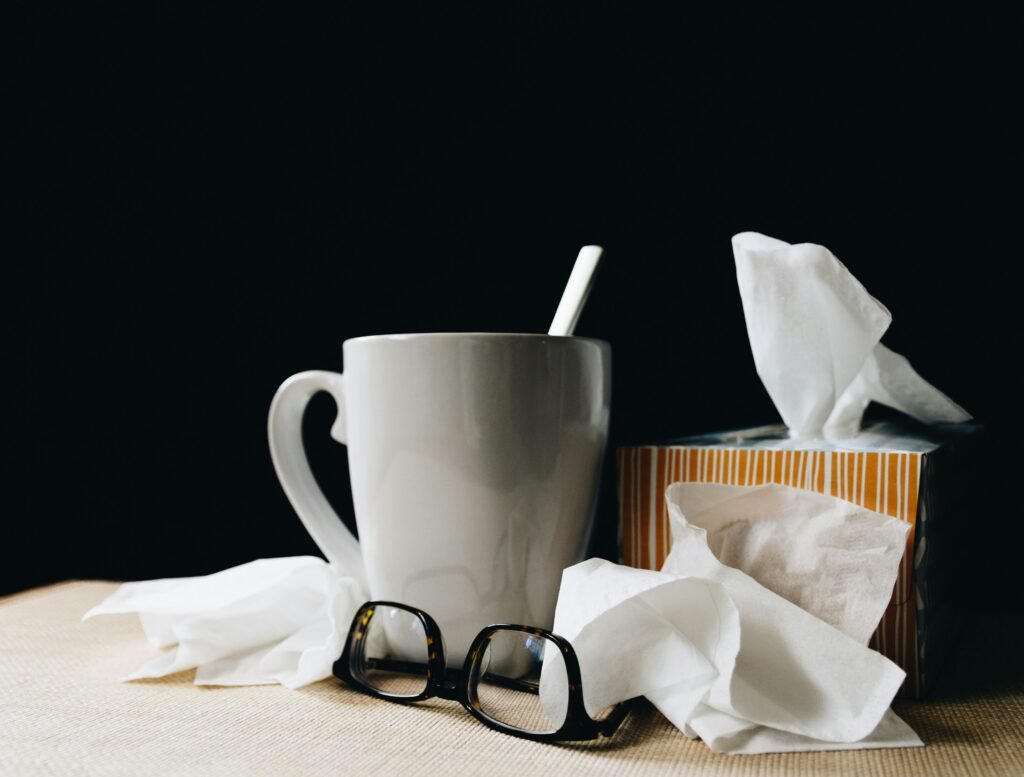
What Is the Difference Between the Flu and a Cold?
The common cold and influenza (flu) are both respiratory illnesses, but they are caused by different viruses and can affect us differently.
They may share some symptoms, including:
- Runny or stuffy nose
- Sneezing
- Body aches
- Fatigue
- Cough
- Sore throat
Generally, flu symptoms tend to be more sudden and severe than those of a common cold. Influenza can also lead to complications such as pneumonia, particularly among people who are at higher risk.
What Are the Common Symptoms?
Cold and flu symptoms can vary from person to person. Some symptoms may appear gradually, while influenza often begins more suddenly.
Nasal symptoms may include:
- Congestion
- Sinus pressure
- Runny nose
- Stuffy nose
- Sneezing
- Watery nasal discharge
- Postnasal drip
Other symptoms may include:
- Watery eyes
- Headache
- Sore throat
- Cough
- Fatigue
- Chills
- Body aches
- Fever
When you’re working, even something as simple as a headache and constant nasal congestion can make it difficult to concentrate and perform your usual tasks.
Can you imagine sitting in the office while constantly sneezing, sniffing, coughing, and dealing with a pounding headache? Urgh! This is definitely one of those illnesses that can make you feel miserable even when it doesn’t seem particularly serious.
How Do These Viruses Spread?
Respiratory viruses can spread through droplets and particles released when an infected person coughs, sneezes, talks, or breathes. Influenza can also spread through contaminated hands.
This means infection can happen when we are in close contact with someone who is sick or when contaminated hands come into contact with our eyes, nose, or mouth.
That is why simple habits such as washing our hands, covering our mouths when coughing or sneezing, and avoiding close contact with sick people can make a difference.
Who Is Most at Risk?
Influenza can affect anyone, but some people have a higher risk of developing severe complications.
According to the World Health Organization, those at higher risk include:
- Pregnant women
- Children under 5 years old
- Adults aged 65 and older
- People with chronic medical conditions such as asthma, heart or lung disease, and diabetes
- People with weakened immune systems
- Health and care workers who have increased exposure to influenza
If you belong to one of these groups, it is particularly important to discuss influenza prevention and vaccination with your healthcare professional.
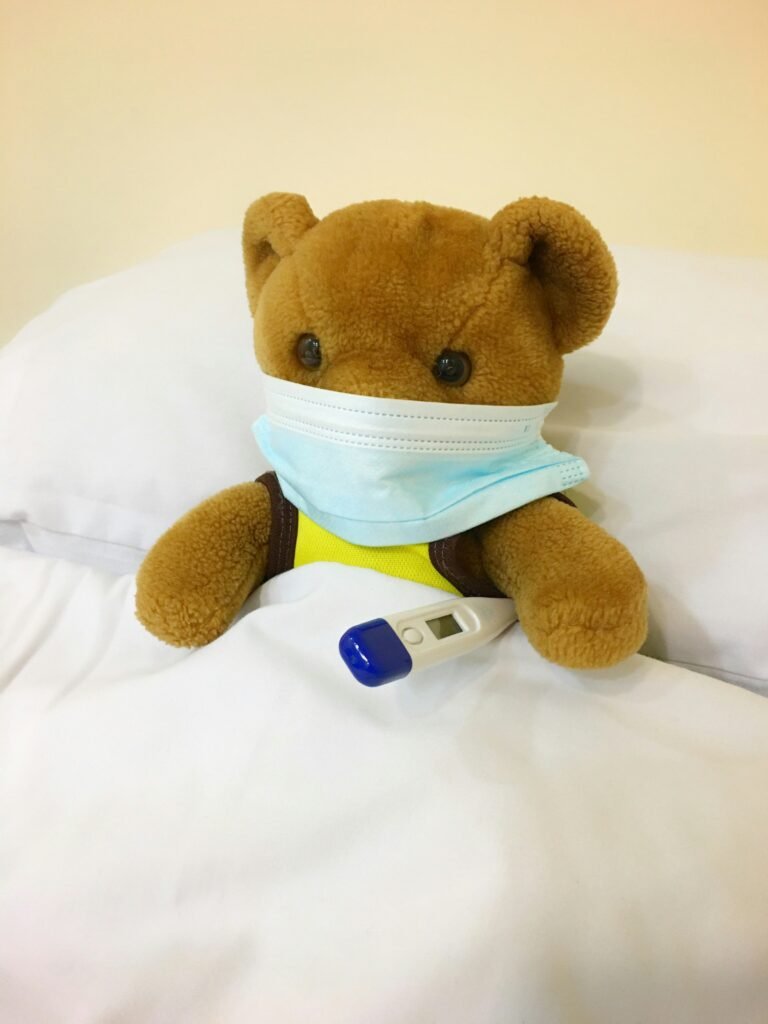
Simple Ways to Help Protect Yourself
There is no single trick that can guarantee you won’t get sick. However, there are several practical habits that can help reduce your risk.
1. Wash Your Hands Regularly
One of the simplest ways to help prevent the spread of respiratory infections is proper hand hygiene.
Wash your hands regularly with soap and running water, especially after coughing, sneezing, blowing your nose, using public facilities, or before eating. If soap and water are unavailable, an alcohol-based hand sanitizer can be useful.
Remember: clean hands can help protect not only you, but also the people around you.
2. Avoid Touching Your Eyes, Nose, and Mouth
Our hands come into contact with countless surfaces throughout the day.
Try to avoid touching your eyes, nose, and mouth with unwashed hands because respiratory viruses can enter the body through these areas.
3. Avoid Close Contact With Sick People
If someone around you is sick, give them, and yourself, a little space.
Influenza spreads easily, particularly in crowded environments and through close contact.
Of course, this doesn’t mean you should abandon someone who is sick. You can still care for them while practicing good hygiene and taking reasonable precautions.
4. Take Care of Your Overall Health
A healthy lifestyle cannot guarantee that you will never catch a cold or flu, but it can contribute to your overall well-being.
Try to:
- Get enough sleep.
- Exercise regularly.
- Eat a balanced and nutrient-rich diet.
- Drink enough fluids.
- Limit excessive alcohol and other unhealthy habits.
- Give your body enough time to rest.
Rather than relying solely on supplements, focus on the basics: sleep, nutrition, movement, hygiene, and rest.
5. Consider Getting Your Annual Flu Vaccine
This is one important update I would definitely make to the original article.
The flu vaccine isn’t a “natural” remedy, but it belongs in an article about preventing influenza because vaccination is the best way to prevent flu and reduce the risk of severe illness and complications. WHO recommends annual vaccination, particularly for people at higher risk.
If you’re unsure whether vaccination is appropriate for you, speak with your doctor or healthcare provider.
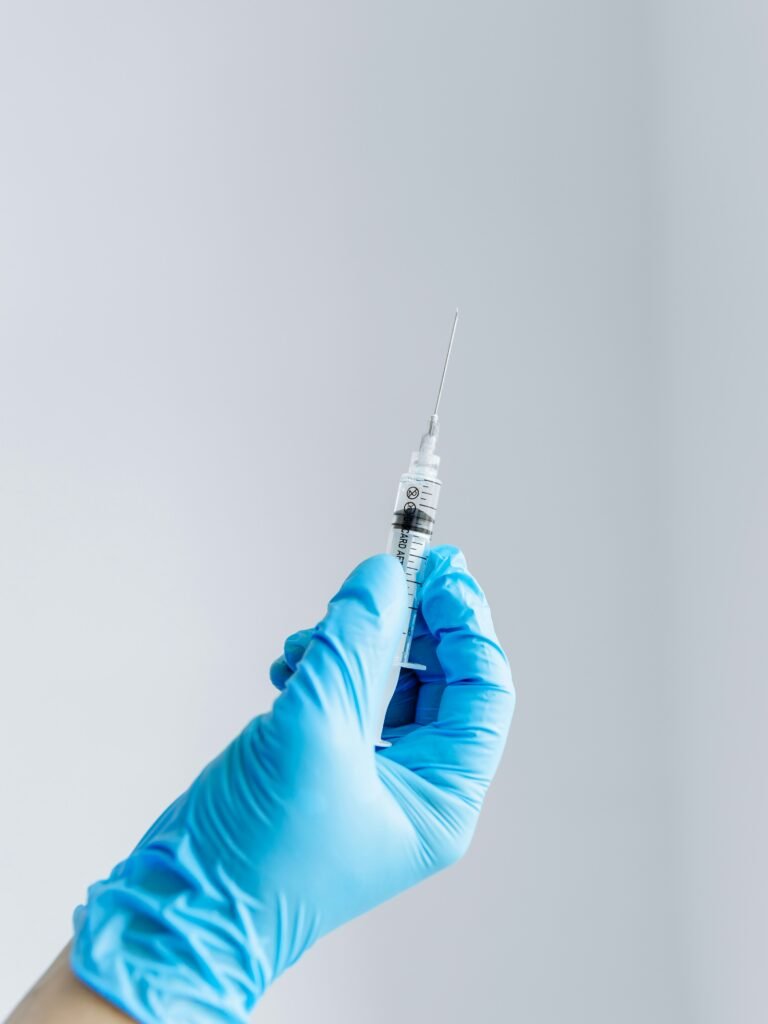
How to Protect Others
Prevention isn’t only about protecting ourselves. It’s also about protecting our families, coworkers, friends, and vulnerable members of our community.
1. Stay Home When You’re Sick
If you’re feeling unwell, staying home when possible helps reduce the chance of passing the virus to others.
2. Cover Your Mouth and Nose
When coughing or sneezing, cover your mouth and nose with a tissue and dispose of it properly. If you don’t have a tissue, cough or sneeze into your elbow rather than your hands.
3. Wash Your Hands After Coughing or Sneezing
This simple habit can prevent viruses from spreading to surfaces and other people.
4. Clean Frequently Touched Surfaces
Regularly cleaning frequently touched surfaces can help reduce the spread of respiratory viruses, particularly in shared environments.
5. Improve Ventilation
Fresh air matters too. Opening windows and improving indoor ventilation can help reduce the risk of respiratory virus transmission, particularly in enclosed spaces.
What Can You Do When You Already Have a Cold or Flu?
Unfortunately, sometimes we do everything right and still get sick.
When that happens, the goal is to give your body time to recover.
1. Stay Hydrated
Drink enough fluids throughout the day. Water, soup, and other suitable fluids can help you stay hydrated while you’re recovering.
2. Get Plenty of Rest
Don’t underestimate the importance of sleep and rest. Your body needs time to recover.
3. Eat Nutritious Food
You don’t need a complicated diet. Choose nutritious foods that are easy for you to tolerate, such as fruits, vegetables, soup, and other balanced meals.
4. Try Warm Drinks
A warm drink can be comforting when you have a sore throat or congestion. Warm tea or soup can be a simple addition to your recovery routine.
5. Take a Warm Shower or Bath
A warm shower can feel relaxing when you’re experiencing mild body aches or congestion.
6. Avoid Smoking
Smoking can harm respiratory health and is especially unhelpful when you are dealing with a respiratory infection. If you smoke, getting support to quit can benefit your health far beyond the flu season.
A Note About “Natural” Remedies
One thing I would change from the original article is the wording “natural and proven ways.”
Some traditional remedies and healthy habits may help with comfort or reduce exposure to infection, but they should not be presented as guaranteed ways to prevent or cure influenza.
For example, drinking plenty of fluids and getting adequate rest are sensible ways to support recovery, but they don’t replace medical treatment when it is needed.
Likewise, antibiotics do not treat viral infections such as colds or influenza and should not be taken unnecessarily.
If your symptoms are severe, getting worse, or you belong to a high-risk group, it is best to seek medical advice.
Conclusion
Getting sick is sometimes unavoidable, but there are many things within our control.
Wash your hands. Get enough rest. Eat well. Stay active. Avoid close contact with people who are sick. Keep your surroundings clean and well ventilated. And when appropriate, consider getting your annual flu vaccination.
Most importantly, don’t wait until you’re already sick before taking care of yourself.
Prevention begins with the small things we do every day.
And here’s a little confession from the original author…
Author’s Note
Ironically, I was actually suffering from the flu when I finished writing this article! I was even on sick leave from work.
It had already been a week since I got sick, and I still hadn’t been able to publish this post. But finishing it while I was recovering felt like a small achievement.
It also reminded me of something important: we often don’t realize how much illness affects our daily lives until we experience it ourselves.
Taking supplements alone isn’t enough to guarantee good health. We also need to practice good hygiene, maintain healthy habits, get enough rest, and pay attention to our bodies.
Sometimes, the best reminder to take care of ourselves is the moment when we don’t feel well.
Sources
For the updated version, I’d keep the sources section short and direct, just as we did with your other health posts:
- World Health Organization (WHO) — Seasonal Influenza and flu prevention
- Centers for Disease Control and Prevention (CDC) — Flu prevention and respiratory illness guidance
- WHO — Five simple steps to protect against flu
WHO — Seasonal Influenza
WHO — How can I avoid getting the flu?
“Take care of your body. It’s the only place you have to live.”
“Dear friend, I pray that you may enjoy good health and that all may go well with you.”
— 3 John 1:2 (NIV)
Our health is one of God’s blessings that we sometimes take for granted until we become sick. Taking care of ourselves is not about trying to avoid every illness or living in fear; it is about being responsible with the body and life we have been given. May we learn to appreciate the simple things, clean hands, nutritious food, enough rest, fresh air, movement, and time with the people we love. And when we do become sick, may we also remember that resting and asking for help are not signs of weakness. They are part of taking care of ourselves. A healthier life begins with small choices made consistently, one day at a time.
10 Reasons Why You Should Have Plants in Your Room
10 Evidence-Based Reasons to Consider Drinking Green Tea
Published: January 29, 2020
Updated: August 2026





Great tips. Specially in this time when the world is witnessing a pandemic like corona virus. Prevention is the best cure. Good job!! Very helpful
Thank you very much. Hope this helps on informing everyone the ways we can do to prevent acquiring this disease, especially the deadly coronavirus.
Great tips that work!! 🙂
Thank you! Hope this helps.
That was such a detailed post on avoiding flu since it can be deadly if not treated in time.
That’s absolutely right as it may lead to serious problems if not treated early. So the most important thing is what we can do to prevent it from happening in the first place.
thanks so much for this informative tips shared, definitely helps to prevent flu for both kids & adults
cheers, siennylovesdrawing
You’re welcome. It is indeed important to always take care of your health.
The flu has been terrible in our area this year. My daughter got it and I immediately quarantined her to her room to keep the rest of us from getting sick. Somehow even with us not being vaccinated we managed to keep it to just my daughter.
That’s a great preventive measure to avoid other from acquiring the flu! Thank you for sharing your experience, hope this serves as an inspiration to others.
This is a great guide! Especially for kids these tips will be very useful.
Thank you! Hope this article helps.
This is really very helpful, I have flu this few this. Now am getting better
Good for you! We’re not hoping for a “next time”, but hope you can apply these tips to prevent getting sick again and when you got it the next time around.
Thanks for these useful tips, India is a country with a lot of flu issues. I will be following these tips in future.
You’re welcome. Our pleasure to share information to help you attain your goal of optimal health and wellness.
Great tips. Japan has have trouble with the flu over the years, but this year it is all about the coronavirus.
That’s true. Flu, no matter how we think, it can become a huge problem once it becomes pandemic and cause mortality rates to shoot up. Hope this article helps us to prevent acquiring the disease.
Such great tips. Flu is definitely a huge problem these days because of low immunities. These remedies help.
Thank you, we really hope this article helps on getting us informed about the preventive measures we can do to prevent acquiring the disease.
This is so important with the new virus going around.
It surely is highly significant for the current situation happening worldwide. Hope this article helps.
This is a great reminder. As a person with a transplant, I am hypervigilant about handwashing and the other tips you mention here. Thanks for spreading the word!
You’re welcome and thank you for sharing that too! Hope you maintain health and wellness always. Take good care of your health.
Every year, there are so many cases of the flu and you don’ know if you will get or not. I am going to use these tips to prevent the flu next season!
That’s true Aisasami! We really need to be aware on the precautions in order for us to avoid getting sick occasionally.
On this site I want to have only the sexiest body and sex!→
http://a.RUNHAI.ME/S94702rg
where did you read that is there spoilers?