
Losing weight and maintaining a healthy lifestyle can be challenging, especially when we’re surrounded by food throughout the day.
But what if the question isn’t only what you eat, but also when you eat?
That’s where intermittent fasting (IF) comes in.
Intermittent fasting has become increasingly popular because it focuses on when you eat rather than prescribing a specific list of foods. Depending on the approach, people alternate periods of eating with periods of fasting or restrict their daily eating to a particular time window.
Research suggests that intermittent fasting can help some adults lose weight and improve certain metabolic markers, particularly among people who are overweight or have obesity. However, it isn’t necessarily better than every other healthy eating pattern, and the long-term effects are still being studied.
So, what exactly is intermittent fasting, and what benefits might it offer?
What Is Intermittent Fasting?
Intermittent fasting is an eating pattern that alternates periods of eating with periods of fasting. Unlike a traditional diet, it doesn’t necessarily tell you what foods to eat. Instead, it focuses mainly on when you eat.
There are several different approaches, including:
- Time-restricted eating, where you eat within a specific daily time window
- 5:2 fasting, where you eat normally on most days and substantially reduce calorie intake on two days each week
- Alternate-day fasting, where fasting or substantial calorie restriction occurs every other day
- Periodic fasting, involving longer fasting periods on an occasional basis
One simple example is a 14:10 schedule:
- Finish dinner around 8 p.m.
- Fast overnight.
- Have your first meal around 10 a.m.
- Eat normally within the 10-hour eating window.
- Repeat the schedule the following day.
Another common approach is 16:8, where food is consumed within an eight-hour window and fasting takes place during the remaining 16 hours.
During a fasting period, people commonly drink water. Depending on the specific fasting plan, unsweetened tea or black coffee may also be included because they contain very few or no calories.
Why Do People Fast?
There are several reasons people try intermittent fasting.
Weight loss is one of the most common. Restricting the hours during which you eat can make it easier for some people to consume fewer calories overall. However, research suggests that intermittent fasting is not necessarily superior to continuous calorie restriction for weight loss. Its main advantage for some people may simply be that it is easier to follow.
Researchers are also interested in the metabolic changes that occur during fasting. As fasting continues, the body gradually shifts from relying primarily on recently consumed glucose toward using stored energy, including fat-derived fuels. This metabolic transition is one of the reasons fasting has attracted so much scientific interest.
However, some of the more dramatic claims about fasting—such as greatly extending human lifespan or preventing major diseases—are still being investigated and should not be presented as established facts.
Common Intermittent Fasting Methods
1. The 5:2 Method
You eat normally on five days of the week and substantially restrict calorie intake on the other two days.
The original version of the 5:2 approach commonly used approximately 500–600 calories on fasting days, although specific plans vary.
2. Alternate-Day Fasting
This approach alternates between normal eating days and fasting or significantly reduced-calorie days.
Some versions allow a small amount of food on fasting days, while stricter versions involve complete fasting.
3. Time-Restricted Eating
This is one of the most popular approaches.
You consume your daily food within a defined eating window and fast for the remaining hours.
Common examples include:
16:8: 16 hours fasting, 8 hours eating
14:10: 14 hours fasting, 10 hours eating
Some people choose an earlier eating window, while others prefer a later one.
4. One Meal a Day (OMAD)
OMAD involves consuming the day’s food within one main meal.
This is a much more restrictive approach than ordinary time-restricted eating and isn’t necessarily appropriate for everyone.
5. A 24-Hour Fast
Some people fast for an entire 24-hour period once or twice a week.
Because longer fasting periods can be more difficult and may increase the risk of side effects, they aren’t appropriate for everyone.
There’s no single fasting method that works best for everybody.
Health Benefits of Intermittent Fasting
1. May Help With Weight Loss
Weight loss is probably the most widely studied benefit of intermittent fasting.
Several systematic reviews have found that intermittent fasting can reduce body weight, particularly in adults with overweight or obesity. A 2024 umbrella review found high-quality evidence linking time-restricted eating with reductions in body weight and fat mass in overweight or obese adults.
However, intermittent fasting isn’t necessarily a magic shortcut.
A major 2026 Cochrane review found that, compared with regular dietary advice, intermittent fasting may result in little to no clinically meaningful difference in weight loss in adults with overweight or obesity.
So the most realistic conclusion is:
Intermittent fasting can work for weight loss, but it works best when it’s a sustainable eating pattern that helps you manage your overall calorie intake.

2. May Improve Metabolic Health
Intermittent fasting has been associated with improvements in several metabolic markers.
Research has found potential benefits involving:
- Fasting insulin
- Blood glucose
- HbA1c
- Triglycerides
- Body weight
- Waist circumference
A 2024 umbrella review found evidence supporting improvements in several metabolic outcomes, particularly among adults with overweight or obesity.
Research in adults with prediabetes or type 2 diabetes has also found reductions in body weight and some measures of blood sugar control.
3. May Improve Insulin Sensitivity
Some studies have found that time-restricted eating can improve insulin sensitivity.
For example, early time-restricted eating has been studied in adults with prediabetes, with researchers reporting improvements in insulin sensitivity even without major weight loss.
That said, the effect isn’t guaranteed, and people taking diabetes medication need to be especially careful because fasting can affect blood glucose levels.
4. May Help Reduce Belly Fat
Reducing overall body weight can also reduce abdominal fat.
Research on time-restricted eating and intermittent fasting has reported reductions in waist circumference and visceral fat in some groups.
Still, you can’t specifically “spot reduce” belly fat simply by choosing a fasting schedule.
A consistent calorie deficit, healthy food choices, physical activity, sleep, and long-term adherence all matter.

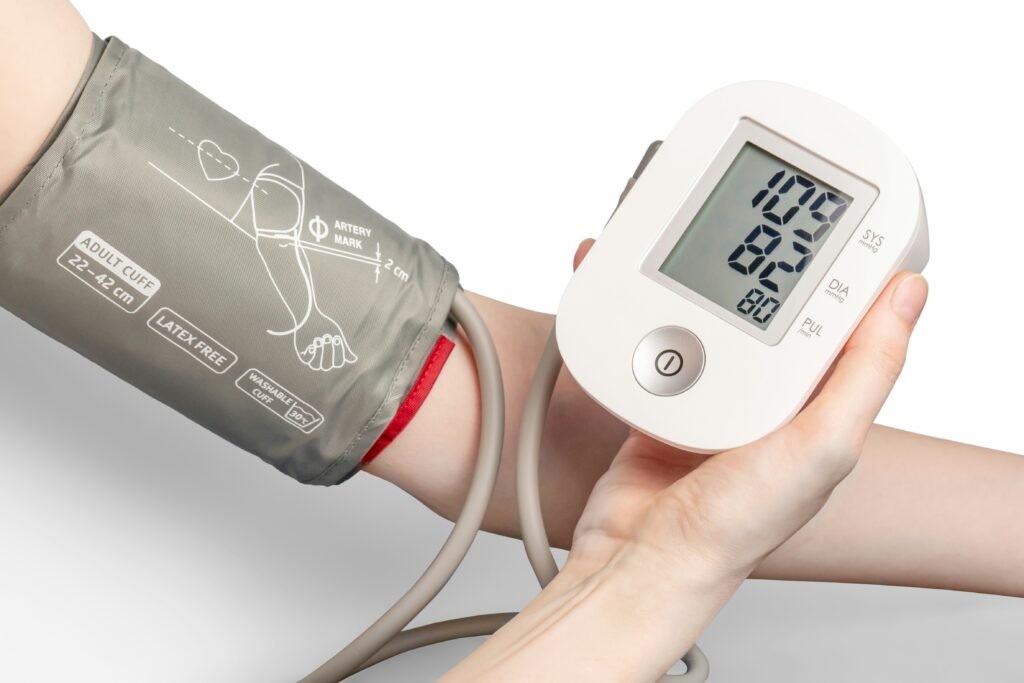
5. May Help Lower Blood Pressure
Some studies suggest that intermittent fasting can reduce blood pressure.
A 2025 systematic review found reductions in both systolic and diastolic blood pressure among adults with overweight or obesity following intermittent fasting, although individual responses varied.
This may partly result from weight loss and improved metabolic health.
However, intermittent fasting should not be considered a substitute for blood-pressure medication when medication is medically necessary.
6. May Improve Cholesterol and Triglycerides
Certain fasting patterns have been associated with improvements in blood lipids.
The evidence is particularly promising for some 5:2 and time-restricted eating approaches, although the magnitude of the effect varies among studies.
A healthy diet and regular physical activity remain important parts of maintaining healthy cholesterol levels.
7. May Reduce Oxidative Stress
Researchers are also interested in how fasting affects oxidative stress, which occurs when reactive molecules overwhelm the body’s antioxidant defenses.
Some human research suggests that certain intermittent-fasting approaches may improve markers related to oxidative stress and metabolic health.
However, this is still an active area of research, and we shouldn’t assume that fasting automatically protects every cell in the body.
8. May Support Healthy Aging
Fasting and calorie restriction have produced interesting results in laboratory animals, including changes in metabolic health and lifespan.
But here’s an important distinction:
Results in mice and other animals do not automatically mean the same thing happens in humans.
The National Institute on Aging has emphasized that scientists still need more research to understand the long-term safety and effectiveness of fasting in people, including adults who are not overweight and older adults.
So rather than saying intermittent fasting “extends human life,” it is more accurate to say that healthy aging is an area of ongoing research.
9. May Help Preserve Lean Mass During Weight Loss
Whenever you lose weight, you may lose a combination of fat mass and lean mass.
Intermittent fasting doesn’t automatically prevent muscle loss.
Some studies suggest that combining intermittent fasting with adequate protein intake and resistance training may help preserve lean mass, but the results vary.
If maintaining muscle is a priority, don’t focus only on the fasting schedule.
Strength training and adequate protein matter too.

10. May Support Brain Health
Animal studies have found interesting effects of fasting on processes such as neuroplasticity, cellular stress resistance, and brain metabolism.
These findings are promising, but many of the stronger claims about fasting preventing Alzheimer’s disease or dramatically increasing the production of new brain cells remain unproven in humans.
So rather than saying fasting “creates more brain cells,” I’d phrase it more carefully:
Intermittent fasting is being studied for its potential effects on brain health and cellular processes.
More human research is needed before we can make strong recommendations.
11. May Influence Inflammation
Chronic low-grade inflammation is associated with a wide range of health problems.
Some studies suggest intermittent fasting may influence inflammatory pathways and markers of inflammation.
However, inflammation is complex, and fasting is certainly not the only way to address it.
A healthy diet, regular exercise, adequate sleep, stress management, and avoiding smoking remain important.
12. May Help With Appetite and Eating Patterns
One practical benefit of intermittent fasting is that it can create clear boundaries around eating.
For some people, having a defined eating window may reduce constant snacking and make them more aware of when they are actually hungry.
For others, however, fasting can lead to intense hunger or overeating once the eating window begins.
So this benefit is very individual.
If fasting makes you obsess about food all day, it may not be the right eating pattern for you.

13. May Improve Blood Pressure and Other Cardiometabolic Measures
Some studies have reported improvements in blood pressure, insulin sensitivity, and lipid profiles even when changes in body weight were modest.
However, the results vary considerably depending on the fasting method, duration, eating window, and characteristics of the participants.
This is why there isn’t one universal fasting protocol that can be recommended for everyone.
14. May Influence Sleep
Research into fasting and sleep is still developing.
Eating very late at night may interfere with sleep for some people, while moving food intake earlier in the day may fit more closely with the body’s circadian rhythms.
However, the relationship between fasting and sleep is not yet fully understood.
If fasting makes you hungry, restless, or uncomfortable at bedtime, it may not improve your sleep at all.

15. May Affect Hormonal and Cellular Processes
Fasting influences several hormones and cellular pathways involved in energy metabolism.
Researchers have investigated effects on:
- Insulin
- Growth hormone
- AMPK
- mTOR
- Cellular repair pathways
- Autophagy
These mechanisms are scientifically interesting, but it is important not to turn a biological mechanism into a guaranteed health benefit.
For example, the fact that fasting influences autophagy does not mean that fasting will automatically “detox” your body or prevent disease.
16. Can Encourage More Mindful Eating
One thing I personally find interesting about time-restricted eating is that it can make you more aware of why and when you eat.
Have you ever reached for a snack simply because you’re bored?
Or grabbed something from the kitchen while watching television even though you weren’t actually hungry?
A structured eating window may help some people distinguish between true hunger and habitual snacking.
But again, this isn’t universal.
For some people, a rigid eating window can make food-related thoughts even more intense.
17. May Be Associated With Longer Lifespan in Animal Studies
This is one of the claims that needs the biggest “asterisk.”
Intermittent fasting and calorie restriction have extended lifespan in some animal studies.
That does not mean researchers have proven that intermittent fasting will make humans live longer.
Human longevity is influenced by countless factors, including genetics, physical activity, smoking, alcohol use, cardiovascular health, social factors, and access to healthcare.
So, for now, lifespan extension should be considered an area of research—not a guaranteed benefit of intermittent fasting.
Is Intermittent Fasting Safe?
For many healthy adults, intermittent fasting can be a reasonable eating pattern.
But it isn’t suitable for everyone.
People who should be particularly cautious or seek medical advice before fasting include:
- Pregnant or breastfeeding women
- Children and adolescents
- People with a history of eating disorders
- People who are underweight or malnourished
- People taking medications that can cause low blood sugar
- People with certain chronic medical conditions
- Older adults who may be at risk of inadequate nutrition
- Anyone who becomes dizzy, weak, faint, or unwell while fasting
The National Institute on Aging emphasizes that there is still insufficient evidence to recommend fasting diets broadly to the public, particularly because long-term safety and effectiveness remain uncertain for many populations.
Possible Side Effects
Some people experience:
- Hunger
- Irritability
- Headaches
- Fatigue
- Dizziness
- Difficulty concentrating
- Constipation
- Feeling unusually cold
- Reduced exercise performance
A 2024 meta-analysis of randomized trials in adults with overweight or obesity did not find a significant overall increase in fatigue or headaches compared with control diets, although dizziness was somewhat more common in some fasting groups.
Your response may also depend on the type of fasting schedule you’re following.
Important: Fasting and Medications
This is particularly important for people with diabetes.
Changing when you eat can affect blood glucose levels and may change how certain medications need to be taken.
Never change the dose or timing of your medication simply because you started intermittent fasting.
Discuss the plan with your doctor or healthcare team first.
Tips for Trying Intermittent Fasting
If you’ve decided that intermittent fasting might fit your lifestyle, start gradually rather than jumping immediately into a very restrictive schedule.
1. Start with a manageable eating window
A 12:12 schedule may be easier to begin with than a 20-hour fast.
2. Focus on nutritious meals
Fasting doesn’t cancel out the importance of what you eat.
Make your meals rich in:
- Vegetables
- Fruits
- Whole grains
- Lean protein
- Beans and legumes
- Nuts and seeds
- Healthy fats
3. Stay hydrated
Water is particularly important during fasting periods.
4. Don’t use fasting as an excuse to overeat
Breaking a fast with an enormous meal can leave you uncomfortable and may cancel out the calorie deficit you’re trying to create.
5. Keep exercising
A combination of aerobic activity and strength training can complement a healthy eating pattern.
6. Listen to your body
If you feel dizzy, faint, unusually weak, or unwell, stop fasting and seek appropriate medical advice.
7. Make it sustainable
The best eating pattern isn’t necessarily the one with the longest fasting period.
It’s the one you can follow safely and consistently.
My Experience With Intermittent Fasting
When I originally wrote this article, I had been practicing intermittent fasting for almost two years.
My routine was relatively simple.
I typically skipped breakfast on weekdays and kept weekends more flexible, especially when I wanted to enjoy some of my favorite comfort foods.
During the first few months, I lost more than 10 pounds and was able to maintain that weight.
I also personally felt that fasting helped me become more aware of my eating habits and made it easier to structure my meals around my work and exercise schedule.
However, my experience is exactly that… my experience.
It doesn’t mean that the same schedule will produce the same results for everyone.
Weight loss can be influenced by overall calorie intake, food quality, physical activity, sleep, stress, genetics, and many other factors.
So I’d encourage readers to use my experience as a personal example rather than a guarantee.
My Journey with Intermittent Fasting: How I Lost Weight and Made It Part of My Lifestyle
Final Thoughts
Intermittent fasting is neither a miracle diet nor a dangerous fad that everyone should avoid.
It’s simply one possible way of organizing your eating schedule.
For some people, it can make calorie control easier, reduce unnecessary snacking, and contribute to weight loss and improvements in certain metabolic markers. Research supports several of these potential benefits, particularly in adults with overweight or obesity.
But that doesn’t mean you need to fast to be healthy.
A balanced diet, regular exercise, adequate sleep, stress management, and sustainable habits remain the foundation of good health.
“Take care of your body. It’s the only place you have to live.”
“So whether you eat or drink or whatever you do, do it all for the glory of God.”
— 1 Corinthians 10:31
I think the biggest lesson I’ve learned from intermittent fasting is that there isn’t one perfect eating schedule for everybody.
Some people love having a defined eating window.
Others prefer three regular meals.
Both can be perfectly reasonable approaches.
The goal should not be to see how long you can go without eating.
The goal is to build a relationship with food that supports your health, your energy, your family life, and the things you enjoy doing.
So, before trying intermittent fasting, ask yourself:
“Will this make my life healthier and more sustainable—or simply more difficult?”
If it’s the former, it may be worth exploring with appropriate guidance.
And if it’s the latter, that’s okay too.
Healthy living isn’t about following the trend. It’s about finding what works safely for you. ❤️
Sources
- https://www.nia.nih.gov/health/calorie-restriction-and-fasting-diets-what-do-we-know
- https://www.nia.nih.gov/news/research-intermittent-fasting-shows-health-benefits
- https://pubmed.ncbi.nlm.nih.gov/39618023/
- https://pubmed.ncbi.nlm.nih.gov/39501676/
- https://pubmed.ncbi.nlm.nih.gov/38500840/
- https://pubmed.ncbi.nlm.nih.gov/41692034/
- https://pubmed.ncbi.nlm.nih.gov/38987755/
- https://pubmed.ncbi.nlm.nih.gov/38956175/
- https://pubmed.ncbi.nlm.nih.gov/40603635/
- https://jamanetwork.com/journals/jamainternalmedicine/fullarticle/2794819
- https://www.nejm.org/doi/full/10.1056/NEJMra1905136
- https://www.health.harvard.edu/blog/intermittent-fasting-surprising-update-2018062914156





Great content! Super high-quality! Keep it up! 🙂
Thank you Markhor! Hope it helps.
I heard about this theory but l never read samething about. It is a helpful article. I ll try to make by body better 😉
Thank you too Francy, hope this article helps!
It is intesting article. I heard about this theory but l never read about. I ll try 🙂
I would love to hear about your thoughts after trying this kind of diet.
Ok! I’m sold! I need to try fasting! So many benefits! I think I can manage the 16-8. Thank you for the info.
You’re welcome Joanna! I hope these tips help, however make sure to consult your doctor if you have any existing conditions that may interact with this kind of diet.