
Our lips are one of the most noticeable features of our face, yet they are often overlooked when it comes to daily skincare.
Unlike the rest of our skin, the skin on our lips is thinner, more delicate, and more vulnerable to dryness, sun exposure, cold weather, and irritation. Since our lips do not have oil glands, they can lose moisture easily and become dry, cracked, or flaky.
The good news is that keeping your lips healthy and beautiful doesn’t have to be complicated. A few simple habits, combined with proper hydration and protection, can make a big difference.
Whether you’re dealing with dry, chapped lips or simply want to maintain a soft and healthy-looking smile, here are 12 simple ways to take better care of your lips all year round.
How Is the Skin on Our Lips Different From Normal Skin?
It’s obvious that the skin on our lips is different from the rest of the skin on our body.
The skin on the lips is much thinner and more delicate than the skin on most other parts of the body. It also contains very little melanin, the pigment responsible for skin color, which allows the underlying blood vessels to show through and gives the lips their naturally pink or reddish appearance.
Another important difference is that the lips don’t contain sweat glands or oil glands. Because they cannot produce their own natural oils, they are more prone to losing moisture and becoming dry.
Why Are Our Lips So Sensitive?
Our lips contain a high concentration of sensory nerve endings, which makes them particularly sensitive to touch, temperature, and other sensations.
Because the skin is thin and delicate and lacks oil glands, the lips are also more easily affected by environmental factors such as cold weather, dry air, wind, and prolonged sun exposure.
This is why our lips can become dry, cracked, peeling, or irritated more easily than other areas of the skin.
What Causes Dry, Chapped Lips?
There are several reasons why you may experience dry or chapped lips:
- Constant lip licking can actually make your lips drier. As saliva evaporates, it can take additional moisture with it.
- Cold and dry weather can strip moisture from the lips and weaken their protective barrier.
- Certain medications may cause dry mouth or dry skin as a side effect. If you notice persistent dryness after starting a medication, talk to your healthcare provider.
- Irritating ingredients in lip products, including some fragrances, flavors, menthol, camphor, and other ingredients, may cause irritation or dryness in some people.
- Prolonged sun exposure can damage the delicate skin of the lips. Long-term exposure may contribute to actinic cheilitis, a condition that causes persistent dryness, scaling, or rough patches on the lips and should be evaluated by a healthcare professional.
With that in mind, let’s look at some simple tips we can follow to keep our lips healthy, soft, and beautiful throughout the year.
How to Maintain Beautiful, Healthy Lips All Year Round
1. Stay Hydrated
Staying hydrated is important for your overall health, and it can also help prevent your lips from becoming excessively dry.
When your body doesn’t receive enough fluids, dehydration can contribute to dry mouth and dry skin. Your individual fluid needs vary depending on factors such as your activity level, climate, age, and overall health.
Instead of following a strict water formula, simply make it a habit to drink fluids regularly throughout the day. Keep a reusable water bottle nearby so you can easily remember to hydrate.
Signs of dehydration may include:
- Feeling thirsty
- Having a dry mouth
- Headache
- Dizziness
- Darker-than-usual urine
Remember, hydration is important not only for your lips but for your entire body.

2. Eat a Healthy Diet
Healthy skin starts from within, and your lips are no exception.
Eating a balanced diet provides your body with the nutrients it needs to maintain healthy skin. Include a variety of:
- Leafy green vegetables such as spinach and kale
- Colorful fruits and vegetables
- Nuts and seeds
- Salmon, mackerel, and other fatty fish
- Berries such as blueberries, raspberries, and strawberries
- Lentils, peas, and beans
- Tomatoes
- Whole grains
It’s also a good idea to avoid consuming excessive amounts of very salty or spicy foods, especially if they tend to irritate your lips.
A nutritious diet won’t instantly transform your lips, but consistently eating well supports healthy skin from the inside out.

3. Try Gentle Natural Remedies for Dry Lips
There are several simple ingredients that may help soothe dry lips.
Honey
Honey has moisturizing and soothing properties and may help protect irritated skin. Apply a small amount to your lips and rinse gently afterward.
Cucumber
Cucumber contains a high amount of water and can provide a cooling and soothing sensation when applied to dry skin.
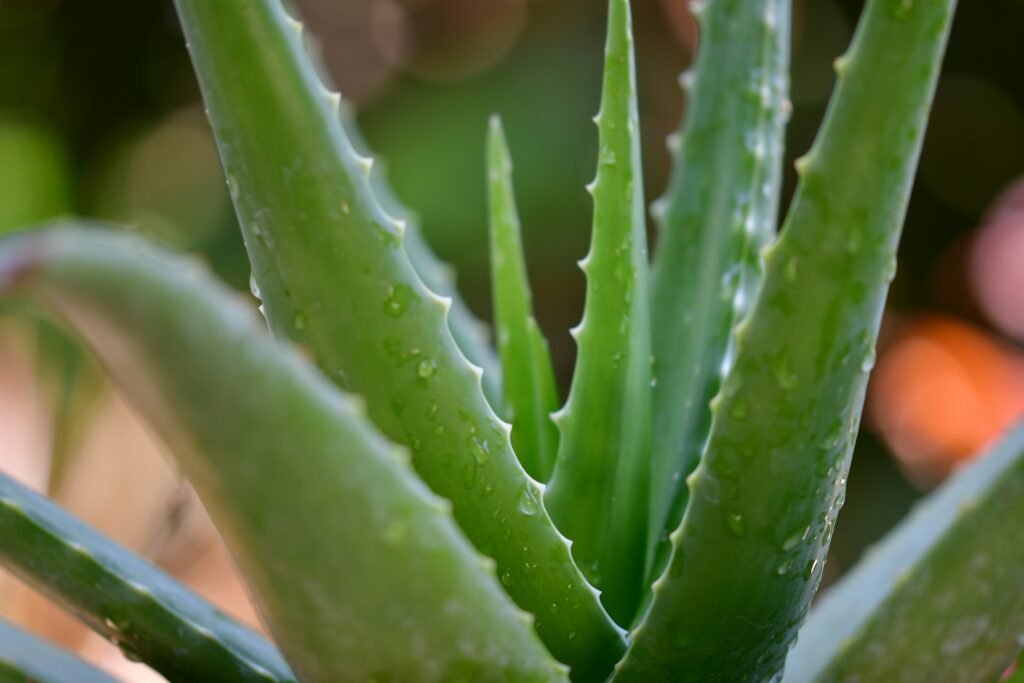
Aloe Vera
Aloe vera gel is commonly used to soothe irritated skin and may provide a cooling, moisturizing effect.
Coconut Oil
Coconut oil acts as an emollient, meaning it can help soften and smooth dry skin. A small amount can be applied to the lips when needed.
However, remember that natural does not always mean irritation-free. If you have sensitive skin, test a small amount first and stop using any ingredient that causes irritation.
4. Exfoliate Your Lips Gently
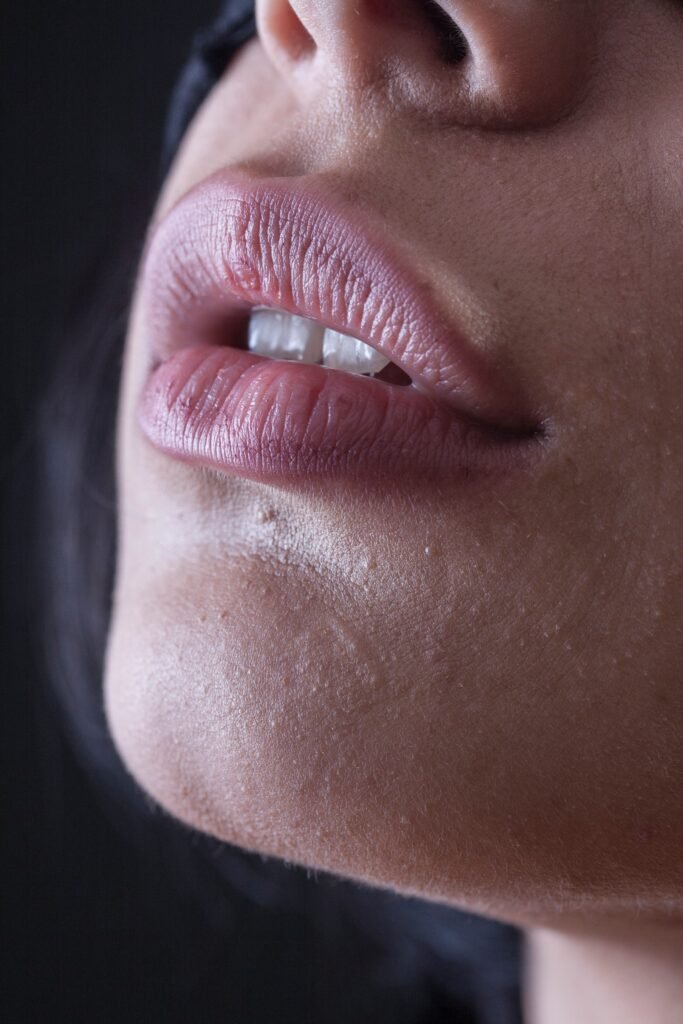
Dry lips can develop flakes and loose skin, but aggressive exfoliation can make the problem worse.
If your lips are healthy and only mildly flaky, you can occasionally use a very gentle lip exfoliator. Avoid harsh scrubbing, especially when your lips are cracked, bleeding, or irritated.
In many cases, simply keeping your lips moisturized is enough to allow dry skin to shed naturally.
Remember: You don’t need to scrub your lips aggressively to make them smooth.
5. Moisturize Your Lips
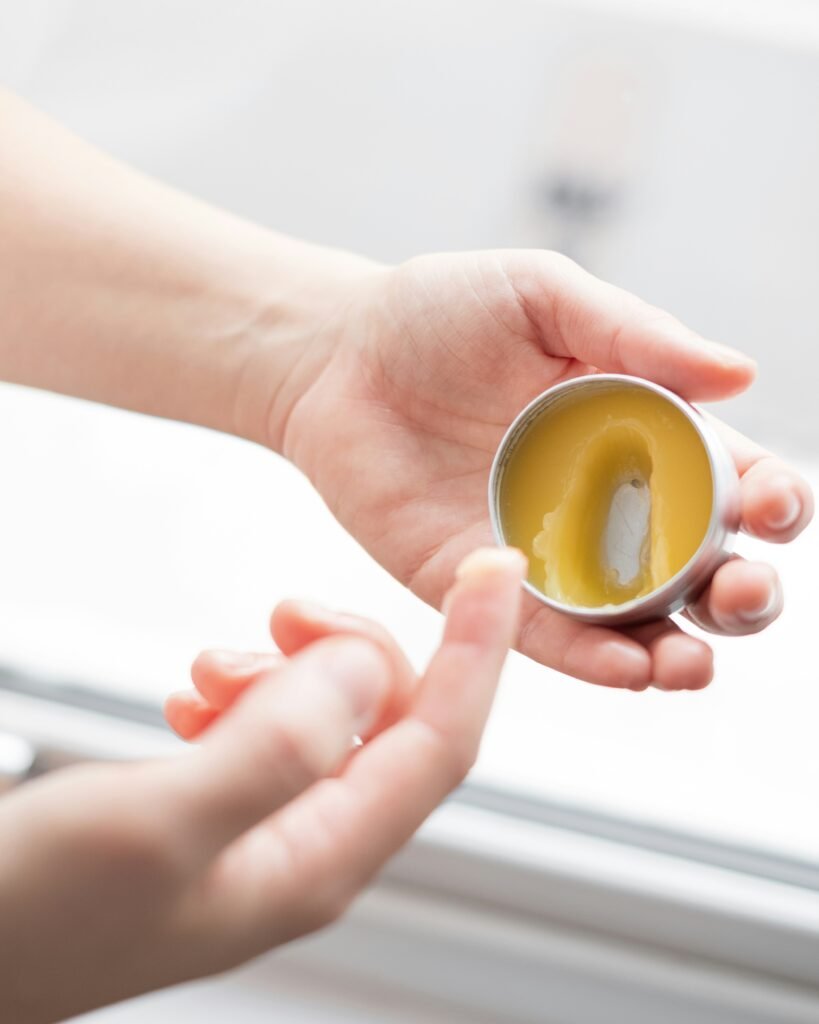
One of the simplest and most effective ways to maintain healthy lips is to keep them moisturized.
Look for lip balms or ointments containing ingredients such as:
- Petrolatum
- Ceramides
- Shea butter
- Beeswax
- Mineral oil
- Coconut oil
Thicker ointments can be particularly helpful for severely dry lips because they create a protective barrier that reduces moisture loss.
If a lip product causes burning, stinging, or irritation, stop using it and try another product.
6. Protect Your Lips From the Sun
Just like the rest of your skin, your lips need protection from ultraviolet (UV) radiation.
The lips have relatively little melanin, making them particularly vulnerable to sun damage.
When spending time outdoors, use a broad-spectrum lip balm with SPF 30 or higher and reapply regularly, especially after eating, drinking, or sweating.
You can also protect your lips by wearing a wide-brimmed hat and seeking shade when the sun is strongest.
Don’t forget your lips when applying your daily sun protection!

7. Use a Humidifier
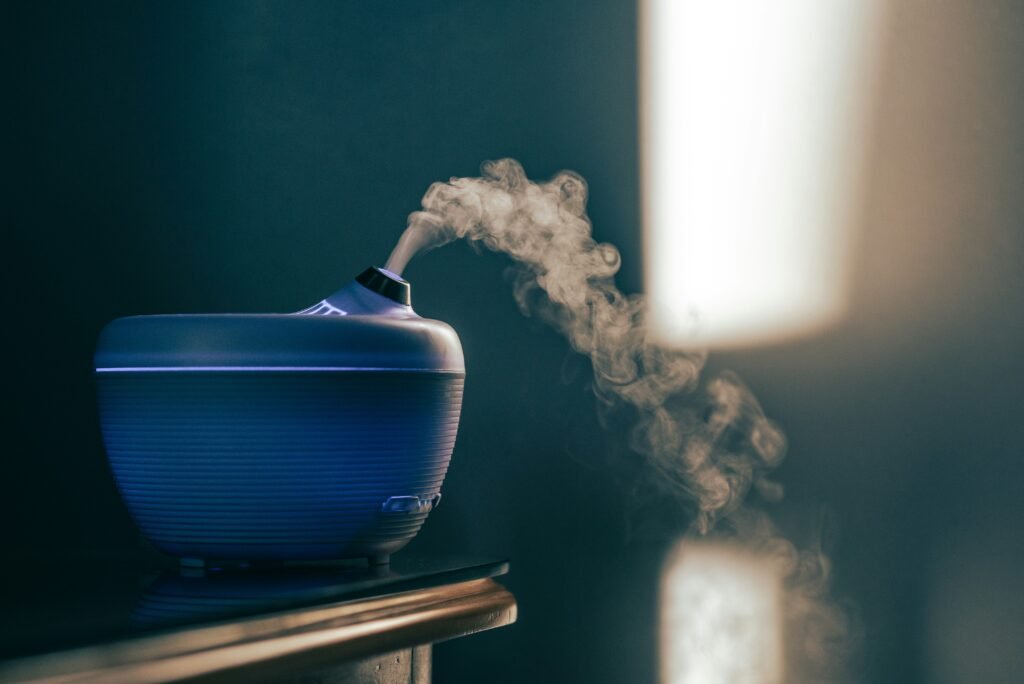
Dry indoor air can contribute to dry and chapped lips, particularly during the winter months when heating systems are running frequently.
A humidifier can add moisture to the air and may help prevent your skin and lips from becoming excessively dry.
If you use a humidifier, remember to clean it regularly according to the manufacturer’s instructions to prevent the growth of mold and bacteria.
8. Treat Cold Sores Properly
Cold sores are caused by the herpes simplex virus and commonly appear as small, painful blisters around the lips.
They can spread through close contact, including kissing and sharing items that have come into contact with saliva.
If you develop a cold sore:
- Apply a cold compress to help relieve discomfort.
- Avoid picking or touching the sore.
- Avoid sharing lip products, utensils, or drinks with others.
- Consider an over-the-counter treatment such as docosanol, which may help shorten the duration of a cold sore when used as directed.
If cold sores are frequent, severe, unusually painful, or don’t heal normally, consult a healthcare professional.
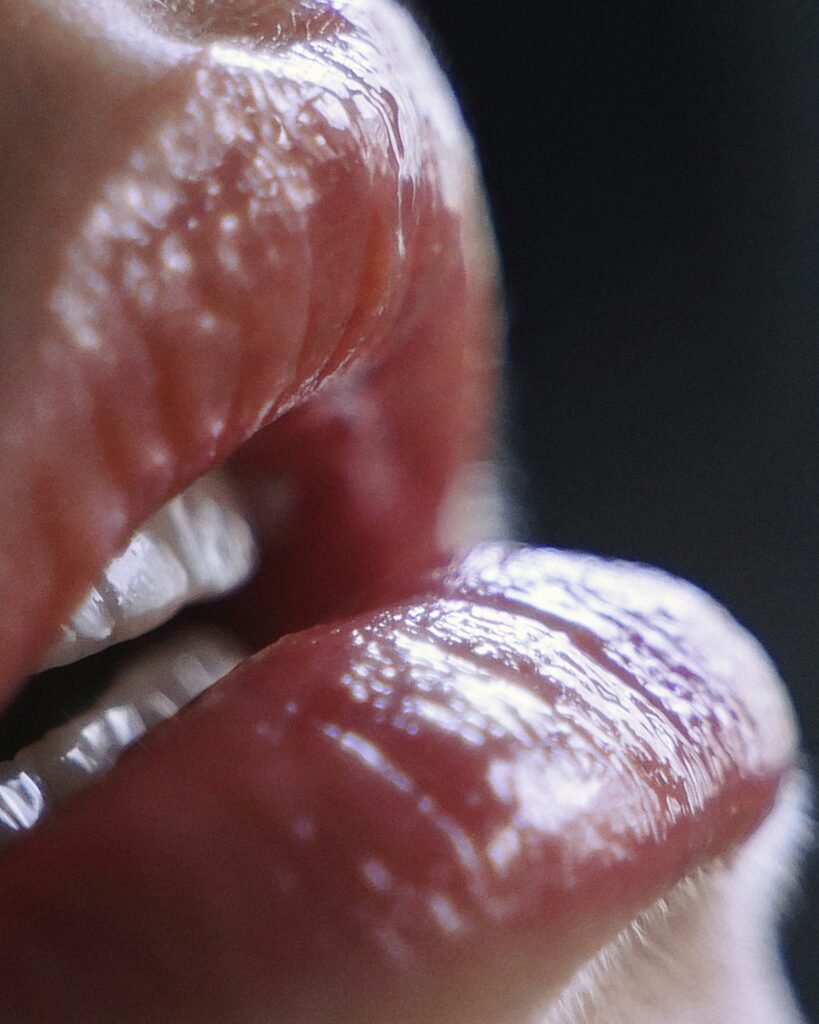
9. Choose the Right Lip Products and Read the Label
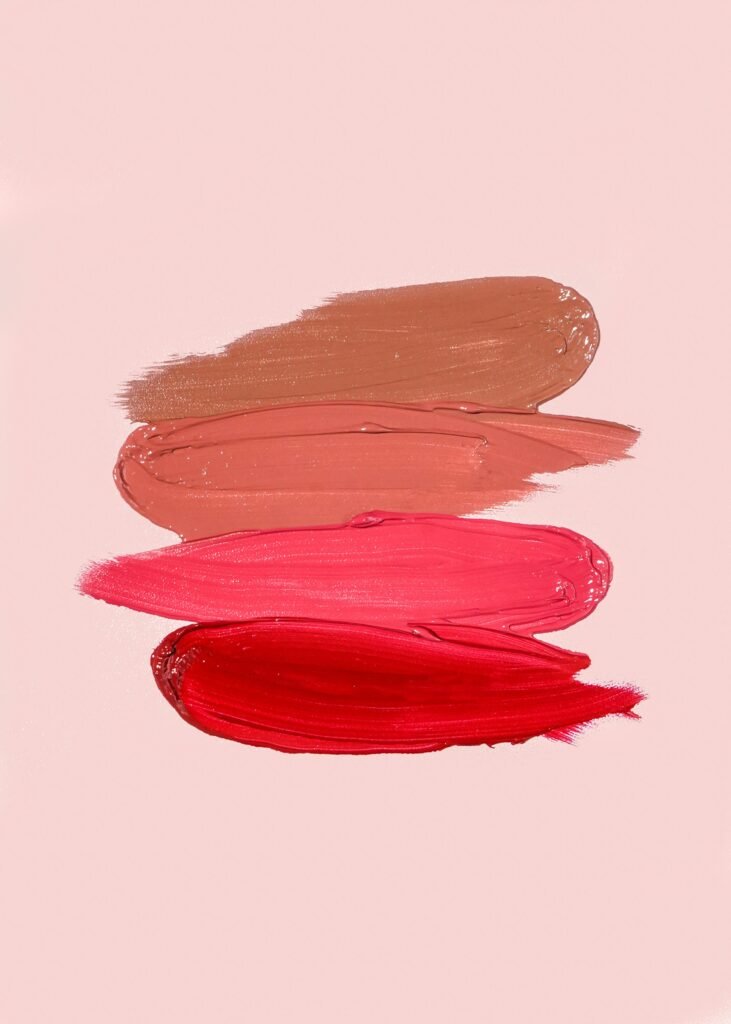
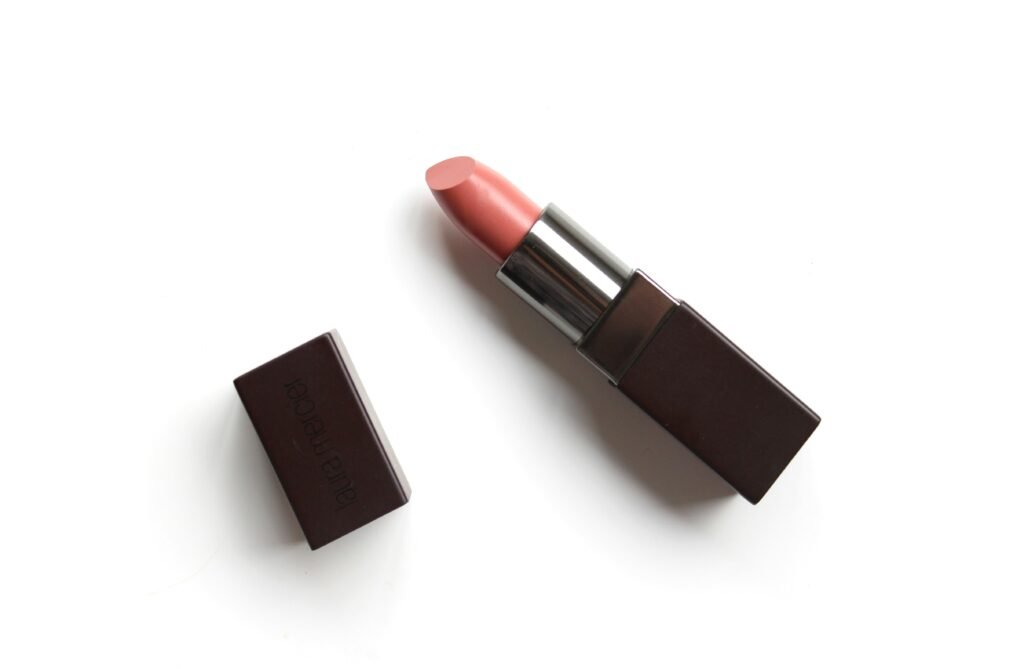
There are countless lip products available today, from balms and salves to creams, glosses, and lipsticks.
Take a moment to read the ingredients and pay attention to how your lips react to a product.
Some people may find ingredients such as menthol, camphor, fragrance, and certain flavoring agents irritating, particularly when their lips are already dry or damaged.
For moisturizing products, look for ingredients such as:
- Aloe vera
- Vitamin E
- Glycerin
- Shea butter
- Petrolatum
- Ceramides
- Beeswax
- Jojoba oil
If a product consistently makes your lips feel dry, burning, or irritated, it’s probably time to try something else.
10. Stop Licking Your Lips
It may seem natural to lick your lips when they feel dry, but this habit can actually make them even drier.
Saliva evaporates quickly, and repeated licking can interfere with the protective barrier of the lips.
Instead of licking your lips, drink some water and apply a moisturizing lip balm.
It may take some conscious effort at first, but breaking the habit can make a noticeable difference.

11. Be Careful With Matte Lipsticks
Matte lipsticks can create a beautiful look, but some formulas can be drying, especially when worn for long periods.
If your lips are already dry or chapped, consider using a moisturizing lipstick or lip gloss instead.
You can also apply a nourishing lip balm before your lipstick to help keep your lips comfortable.
There’s nothing wrong with wearing matte lipstick, just make sure your lips are properly moisturized and give them a break if they become dry or irritated.
12. Quit Smoking
Smoking can have a significant impact on your overall health as well as the appearance of your lips.
Smoking may contribute to:
- Dry and irritated lips
- Premature wrinkles around the mouth
- Changes in lip pigmentation
- Poor oral health
- Increased risk of oral and lip cancers
If you smoke, quitting is one of the best things you can do for your health.
Your lips, and your entire body, will thank you for it.

Final Thoughts
Beautiful lips aren’t simply about having the perfect lipstick or lip gloss. Healthy lips come from consistent care, protection, hydration, and healthy lifestyle choices.
You don’t need an expensive collection of beauty products to take good care of your lips. Sometimes, the simplest habits, drinking enough fluids, eating nutritious food, using a moisturizing lip balm, protecting your lips from the sun, and avoiding habits that cause irritation, can make the biggest difference.
And remember, everyone’s lips are naturally different. The goal isn’t perfection. It’s about keeping them healthy, comfortable, and well cared for.
If your lips remain persistently dry, cracked, painful, discolored, or develop unusual sores or rough patches despite proper care, don’t simply keep trying different products. It’s best to consult a healthcare professional to rule out an underlying condition.
“Take care of yourself. Your body, mind, and even your smile deserve the same kindness you freely give to others.”
“I praise you because I am fearfully and wonderfully made.”
— Psalm 139:14
Final Thoughts
Your lips don’t have to be perfect to be beautiful.
Take care of them, protect them, smile often, and remember that true beauty isn’t just about how you look, it’s also about how you care for the body you’ve been given.
A healthy smile is always beautiful. ❤️
10 Natural Ways To Keep Your Skin Glowing All Year Round
Valentine’s Day: Health Tips For A Healthy Heart
Love Yourself This Valentine’s Day: 13 Self-Care Tips
Originally Published: Febraury 18, 2020
Updated: August 2026