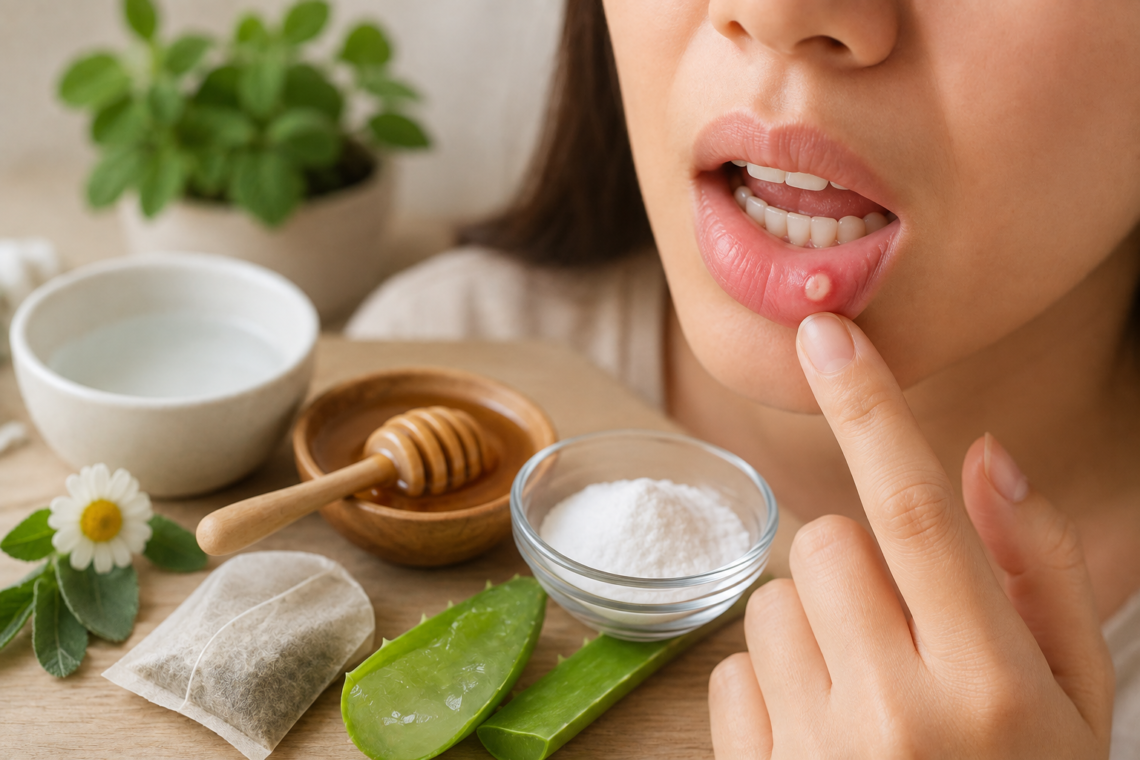
Canker sores, also known as mouth ulcers, can be incredibly painful and uncomfortable. Even something as simple as eating, drinking, or talking can become a struggle when you have one.
The good news is that most canker sores heal on their own within a week or two. However, there are several things you can do to ease the pain, support healing, and possibly reduce the chances of getting them again.
Canker sores can have different triggers, including stress, minor injuries inside the mouth, certain foods, nutritional deficiencies, and some underlying health conditions. Understanding what may be causing them can help you manage and prevent future outbreaks.
In this article, we’ll look at what canker sores are, their common causes and symptoms, some remedies that may provide relief, and simple ways to help prevent them.
What Is a Canker Sore?
A canker sore is a painful ulcer that develops on the soft tissues inside the mouth. It is often confused with a cold sore, but the two are different.
Cold sores are caused by the herpes simplex virus and commonly appear on or around the lips. Canker sores, on the other hand, occur inside the mouth and are not contagious.
They typically appear on the inside of the cheeks or lips, under the tongue, or on the gums. Sometimes, they can appear in clusters—which is especially unpleasant.
Symptoms
Typical symptoms of a canker sore may include:
- A small, round or oval white, yellowish, or grayish ulcer inside the mouth
- A red or inflamed border around the sore
- A stinging, burning, or tingling sensation
- Pain or discomfort when eating, drinking, or talking
More severe cases may be accompanied by:
- Fever
- Feeling generally unwell
- Swollen lymph nodes
Most canker sores are harmless and resolve without treatment. However, frequent, unusually large, or persistent sores may require medical or dental evaluation.
Common Causes and Triggers
The exact cause of canker sores is not always known. However, several factors have been associated with their development, including:
- Stress and anxiety
- Minor injuries inside the mouth, such as biting the tongue or cheek
- Dental procedures
- Braces or ill-fitting dental appliances
- Family history or genetics
- Certain medical conditions, such as celiac disease and inflammatory bowel disease
- Nutritional deficiencies, particularly iron, folate, vitamin B12, and sometimes zinc
- Hormonal changes
- Certain foods or food sensitivities
- Toothpastes or mouthwashes containing sodium lauryl sulfate (SLS)
- Stopping smoking
Some people also notice that certain foods trigger their canker sores. Common examples include citrus fruits, spicy foods, chocolate, nuts, cheese, and other acidic or irritating foods.
Women and younger adults may be more likely to experience recurring mouth ulcers.
How Long Do Canker Sores Last?
Most simple canker sores heal on their own within 7 to 14 days.
Larger or more severe ulcers can take considerably longer to heal and may sometimes leave a scar. If you frequently develop large sores or have an ulcer that does not heal, it is important to consult a doctor or dentist to determine whether an underlying condition may be contributing to the problem.
Canker Sore Remedies
Here are some remedies and treatments that may help relieve discomfort while your canker sore heals.
1. Baking Soda
Baking soda may help soothe irritation and can be used as a gentle mouth rinse.
How to use it:
- Dissolve 1 teaspoon of baking soda in 1/2 cup of warm water.
- Swish the solution gently around your mouth for 15–30 seconds.
- Spit it out.
- Repeat as needed.
Avoid applying dry baking soda directly to the sore because it may cause additional irritation.
2. Salt Water
A warm salt-water rinse is one of the simplest home remedies for mouth irritation. It may help keep the area clean and temporarily relieve discomfort.
How to use it:
- Dissolve 1 teaspoon of salt in 1/2 cup of warm water.
- Gently swish it around your mouth for 15–30 seconds.
- Spit it out.
- Repeat a few times a day as needed.
Do not swallow the solution.
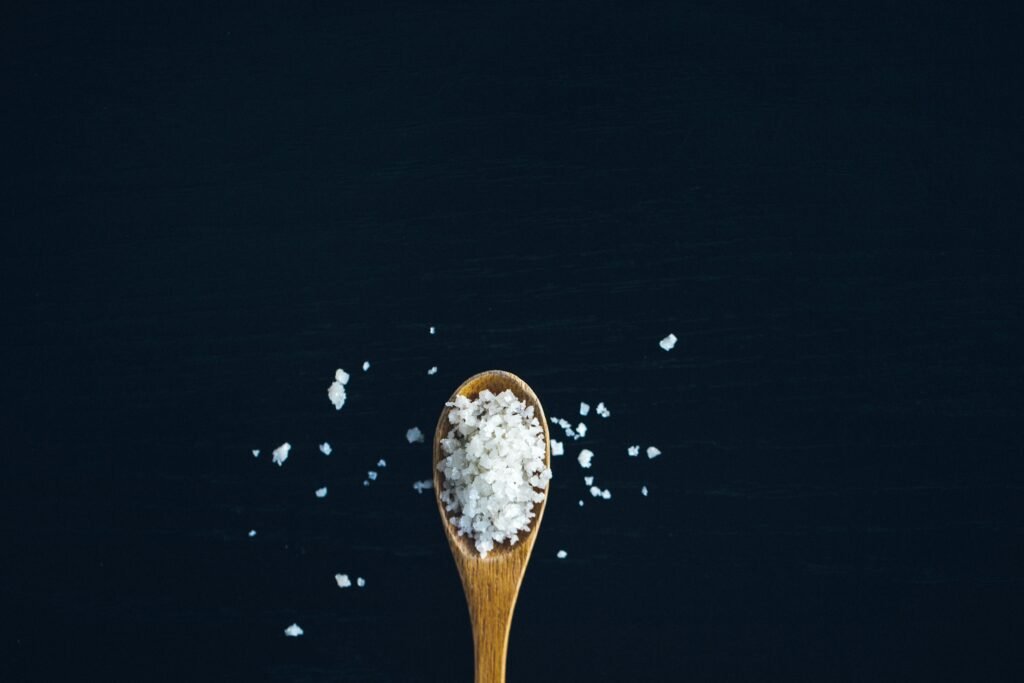
3. Alum Powder
Alum has astringent properties and is sometimes used as a traditional remedy for canker sores. However, it can irritate the mouth if used incorrectly.
If you decide to use alum, use only a very small amount and discontinue it if you experience significant irritation or pain.
4. Honey
Honey has antimicrobial and anti-inflammatory properties, and some studies have found that applying honey to oral ulcers may help reduce pain and promote healing.
You can apply a small amount of honey directly to the sore several times a day.
However, honey should not be given to children under one year of age.
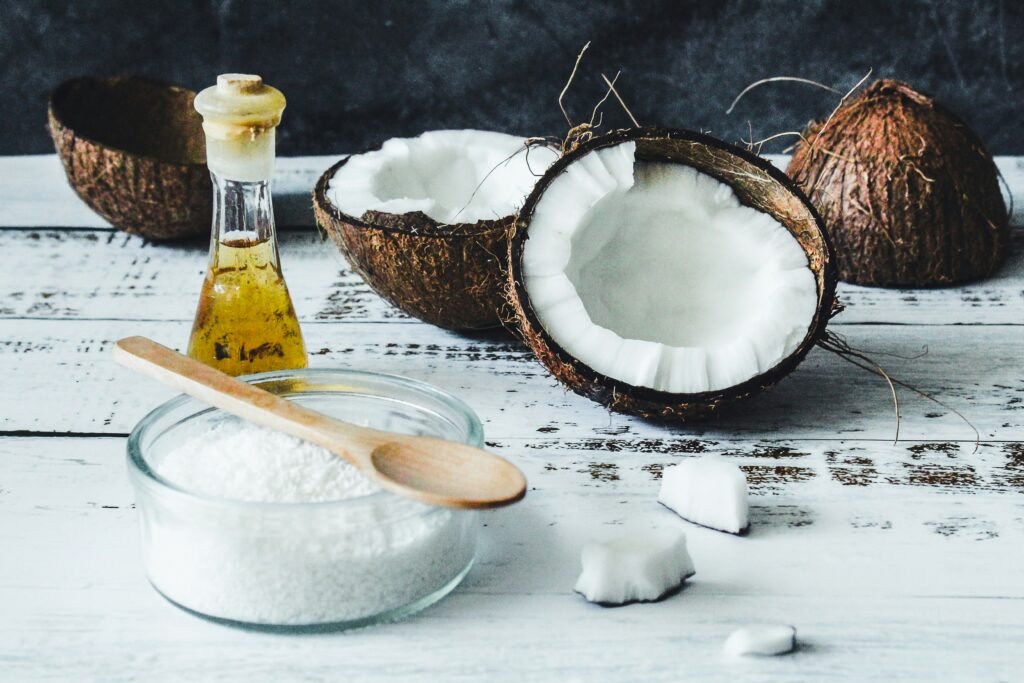
5. Coconut Oil
Coconut oil has antimicrobial and anti-inflammatory properties that may help soothe an irritated mouth.
Apply a small amount to the affected area several times a day if it feels soothing.
Keep in mind that evidence for coconut oil specifically treating canker sores is limited, so it should be considered a comfort measure rather than a proven cure.
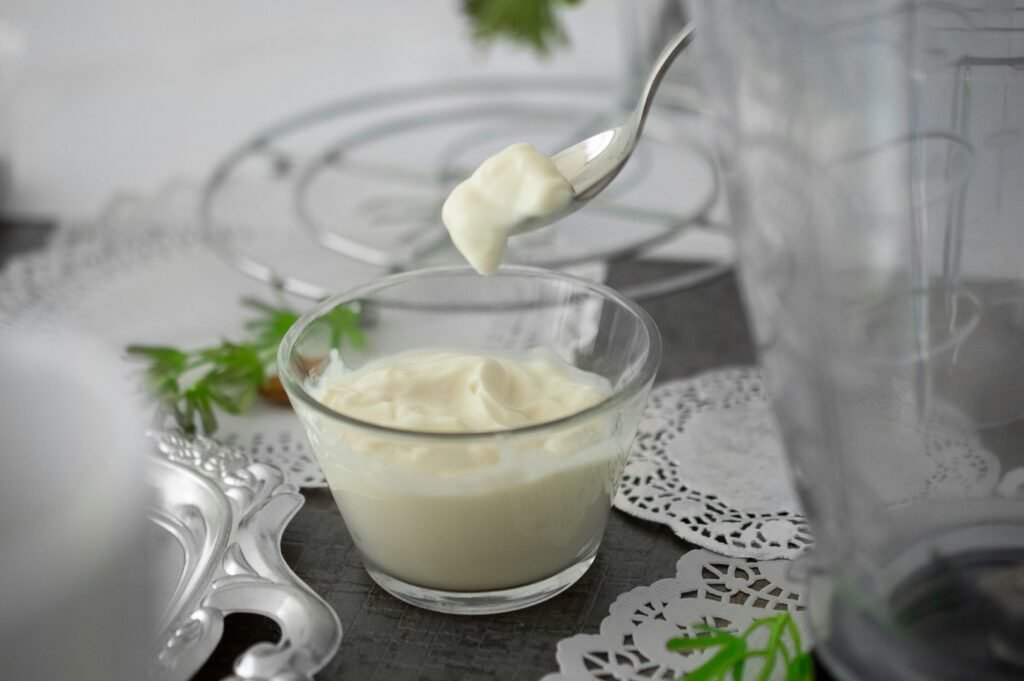
6. Yogurt
Yogurt containing live cultures can be part of a healthy diet and may support overall gut health.
However, the connection between probiotics and canker sores is not fully established. If you notice that dairy products trigger your mouth ulcers, it may be better to avoid them.
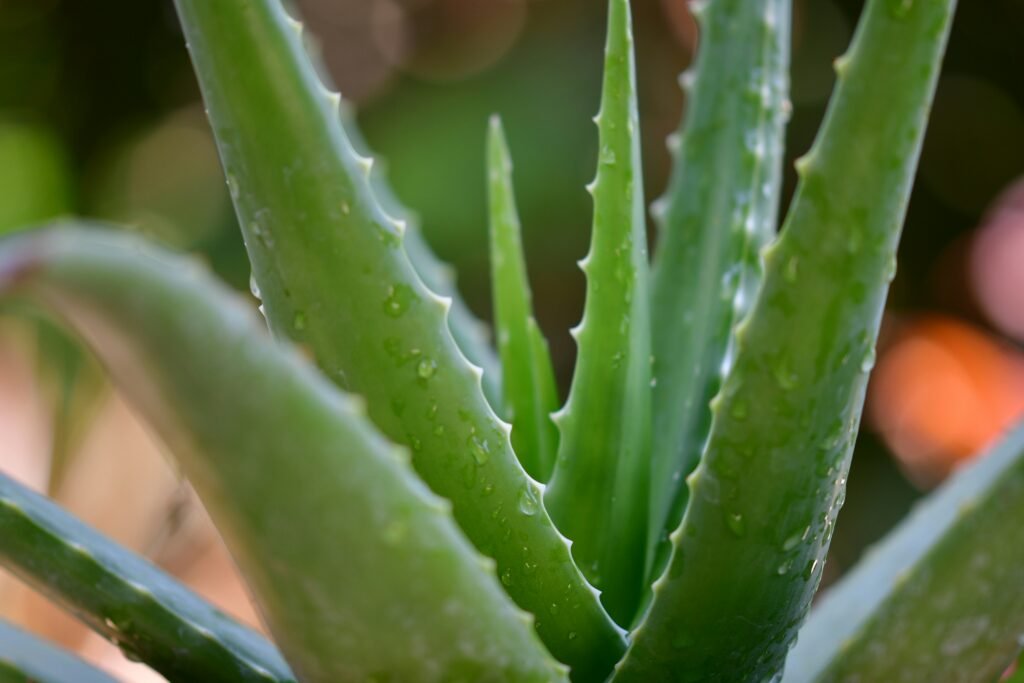
7. Aloe Vera
Aloe vera has soothing and anti-inflammatory properties and may provide some relief from oral irritation.
If using aloe vera, make sure the product is specifically intended for oral use. Do not use cosmetic aloe vera gels or products containing ingredients that are unsafe to ingest.
8. Milk of Magnesia
Milk of magnesia contains magnesium hydroxide and is sometimes used as a protective coating for mouth ulcers.
How to use it:
- Apply a small amount to the sore with a clean cotton swab.
- Allow it to remain for a short time.
- Follow the product instructions and rinse your mouth afterward if appropriate.
- Repeat as directed.
Do not swallow excessive amounts, and check with a healthcare professional if you have any medical conditions or take medications.
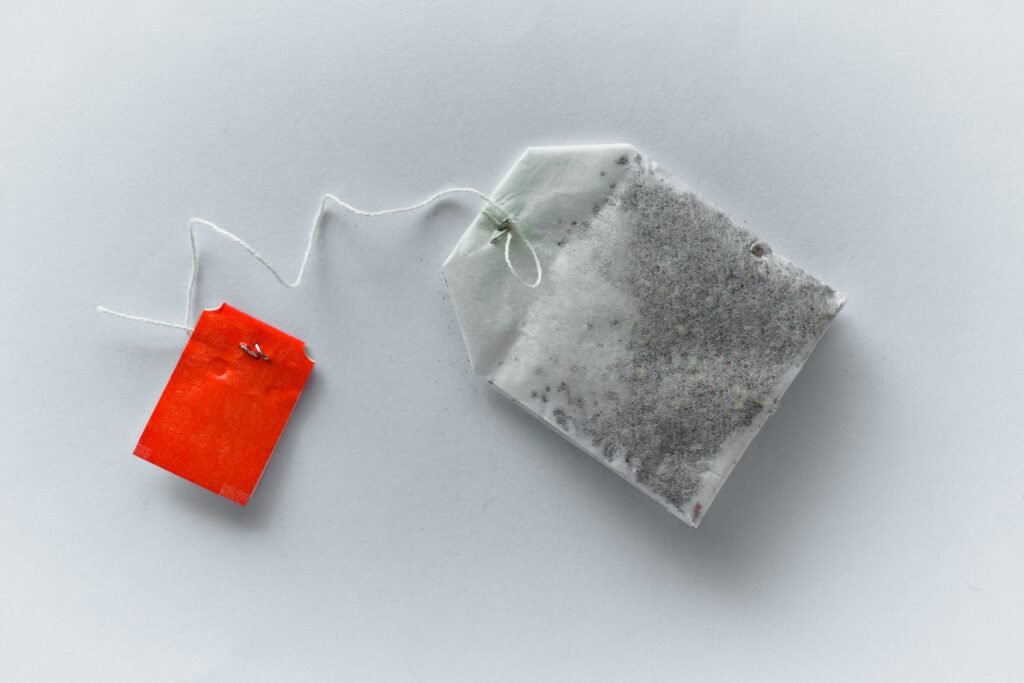
9. Tea Bags
A cooled, damp tea bag may provide a soothing effect when placed gently against a canker sore.
Chamomile tea is traditionally used because of its soothing properties.
How to use it:
- Prepare a tea bag and allow it to cool completely.
- Place the damp tea bag gently against the sore for several minutes.
- Remove it and rinse your mouth if necessary.
You can also enjoy a cup of chamomile tea, although drinking it should be considered a comforting measure rather than a guaranteed treatment.
10. Sage
Sage has traditionally been used as a mouth rinse because of its antimicrobial and astringent properties.
How to prepare a sage rinse:
- Steep approximately 2 teaspoons of dried sage in a cup of boiling water.
- Allow it to cool completely.
- Strain the mixture.
- Use it as a gentle mouth rinse.
- Spit it out after rinsing.
Stop using it if it causes irritation.
11. Hydrogen Peroxide
Hydrogen peroxide is an antiseptic, but it should be used carefully because concentrated solutions can irritate or damage the tissues inside your mouth.
If using hydrogen peroxide as an oral rinse, use only a properly diluted, low-concentration product intended for oral use and follow the manufacturer’s instructions.
Never swallow hydrogen peroxide.
Because safer mouth-rinse options are available, it is best to consult a dentist or pharmacist before using it to treat a canker sore.
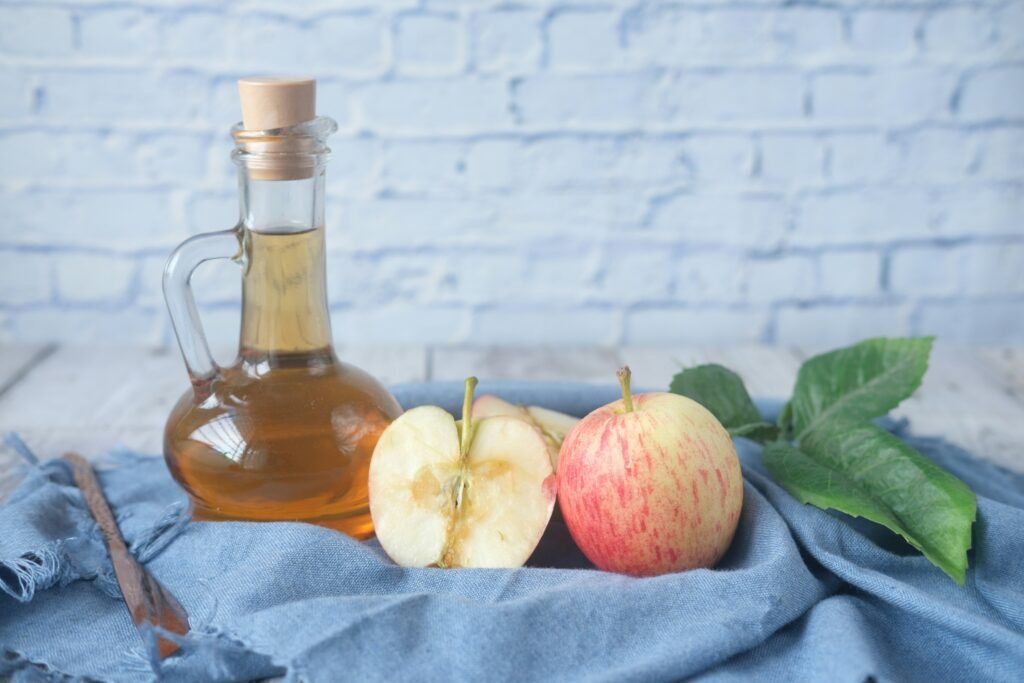
12. Apple Cider Vinegar
Apple cider vinegar is sometimes promoted as a natural remedy for mouth ulcers, but its acidity can actually irritate a canker sore and may damage tooth enamel.
For this reason, it is not one of my preferred remedies for canker sores.
If you experience burning or increased pain after using acidic products, stop immediately and rinse your mouth with water.
13. Vitamin E
Vitamin E is sometimes used topically on mouth ulcers, although evidence supporting its effectiveness for canker sores is limited.
If you are considering using vitamin E capsules, speak with a healthcare professional or pharmacist first, particularly if you are taking other supplements or medications.
14. Vitamins and Nutritional Support
Some recurring canker sores may be associated with nutritional deficiencies, particularly vitamin B12, folate, iron, or zinc.
Instead of taking high doses of supplements on your own, it is better to talk to your doctor about whether you may have a deficiency and whether blood tests are appropriate.
Vitamin B12 supplementation may help people who have recurrent canker sores related to B12 deficiency.
A balanced diet containing vegetables, fruits, whole grains, protein, and other nutrient-rich foods can also help support overall health.
15. Over-the-Counter Gels and Mouth Rinses
If home remedies aren’t enough, an over-the-counter oral gel, paste, or mouth rinse may help reduce pain and irritation.
Some products contain ingredients designed to temporarily numb the area or create a protective barrier over the ulcer.
Ask your pharmacist or dentist which product would be appropriate for you, especially if you have frequent or severe mouth ulcers.
Prevention
It may not always be possible to prevent canker sores, particularly when they are related to genetics, hormonal changes, or an underlying medical condition.
However, the following habits may help reduce your risk:
- Avoid foods that you know trigger your mouth ulcers, particularly spicy, acidic, or irritating foods.
- Avoid talking while chewing to reduce accidental bites.
- Brush your teeth gently with a soft-bristled toothbrush.
- Consider using toothpaste that does not contain sodium lauryl sulfate (SLS) if you find that SLS triggers your sores.
- Maintain good oral hygiene by brushing and flossing regularly.
- Manage stress and make time for relaxation.
- Get enough sleep and maintain a balanced diet.
- Ask your dentist about dental wax if braces or other orthodontic appliances are irritating the inside of your mouth.
- If you experience frequent outbreaks, talk to your doctor or dentist about possible nutritional deficiencies or underlying health conditions.
When Should You See a Doctor or Dentist?
Most canker sores are harmless and heal on their own. However, you should consult a doctor or dentist if you have:
- An unusually large sore
- Sores that keep appearing or are increasing in number
- Sores that last for three weeks or longer
- Severe or intolerable pain
- Difficulty eating or drinking enough fluids
- A high fever accompanying the sores
- Sores that appear unusually different from your previous outbreaks
- Other unexplained symptoms
Persistent or recurring mouth ulcers may sometimes be associated with an underlying medical condition or nutritional deficiency, so professional evaluation is important.
Final Thoughts
Canker sores may be small, but anyone who has experienced one knows how much discomfort they can cause. The good news is that most of them are temporary and will eventually heal on their own.
For me, the most important things are to listen to your body, identify your triggers, maintain good oral hygiene, manage stress, and avoid remedies that may cause more irritation than relief.
Natural remedies can sometimes provide comfort, but they are not necessarily cures. If your mouth ulcers are frequent, unusually painful, or taking too long to heal, don’t simply keep treating them at home. Talk to your doctor or dentist and find out what may be causing them.
Taking care of your health doesn’t always require complicated solutions. Sometimes, it starts with paying attention to the small things your body is trying to tell you.
“Take care of your body. It’s the only place you have to live.”
“I will give you health and heal you of your wounds, declares the Lord.” — Jeremiah 30:17
May we always remember that our health is something worth protecting—not only when we are sick, but every day. Listen to your body, take care of yourself, and don’t hesitate to seek professional help when something doesn’t feel right.
Stay healthy, take care of yourself, and don’t let a little canker sore ruin your day!
Sources
- https://www.nhsinform.scot/illnesses-and-conditions/mouth/mouth-ulcer
- https://www.healthline.com/health/mouth-ulcers
- https://www.mayoclinic.org/diseases-conditions/canker-sore/symptoms-causes/syc-20370615
- https://www.crestwooddental.com/what-causes-canker-sores-how-can-you-prevent-them/
- http://www.jabfm.org/content/22/1/9
- https://www.ncbi.nlm.nih.gov/pubmed/26025792
Medical disclaimer: This article is for general informational purposes only and should not be used as a substitute for professional medical advice, diagnosis, or treatment.
First Aid Guide: Nosebleeds
First Aid Guide: Food Poisoning
First Aid Guide: Dog Bite (What is Rabies?)
Beer Belly: Causes And How To Get Rid of it Forever
Things You Need To Know About Hyperacidity: Prevention And Treatment
Originally Published: January 25, 2021
Updated: August 2026





My name is Randy from california usa. I am free from (HSV2)
I got Diagnosed with Herpes, I have been dealing with Herpes for the past 2 years. Until I got a review online about natural cure people testifying how DR. ODOGWU cures them with his herbal treatment. And I ordered the treatment, after taking it for 21 days I totally got cured with DR. ODOGWU treatment. I’m recommending you diagnose herpes should get this treatment and be cured of it. You can contact his email address via drodogwuherbalhome@outlook.com or whatsapp him +2348075522105
Dr. ODOGWU also cures the following virus and many more…
1} Cancer
2} Diabetes
3} Hepatitis
4} fibroid
5} herpes
6} Lupus…….
These are the worst! I had no idea yogurt could possibly help, I’ve always used the (sometimes painful) salt method. Thanks for sharing.
Baking soda and honey I already tried~ Then best gargle with lukewarm water with salt. 😉
Wow I had no idea there were so many remedies for cancer sours! The most common way I get them is biting my cheek, ouch. I will have to try some of these remedies out the next time it happens. Thanks so much!
I have a family member who gets canker sores at the drop of a hat, and she’s always having trouble with them. I’ll have to show this to her!
I always use salt and water on my ulcers. I find I get them when I’m stressed or when I’ve eaten a particular food or combination of foods. I also highly recommend clove oil to numb if they are particularly bad.
I hate it when i get canker sore.. I always go with Salt Water to cure it and it works great. I also use Alum crystal sometimes. I have heard about this dried sage treatment but unlike the rest, it seems like a hard to find herb.
Thank you for sharing this!
Canker sores are the worst! I didn’t know there were so many triggers. Geesh!
First time to know about this canker but that’s awesome it has many remedies. Thank you for sharing!
I agree with you, mouth ulcer is nasty! I used to do home remedy such as gargling salt water, and taking vitamin E (I used Solgar and it works too!).
Wow! Baking soda and aloe vera doing its wonders. Nice!
Canker sores suck and are painful! Thanks for sharing this info and tips!
This is such a helpful post. I often get these and had no idea about the detailed info you shared. Thanks fort sharing.
I often get these mouth ulcers. And, man they are so painful. Thanks for sharing such a detailed post. Very helpful.