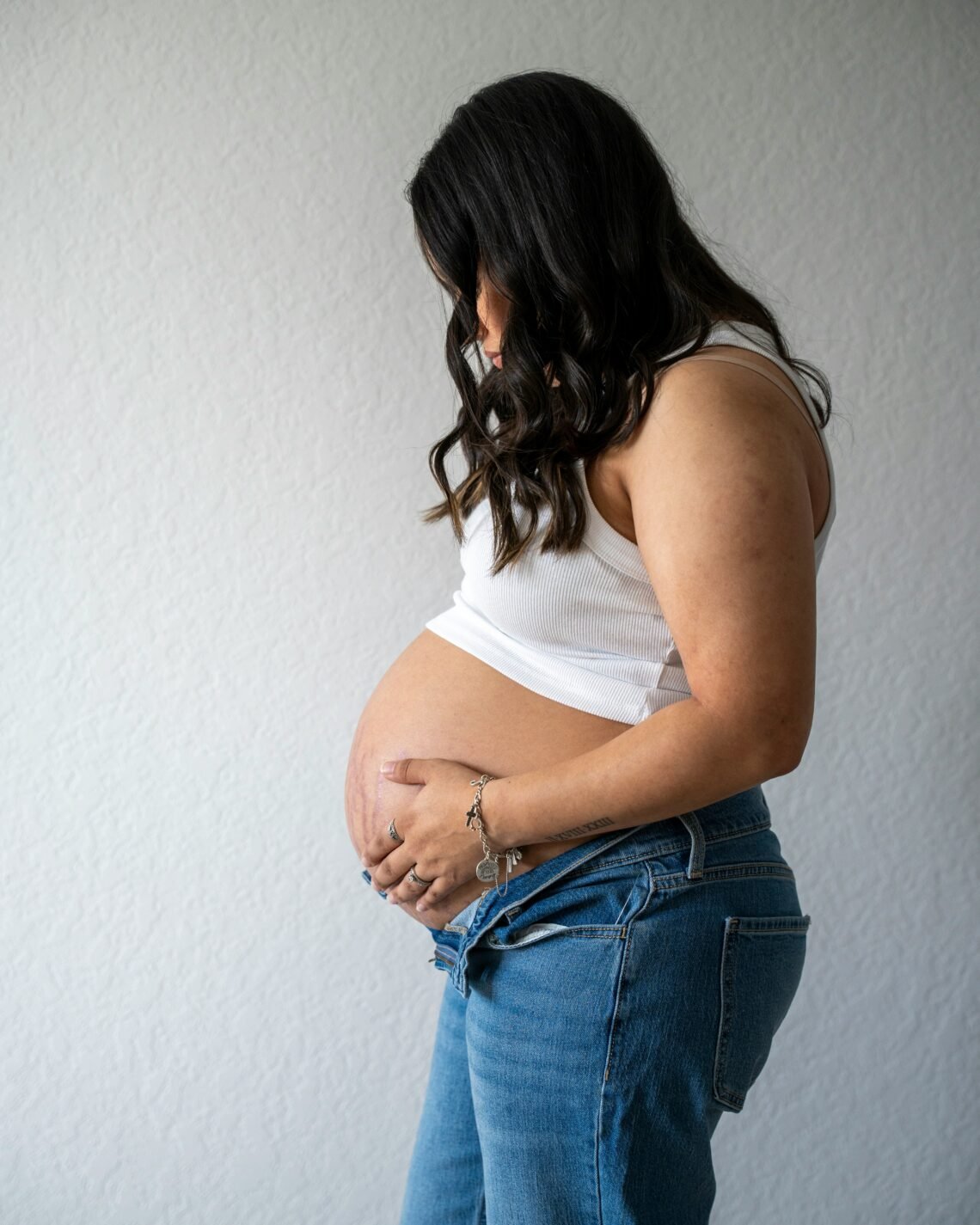
Pregnancy brings many wonderful changes to a woman’s body, but it can also bring changes that may take some getting used to. One of the most common is the appearance of stretch marks, especially as the belly, breasts, hips, and other areas grow to accommodate the developing baby.
Stretch marks are a type of scar that develops when the skin stretches or shrinks relatively quickly. During pregnancy, hormonal changes and the rapid stretching of the skin can make them more likely to appear. They may initially look pink, reddish, purple, or darker than the surrounding skin and usually become lighter and less noticeable over time.
Although stretch marks are harmless and completely normal, some expectant mothers may wonder whether there are natural ways to reduce their likelihood or make their skin feel more comfortable as it stretches.
It is important to remember that there is no guaranteed way to prevent pregnancy stretch marks. Genetics, hormones, skin type, and the amount and speed of skin stretching all play a role. However, taking good care of your skin, eating well, staying hydrated, and gaining pregnancy weight within the range recommended by your healthcare provider can support your overall skin health.
Here are some simple and natural ways to care for your skin throughout pregnancy.
When Do Stretch Marks Start to Appear During Pregnancy?
There is no definite time when stretch marks will develop, and some women may not develop them at all. Every woman—and every pregnancy—is different.
For some women, stretch marks may appear at different stages of pregnancy. The breasts can begin changing quite early, so stretch marks may become noticeable there before they appear elsewhere.
Stretch marks on the abdomen tend to become more noticeable as the baby grows and the skin stretches more rapidly, particularly later in pregnancy. They can also develop on the breasts, hips, thighs, buttocks, and lower back.
Rather than worrying about exactly when they might appear, it may be more helpful to establish a gentle skin-care routine early in pregnancy.
Natural Ways to Care for Your Skin and Help Minimize Stretch Marks
While natural remedies cannot guarantee that stretch marks will be prevented or removed, keeping the skin moisturized may help with dryness, tightness, and itching associated with stretching skin.
1. Olive Oil
Olive oil contains fatty acids, antioxidants, and vitamin E. While there is limited evidence that applying olive oil can actually prevent pregnancy stretch marks, it can work as an emollient and help moisturize dry skin.
To use it:
- Place a small amount of olive oil in your palm.
- Gently massage it onto areas where the skin feels dry or tight.
- Allow it to absorb before getting dressed.
If you have sensitive skin, try a small amount first and discontinue use if irritation develops.
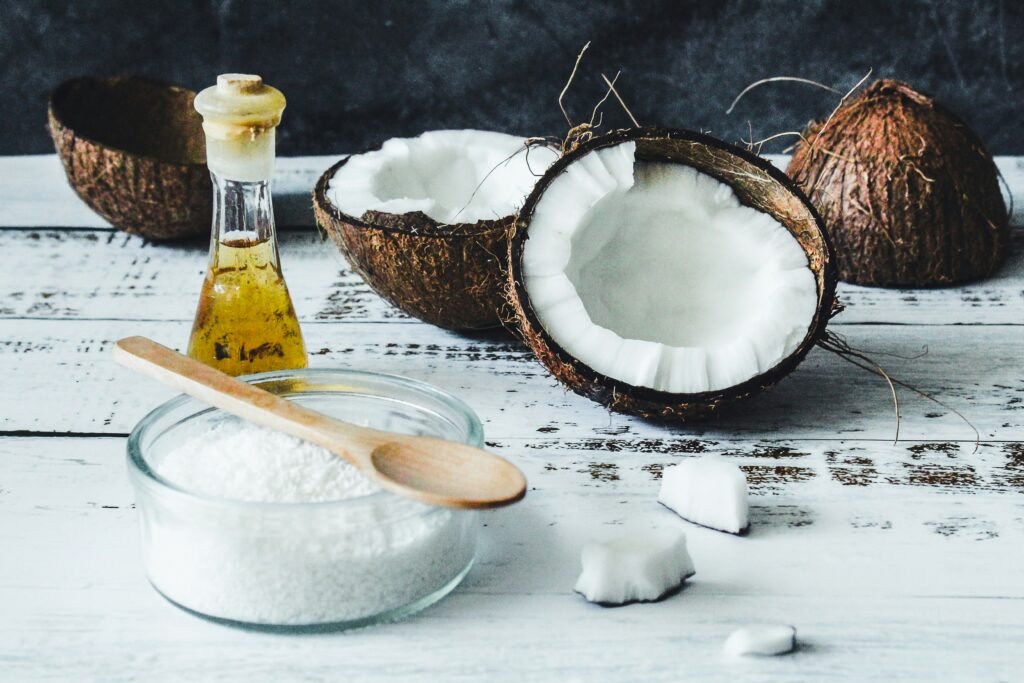
2. Coconut Oil
Coconut oil is commonly used in skin-care products because of its moisturizing properties. It contains fatty acids that can help soften the skin and reduce dryness.
Virgin coconut oil is a popular natural option during pregnancy.
To use it:
- Gently massage a small amount of coconut oil into your skin after showering.
- Concentrate on areas prone to stretching, such as the abdomen, breasts, hips, and thighs.
- Reapply whenever your skin feels dry or itchy.
While coconut oil can help keep your skin moisturized, there isn’t strong evidence that it can completely prevent stretch marks.
3. Argan Oil
Argan oil is rich in fatty acids and vitamin E and is frequently used as a skin moisturizer.
Applying a small amount may help keep your skin feeling soft and hydrated as it stretches during pregnancy.
To use it:
- Apply a few drops to clean skin.
- Gently massage the oil into areas prone to dryness or stretching.
- Allow it to absorb before dressing.
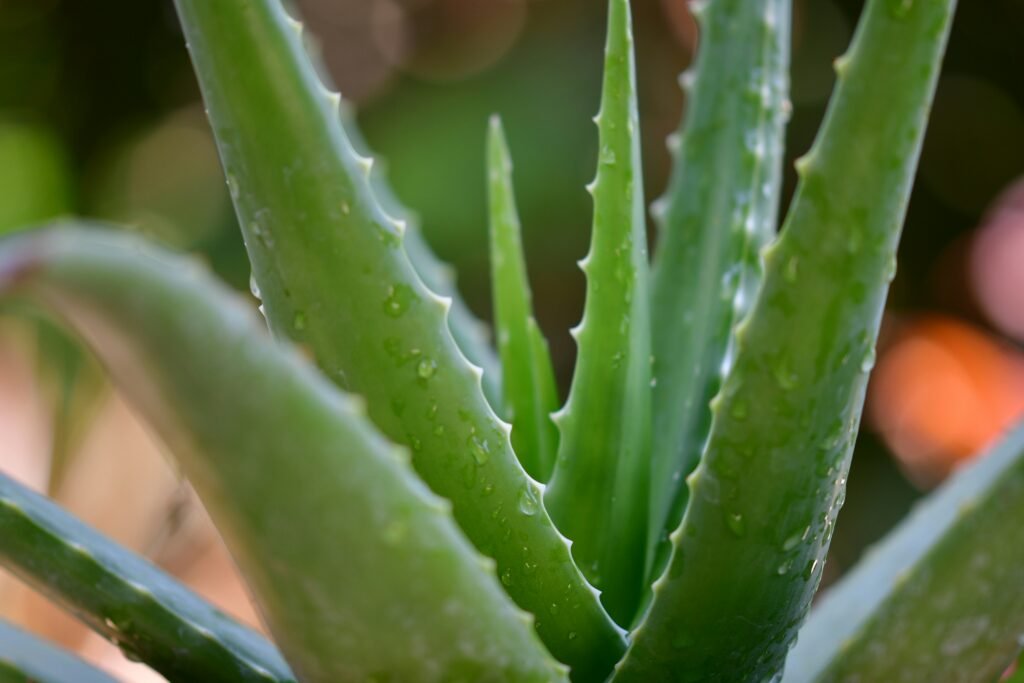
4. Aloe Vera
Aloe vera is well known for its soothing and moisturizing properties. It may be especially comforting when pregnancy-related skin stretching causes dryness or mild itching.
You can use pure aloe vera gel or a pregnancy-safe skin product containing aloe vera.
If using fresh aloe, be aware that the yellow latex layer beneath the outer leaf can irritate the skin. Commercially prepared pure aloe gel may therefore be a more convenient option.
Again, aloe vera may soothe the skin, but it has not been proven to prevent stretch marks.
5. Be Careful With DIY Skin Treatments
Some traditional home remedies recommend ingredients such as egg whites, turmeric, sandalwood, lemon juice, sugar scrubs, or honey for stretch marks.
However, I would be cautious about recommending these as treatments during pregnancy.
Ingredients such as lemon juice and abrasive sugar scrubs can irritate sensitive skin, while raw egg can introduce unnecessary hygiene concerns. There is also little evidence that these treatments prevent or remove stretch marks.
Instead, a simple moisturizer or pregnancy-safe oil is generally a gentler way to care for stretching skin.
6. Gain Pregnancy Weight Gradually
Weight gain is a normal and necessary part of pregnancy. Rather than trying to restrict weight gain to prevent stretch marks, the goal should be to gain an appropriate amount for you and your baby.
Rapid changes in body size can contribute to skin stretching, but recommended pregnancy weight gain varies depending on your pre-pregnancy BMI, health, and whether you are carrying one baby or multiples.
Your doctor or midwife can help you determine an appropriate weight-gain range throughout your pregnancy.
And despite the popular saying, pregnancy does not mean you literally need to “eat for two.” Your nutritional needs increase during pregnancy, but the amount of additional energy required varies throughout the different stages.
7. Stay Active
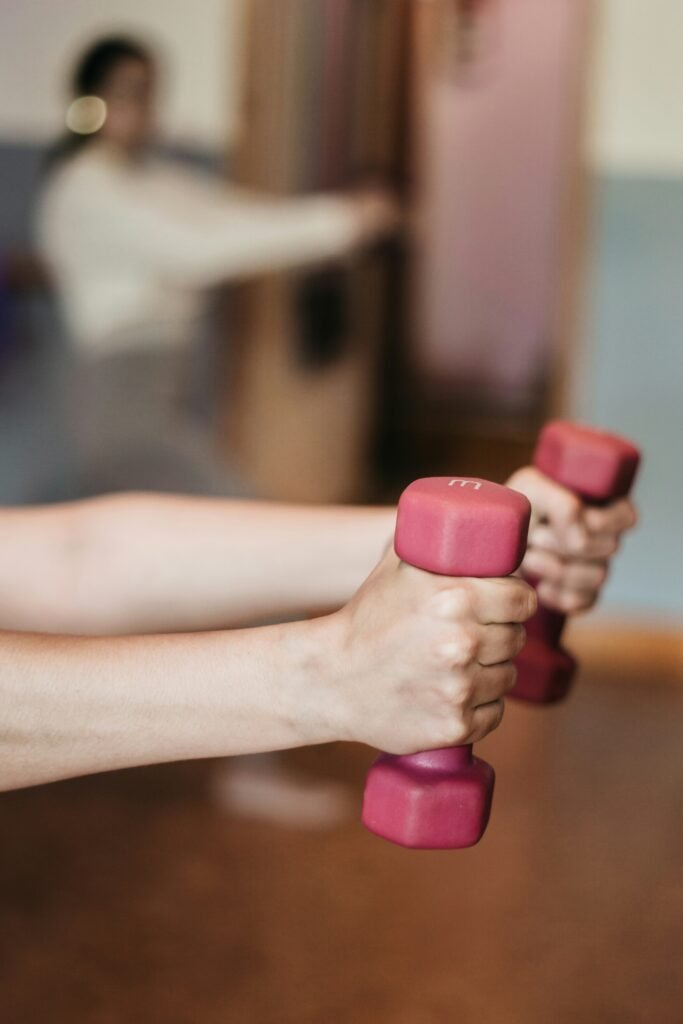
Regular physical activity during a healthy pregnancy has many benefits. Exercise can support cardiovascular health, strength, mobility, mood, and healthy pregnancy weight gain.
Walking, swimming, prenatal yoga, and other moderate activities may be suitable for many pregnant women.
However, exercise has not been proven to repair or prevent stretch marks directly. Its benefit is primarily in supporting your overall health during pregnancy.
Always follow your healthcare provider’s advice about the type and intensity of exercise that is appropriate for you.
8. Drink Plenty of Water
Hydration is important throughout pregnancy.
Water helps support many essential functions in the body, including circulation, digestion, temperature regulation, and the increased blood volume needed during pregnancy.
Although drinking extra water has not been proven to prevent stretch marks, staying adequately hydrated is an important part of maintaining your overall health.
Instead of forcing yourself to drink a particular amount solely for your skin, drink regularly throughout the day and follow your healthcare provider’s recommendations, especially if you have a medical condition that affects your fluid requirements.
9. Eat a Healthy, Nutrient-Rich Diet
Good nutrition is important for both your growing baby and your own health.
Your skin also relies on nutrients such as protein, healthy fats, vitamins, and minerals to maintain its normal structure and function.
Try to include a variety of nutrient-rich foods in your pregnancy diet:
| Antioxidant-Rich Foods | Healthy Fats | Vitamin-Rich Foods | Zinc Sources |
|---|---|---|---|
| Berries | Walnuts | Green vegetables | Meat |
| Beans | Chia seeds | Fruits | Cashews |
| Broccoli | Salmon | Dairy products | Nuts |
| Sweet potatoes | Soybeans | Whole grains | Poultry |
| Colorful fruits and vegetables | Other oily fish | Fortified cereals | Beans |
During pregnancy, remember to follow food-safety recommendations regarding fish, meat, dairy products, and other foods that may pose risks when raw or undercooked.

10. Get Enough Vitamin D
Vitamin D plays an important role in maintaining healthy bones, muscles, and immune function.
Sunlight can help the body produce vitamin D, while dietary sources include certain oily fish, egg yolks, fortified dairy products, and fortified foods.
However, don’t intentionally spend excessive amounts of time in direct sunlight in an attempt to prevent stretch marks. Sun exposure does not guarantee stretch-mark prevention and excessive ultraviolet exposure can damage your skin.
If you’re concerned about vitamin D levels during pregnancy, speak with your doctor or midwife about whether supplementation is appropriate.
11. Include Zinc in Your Diet
Zinc is an essential nutrient involved in normal immune function, cell growth, and wound healing.
Food sources include:
- Meat and poultry
- Fish and seafood
- Nuts and seeds
- Beans
- Dairy products
- Fortified cereals
There is not enough evidence to say that zinc prevents stretch marks, but getting enough zinc is still an important part of a balanced pregnancy diet.
Before taking additional zinc supplements, check with your healthcare provider because excessive amounts of some vitamins and minerals can also be harmful.
12. Moisturize Your Skin Regularly
One of the simplest things you can do is keep your skin moisturized.
Creams, lotions, and oils containing ingredients such as shea butter, cocoa butter, aloe vera, coconut oil, or vitamin E may help relieve dryness and itching and make stretching skin feel more comfortable.
You can gently massage moisturizer onto your belly, breasts, hips, thighs, and other areas once or twice a day, particularly after bathing.
However, even expensive stretch-mark creams cannot guarantee prevention. Genetics and the way your skin responds to pregnancy play a significant role.
So rather than thinking of moisturizing as a way to guarantee stretch-mark-free skin, think of it as a relaxing part of taking care of yourself and your changing body.
A Note About Stretch-Mark Treatments During Pregnancy
Be cautious about products advertised as being able to completely erase stretch marks.
Some cosmetic ingredients and procedures used to treat stretch marks may not be appropriate during pregnancy. If you’re considering medicated creams, retinoids, laser treatments, microneedling, or other cosmetic procedures, discuss them with your doctor or dermatologist first.
Many stretch marks naturally become lighter and less noticeable in the months following pregnancy.
Final Thoughts
Pregnancy changes your body in extraordinary ways, and stretch marks can simply be one visible reminder of everything your body has gone through to nurture new life.
I know that some women may feel self-conscious when stretch marks begin to appear. It is perfectly understandable to want to care for your skin and minimize their appearance. Moisturizing regularly, eating nutritious foods, staying hydrated, remaining active when medically appropriate, and following healthy pregnancy weight-gain recommendations are all worthwhile habits.
At the same time, don’t judge the success of your pregnancy, or your body, by whether you develop stretch marks.
You can follow every skin-care recommendation and still develop them. Another woman may do very little and hardly develop any. Our bodies, genetics, and pregnancies are simply different.
Instead of striving for perfectly smooth skin, focus on keeping yourself and your baby healthy. The marks may fade with time, but the journey they represent will always be part of your story.
“Your changing body is not losing its beauty; it is telling the story of the life it has carried.”
“I praise you because I am fearfully and wonderfully made; your works are wonderful, I know that full well.” — Psalm 139:14 (NIV)
Pregnancy may leave changes on our bodies that we never expected, but those changes don’t take away our beauty or worth. Give yourself patience, kindness, and grace as your body goes through this incredible season.
And someday, when you look at those little lines on your skin, perhaps instead of seeing imperfections, you’ll remember the little life that once grew beneath them. ❤️
Sources
- Mayo Clinic — Stretch marks
- NHS — Stretch marks in pregnancy
- American College of Obstetricians and Gynecologists — Nutrition During Pregnancy
- NIH Office of Dietary Supplements — Vitamin D
- NIH Office of Dietary Supplements — Zinc
My First ‘After-Pill’ Pregnancy at 5 weeks
Health Benefits of Seed Cycling
Why It’s Healthy And Important To Treat Yourself
16 Reasons Why Camping Is Good For Your Health
12 Natural Habits To Maintain Optimal Eye Health
Originally Published: November 29, 2021
Updated: August 2026



I wish I’ve known these 2 years ago. But thanks for sharing. I will share it with my sister.