Introduction
Our feet carry us through countless steps every day, yet they are often one of the most overlooked parts of our body. When pressure, friction, or poorly fitting shoes repeatedly irritate the skin, a small but painful problem can develop: a foot corn.
Corns are common and usually harmless, but they can become uncomfortable and may interfere with your everyday activities. Understanding what causes them, how to care for them, and how to prevent them from coming back can help keep your feet healthy and comfortable.
In this article, we’ll look at the causes, symptoms, treatment options, and prevention of foot corns, including when it may be time to see a podiatrist.
What Is a Foot Corn?
A corn is a small, circular area of thickened skin that usually forms over bony areas of the foot, particularly around the joints of the toes. It commonly develops because of repeated pressure or friction, such as rubbing from shoes.
Corns often develop where the skin is thin, smooth, and hairless. The name “corn” comes from its resemblance to a kernel of corn.
Corns caused by toe deformities such as hammer toe may develop on the tops or tips of the toes. Hard corns are most commonly found over the joints, while soft corns can develop between the toes. Corns are usually small, often about the size of a pea or slightly larger.
Corns vs. Calluses
Corns differ from calluses because they usually have a hard central core surrounded by inflamed or irritated skin. Because of their defined shape, corns can sometimes be mistaken for warts.
Corns are generally hard, cone-shaped areas of thickened skin commonly found on the tops or sides of the smaller toes, particularly over a joint.
Calluses, on the other hand, are broader and flatter areas of thickened skin. They are commonly found on the soles of the feet or the palms of the hands.
Both corns and calluses develop when the outermost layer of skin, known as the stratum corneum, becomes thicker in response to repeated friction or pressure. They are particularly common among people who wear tight, uncomfortable, or poorly fitting shoes.
Symptoms
Corns typically have a rough or dull appearance. They may be raised, rounded, or firm, and they can sometimes be difficult to distinguish from warts.
Common symptoms include:
- A small, hardened or thickened area of skin
- A rough or waxy appearance
- A tender or painful spot, particularly when pressure is applied
- A hard central area surrounded by thicker skin
- Discomfort when walking or wearing certain shoes
Causes of Foot Corns
Corns are usually caused by repeated pressure and friction. Some common causes include:
- Excessive pressure on the balls of the feet, which can be more common among people who regularly wear high heels.
- Shoes that don’t fit properly. Shoes that are too tight can squeeze the toes and increase pressure, while shoes that are too loose can allow the feet to slide and rub against the inside of the shoe.
- Toe deformities, such as hammer toe or claw toe.
- Rubbing against seams or stitches inside the shoe.
- Poorly fitting socks, which can bunch up and create additional pressure or friction.
- Changes in the shape or structure of the foot, which can cause certain areas to experience increased pressure.
Diagnosis
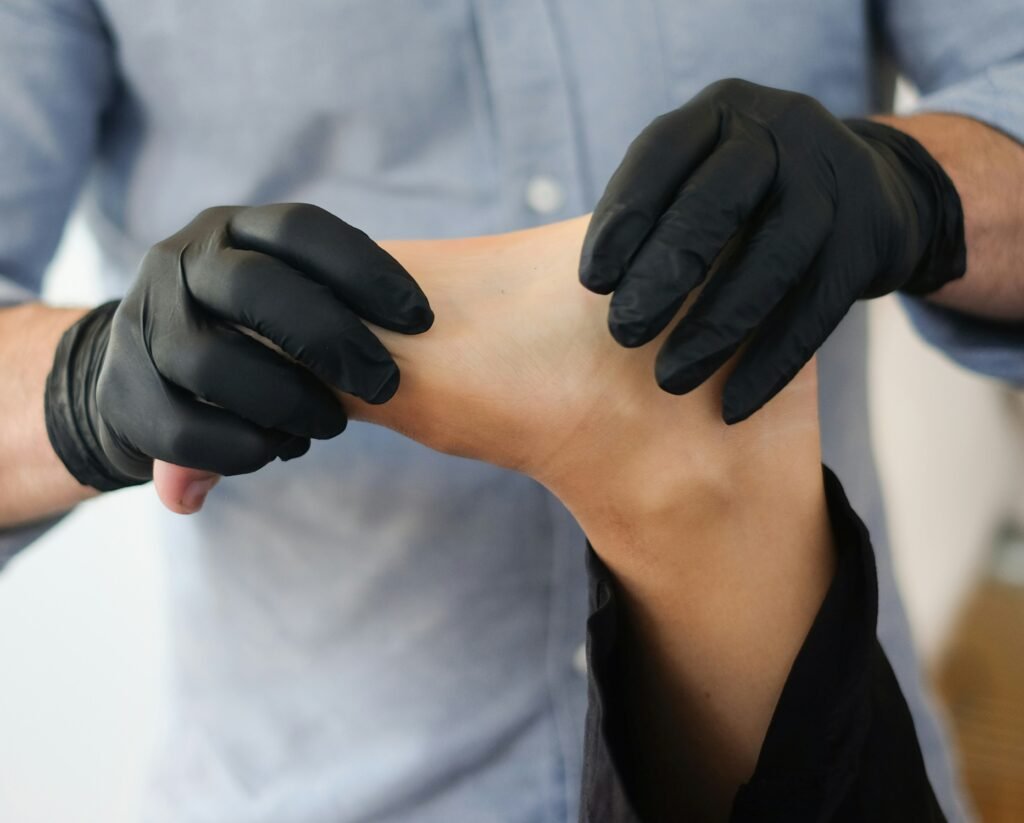
Corns can usually be identified by their appearance and location. A healthcare professional may examine the affected area to determine whether it is a corn, callus, wart, or another skin condition.
Treating the underlying cause is important because simply removing the thickened skin may not prevent the corn from coming back. Your doctor or podiatrist can help determine what is causing the repeated pressure or friction and recommend appropriate treatment.
Home Remedies and Treatment
In many cases, simple changes to your footwear and daily foot-care routine can help relieve discomfort and prevent a corn from becoming worse.
1. Remove the Source of Irritation
Wear shoes that fit properly and provide enough room for your toes to move comfortably. Avoid shoes that are too tight, too narrow, or too loose.
Our feet can also change over time, including changes in the shape of the arches and the thickness or sensitivity of the skin. Because of this, a pair of shoes that once felt comfortable may eventually become uncomfortable.
2. Soak Your Feet in Warm Water
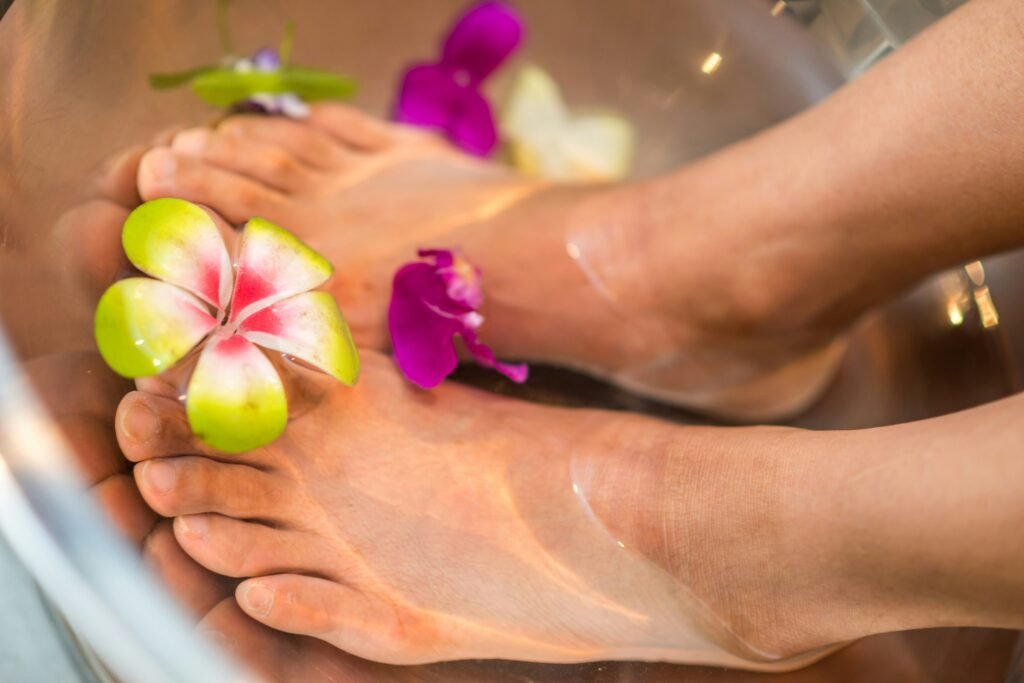
Soaking your feet in warm water for about 10 to 20 minutes can help soften thickened skin.
After soaking, you may gently use a pumice stone or foot file to reduce some of the thickened skin. Avoid aggressive scraping or cutting, as this can damage the skin and increase the risk of infection.
Once finished, dry your feet thoroughly and apply a rich moisturizer or emollient cream to help keep the skin soft.
3. Use Protective Pads
A non-medicated, donut-shaped foam pad can be placed around the corn to help relieve pressure and friction.
Medicated corn pads containing salicylic acid can help remove thickened skin, but they may also irritate healthy skin if used incorrectly. People with diabetes, poor circulation, or reduced sensation in their feet should avoid using medicated corn treatments unless advised by a healthcare professional.
4. Use Toe Separators
For soft corns that develop between the toes, toe separators or a small amount of soft lamb’s wool may help cushion the area and reduce friction.
Make sure the material is clean and does not create additional pressure between the toes.
When Should You See a Podiatrist?
If a corn becomes painful, bleeds, causes persistent discomfort, or interferes with your normal activities, it is a good idea to consult a podiatrist or other healthcare professional.
You should also seek professional advice if you have diabetes, poor circulation, reduced sensation in your feet, or another condition that affects foot health. In these situations, treating a corn yourself can sometimes cause complications.
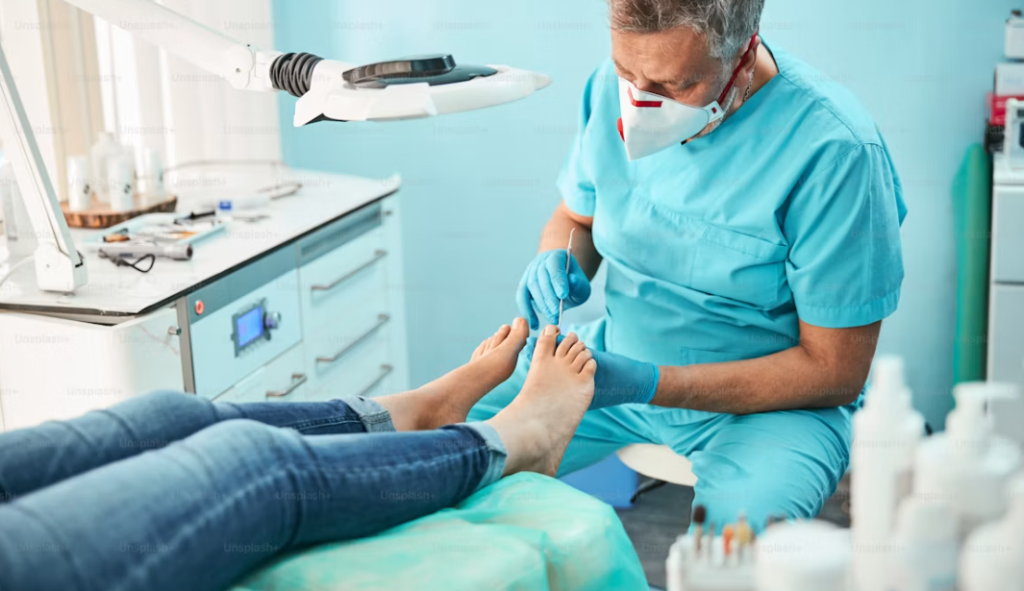
Professional treatment may involve debridement or paring, which means carefully removing layers of thickened or hardened skin. A healthcare professional can also determine whether an underlying foot or toe deformity is contributing to the problem.
Corns and calluses can sometimes return even after successful treatment. If a structural problem is causing repeated pressure, your healthcare provider may recommend special footwear, padding, orthotics, or other treatment options.
In more persistent cases, surgery may be considered to correct an underlying deformity. Surgical procedures may include enucleation, which involves removing the hardened core, or procedures to correct problems such as bunions or toe alignment.
Surgery is generally considered only when conservative treatments have not provided adequate relief.
Prevention
Preventing corns is largely about reducing pressure and friction on your feet.
Here are some ways to reduce your risk:
- Wear properly fitted shoes. Choose footwear with enough room for your toes and avoid shoes that squeeze or rub against your feet.
- Choose comfortable socks that fit properly and do not bunch up inside your shoes.
- Use protective pads or gel inserts to reduce pressure and friction in problem areas.
- Keep your feet moisturized to prevent excessively dry or cracked skin.
- Trim your toenails properly to help maintain overall foot comfort.
- Address toe or foot deformities. If you have an abnormality in the shape of your foot or toes, talk to a podiatrist about appropriate footwear and treatment options.
- Pay attention to recurring corns. If the same corn keeps coming back, there may be an underlying source of pressure that needs to be addressed.
Final Thoughts
Corns may seem like a small problem, but anyone who has experienced a painful one knows how uncomfortable they can be. Fortunately, many corns can be managed by identifying what is causing the pressure or friction and making simple changes to your footwear and foot-care routine.
Don’t ignore persistent pain, bleeding, or changes in your feet, especially if you have an underlying medical condition. Sometimes, the best treatment is not simply removing the corn but finding out why it developed in the first place.
Taking care of our feet is also a simple reminder to take care of ourselves. We often focus on the bigger things in life while forgetting the small parts of our body that carry us through every single day.
“Take care of your body. It’s the only place you have to live.”
“I will praise thee; for I am fearfully and wonderfully made.”
— Psalm 139:14
Your feet may take you places you never imagined, so give them the care they deserve. A little attention today can prevent a lot of discomfort tomorrow.
Stay healthy, take care of yourself, and don’t forget to appreciate every step along the way. ❤️
Sources
- https://www.webmd.com/skin-problems-and-treatments/understanding-corns-calluses-basics
- https://www.medicinenet.com/corns/article.htm
- https://www.mayoclinic.org/diseases-conditions/corns-and-calluses/diagnosis-treatment/drc-20355951
First Aid Guide: Food Poisoning
Canker Sore Remedies And Prevention
First Aid Guide: Dog Bite (What is Rabies?)
Beer Belly: Causes And How To Get Rid of it Forever
Things You Need To Know About Hyperacidity: Prevention And Treatment
Originally Published: January 26, 2021
Updated: August 2026