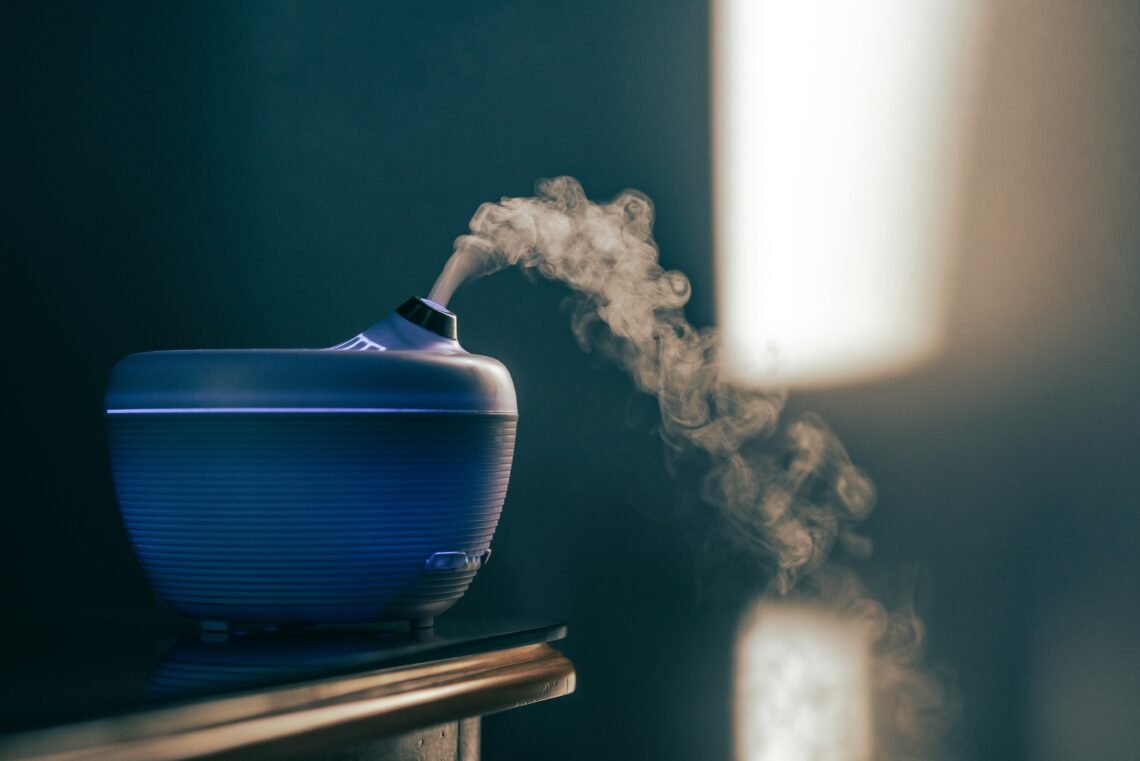
Dry indoor air can make your skin, nose, throat, and eyes feel uncomfortable. It can also worsen some respiratory symptoms, particularly during the colder months when heating systems are running more frequently.
A humidifier adds moisture to the air and may help relieve some of these problems when the indoor air is too dry. However, using a humidifier isn’t simply a matter of turning it on and forgetting about it. Too much humidity, dirty water tanks, or poor maintenance can create their own health problems.
For this reason, it’s important to understand both the benefits and potential drawbacks of using a humidifier before bringing one into your home or office.
Humidifiers may be helpful for people experiencing:
- Dry or itchy skin
- Dry eyes
- Dry nasal passages or throat
- Dry or cracked lips
- Nasal irritation or congestion
- Minor discomfort caused by dry indoor air
A humidifier doesn’t treat an underlying disease, but adding moisture to an overly dry environment may make some symptoms more comfortable.
Benefits of Using a Humidifier at Home
1. May Help Reduce the Spread of Some Airborne Viruses
Humidity can affect how respiratory viruses behave in indoor air. Research has found that relative humidity can influence the survival and transmission of some viruses, although this does not mean that a humidifier can prevent infections on its own.
One study found that maintaining indoor relative humidity around 40% reduced the infectivity of aerosolized influenza virus under laboratory conditions. This is interesting research, but it shouldn’t be interpreted as proof that simply running a humidifier will prevent you from getting the flu.
The most important ways to reduce respiratory infections remain vaccination when appropriate, good hand hygiene, ventilation, and staying home when sick.

2. May Help With Snoring Caused by Dryness
Dry air can irritate the nose and throat, and this may make some people feel more uncomfortable when sleeping.
Adding moisture to very dry indoor air may help soothe irritated nasal and throat tissues. However, a humidifier is not a treatment for sleep apnea or all causes of snoring.
If you snore loudly, stop breathing during sleep, wake up gasping, or feel excessively sleepy during the day, speak with a healthcare professional.

3. May Help Soothe a Dry Cough
Dry air can irritate the throat and airways and may contribute to coughing.
A humidifier can add moisture to the surrounding air, which may soothe irritation and make breathing more comfortable for some people.
However, a humidifier should not be considered a treatment for the underlying cause of a persistent cough. If your cough is severe, lasts a long time, or is accompanied by difficulty breathing, fever, chest pain, or other concerning symptoms, seek medical advice.

4. Helps With Dry Skin
Air that is too dry can contribute to dry, itchy, or flaky skin.
Adding moisture to the air may help support the skin barrier, particularly during periods of very dry indoor air. This may be useful for people who already experience dry skin or certain eczema-related symptoms.
However, a humidifier should be considered part of a broader skincare routine rather than a replacement for moisturizers or medical treatment.
You can also check out my related article:
10 Natural Ways to Keep Your Skin Glowing All Year Round
5. May Benefit Your Home
A properly humidified home can feel more comfortable during dry weather.
Maintaining appropriate humidity may also benefit some household items and plants. Wooden furniture and other wood products can be affected by very dry or very humid conditions, while some tropical houseplants prefer more humid environments.
However, more humidity isn’t always better. Indoor relative humidity is generally best kept around 30%–50%. Higher levels can encourage mold and other biological growth.
Some people also find that adequately humidified air feels more comfortable during the heating season, although a humidifier shouldn’t be viewed as a guaranteed way to lower your heating bill.
6. May Help Soothe Allergy-Related Dryness
A humidifier may soothe dry nasal passages and throat tissues when indoor air is excessively dry.
However, people with allergies or asthma need to be especially careful. Excess humidity can encourage dust mites and mold, both of which can trigger allergy and asthma symptoms.
So, if you have allergies or asthma, monitor the humidity carefully and speak with your healthcare professional about whether a humidifier is appropriate for you.
7. Reduces Static Electricity
Dry indoor air can increase static electricity, which can be particularly annoying during winter.
You may notice static shocks when touching certain fabrics, people, pets, or household objects.
Keeping indoor humidity at an appropriate level can help reduce this problem.
Just remember that the goal is balanced humidity, not excessive moisture.
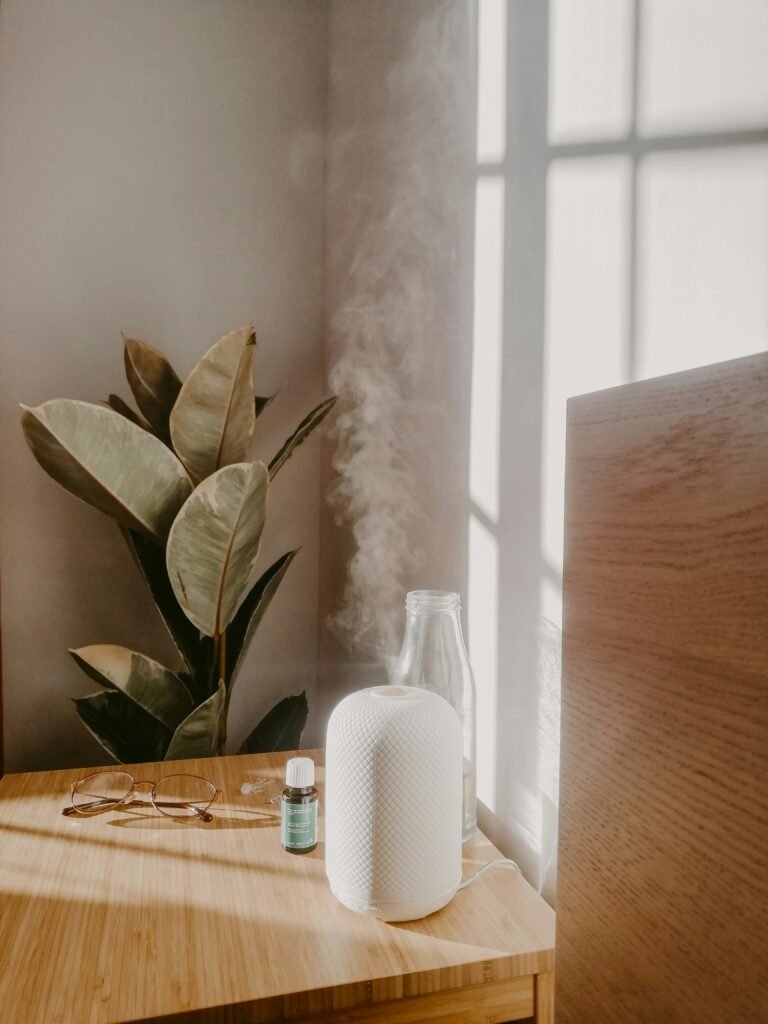
8. May Be Helpful for Babies and Children
Children can also experience discomfort when indoor air is very dry.
A humidifier may help keep nasal passages from becoming excessively dry and may make the air more comfortable when a child has a stuffy nose.
However, humidifiers require extra care around children.
For young children, cool-mist humidifiers are generally preferred over steam vaporizers because hot water and steam can cause burns. Keep humidifiers safely out of children’s reach and follow the manufacturer’s instructions.
Also remember that a humidifier should never replace medical care when a child is having difficulty breathing or has a serious illness.
Possible Risks and Drawbacks of Using a Humidifier
Humidifiers can be useful, but they also require regular maintenance.
1. Bacteria and Mold Can Grow Inside the Unit
A dirty humidifier can become a source of microorganisms that are released into the air as mist.
Some waterborne germs, including Legionella, can grow in poorly maintained water systems and devices. CDC recommends emptying portable humidifiers daily, cleaning them regularly according to the manufacturer’s instructions, and allowing them to air-dry.
This is one of the most important things to remember:
A humidifier is only helpful when it is kept clean.
2. It’s Another Household Appliance to Clean
Using a humidifier means adding another cleaning task to your routine.
Don’t allow water to sit in the tank for long periods. Empty it regularly, clean it according to the manufacturer’s instructions, and replace filters when required.
CDC specifically advises emptying portable humidifiers every day and cleaning them regularly.
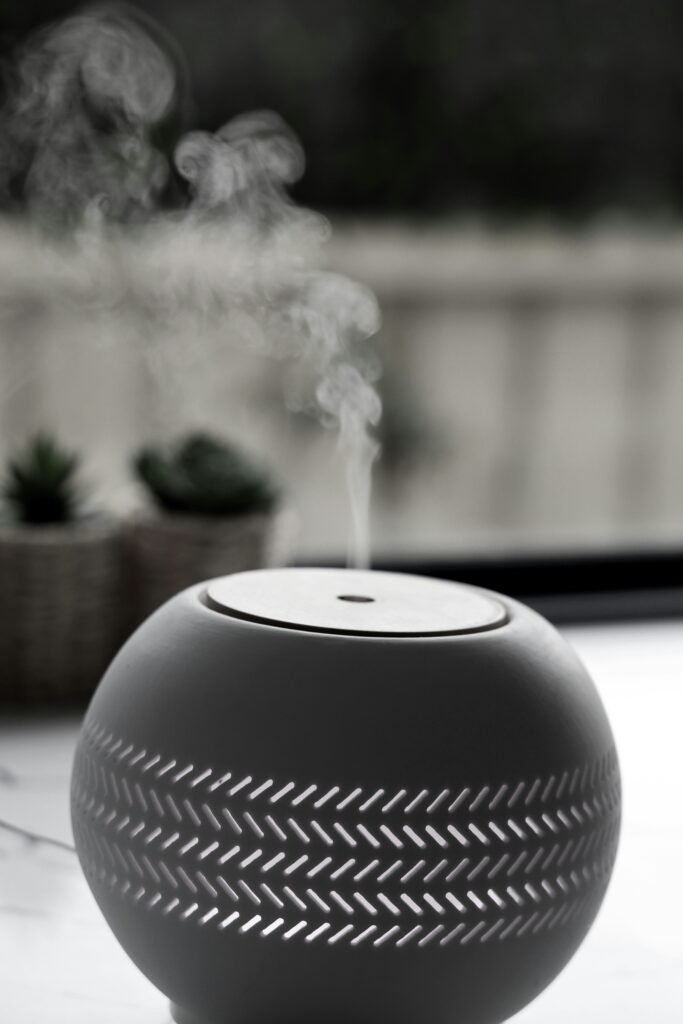
3. Excessive Humidity Can Cause Problems
Too much humidity can be just as problematic as too little.
Excess moisture can encourage:
- Mold growth
- Dust mites
- Condensation on windows and walls
- Damp carpets and furniture
- Other indoor air-quality problems
The EPA recommends keeping indoor relative humidity between 30% and 50% and avoiding humidity above 50%.
A simple hygrometer can help you monitor the humidity level in your room.
4. Mineral Dust Can Be Released Into the Air
Some humidifiers, particularly ultrasonic models, can disperse minerals from tap water into the air. This may appear as a fine white dust around the room.
Using distilled water or another water type recommended by the manufacturer can reduce mineral buildup and white dust.
5. Warm Steam Can Cause Burns
Steam vaporizers and warm-mist humidifiers heat water, which means the unit and its water can become hot.
This can create a burn hazard, particularly around children.
For households with young children, use a safe location and consider a cool-mist model instead.
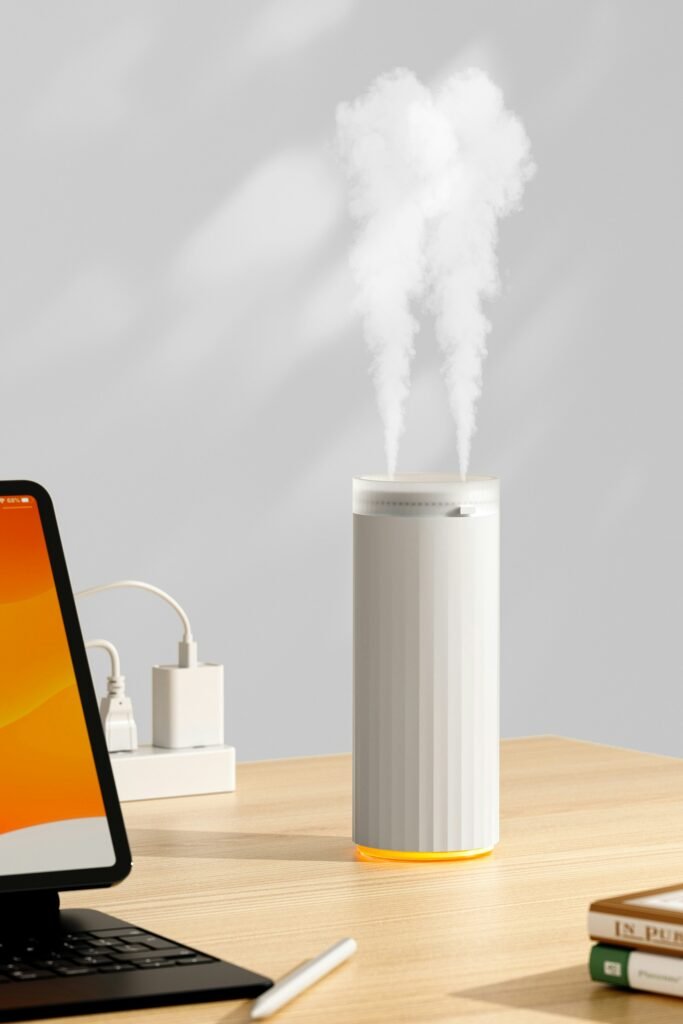
Types of Humidifiers
Humidifiers work in different ways, and each type has its own advantages and considerations.
Steam Vaporizers
These heat water to produce steam. They can effectively add moisture to the air, but the hot water and steam create a burn risk.
Ultrasonic Humidifiers
These use high-frequency vibrations to produce a fine mist. They are generally quiet, but depending on the water used, they may disperse minerals into the air.
Evaporative Humidifiers
These use a fan to blow air through a wet wick or filter. The water evaporates into the air naturally.
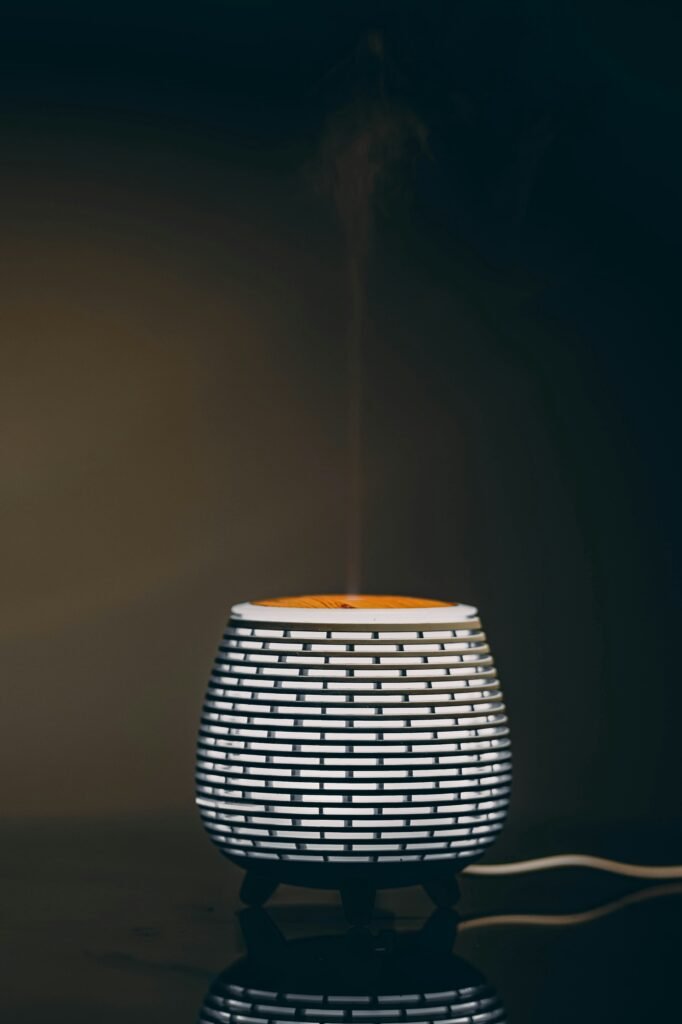
Impeller Humidifiers
These use a rotating disk to produce a cool mist without boiling water. They can be useful in homes with children because there is no boiling water involved.
Central Humidifiers
These are built into a home’s heating or air-conditioning system and can humidify multiple areas at once.
Warm-Mist Humidifiers
These heat water and release warm moisture. They can be comfortable during cold weather but should be used carefully around children.
Cool-Mist Humidifiers
These release cool moisture into the air. They can be a practical option for bedrooms and children’s rooms.
Console Humidifiers
These are larger units designed to humidify a larger area or several rooms, depending on the model.
How to Use a Humidifier Safely
If you’re planning to use one at home, keep these tips in mind:
- Empty the water tank daily rather than allowing water to remain stagnant.
- Clean the humidifier regularly according to the manufacturer’s instructions.
- Allow the tank and components to air-dry after cleaning.
- Use distilled water if recommended by the manufacturer or if mineral buildup and white dust are a concern.
- Monitor your indoor humidity with a hygrometer.
- Aim for approximately 30%–50% relative humidity.
- Don’t allow water to collect around the humidifier.
- Keep warm-mist and steam units away from children.
- Replace filters as recommended.
- Stop using the unit and clean it if you notice an unusual smell, visible buildup, or mold.
- Follow the manufacturer’s instructions for cleaning and maintenance.
These precautions aren’t optional extras. They are what make humidifier use safer.
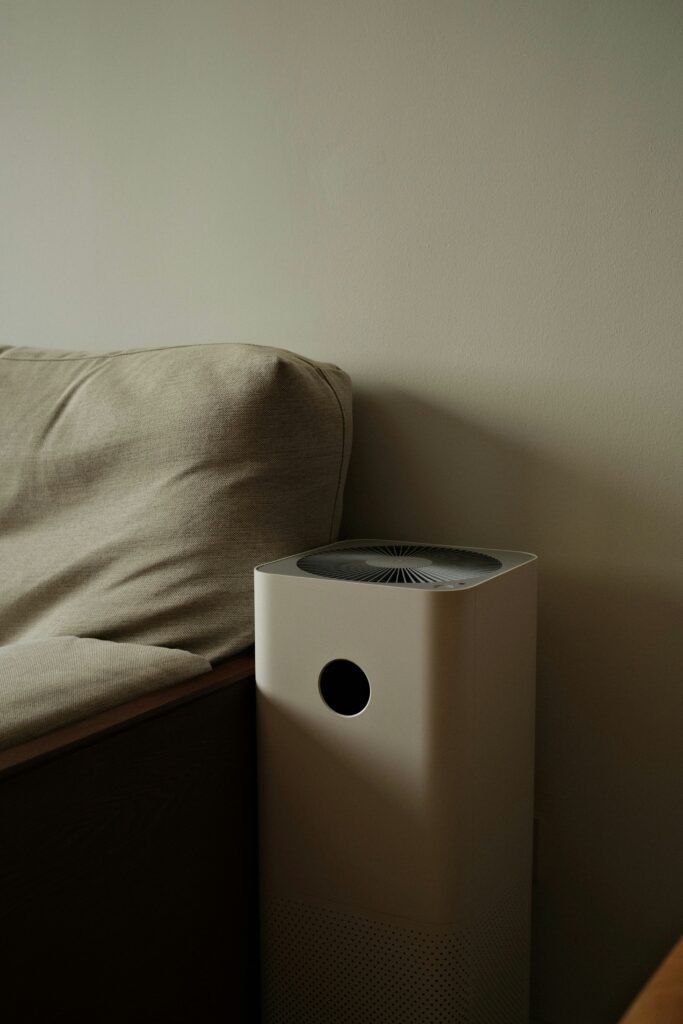
Humidifier vs. Air Purifier: What’s the Difference?
This is something people sometimes confuse.
A humidifier adds moisture to the air.
An air purifier removes or reduces certain airborne particles and pollutants, depending on the type of purifier and filter.
They perform different functions, so one doesn’t replace the other.
In some homes, it may be useful to have both, depending on indoor air conditions and individual needs.
Final Thoughts
A humidifier can be a useful addition to your home, particularly when indoor air becomes excessively dry.
It may help soothe dry skin, dry nasal passages, irritated throats, and other discomforts associated with dry air. However, the benefits depend on using the correct humidity level and keeping the device clean.
The biggest lesson from researching this topic is simple:
Don’t just buy a humidifier… learn how to use it properly.
Too little humidity can be uncomfortable, but too much can encourage mold and dust mites. A dirty humidifier can also release unwanted microorganisms into the air.
So, keep the humidity balanced, keep your humidifier clean, and pay attention to how your body responds.
And if you have asthma, allergies, persistent respiratory symptoms, or another medical condition, talk to your healthcare professional before relying on a humidifier to manage those symptoms.
“Take care of your body. It’s the only place you have to live.”
“A cheerful heart is good medicine, but a crushed spirit dries up the bones.”
— Proverbs 17:22
Final Thoughts
Personally, I’ve always found that small changes in the home can make everyday life more comfortable.
A humidifier is one of those simple tools that can be helpful when used correctly… but it isn’t a magic solution.
The goal isn’t to make your home as humid as possible. The goal is to create a comfortable, balanced, and healthy indoor environment.
Take care of your home, take care of your health, and don’t underestimate the importance of clean, comfortable air.
Author’s Notes
I have personally used a cool-mist humidifier at home and found it helpful when the indoor air felt particularly dry.
At the time I originally wrote this article, I also noticed that it seemed to help with some of the dryness and discomfort we experienced at home.
However, personal experience isn’t the same as scientific evidence. What works for one household may not work for another, so it’s important to monitor your indoor humidity and pay attention to how your body responds.
And one final reminder: keep your humidifier clean. A humidifier that isn’t maintained properly can create more problems than it solves.
Sources:
- U.S. Environmental Protection Agency (EPA) — Use and Care of Home Humidifiers
Guidance on cleaning, water choice, humidity levels, mineral buildup, and safe use. - U.S. Environmental Protection Agency (EPA) — Indoor Air Quality
Recommends keeping indoor relative humidity around 30%–50%. - Mayo Clinic — Humidifiers: Ease Skin and Breathing Symptoms
Covers potential benefits, risks, cleaning, and precautions. - CDC — Preventing Waterborne Germs at Home
Practical guidance for cleaning portable humidifiers and reducing germ growth. - CDC — How Legionella Spreads
Explains how Legionella can spread through water systems and devices that produce mist.
Important: Humidifier guidance and product recommendations can change. Always follow the manufacturer’s current cleaning and maintenance instructions and check the latest health guidance before use.
12 Ways To Maintain Beautiful Lips All Year Round
10 Natural Ways To Keep Your Skin Glowing All Year Round
15 Habits To Support Optimal Brain Health
Originally Published: February 19, 2020
Updated: August 2026



One comment on “Having A Humidifier At Home: Benefits, Tips And Drawbacks”