
Why I Started Intermittent Fasting
I started Intermittent Fasting (IF) in January 2018 for one very important reason: I wanted to lose weight.
At the time, I weighed around 64 kg. I wasn’t considered overweight based on my BMI, but I wanted to lose a few kilos because my husband and I were planning a trip to the Maldives.
I also thought that if we eventually decided to have a baby, I wanted to be in a healthier condition.
So, I started looking for a diet that would work for me.
Discovering Intermittent Fasting
I had been doing intermittent fasting for almost two years when I originally wrote this post, and by then, I had managed to maintain my weight at around 59 kg.
I discovered intermittent fasting while searching online for an alternative approach to dieting. I knew I probably wouldn’t be able to stick to the ketogenic diet that many people were trying at the time.
Besides, I was also trying to save money, so I wanted something simple and affordable.
That’s when I came across intermittent fasting.
Starting with the 16:8 Method
I started slowly with the 16:8 method.
This means fasting for 16 hours and having an 8-hour eating window.
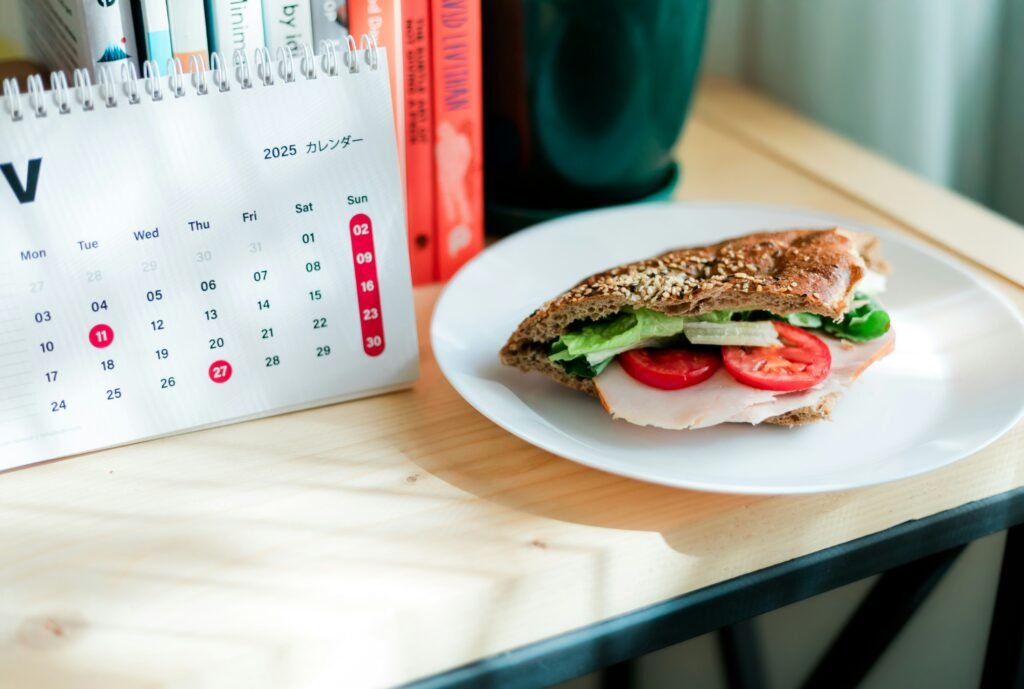
At first, I practiced it three days a week… Sunday, Tuesday, and Thursday.
To complete my fasting window, I skipped breakfast and started eating at around 1:00 PM, giving myself an eating window from 1:00 PM to 9:00 PM.
My usual schedule was:
- 1:00 PM – Lunch
- 7:00 PM – Dinner
- After dinner – Sometimes fruit, milk, or, honestly, even a little junk food. 😂
During my fasting period, I stuck to calorie-free drinks such as water, black coffee, and unsweetened tea.
The First Few Days Were Not Easy!
At first, it felt strange.
And yes, I was hungry!
Sometimes, I would wake up in the morning already feeling hungry.
Whenever my stomach started growling, I would drink plenty of water. Sometimes I’d have black coffee or green tea.
Eventually, my body became accustomed to the schedule.
After a while, I decided to increase the number of days I practiced intermittent fasting.
Eventually, I was doing it five days a week… from Sunday to Thursday.
Since Friday and Saturday were my days off in Dubai, I treated those days as my break from intermittent fasting.
You could call them my “cheat days.” 😂
What Did I Eat During My Eating Window?
When it was time to eat, I tried to make healthier choices, especially fruits and vegetables.
But let’s be honest—avoiding junk food completely isn’t always easy!
For me, it was more about finding a balance.
If I ate something less healthy, I simply tried to get back on track rather than feeling guilty about it.
Some of the healthier foods I included in my diet were:
Fruits
Apples, bananas, berries, oranges, peaches, pears, and other fruits.
Vegetables
Broccoli, cauliflower, cucumbers, leafy greens, tomatoes, and other vegetables.
Whole Grains
Quinoa, rice, oats, barley, buckwheat, and other whole grains.
Healthy Fats
Olive oil, avocados, coconut oil, and other sources of healthy fats.
Protein
Meat, poultry, fish, legumes, eggs, nuts, and seeds.
I Combined Intermittent Fasting with Exercise
I didn’t rely on intermittent fasting alone.
I also started going to the gym and incorporated exercise into my routine.
The result?
Within the first three months, I lost around 3 kg.
Over the next two months, I lost another 2 kg.
By the time our Maldives trip came around in May 2018, I had reached around 59 kg.
I was ready for the beach! 🏝️😂
Did Intermittent Fasting Work for Me?
For me, intermittent fasting seemed to work well.
That’s why I decided to continue doing it.
Another reason was that I had already become accustomed to skipping breakfast.
My body became familiar with my eating schedule, and I started feeling comfortable with it.
Sometimes, I would try eating breakfast or eating more than usual, but I noticed that I would feel uncomfortable or have an upset stomach.
Of course, everyone’s body is different.
What worked for me may not necessarily work for someone else.
Thinking About Trying Intermittent Fasting?
If you’re considering intermittent fasting, my first suggestion is:
Do your research.
Don’t start any type of diet simply because you saw someone else doing it online.
Learn about it first.
Read reliable information, understand how it works, and consider your own health and circumstances.
It can also be helpful to learn about other people’s experiences, but remember that personal experiences are not the same as medical advice.
Our First Taste of Kantarelli: Finland’s Golden Chanterelle Mushrooms
Start Slowly
My second suggestion is:
Don’t rush into it.
I started with the 16:8 method, but you don’t necessarily have to start there.
Some people begin with shorter fasting periods, such as 12:12 or 14:10, before gradually increasing their fasting time.
There are also people who practice longer fasting schedules, but I personally never went that far.
For me, 16:8 was manageable, and I was able to adapt to it relatively quickly.
The important thing is to find an approach that is appropriate and sustainable for you.
What About the Health Benefits?
When I originally wrote this post, I included information from Healthline about potential benefits of intermittent fasting.
Some studies suggest that intermittent fasting may have effects on things such as weight management and blood sugar regulation, but the evidence varies depending on the person, fasting pattern, and overall diet.
Some research has also explored possible effects on longevity, but much of the evidence for longevity comes from animal studies, so it shouldn’t be presented as a proven benefit for humans.
Because research continues to evolve, I think it’s important to be careful about making health claims.
Intermittent fasting isn’t a magic diet, and it isn’t suitable for everyone.

Always Listen to Your Body
If you’re thinking about trying intermittent fasting, especially if you have an existing medical condition, take medications, are pregnant or breastfeeding, or have a history of an eating disorder, it’s important to talk to a qualified healthcare professional first.
Don’t force yourself to follow a fasting schedule just because it worked for someone else.
Your health should always come first.
Looking Back at My Intermittent Fasting Journey
At the time I originally wrote this post, my weight was still around 59 kg.
By then, losing more weight was no longer my goal.
Instead, I wanted to maintain my weight and continue feeling active and healthy.
I also continued going to the gym because my new goal was to become stronger and more toned.
I even had fitness inspirations that motivated me to keep going. 😂
Looking back, though, I realize that the most important lesson wasn’t simply about losing weight.
It was about finding a routine that I could actually maintain.
I learned that healthy living isn’t necessarily about following the most popular diet or achieving a particular number on the weighing scale.
It’s about finding a balance between food, movement, rest, consistency, and enjoying life.
Easy Homemade Cinnamon Roll Recipe
My Biggest Lesson
Intermittent fasting was simply one part of my personal fitness journey.
It helped me become more conscious of when and what I was eating, while exercising helped me stay active.
But everyone’s journey is different.
What worked for me at that time may not work for you—and that’s completely okay.
The goal isn’t to copy someone else’s lifestyle.
The goal is to find a healthy and sustainable lifestyle that works for you.
So, if you’re considering intermittent fasting, do your research, listen to your body, and when in doubt, talk to your doctor or another qualified healthcare professional.
And most importantly…
Don’t forget to enjoy the journey! ❤️

“Take care of your body. It’s the only place you have to live.”
Our health journey is different for each of us. What works for one person may not work for another, and that’s okay. The important thing is to take care of ourselves, be patient with our progress, and learn to appreciate our bodies along the way.
More importantly, I’ve learned that taking care of our health isn’t only about looking good. It’s also about being strong enough to enjoy life, serve our family, pursue our dreams, and do the things God has called us to do.
“Do you not know that your bodies are temples of the Holy Spirit, who is in you, whom you have received from God?”
— 1 Corinthians 6:19 (NIV)
Looking back at my intermittent fasting journey, I realized that my goal wasn’t really just about losing weight.
It was about learning discipline, consistency, and self-control.
There were days when it was difficult. There were days when I wanted to eat outside my eating window or skip my workout. But little by little, I learned that small, consistent choices can eventually lead to meaningful changes.
And I think the same principle applies to life.
Sometimes, we pray for big changes, but God teaches us to begin with small steps.
We may not see the results immediately. We may even wonder if what we’re doing is making a difference. But when we remain faithful and consistent, we eventually look back and realize how far we’ve come.
Our bodies are a gift from God, and taking care of them is one way of being grateful for that gift.
So whether your goal is to become healthier, stronger, more disciplined, or simply to feel better about yourself, don’t compare your journey with someone else’s.
Take it one day at a time.
Be patient with yourself.
Take care of the body God has given you.
And above all, remember that true health is not measured only by the number on the weighing scale, but also by how we live, how we treat ourselves, and how we use the life God has given us.
Small steps. Consistency. Faith.
That’s what I learned from my journey.
And if you’re also on your own health and fitness journey…
We can do it, beshies! ❤️
Mwah! 😘
Sources
- National Institute of Diabetes and Digestive and Kidney Diseases (NIDDK) – Intermittent Fasting and Weight Management
Discusses current research on intermittent fasting and time-restricted eating, including potential weight-loss effects and considerations for people with diabetes. The research summarized by NIDDK suggests that intermittent fasting can be one approach to weight management, but it has not consistently been shown to be superior to ordinary calorie restriction. NIDDK - National Institutes of Health (NIH) – Time-Restricted Eating for Metabolic Syndrome
Reports on research involving an 8- to 10-hour daily eating window. The study found modest improvements in some metabolic measures after three months, while emphasizing that longer-term studies are still needed to understand the benefits and risks. National Institutes of Health - BMJ / PubMed – Intermittent Fasting Strategies and Their Effects on Body Weight and Cardiometabolic Risk Factors
A 2025 systematic review and network meta-analysis of randomized clinical trials comparing intermittent fasting approaches with continuous calorie restriction and unrestricted eating. It examined effects on weight, blood glucose, cholesterol, blood pressure and other cardiometabolic outcomes. PubMed - PubMed – Intermittent Fasting for Weight Management and Metabolic Health: An Updated Umbrella Review
A large review of existing systematic reviews and meta-analyses examining intermittent fasting and outcomes such as body weight and metabolic health. It highlights that results vary depending on the type of fasting, study population and outcome being measured. PubMed - NIDDK – Fasting Safely With Diabetes
Explains why fasting can require additional caution for people with diabetes, particularly because of risks such as low or high blood sugar, dehydration and interactions with diabetes medications. NIDDK - PubMed – Intermittent Fasting and Eating-Disorder Risk
Research has found associations between intermittent fasting and eating-disorder symptoms in some populations. This supports being cautious about fasting when someone has a current or previous eating disorder and discussing dietary changes with an appropriate healthcare professional. PubMed - PubMed – Dietary Patterns During Pregnancy and Lactation
A 2025 review discusses nutritional needs during pregnancy and breastfeeding and notes that evidence regarding intermittent fasting during pregnancy remains mixed. Individualized nutritional guidance is particularly important during these life stages. PubMed
Important
This article shares my personal experience with intermittent fasting and should not be considered medical or nutritional advice. Intermittent fasting may not be suitable for everyone. People who are pregnant or breastfeeding, have diabetes or another medical condition, take medications that may be affected by fasting, or have a history of disordered eating should discuss major changes to their eating pattern with a qualified healthcare professional.
Research on intermittent fasting continues to evolve, and its effects can vary depending on the fasting method, overall diet, individual health and other lifestyle factors.
Originally published: December 23, 2019
Updated: August 2026


Lol I came here for the same reason😂😂