Breastfeeding can be a beautiful part of motherhood, but it can also come with plenty of questions, especially for first-time moms.
One of the most common worries is:
“Am I producing enough breast milk for my baby?”
And with so many lactation teas, supplements, recipes, and foods being recommended online, it can be difficult to know what actually works.
First of all, there is absolutely nothing wrong with feeding a baby with formula when it is needed or preferred. Every mother’s situation is different. Some may experience challenges with milk production, while others may return to full-time work, combination-feed, exclusively pump, or simply choose formula feeding.
What matters most is that the baby is safely and adequately fed.
True low milk supply can occur for different reasons, but many mothers who worry about supply may actually be producing enough. Breast milk production works largely on supply and demand: frequent breastfeeding or pumping sends signals to the breasts to continue producing milk. Good positioning and an effective latch are also important.
At the time I originally wrote this article, I was preparing to become a first-time mom and wanted to learn everything I could about breastfeeding, including foods that might support milk production and postpartum nutrition.
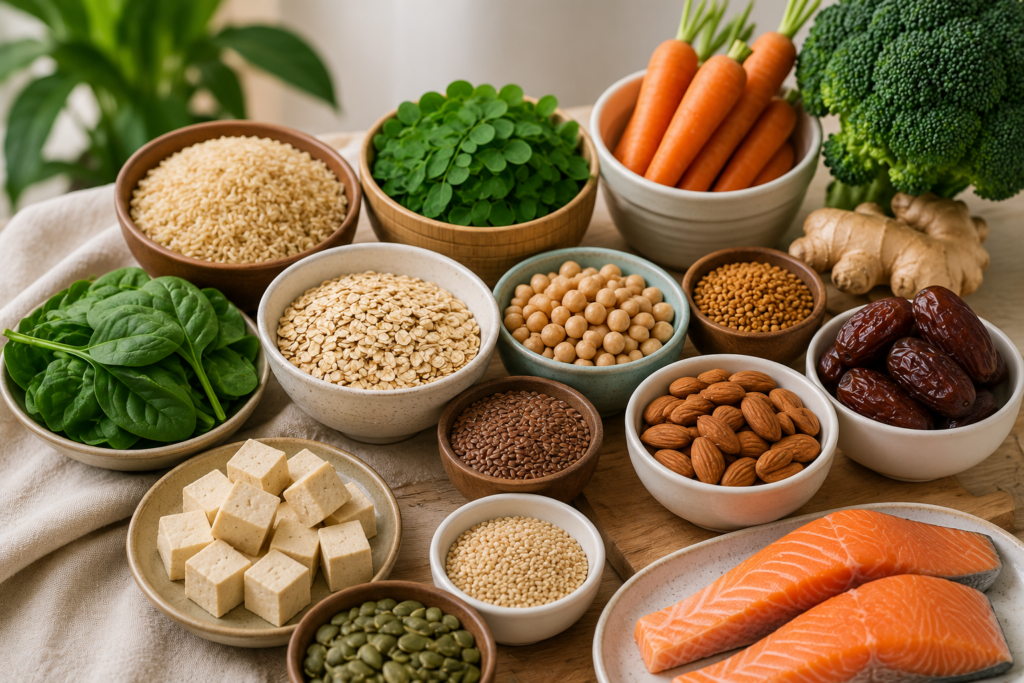
So, if you’re also curious, here are 19 nutritious foods that are commonly associated with breastfeeding and lactation support.
1. Moringa
Moringa, also known as malunggay in the Philippines, is probably one of the most familiar postpartum foods for Filipino mothers.
Its leaves contain nutrients such as iron, calcium, vitamins, and plant compounds, making them a nutritious addition to meals.
Moringa has also been studied as a possible galactagogue, which means a substance thought to help increase milk production. Some research has reported increases in milk volume, although study quality and results vary, and more evidence is still needed regarding its effectiveness and long-term safety.
You can add moringa leaves to soups, vegetable dishes, or other home-cooked meals.
And being Filipino, malunggay in tinola sounds pretty good to me! 🙂

2. Brown Rice
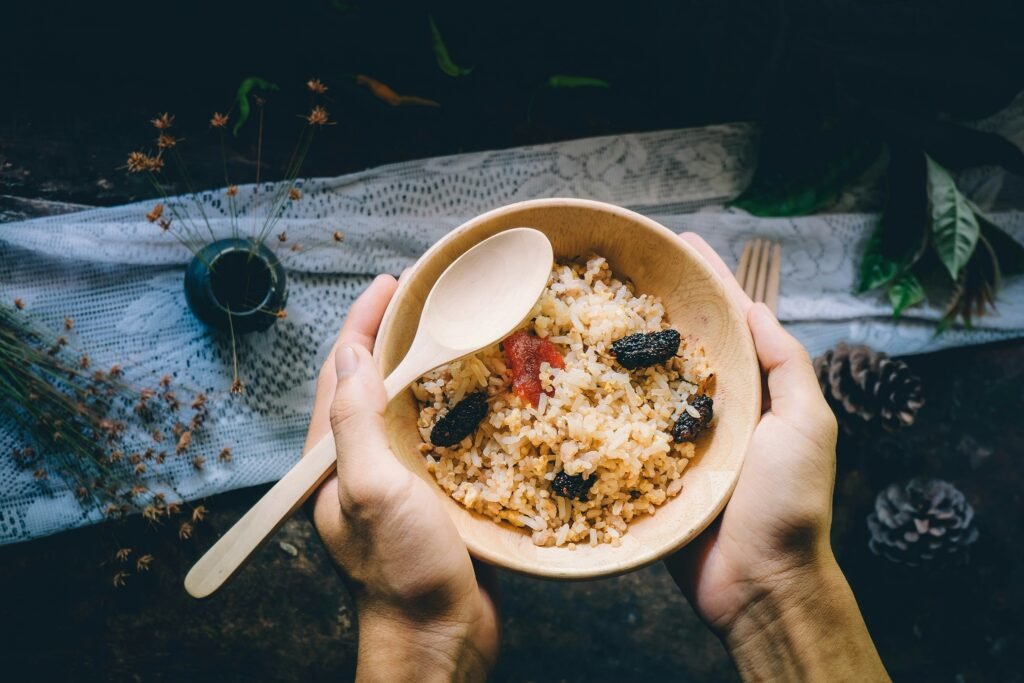
Brown rice is a whole grain that provides carbohydrates, fiber, vitamins, and minerals.
There isn’t strong evidence that brown rice itself directly increases breast milk production, but breastfeeding mothers need enough energy and nutrients to support recovery and milk production.
You can substitute brown rice for white rice or incorporate it into savory dishes, rice bowls, and other meals.
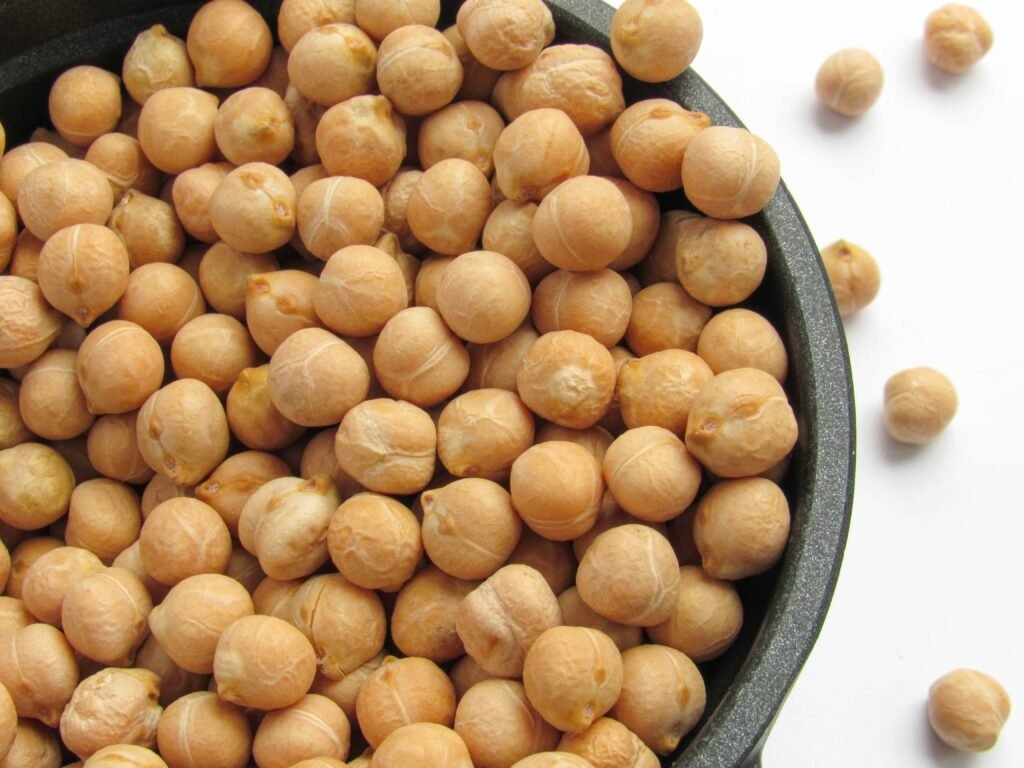
3. Chickpeas
Chickpeas are rich in plant-based protein, fiber, folate, iron, and several other nutrients.
They also contain plant compounds known as phytoestrogens, which is one reason chickpeas have traditionally been included in foods believed to support lactation.
However, evidence that chickpeas themselves significantly increase milk supply is limited.
Still, they’re a healthy and versatile addition to a breastfeeding diet.
You can enjoy them in:
- Curries
- Soups
- Salads
- Hummus
- Roasted snacks
4. Tofu
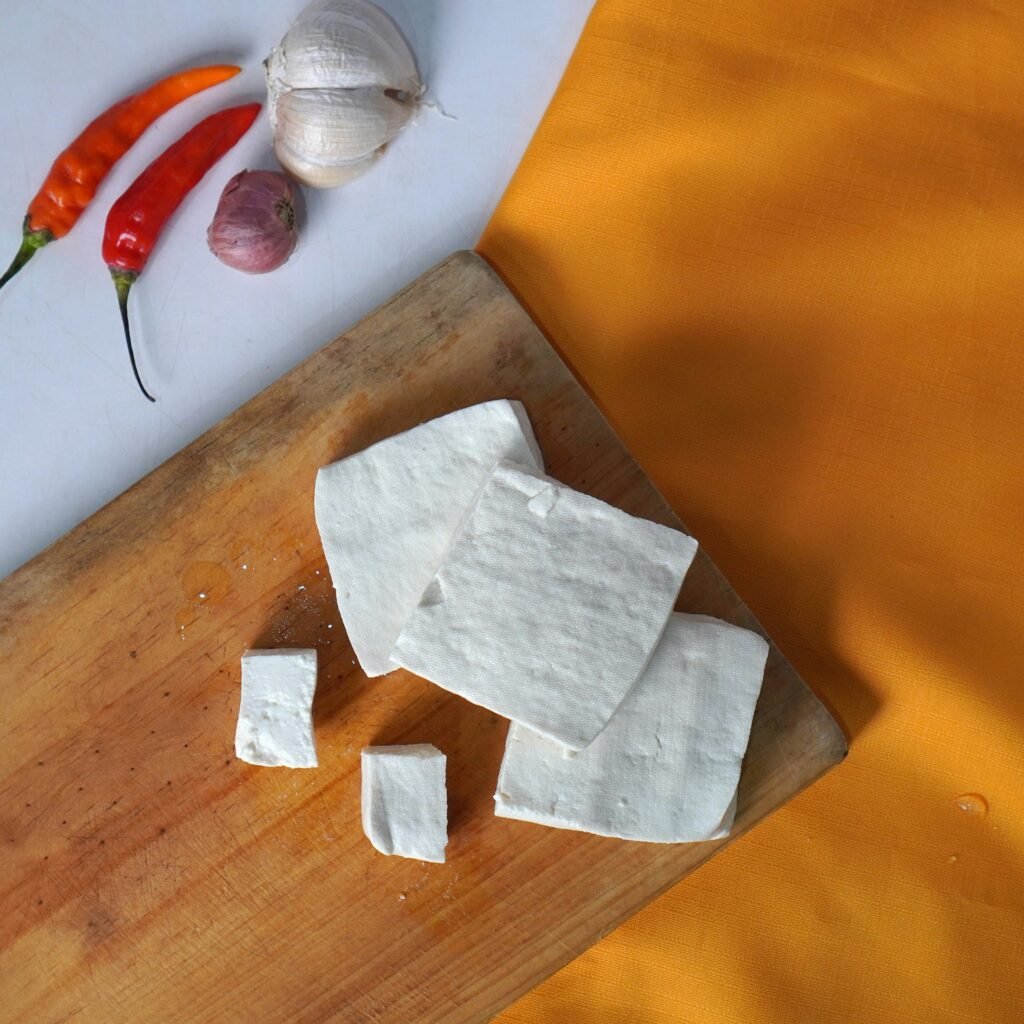
Tofu is another nutritious plant-based protein source.
It provides protein, calcium when prepared with calcium salts, iron, and other nutrients that may help breastfeeding mothers meet their nutritional needs.
Soy foods also contain phytoestrogens and appear in traditional lactation diets in several cultures, although this doesn’t mean tofu has been proven to increase breast milk supply.
Some delicious options include:
- Stir-fried tofu
- Sizzling tofu
- Tofu soup
- Tofu salad
- Tofu with vegetables
5. Oats
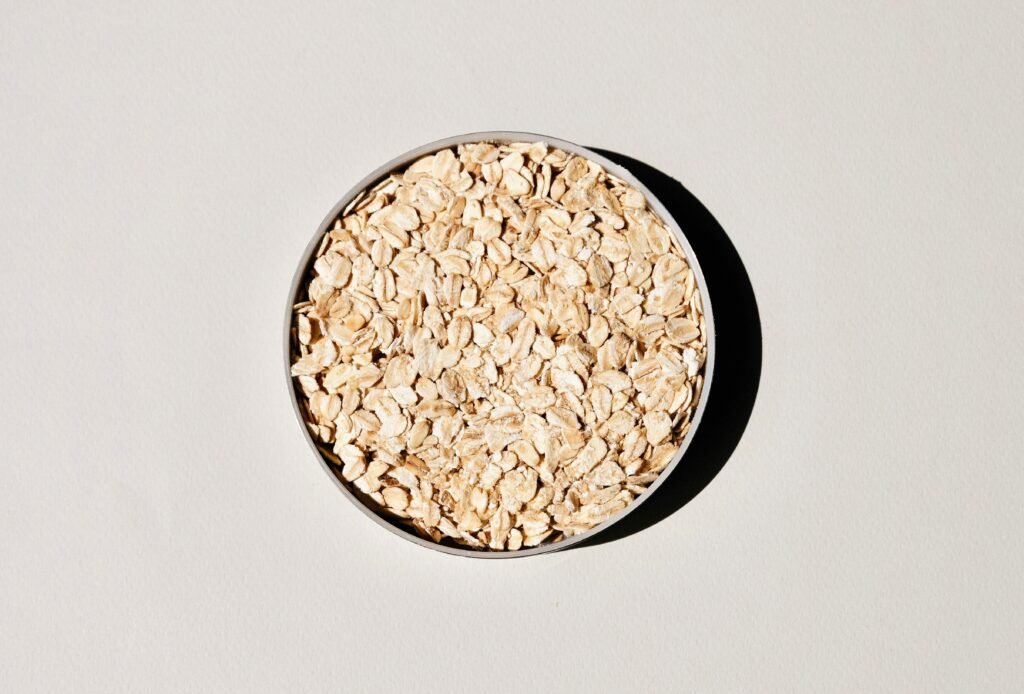
Oats are one of the most commonly recommended foods for breastfeeding mothers.
They’re a whole grain containing fiber, iron, carbohydrates, and several vitamins and minerals.
Many mothers swear by oatmeal, oat cookies, and oat-based lactation snacks. However, scientific evidence that oats directly raise oxytocin or significantly increase milk volume is limited.
They’re still an excellent breakfast choice because they’re filling, easy to prepare, and nutritious.
You can use oats in:
- Porridge
- Overnight oats
- Smoothies
- Cookies
- Homemade breads
- Energy bites
I also love adding them to smoothies!
6. Barley
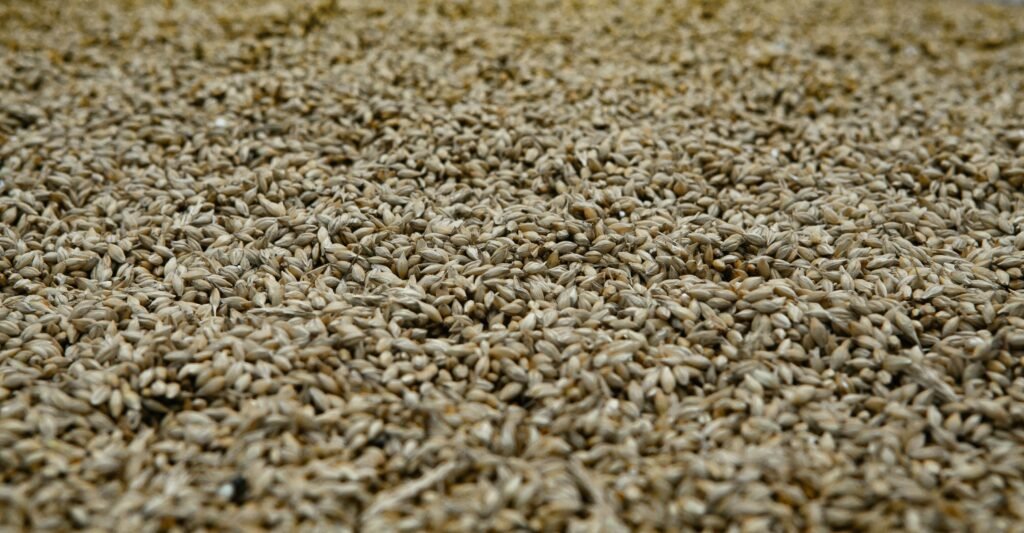
Barley is another nutrient-rich whole grain and is traditionally included in some lactation-supporting diets.
Research has explored compounds in barley that may influence prolactin, a hormone involved in milk production, but evidence showing that eating barley reliably increases milk supply is not yet strong enough to guarantee an effect.
Still, barley provides fiber and carbohydrates and can easily be added to:
- Soups
- Stews
- Porridge
- Salads
- Homemade breads
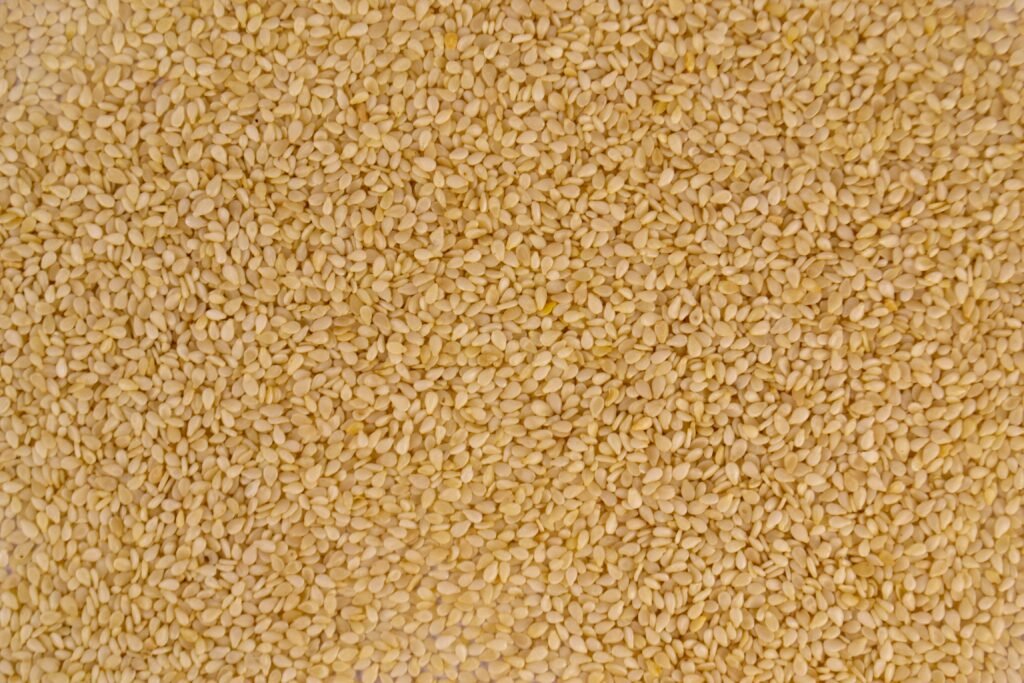
7. Sesame Seeds
Sesame seeds are small but nutrient-dense.
They contain healthy fats, plant protein, calcium, iron, and several beneficial plant compounds.
Because of their nutritional profile and traditional use, sesame seeds are sometimes included in postpartum and lactation diets.
Evidence specifically linking sesame consumption to increased human breast milk production remains limited, but they can certainly be part of a balanced breastfeeding diet.
Sprinkle them over:
- Salads
- Rice bowls
- Breads
- Noodles
- Homemade snacks
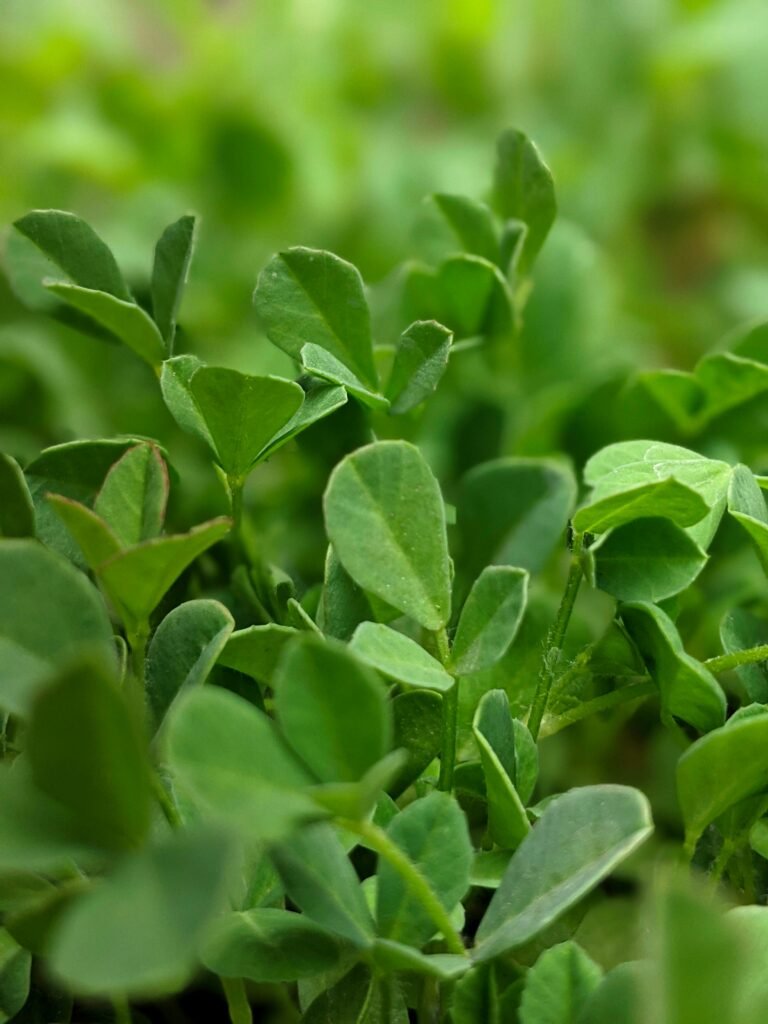
8. Fenugreek
Fenugreek is probably one of the best-known herbal galactagogues.
Some studies suggest that it may increase milk production in certain breastfeeding mothers, but the evidence is mixed and the response varies greatly from one person to another.
It can also cause side effects. LactMed notes reports of digestive symptoms and other reactions among mothers taking fenugreek.
Because herbs can interact with medications and medical conditions, it’s a good idea to speak with your doctor, pharmacist, or lactation professional before taking concentrated fenugreek supplements.
Using small amounts as a normal culinary ingredient is different from taking high-dose capsules or teas.
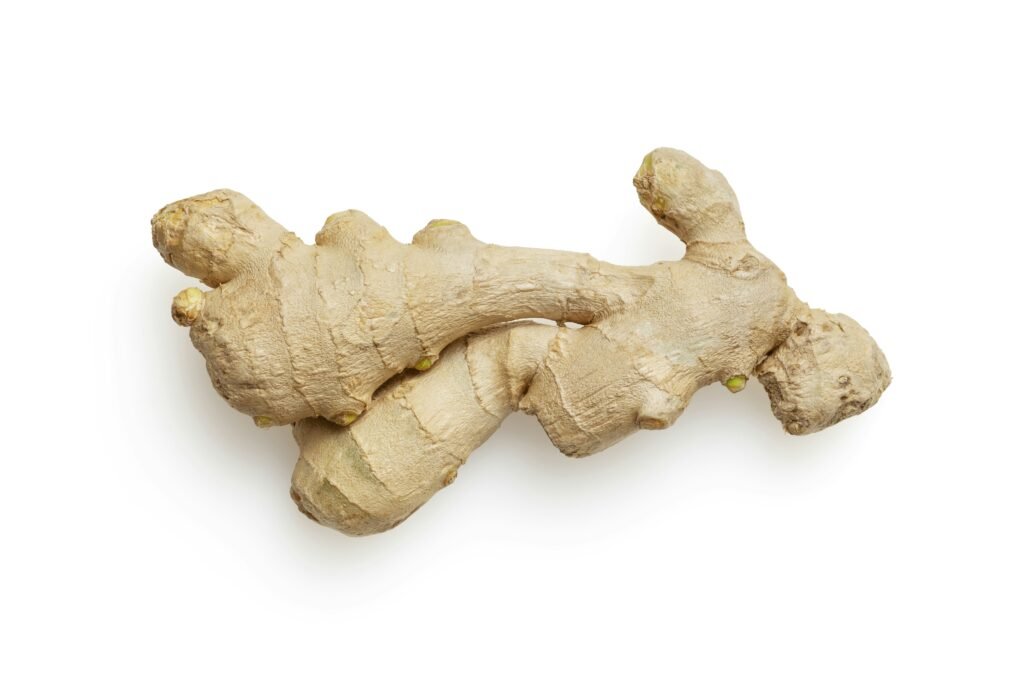
9. Ginger
Ginger is widely used in Asian cooking and has a long history of traditional medicinal use.
It can help add flavor to meals and is commonly consumed during the postpartum period in some cultures.
Some small studies have explored ginger-containing preparations for lactation support, but ginger should not be viewed as a guaranteed milk booster.
You can enjoy it in:
- Soups
- Stir-fries
- Tea
- Stews
- Homemade beverages
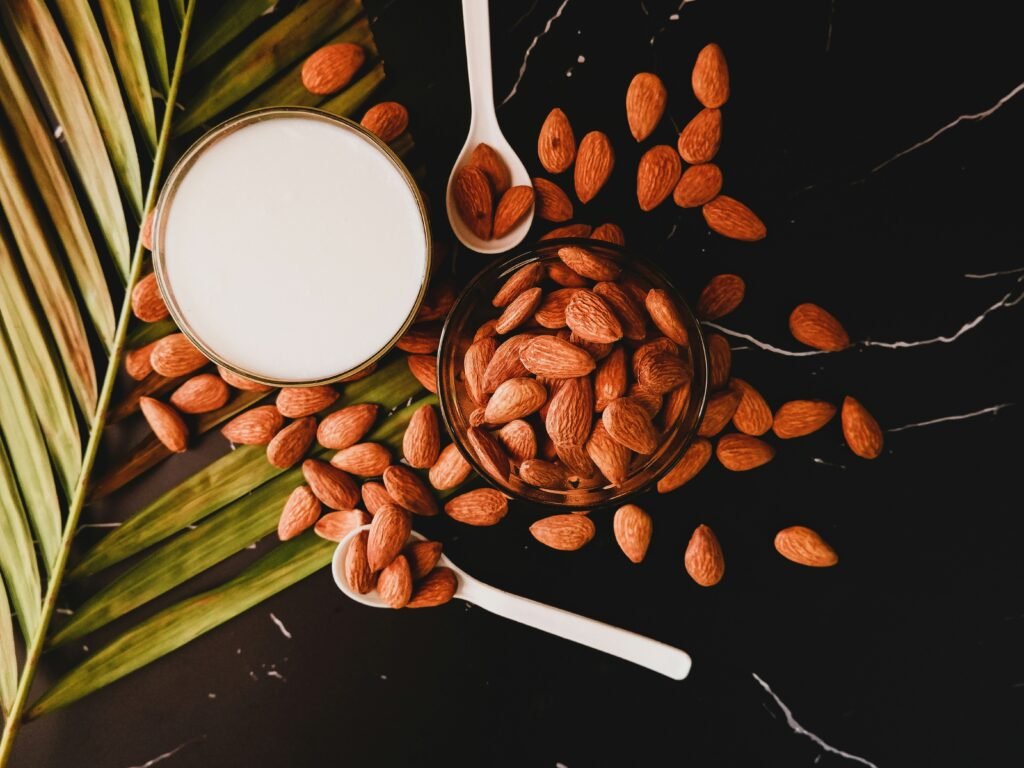
10. Almonds
Almonds provide healthy fats, protein, fiber, vitamin E, magnesium, and several other nutrients.
They are traditionally included in postpartum diets in some cultures and are sometimes described as lactogenic.
Although there isn’t enough evidence to say that almonds directly increase breast milk supply, they’re an easy nutrient-dense snack for breastfeeding mothers.
You can:
- Eat a handful as a snack
- Add them to oatmeal
- Blend them into smoothies
- Use almond butter
- Drink fortified almond milk
Just be mindful of nut allergies.
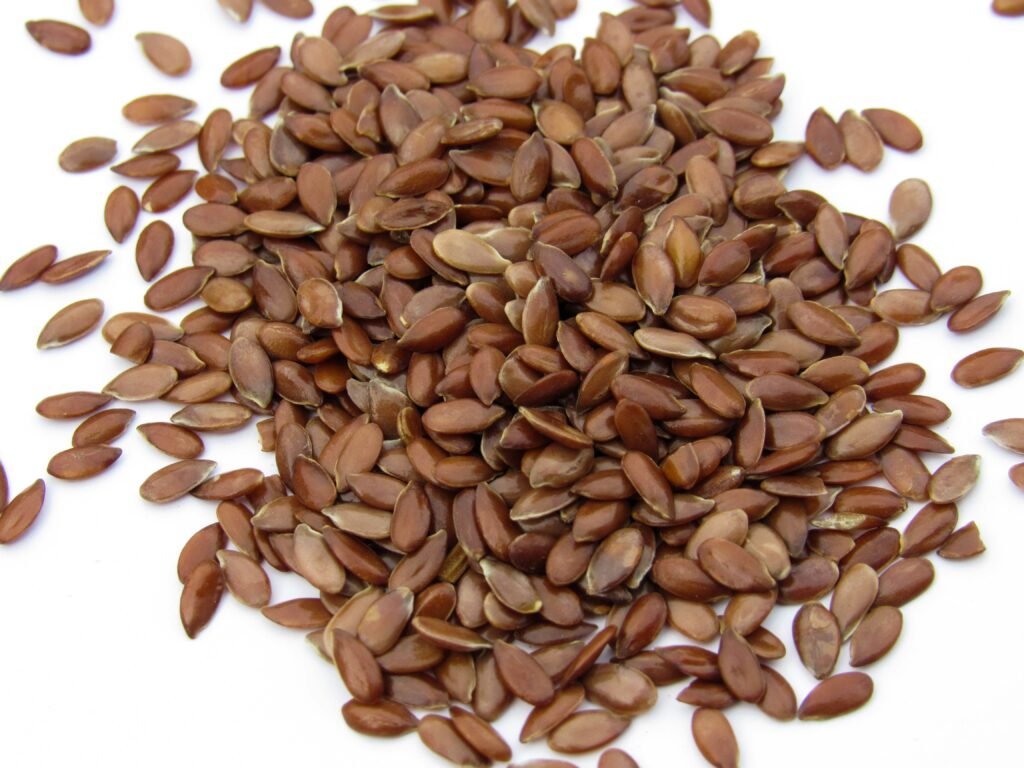
11. Flaxseed
Flaxseed provides fiber and alpha-linolenic acid (ALA), a plant-based omega-3 fatty acid.
It also contains lignans, a type of phytoestrogen.
There is limited evidence that flaxseed itself increases breast milk production, but it can be a nutritious addition to the diet.
Ground flaxseed is easier for the body to digest than whole seeds.
Try adding it to:
- Oatmeal
- Smoothies
- Yogurt
- Baked goods
- Soups
12. Turmeric
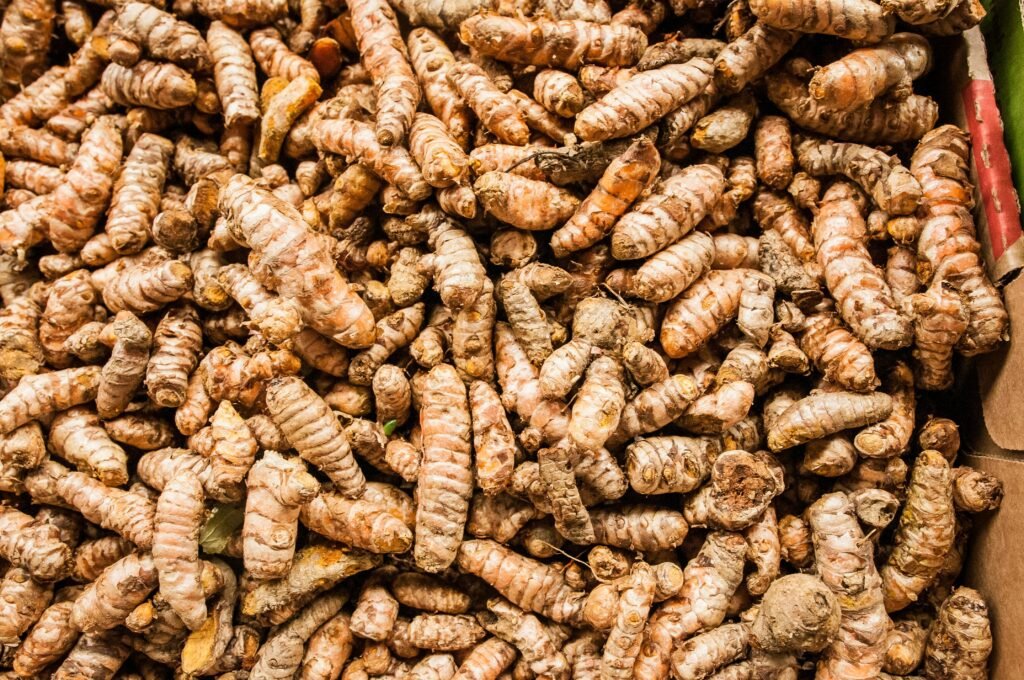
Turmeric is widely used in cooking and contains curcumin, a plant compound studied for its anti-inflammatory properties.
Some traditional lactation mixtures combine turmeric with herbs such as fenugreek and ginger.
However, turmeric alone has not been proven to significantly increase breast milk supply.
Using turmeric normally as a culinary spice is generally different from taking concentrated supplements, so check with a healthcare professional before using high-dose herbal products while breastfeeding.
13. Carrots
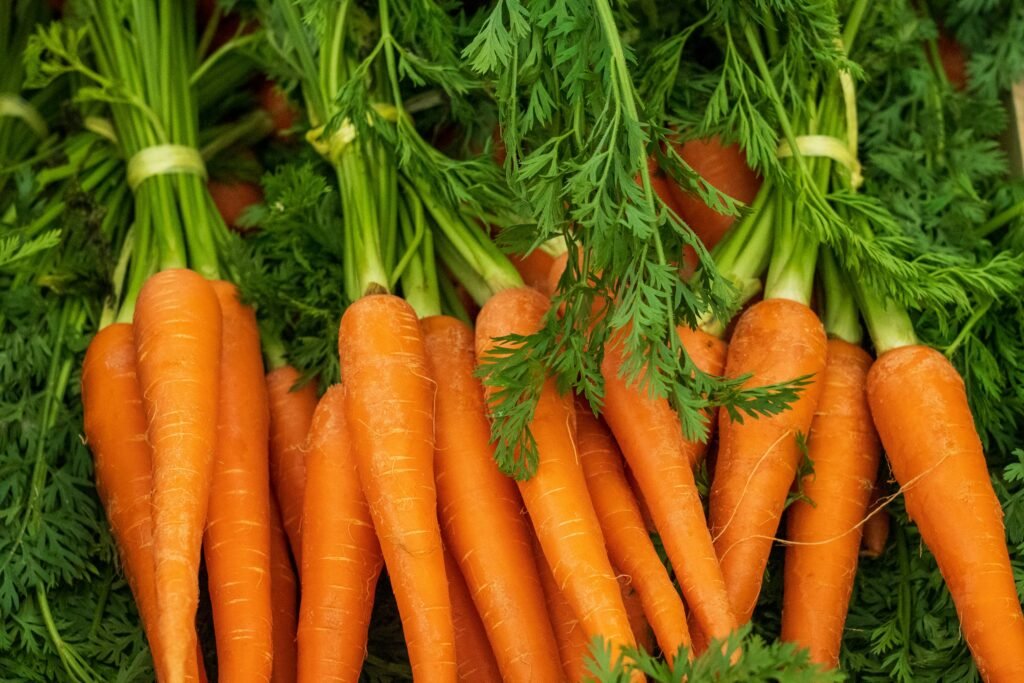
Carrots are an excellent source of beta-carotene, which the body converts into vitamin A.
Vitamin A is important for normal vision, immune function, and growth.
Carrots aren’t a proven galactagogue, but they are nutritious, affordable, and easy to incorporate into a breastfeeding diet.
You can eat them:
- Raw
- Steamed
- Roasted
- In soups
- In salads
- In vegetable dishes
14. Spinach
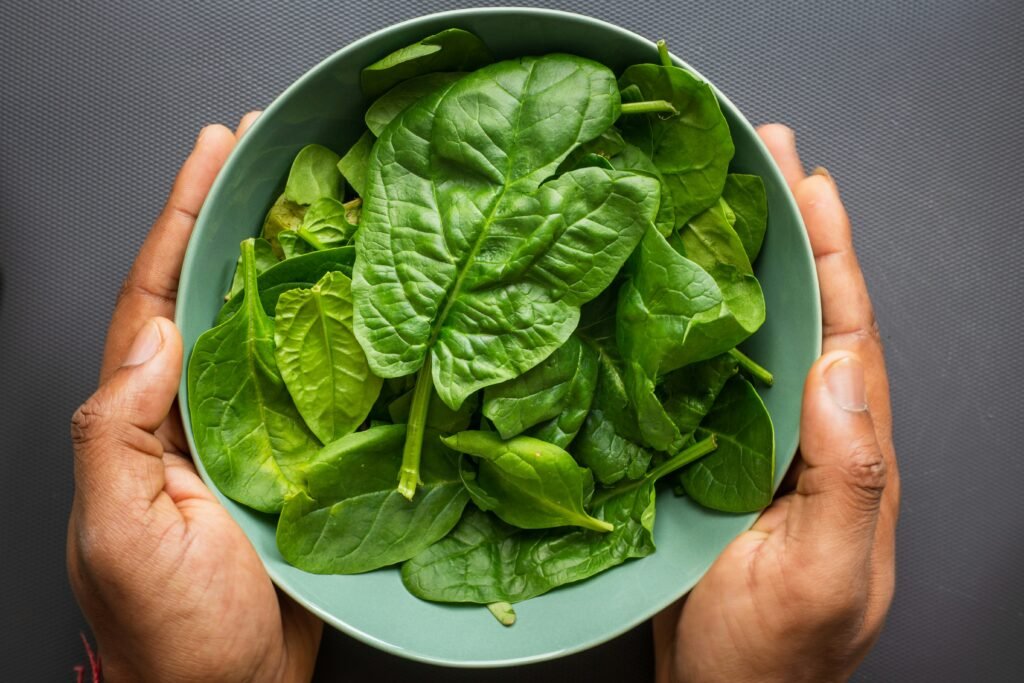
Spinach is packed with folate, iron, vitamin K, vitamin A precursors, and other nutrients.
Iron is particularly important after childbirth because some mothers may experience iron deficiency, especially after significant blood loss.
However, severe anemia or iron deficiency should be assessed and treated properly rather than relying solely on food.
Other iron-containing foods include:
- Meat
- Beans
- Lentils
- Chickpeas
- Other leafy green vegetables
Spinach can be added to soups, eggs, salads, pasta, and many other dishes.
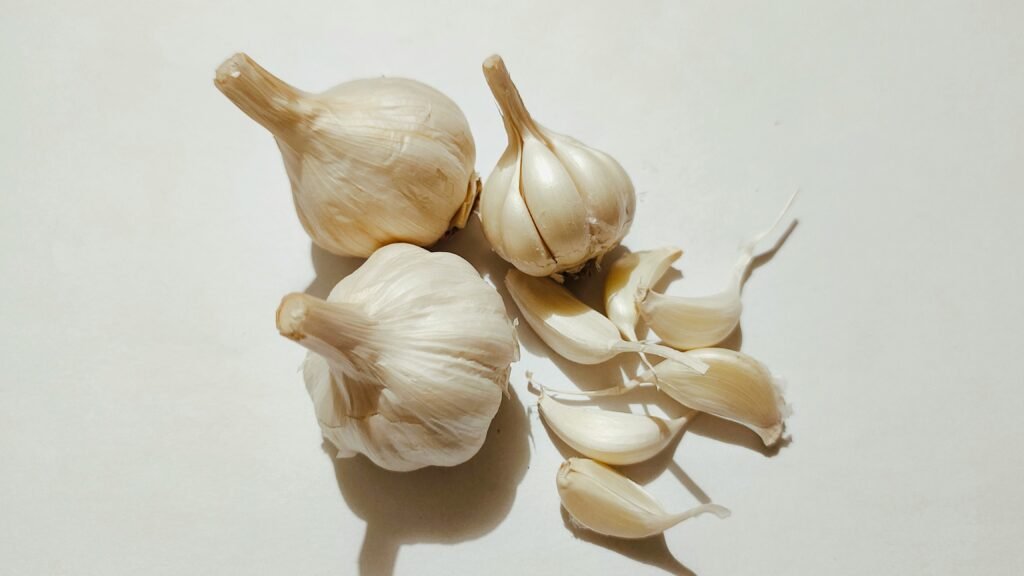
15. Garlic
Garlic is one of those ingredients I could probably add to almost everything. 🙂
It contains several sulfur-containing compounds and can be a flavorful addition to a healthy diet.
Older research has explored whether garlic changes the flavor of breast milk and affects infant feeding behavior, but it should not be presented as a guaranteed way to increase milk production.
There is also no need for breastfeeding mothers to routinely avoid garlic unless they personally notice a problem.
Every baby is different.
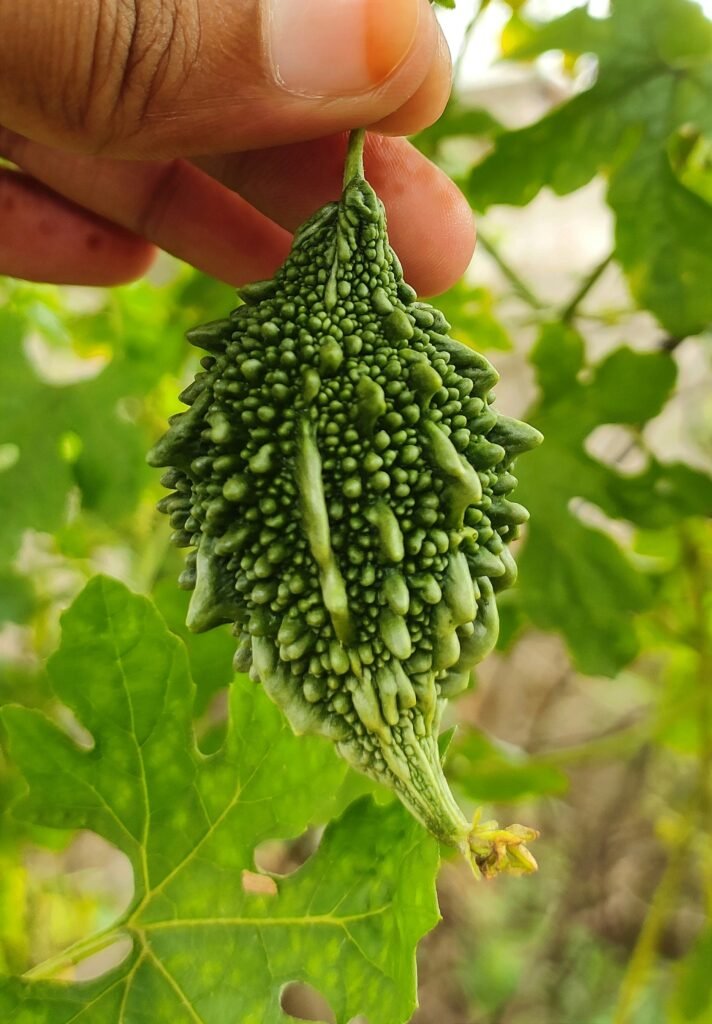
16. Bitter Gourd
Bitter gourd, also known as bitter melon or ampalaya, contains vitamins, minerals, fiber, and plant compounds.
It is widely eaten in Asian diets and can certainly form part of a healthy postpartum meal plan.
However, there is not enough scientific evidence to conclude that bitter gourd itself increases breast milk supply.
So enjoy it because it’s nutritious—not because you have to force yourself to eat ampalaya for milk production. 🙂
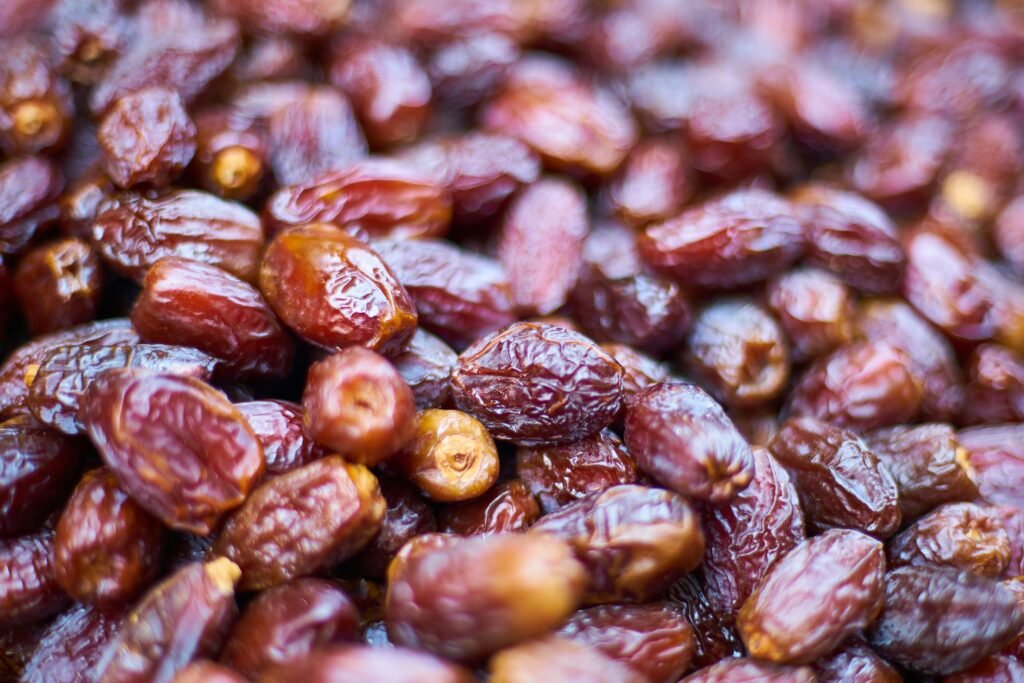
17. Dates
Dates provide carbohydrates, fiber, potassium, and various plant compounds.
They’re easy to eat as a snack and can help provide quick energy during the demanding postpartum period.
Some research has investigated traditional foods such as dates in relation to lactation, but evidence that eating dates significantly raises prolactin or milk volume is still limited.
You can enjoy them:
- On their own
- In oatmeal
- In smoothies
- Chopped into yogurt
- In homemade energy bites
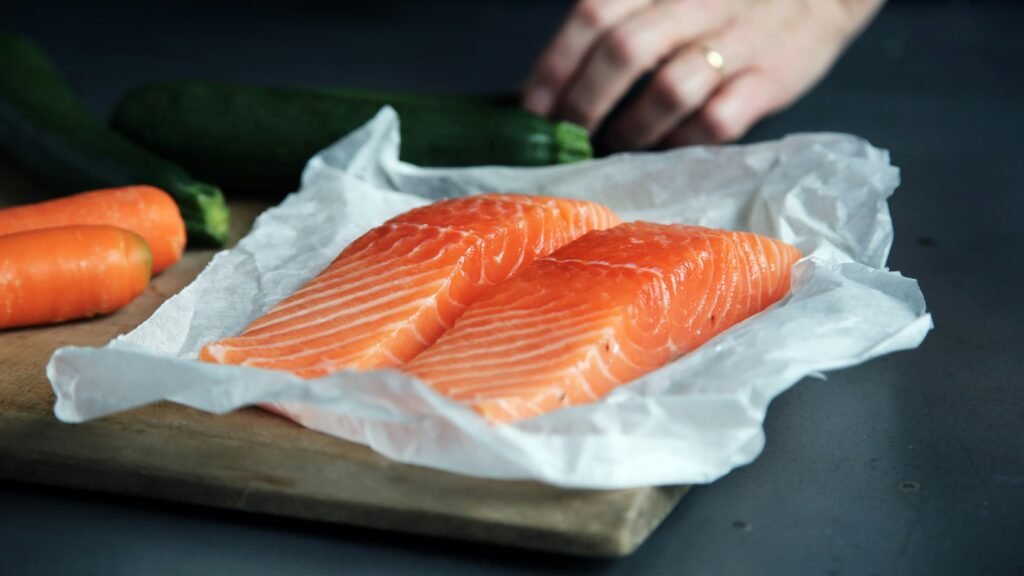
18. Salmon
Salmon is an especially valuable food for breastfeeding mothers—not because it is a magic milk booster, but because it provides important nutrients.
It is rich in:
- High-quality protein
- Vitamin B12
- Vitamin D
- Selenium
- DHA and EPA omega-3 fatty acids
Omega-3 fatty acids, particularly DHA, are important for infant brain and eye development and can contribute to the fatty-acid composition of breast milk.
Choose seafood according to current pregnancy and breastfeeding advice regarding mercury levels and food safety.
18 Surprising Health Benefits of Eating Seafood
19. Pumpkin Seeds
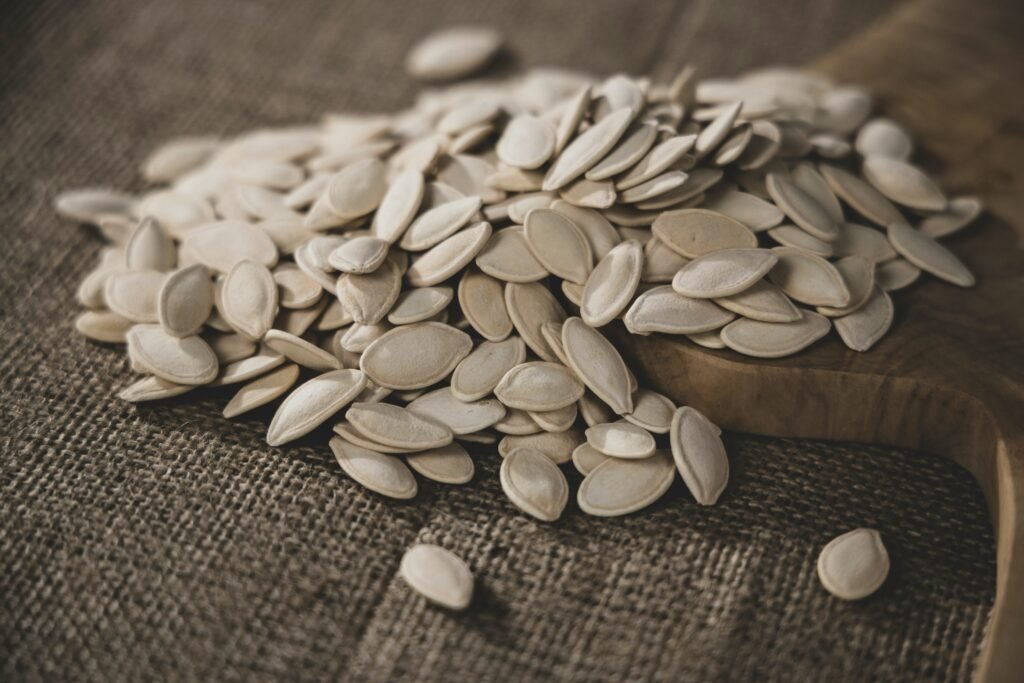
Pumpkin seeds provide protein, iron, magnesium, zinc, healthy fats, and fiber.
Although research does not show that pumpkin seeds alone reliably increase breast milk supply, they’re an easy way to add extra nutrition to meals and snacks.
Try them:
- Sprinkled over oatmeal
- Added to salads
- Mixed into yogurt
- Included in homemade granola
- Eaten as a snack
Health Benefits of Seed Cycling
What Actually Helps Increase Breast Milk Supply?
Before buying every lactation snack in the supermarket, there is one very important thing to understand:
Milk production is mainly driven by milk removal.
Breastfeeding frequently, ensuring the baby is well positioned and latched, and pumping or expressing milk when the baby isn’t feeding directly are among the main ways to establish and increase supply.
Some practical measures include:
- Breastfeeding frequently according to your baby’s feeding cues
- Offering both breasts
- Making sure your baby has an effective latch
- Using skin-to-skin contact
- Expressing or pumping when direct breastfeeding isn’t possible
- Getting enough food and fluids for your own health
- Seeking help early when you are concerned about milk supply
If your baby is not gaining weight adequately, has fewer wet diapers than expected, appears dehydrated, or you are concerned that milk production is genuinely low, contact your baby’s healthcare provider or a qualified lactation professional.
Don’t rely only on herbs, cookies, teas, or online advice.
Do You Need to Avoid Certain Foods While Breastfeeding?
My original article listed sage, parsley, peppermint, and chasteberry as foods that should be avoided because they may decrease milk supply.
I would soften that statement.
Evidence that normal culinary amounts of these foods reduce milk production is limited. Concentrated herbal supplements are different, however, and some herbs may affect milk supply or interact with medications.
Likewise, breastfeeding mothers don’t automatically need to eliminate caffeine entirely. Moderate caffeine intake can often be compatible with breastfeeding, although very young babies may be more sensitive.
Alcohol requires more specific precautions because it enters breast milk, so follow current health guidance if you choose to drink while breastfeeding.
And remember: you do not need a perfect diet to breastfeed successfully.
A varied, nutritious diet is much more important than chasing individual “superfoods.”

A Word From the Author
When I originally wrote this article, I was preparing to become a first-time mother.
Like many expecting moms, I wanted to prepare for everything.
I wanted to know what foods I should eat, what vitamins I needed, how I could produce enough milk, and how I could give our baby the best possible start.
But the more I learned, the more I realized that motherhood isn’t about doing everything perfectly.
Breastfeeding may work beautifully for one mother and be incredibly difficult for another.
Some mothers exclusively breastfeed.
Some pump.
Some combination-feed.
Some use formula.
And sometimes, what we originally planned simply isn’t what ends up being best for us and our baby.
There is no shame in that.
What matters is that our babies are nourished, safe, loved, and growing.

Final Thoughts
Food plays an important role in postpartum recovery and breastfeeding because mothers need enough energy, protein, healthy fats, vitamins, minerals, and fluids.
Moringa, oats, chickpeas, tofu, spinach, salmon, seeds, nuts, and the other foods on this list can all contribute valuable nutrients.
Some, particularly moringa and fenugreek, have also been studied as possible galactagogues, although the evidence is not strong enough to guarantee the same result for every mother.
The biggest lesson is this:
Don’t judge your milk supply by one food, one pumping session, or what another mother produces.
Every breastfeeding journey is different.
If you’re worried, ask for help early. A lactation consultant, midwife, nurse, pediatrician, or other breastfeeding professional can help determine whether your baby is transferring enough milk and whether your supply actually needs to be increased.
And if breastfeeding doesn’t go exactly as planned, remember that motherhood is measured by far more than ounces of breast milk.
It’s measured in the feeding sessions at 3 a.m., the cuddles, the worry, the patience, and the countless little things we do every day for our children.
“A mother’s love grows by giving.”
“As a mother comforts her child, so will I comfort you.” — Isaiah 66:13
Whether your baby is fed from the breast, expressed milk, formula, or a combination of them, feeding your child is still an act of love.
Take care of your baby—but don’t forget to nourish and take care of yourself too. ❤️
Sources
- https://www.cdc.gov/infant-toddler-nutrition/breastfeeding/newborn-basics.html
- https://www.nhs.uk/best-start-in-life/baby/feeding-your-baby/breastfeeding/breastfeeding-challenges/milk-supply
- https://wicbreastfeeding.fns.usda.gov/low-milk-supply
- https://www.ncbi.nlm.nih.gov/books/NBK501899
- https://www.ncbi.nlm.nih.gov/books/NBK501779
- https://pubmed.ncbi.nlm.nih.gov/29193352
- https://pubmed.ncbi.nlm.nih.gov/27779388
- https://pubmed.ncbi.nlm.nih.gov/28609178
- https://www.ncbi.nlm.nih.gov/books/NBK501827
- https://ods.od.nih.gov/factsheets/Omega3FattyAcids-Consumer
- https://www.health.harvard.edu/heart-health/seed-of-the-month-flaxseeds
- https://www.seafoodhealthfacts.org/seafood-choices/top-commercial-seafood-items
Medical disclaimer: This article is for general informational purposes only and is not intended to replace advice from your doctor, midwife, pediatrician, dietitian, or lactation professional.
Reasons Why You Have To Do A Baby Shower
Treat Every Day As A New Chapter of Your Life
How To Stop Giving A F**k About What Others Think of You
How To Smoothly End An Argument
How To Be A Better Person
Should I Be Scared With Labor and Delivery?
11 Ways To Achieve Financial Freedom
Himalaya Evecare Capsule: My Fertility and Product Review
Originally Published: March 4, 2022
Updated: August 2026