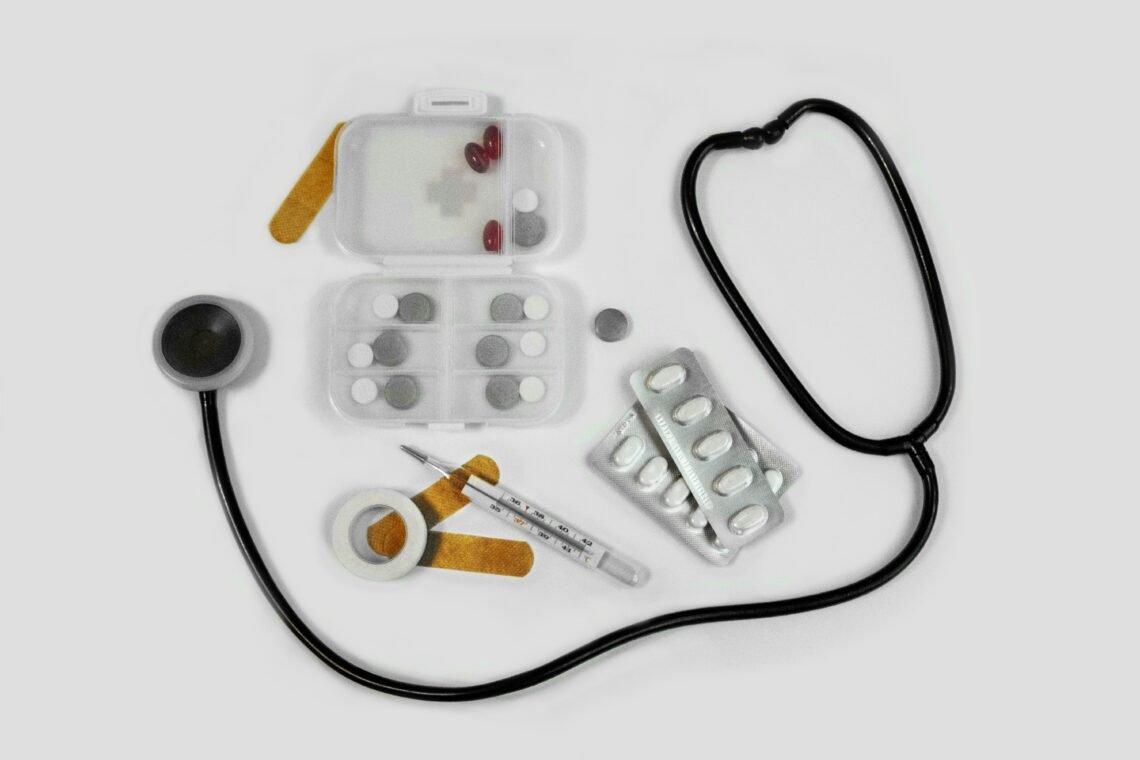
High blood pressure, or hypertension, is often called the “silent killer” because it may not cause noticeable symptoms while increasing the risk of serious conditions such as heart disease and stroke.
The good news is that there are many lifestyle changes that can help prevent and manage high blood pressure. Eating a healthier diet, becoming more physically active, maintaining a healthy weight, reducing sodium, managing stress, getting enough sleep, and avoiding smoking can all contribute to better heart health.
However, natural approaches should not automatically be considered a replacement for prescribed medication. If you have been diagnosed with hypertension or are already taking medication, talk to your doctor before making major changes or stopping any treatment.
So, what can you do to support healthier blood pressure naturally?
Here are some practical lifestyle changes worth considering.
The Basics: Understanding Blood Pressure
Blood pressure is measured in millimeters of mercury (mmHg) and is written using two numbers, such as 120/80.
- Systolic blood pressure – the top number, which represents the pressure in your arteries when your heart beats.
- Diastolic blood pressure – the bottom number, which represents the pressure between heartbeats.
Current U.S. guidelines classify normal blood pressure as below 120/80 mmHg, while readings of 130/80 mmHg or higher may indicate hypertension depending on the overall clinical picture.
Why Does Blood Pressure Become High?
Blood pressure can temporarily increase during exercise, stress, or after consuming caffeine. However, persistently elevated blood pressure can develop for many reasons, including diet, excess body weight, inactivity, smoking, alcohol consumption, stress, certain medications, genetics, and other medical conditions.
Some lifestyle-related factors include:
- Eating too much sodium
- Being overweight
- Not getting enough physical activity
- Drinking too much alcohol
- Smoking
- Chronic stress
- Poor-quality sleep
Certain medications and underlying health conditions can also contribute to high blood pressure.
21 Natural Ways to Help Lower Blood Pressure
1. Increase Your Physical Activity
Exercise is one of the best lifestyle changes you can make for your heart.
You don’t necessarily need to spend hours at the gym. Walking, swimming, cycling, dancing, gardening, and even household activities can help you become more physically active.
Aim for regular moderate-intensity physical activity throughout the week. The American Heart Association recommends physical activity as an important part of preventing and managing high blood pressure.
Remember: Start gradually if you have been inactive, especially if you have a medical condition.
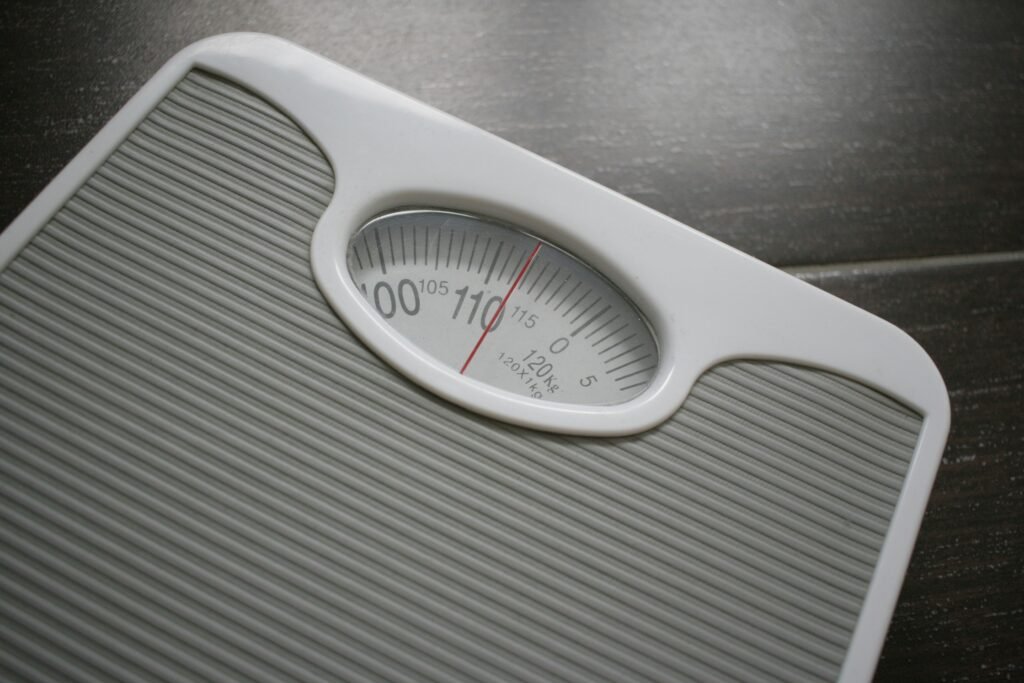
2. Maintain a Healthy Weight
Excess body weight can put additional strain on the heart and cardiovascular system.
If you are overweight, even modest weight loss can help improve blood pressure and overall health. The goal doesn’t have to be dramatic or immediate. Small, sustainable changes can make a difference.
3. Learn to Manage Stress
Stress is part of everyday life, whether it comes from work, family responsibilities, finances, or other situations.
We may not be able to eliminate every source of stress, but we can learn healthier ways to manage it.
You may try to:
- Practice gratitude.
- Set aside time to relax.
- Read a book.
- Spend time on hobbies such as knitting or crocheting.
- Practice deep breathing.
- Spend time with people you enjoy.
- Focus on problems you can actually control.
- Learn to say no when you are already overwhelmed.
Managing stress is recommended as part of a heart-healthy lifestyle.
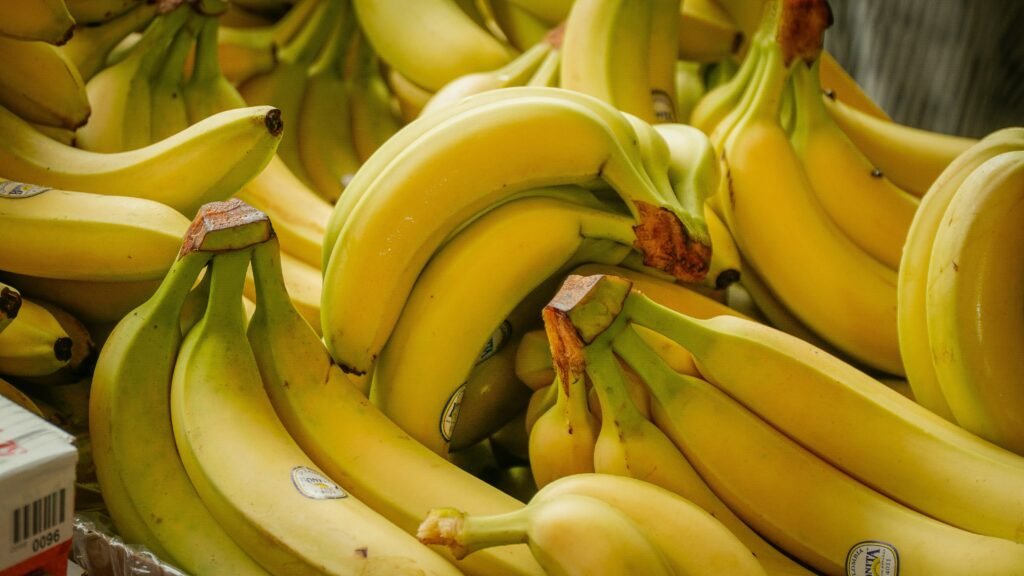
4. Eat More Potassium-Rich Foods
Potassium can help balance the effects of sodium and is an important part of a heart-healthy diet.
Good sources include:
- Leafy green vegetables
- Potatoes and sweet potatoes
- Bananas
- Avocados
- Oranges
- Melons
- Beans
- Nuts and seeds
- Yogurt and other dairy products
- Fish
The DASH eating plan emphasizes foods rich in potassium, calcium, magnesium, fiber, and protein while limiting sodium.
Important: People with kidney disease or certain medical conditions may need to limit potassium, so check with your healthcare professional before deliberately increasing your intake.
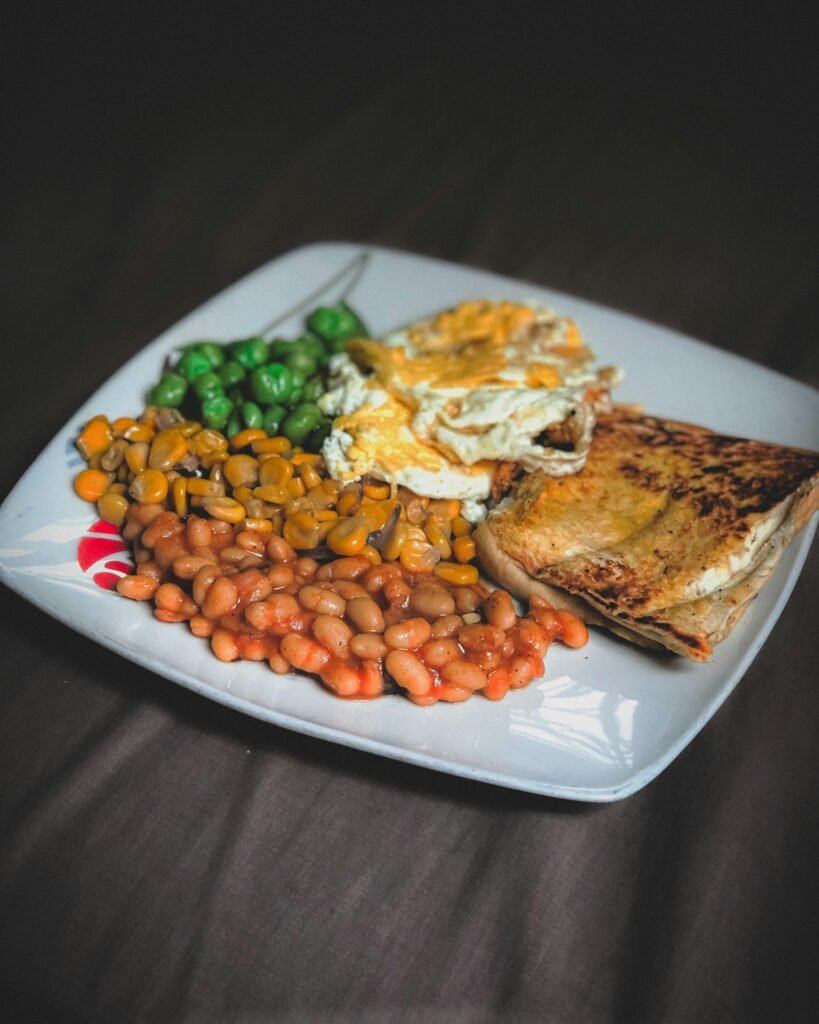
5. Choose Healthy Sources of Protein
Protein can be part of a balanced, heart-healthy diet.
Consider foods such as:
- Fish
- Eggs
- Chicken and other poultry
- Beans and lentils
- Chickpeas
- Nuts and seeds
- Low-fat dairy products
Rather than focusing on a specific high-protein target, aim for a balanced diet that also includes vegetables, fruits, whole grains, and healthy fats.
6. Eat Calcium-Rich Foods
Calcium is an important mineral for overall health, and calcium-rich foods can be part of a heart-healthy eating pattern.
Good sources include:
- Milk
- Yogurt
- Leafy green vegetables
- Beans
- Sardines
- Calcium-fortified foods
- Tofu
Rather than relying on supplements, focus on getting nutrients from a varied diet unless your healthcare professional recommends otherwise.
7. Get Enough Magnesium
Magnesium helps support normal muscle and nerve function and plays a role in cardiovascular health.
You can find magnesium in:
- Leafy green vegetables
- Beans and legumes
- Nuts and seeds
- Whole grains
- Dairy products
- Fish and other protein foods
Evidence regarding magnesium supplementation specifically for blood pressure is mixed, so food sources are generally a sensible place to start.
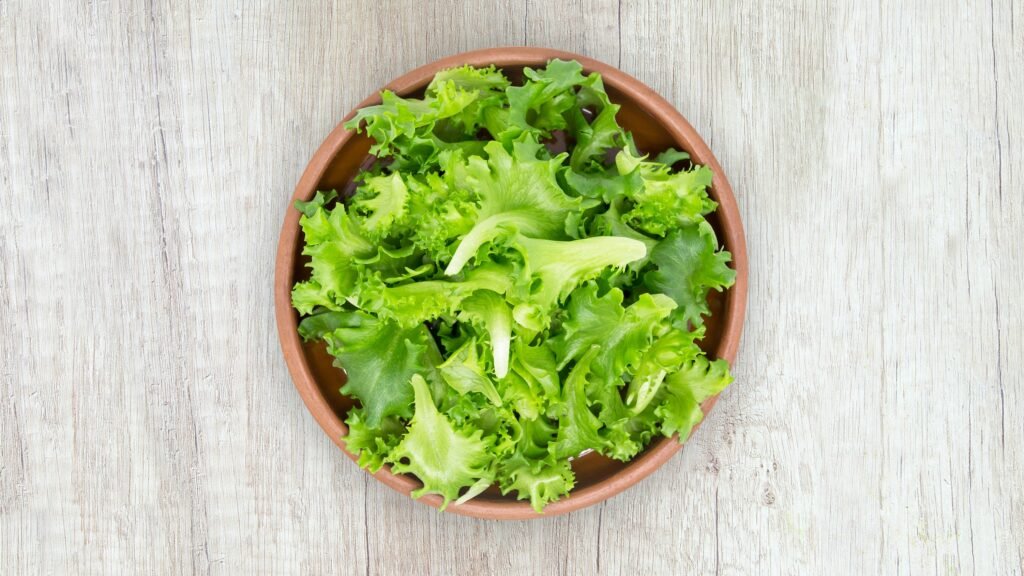
8. Reduce Your Sodium Intake
This is one of the most important dietary changes you can make.
Too much sodium can contribute to higher blood pressure. The DASH eating plan recommends keeping sodium to 2,300 mg per day, with 1,500 mg per day lowering blood pressure even further for many people.
Try:
- Using herbs and spices instead of extra salt.
- Eating more fresh foods.
- Limiting processed meats.
- Checking nutrition labels.
- Reducing instant noodles, canned soups, chips, and other high-sodium foods.
- Preparing more meals at home.
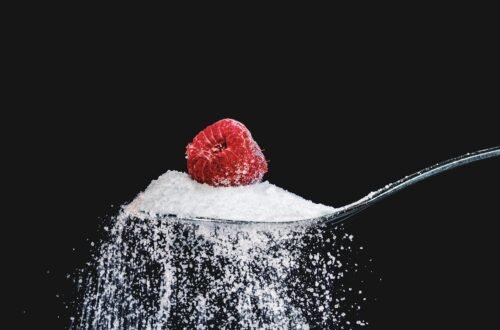
9. Cut Back on Added Sugar and Refined Carbohydrates
Too much added sugar and highly refined carbohydrates can contribute to excess calorie intake and weight gain.
Instead, choose more:
- Whole grains
- Vegetables
- Fruits
- Beans
- Nuts
- Seeds
- Other minimally processed foods
The goal isn’t to eliminate carbohydrates completely. Instead, focus on the quality and overall balance of your diet.
10. Eat Less Processed Food
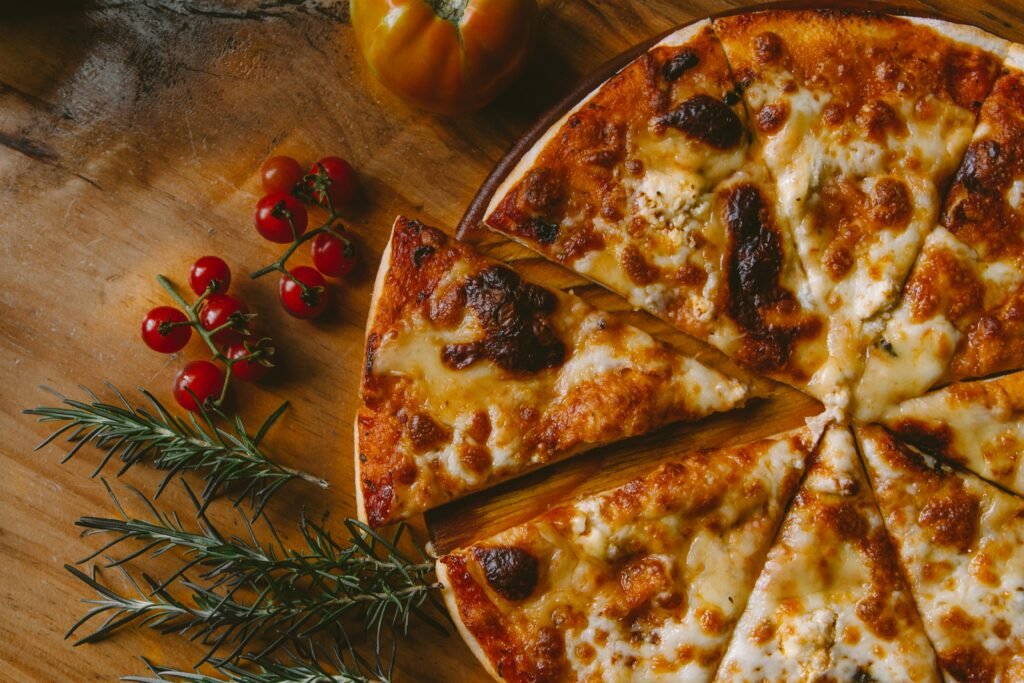
A large amount of sodium in many people’s diets comes from processed and restaurant foods rather than the salt shaker at home.
Common high-sodium foods include:
- Processed meats
- Canned soups
- Pizza
- Instant meals
- Chips and salty snacks
- Packaged sauces
Read food labels and compare products before purchasing them.
A simple rule is: the more often you choose fresh, minimally processed foods, the easier it becomes to control your sodium intake.
11. Enjoy Dark Chocolate in Moderation
Good news for chocolate lovers!
Cocoa and dark chocolate contain flavonoids, plant compounds that have been studied for their potential cardiovascular benefits.
However, this doesn’t mean eating large amounts of chocolate is good for your heart. Choose small portions of dark chocolate with a high cocoa content and be mindful of added sugar and calories.
Think of it as an occasional treat, not a treatment for hypertension.
12. Eat More Berries and Other Fruits
Berries contain polyphenols and other plant compounds that may support cardiovascular health.
Add strawberries, blueberries, raspberries, blackberries, and other fruits to your meals or snacks.
They can also be an excellent alternative to highly processed desserts.
13. Be Mindful of Caffeine
Caffeine can temporarily raise blood pressure in some people, particularly those who don’t consume it regularly.
If you are concerned about its effect on your blood pressure, you can compare your reading before and after consuming a caffeinated beverage.
The American Heart Association recommends avoiding caffeine for at least 30 minutes before measuring blood pressure because it can affect the reading.
If you notice that caffeine consistently affects your readings, discuss it with your healthcare professional.
14. Limit Alcohol
Excessive alcohol consumption can raise blood pressure.
Reducing or avoiding alcohol can therefore be beneficial for people who drink, particularly those who consume more than recommended amounts. Current heart-health guidance recommends limiting or eliminating alcohol to help manage blood pressure.
15. Stop Smoking
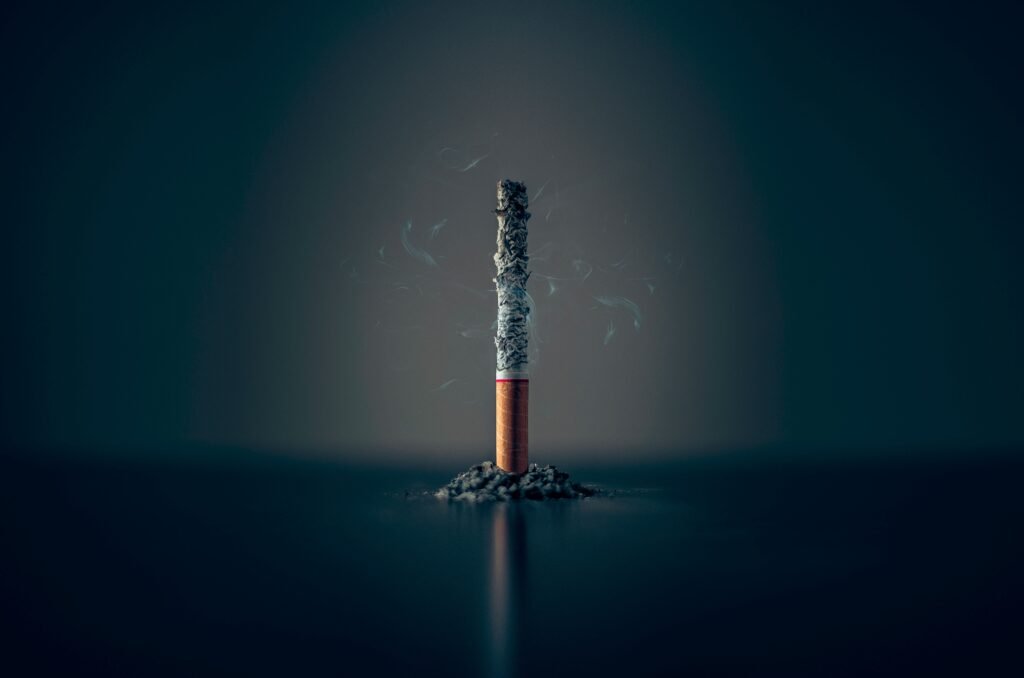
If you smoke, quitting is one of the best things you can do for your cardiovascular health.
Smoking damages blood vessels and can temporarily raise blood pressure. It also significantly increases the risk of heart disease and stroke.
Quitting may be difficult, but you don’t have to do it alone. Ask a healthcare professional about available support.
16. Try Meditation, Deep Breathing, or Yoga
Relaxation techniques may help reduce stress and support healthier blood pressure.
You can try:
- Meditation
- Deep breathing exercises
- Yoga
- Tai chi
- Gentle stretching
- Listening to calming music
- Gardening
- Painting
- Other relaxing hobbies
Stress management is part of the lifestyle approach recommended for people who want to prevent or control high blood pressure.

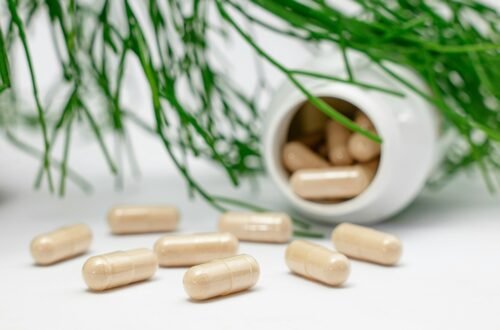
17. Be Careful With Herbal Remedies and Supplements
Herbal products have been used traditionally in many cultures, and some have been studied for their potential effects on blood pressure.
However, “natural” does not automatically mean “safe.”
Some supplements can interact with prescription medicines or affect blood pressure in unpredictable ways.
If you are considering herbs or supplements such as hibiscus, garlic extract, fish oil, or other products, speak with your doctor or pharmacist first, especially if you already take blood pressure medication.
I would remove the original article’s long list of herbs and supplements as a recommendation. It is safer and more useful for readers to understand that evidence and dosing vary considerably.
18. Get Enough Quality Sleep
Poor sleep can affect cardiovascular health, and inadequate sleep has been associated with an increased risk of high blood pressure.
Try to:
- Keep a consistent sleep schedule.
- Create a relaxing bedtime routine.
- Exercise during the day.
- Limit activities that keep you mentally stimulated late at night.
- Make your bedroom comfortable and quiet.
If you regularly have difficulty sleeping or suspect sleep apnea, speak with a healthcare professional.

19. Include Garlic in a Balanced Diet
Garlic has long been studied for its possible cardiovascular benefits, and some research suggests that garlic preparations may modestly reduce blood pressure.
However, garlic should be viewed as part of a healthy diet rather than a substitute for medical treatment.
If you are considering garlic supplements, check with your doctor or pharmacist because supplements can interact with medications.
20. Focus on an Overall Heart-Healthy Eating Pattern
Rather than searching for one “magic” food or supplement, consider the bigger picture.
One of the best-supported approaches is the DASH (Dietary Approaches to Stop Hypertension) eating plan. It emphasizes vegetables, fruits, whole grains, beans, nuts, fish, poultry, and low-fat dairy while limiting sodium, added sugars, saturated fat, and highly processed foods.
You don’t have to change everything overnight.
Start with one habit, then gradually build from there.
21. Monitor Your Blood Pressure and See Your Doctor Regularly
Knowing your numbers is an important part of managing blood pressure.
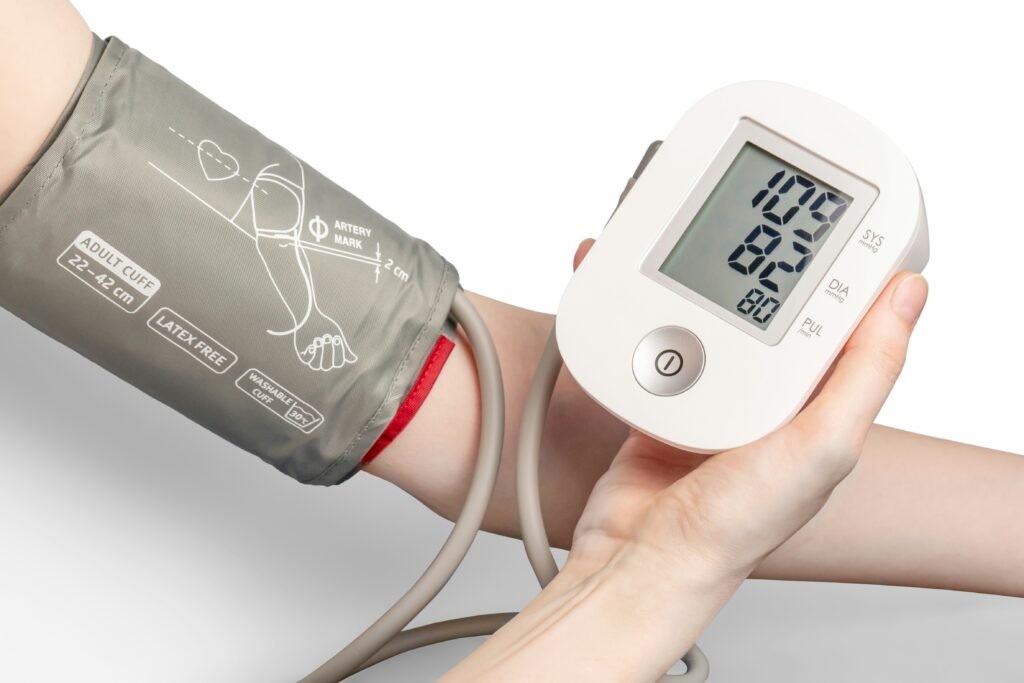
A home blood pressure monitor can help you track your readings, but proper technique matters. The American Heart Association recommends resting quietly for at least five minutes before measuring, sitting with your back supported and feet flat on the floor, and using a properly fitting cuff.
Keep a record of your readings and bring it to your healthcare appointments when appropriate.
Most importantly, do not stop or change prescribed blood pressure medication on your own. Lifestyle changes can improve blood pressure and may sometimes reduce the amount of treatment needed, but that decision should be made with your healthcare professional.
What If My Blood Pressure Suddenly Gets Very High?
This is an important point that I would add to the original article.
If your blood pressure is higher than 180/120 mmHg, wait at least one minute and take another reading. If it remains that high, contact a healthcare professional promptly.
If a very high reading is accompanied by symptoms such as chest pain, shortness of breath, weakness or numbness, vision changes, difficulty speaking, or other concerning symptoms, seek emergency medical care.
Do not try to rapidly lower severely elevated blood pressure on your own with home remedies.
Author’s Notes
High blood pressure is a condition that deserves attention, but taking care of your heart doesn’t have to mean completely changing your life overnight.
Small, consistent habits can add up: walking more, eating more vegetables, reducing salty processed foods, getting enough sleep, managing stress, avoiding smoking, and keeping track of your blood pressure.
The most important lesson is that healthy lifestyle changes and medical treatment don’t have to compete with each other. For some people, lifestyle changes may be enough to prevent or improve elevated blood pressure. For others, medication is still necessary. The goal is not to avoid medication at all costs—the goal is to keep your blood pressure at a healthy level and protect your heart, brain, kidneys, and overall health.
A Gentle Reminder
This article is for general educational purposes only and should not be considered medical advice. If you have high blood pressure, take blood pressure medication, have kidney disease, or have another medical condition, talk to your doctor before making significant dietary, exercise, or supplement changes.
Sources
- American Heart Association – Managing High Blood Pressure
- American Heart Association – Home Blood Pressure Monitoring
- National Heart, Lung, and Blood Institute – DASH Eating Plan
- NHLBI – High Blood Pressure Treatment
- NHLBI – High Blood Pressure Overview
“Take care of your body. It’s the only place you have to live.”
“Dear friend, I pray that you may enjoy good health and that all may go well with you.”
— 3 John 1:2 (NIV)
Final Thoughts
Taking care of our health is more than simply trying to avoid illness. It is also a way of appreciating the life God has given us. We may not be able to control everything that happens to our bodies, but we can make better choices each day—one meal, one walk, one good night’s sleep, and one healthy decision at a time. May we learn to care for ourselves with wisdom, patience, and gratitude, while remembering that seeking professional help when we need it is also an important part of caring for the life we have been blessed with.
Small changes may seem insignificant today, but when practiced consistently, they can become a healthier way of living tomorrow.
Originally Published: February 3, 2020
Updated: August 2026
What You Need to Know About Coronavirus (COVID-19)
Simple Ways to Help Prevent Flu and Colds
10 Reasons Why You Should Have Plants in Your Room



How to control my desires🥳
http://xg.RUNHAI.ME/Ij94702k