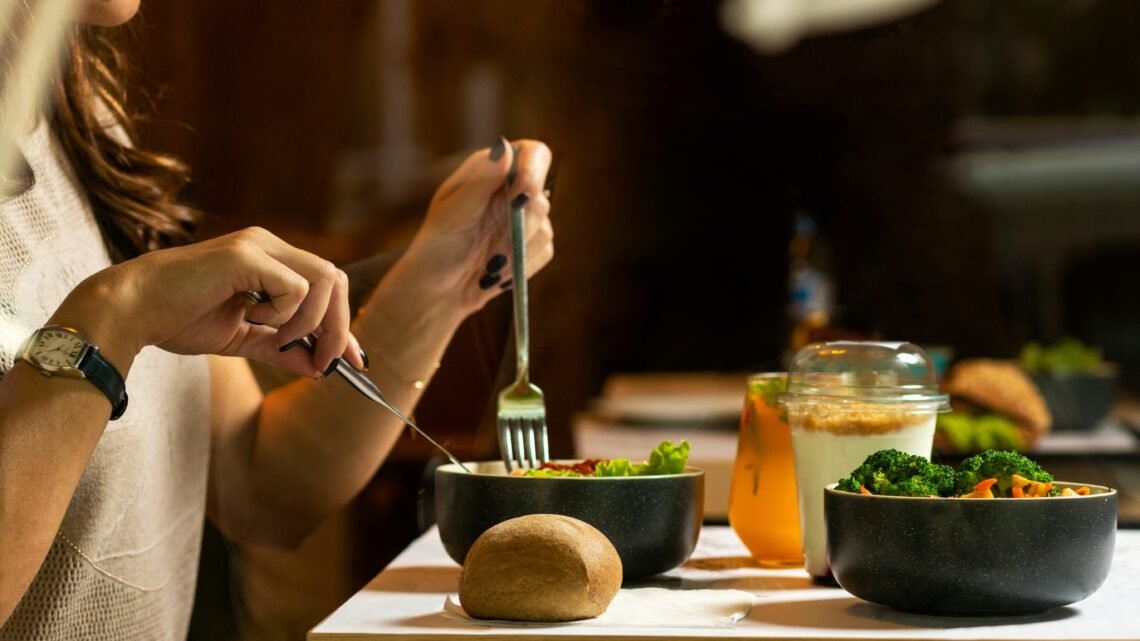
When the COVID-19 pandemic changed everyday life, many of us suddenly had to rethink the way we shopped, cooked, exercised, and ate.
With shopping malls, restaurants, gyms, and other businesses temporarily closing in many places, access to certain foods became more limited. At the same time, staying home for long periods made it easier to rely on takeaway meals, processed snacks, and convenience foods.
But a quarantine period doesn’t mean we have to give up healthy eating.
In fact, having a nutritious diet is especially important when our normal routines are disrupted. A healthy diet provides the energy, protein, vitamins, minerals, and other nutrients our bodies need for normal function. WHO recommends a varied diet built around vegetables, fruits, legumes, whole grains, nuts, and other nutritious foods, while limiting excess salt, free sugars, unhealthy fats, and highly processed foods.
Of course, no particular food can prevent or cure COVID-19. But eating well can support overall health and normal immune function.
The good news is that even when fresh food is limited, there are plenty of nutritious foods that are affordable, practical, and easy to store.
So, rather than focusing only on foods that supposedly “burn fat,” let’s look at healthy, practical foods that can help us eat well while spending more time at home.
1. Fresh Fruits and Vegetables
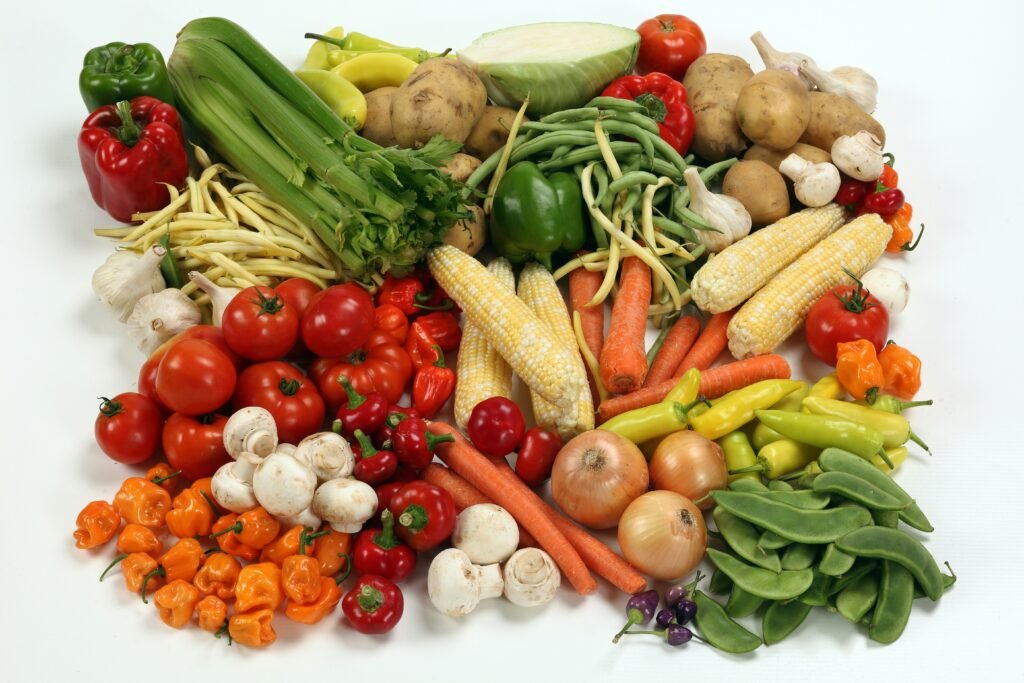
Fresh produce should remain an important part of our diet whenever it is available.
WHO recommends that people over the age of 10 aim for at least 400 grams—or about five portions—of fruits and vegetables each day.
Some practical choices include:
- Oranges
- Apples
- Bananas
- Grapefruit
- Carrots
- Cabbage
- Broccoli
- Cauliflower
- Turnips
- Beets
- Spinach
- Onions
- Garlic
- Ginger
Choose produce that is in season and reasonably priced in your area.
And don’t feel that you have to buy exotic fruits or expensive “superfoods.”
Sometimes, the most ordinary fruits and vegetables are the most practical.
2. Frozen Fruits and Vegetables
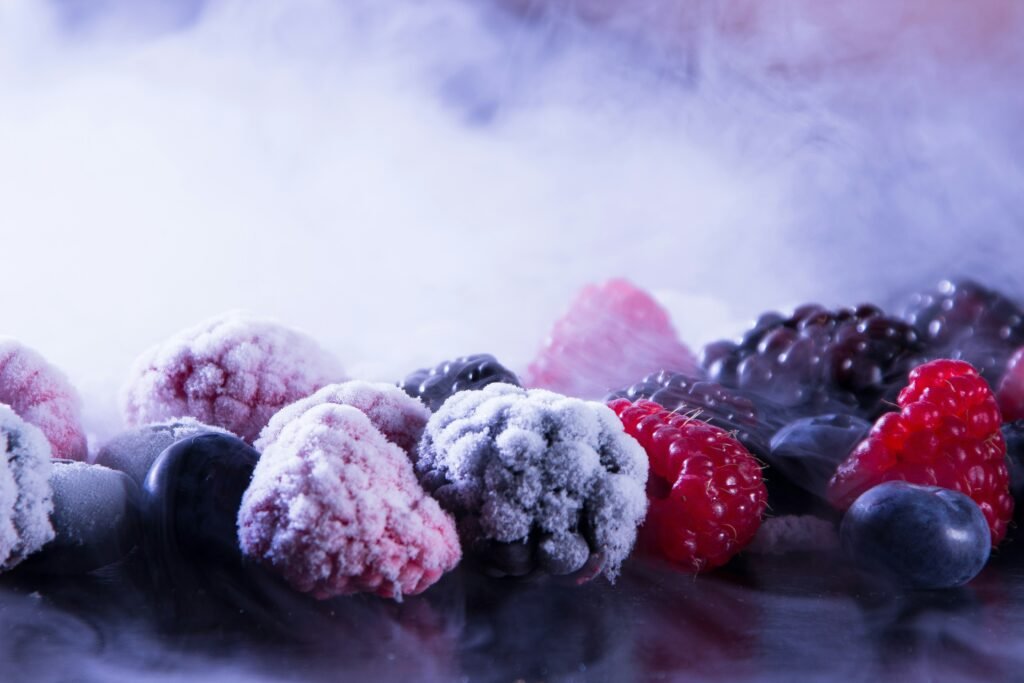
Fresh isn’t always available during quarantine, and that’s where frozen produce can be extremely useful.
Frozen fruits and vegetables can be convenient, have a long shelf life, and still contribute important nutrients to your diet. WHO notes that frozen and canned fruits and vegetables can be healthy choices, particularly when they don’t contain added sugars or excessive sodium.
Good options include:
- Frozen berries
- Mango
- Pineapple
- Spinach
- Peas
- Broccoli
- Mixed vegetables
Frozen fruit can be added to smoothies, oatmeal, yogurt, or desserts.
Frozen vegetables can be added to soups, stir-fries, pasta, rice, and other meals.
3. Grapefruit
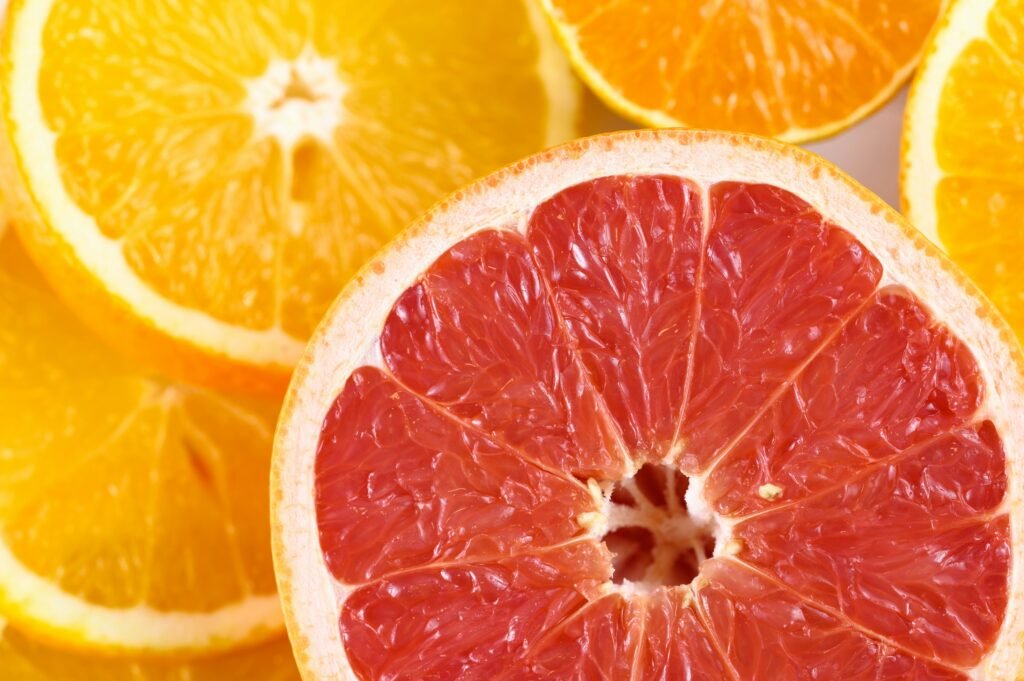
Grapefruit is refreshing, relatively low in calories, and provides vitamin C and other nutrients.
You may have heard claims that grapefruit “burns fat” or dramatically speeds up weight loss. However, those claims are stronger than the evidence supports.
Grapefruit can certainly be part of a healthy diet, but it isn’t a magic weight-loss food.
One important reminder: grapefruit and grapefruit juice can interact with certain medications. If you’re taking prescription medication, check with your doctor or pharmacist before consuming large amounts regularly.
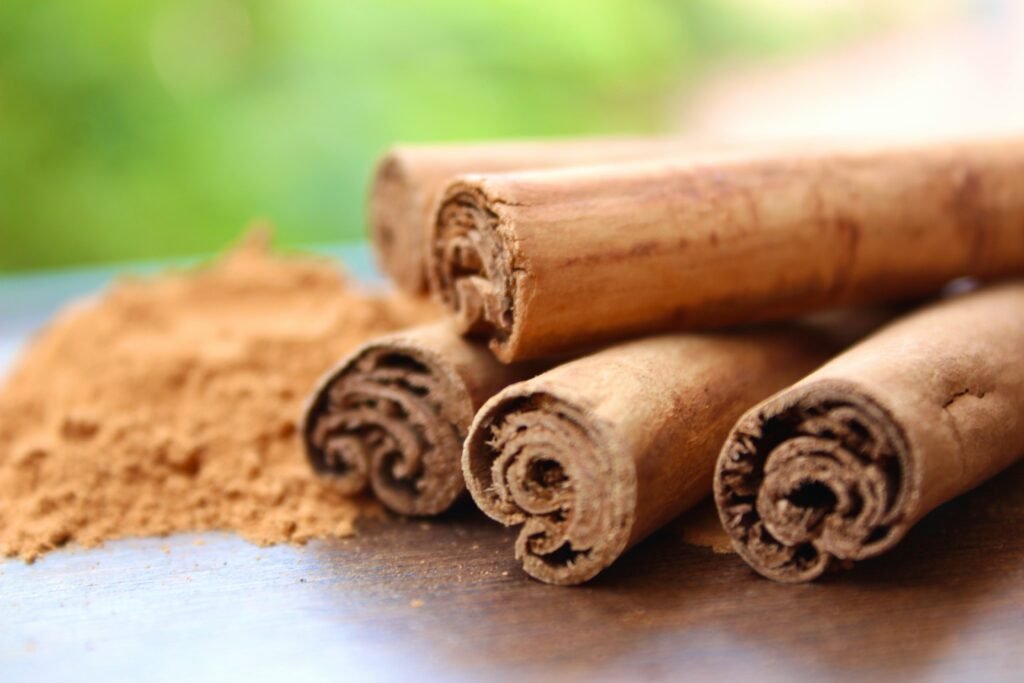
4. Cinnamon
Cinnamon is one of my favorite ingredients for adding flavor without needing much sugar.
You can sprinkle it over:
- Oatmeal
- Yogurt
- Fruit
- Smoothies
- Whole-grain toast
- Coffee or tea
Although cinnamon has been studied for possible effects on blood glucose and other metabolic markers, it shouldn’t be considered a treatment for diabetes or a guaranteed weight-loss aid.
Think of it mainly as a flavorful spice that can help make healthy meals more enjoyable.
5. Chili Peppers
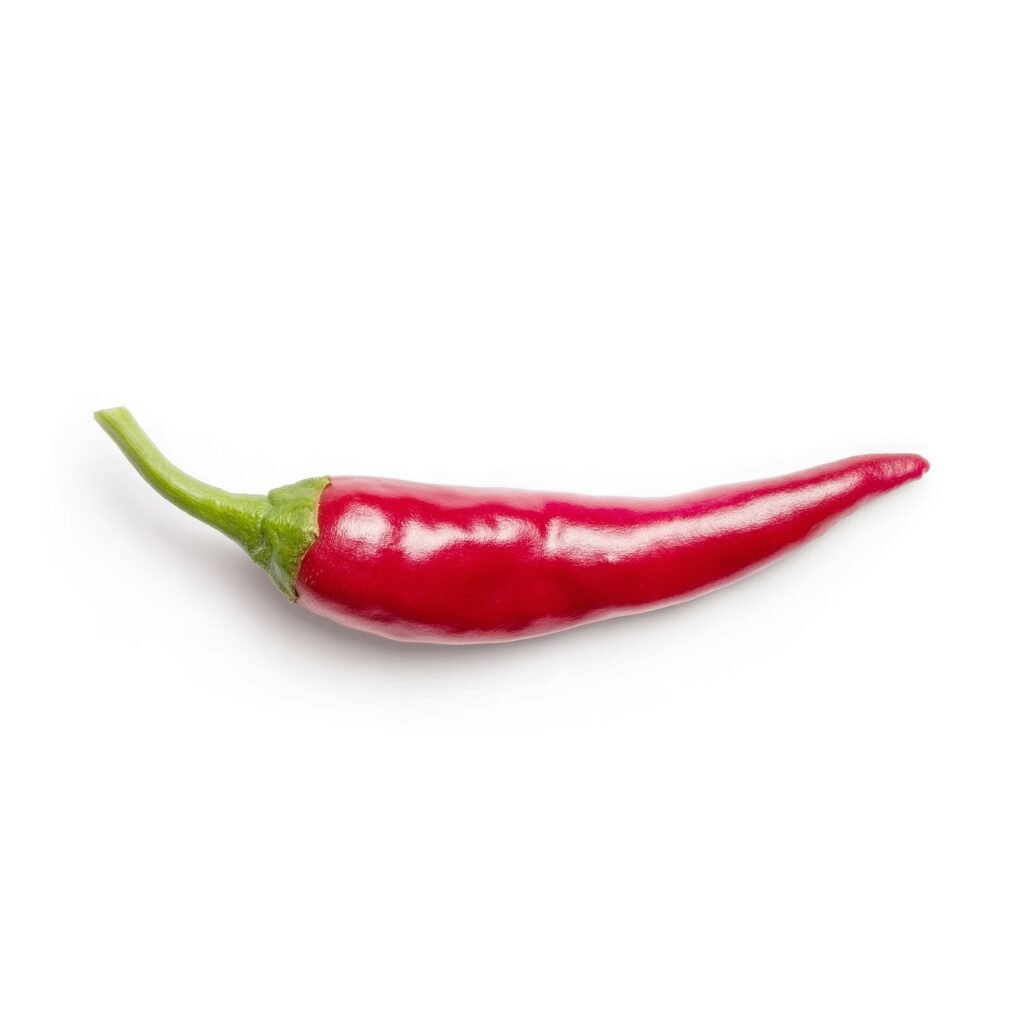
If you enjoy spicy food, chili peppers can add plenty of flavor without adding many calories.
They contain capsaicin, the compound responsible for their characteristic heat.
Research has investigated capsaicin and appetite, energy expenditure, and metabolism, although its effects on meaningful long-term weight loss are modest and shouldn’t be exaggerated.
Still, adding chili to vegetables, soups, eggs, seafood, or other meals can make healthy food much more exciting.
And honestly, sometimes healthy eating just needs a little spice!
6. Dried and Canned Pulses
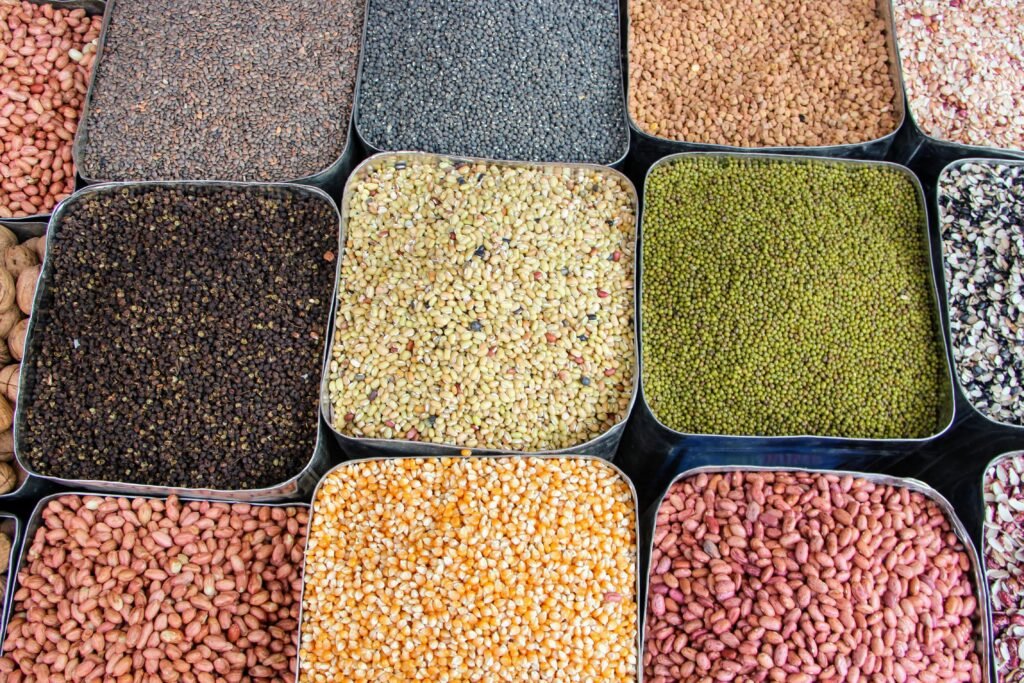
Beans, chickpeas, lentils, and other pulses are excellent quarantine foods because they are:
- Affordable
- Filling
- Easy to store
- Rich in fiber
- Good sources of plant protein
They can be added to:
- Soups
- Stews
- Salads
- Curries
- Pasta
- Rice dishes
- Homemade spreads
They also help create more variety when fresh meat or other protein sources are difficult to find.
7. Herbal Tea and Other Unsweetened Drinks
Fennel tea was included in my original article as a weight-loss food, but that claim was too strong.
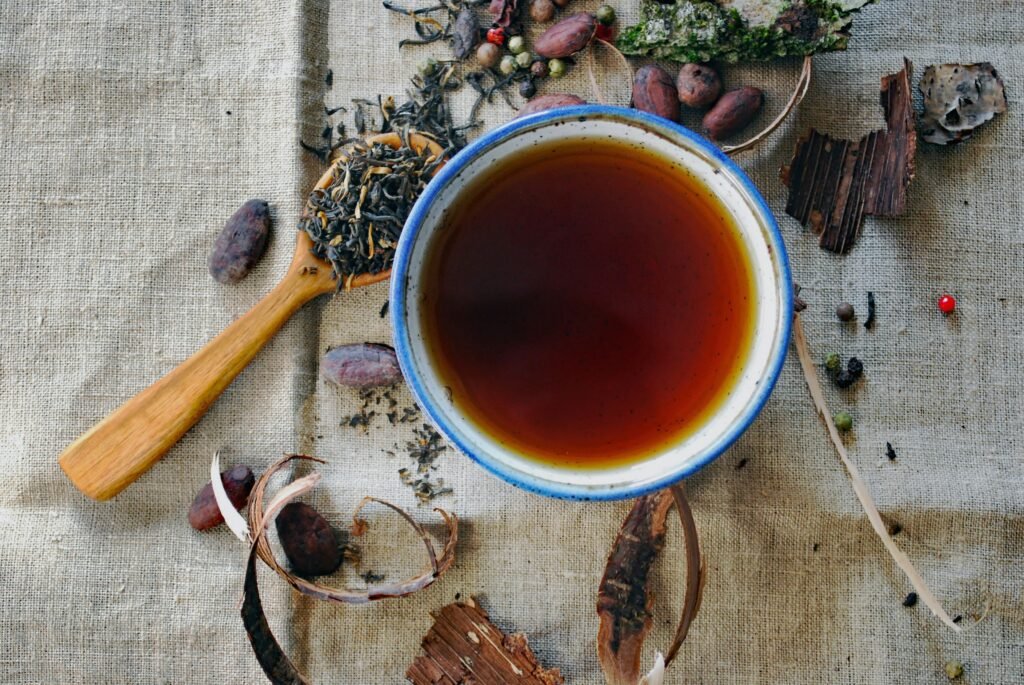
Herbal teas can still be a wonderful addition to your routine, especially when you want something warm and comforting without adding sugar.
You can try:
- Fennel tea
- Ginger tea
- Peppermint tea
- Chamomile tea
- Green tea
- Black tea
Just remember that tea doesn’t replace water, and herbal products can interact with certain medications.
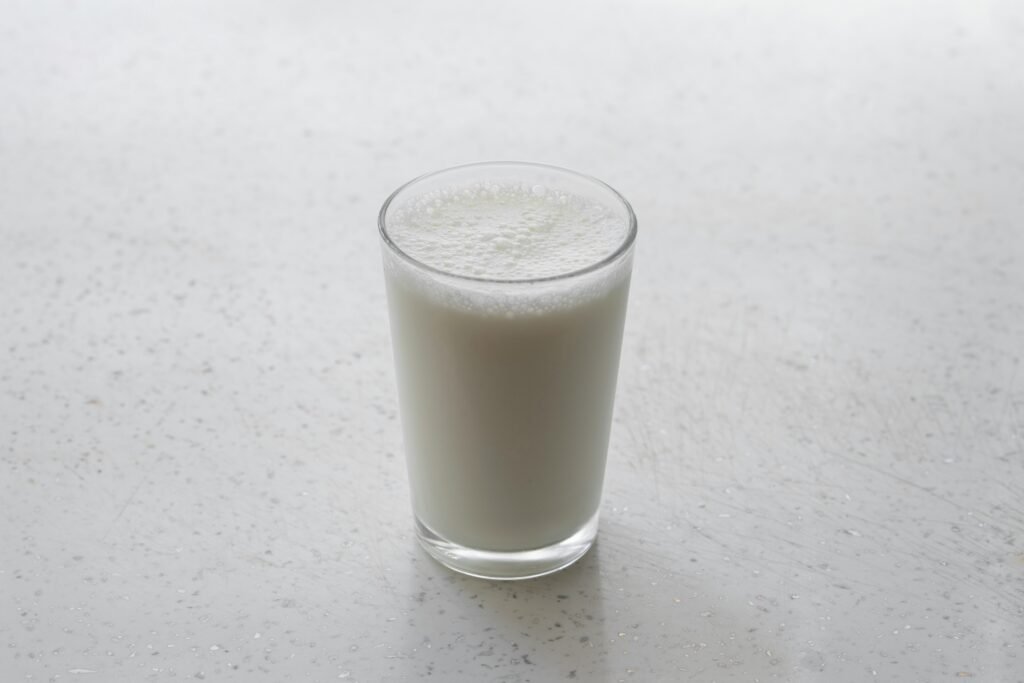
8. Milk and Dairy Products
Milk and other dairy products can provide protein, calcium, vitamin B12, and other nutrients.
During quarantine, shelf-stable options such as UHT milk or powdered milk can be especially convenient.
You can also choose:
- Low-fat milk
- Plain yogurt
- Greek yogurt
- Cottage cheese
- Other suitable dairy products
For people who don’t consume dairy, fortified plant-based alternatives can also be useful.
Choose products according to your nutritional needs and dietary preferences.
9. Spinach and Other Leafy Greens
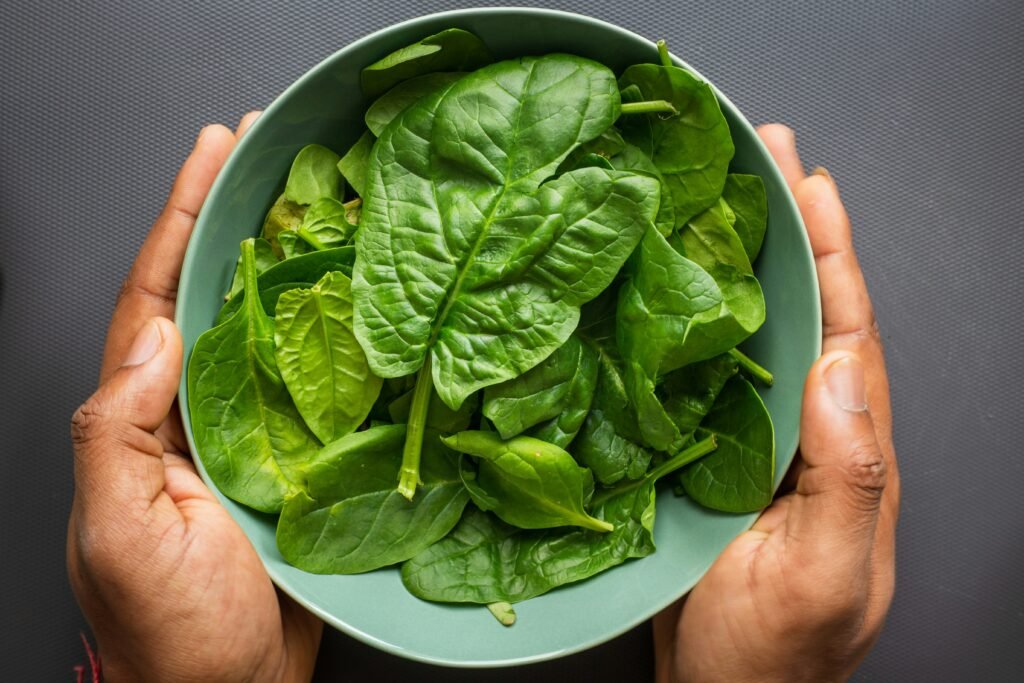
Leafy greens such as spinach are nutrient-dense and can be used in many different meals.
Add spinach to:
- Omelets
- Soups
- Pasta
- Smoothies
- Rice dishes
- Salads
- Sandwiches
And don’t worry if fresh spinach isn’t available.
Frozen spinach can also be a practical option.
10. Whole Grains
Whole grains can be especially useful during quarantine because many of them are affordable, versatile, and easy to store.
Good choices include:
- Brown rice
- Oats
- Quinoa
- Buckwheat
- Whole-grain pasta
- Whole-grain bread
- Whole-grain cereals
Potatoes, sweet potatoes, and cassava can also provide nutritious sources of carbohydrates.
WHO recommends that carbohydrates come primarily from whole grains, vegetables, fruits, and pulses.
Whenever possible, choose minimally processed versions and watch the amount of added salt and sugar.
11. Green Tea
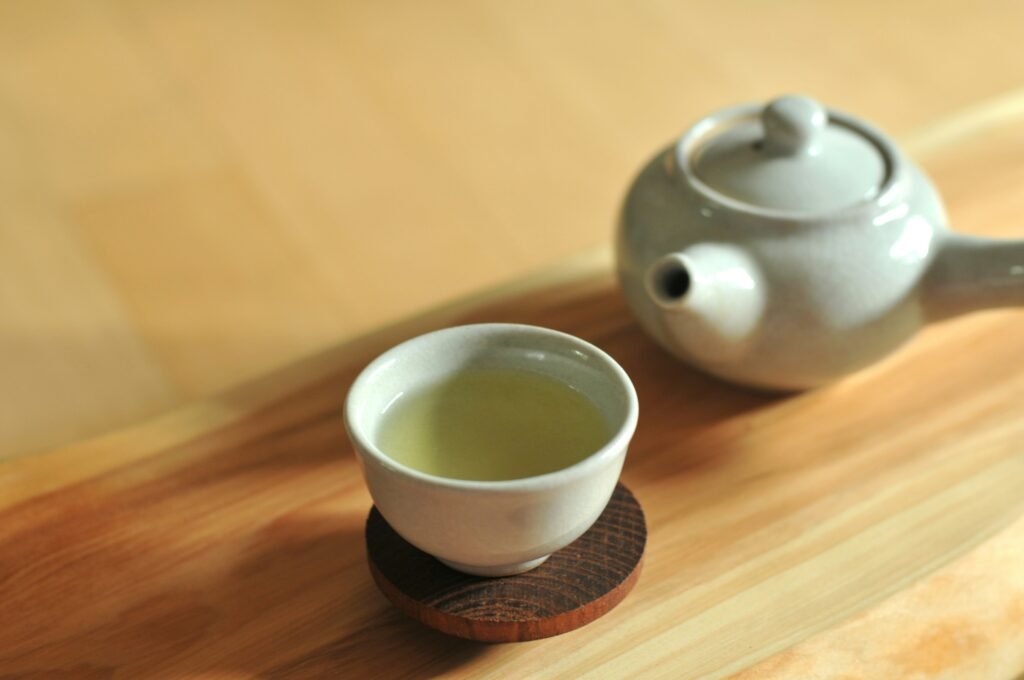
Green tea is another popular quarantine drink.
It contains caffeine and plant compounds called polyphenols, including catechins.
Green tea has been extensively studied, but the idea that drinking several cups every day will dramatically reduce belly fat or cause significant weight loss is overstated.
Still, an unsweetened cup can be a pleasant alternative to sugary drinks.
And during a stressful day at home, a warm cup of tea can be comforting too.
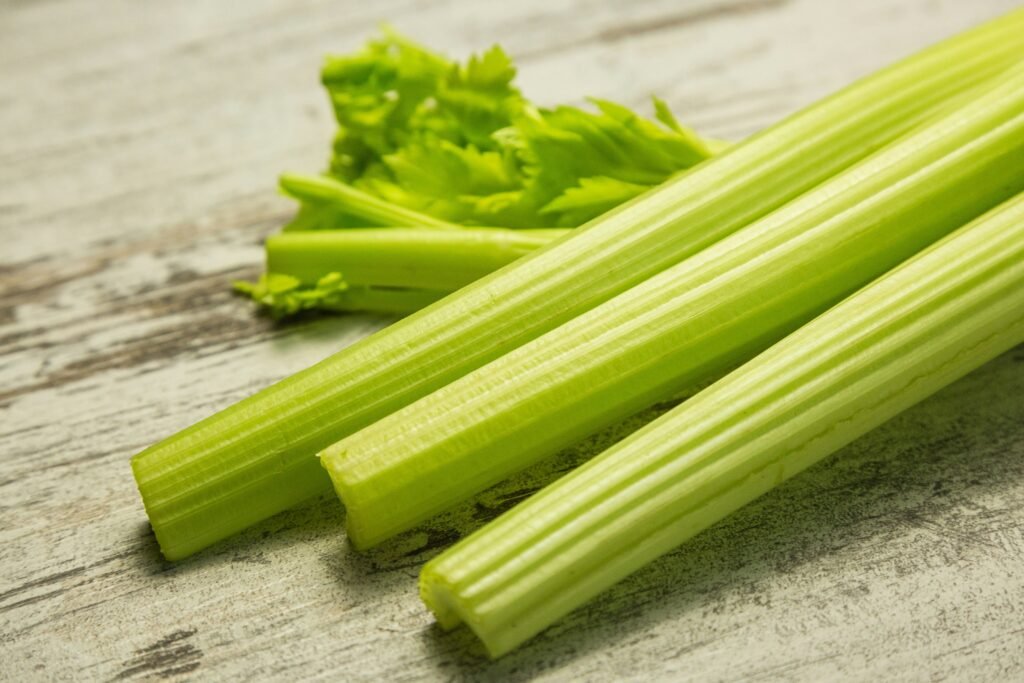
12. Celery
Celery is low in calories and provides water, fiber, and several micronutrients.
You can add it to:
- Soups
- Salads
- Stir-fries
- Sandwiches
- Smoothies
It isn’t a “negative-calorie” food, despite the popular myth that eating celery burns more calories than it contains.
But it is still a perfectly healthy vegetable to include in your meals.
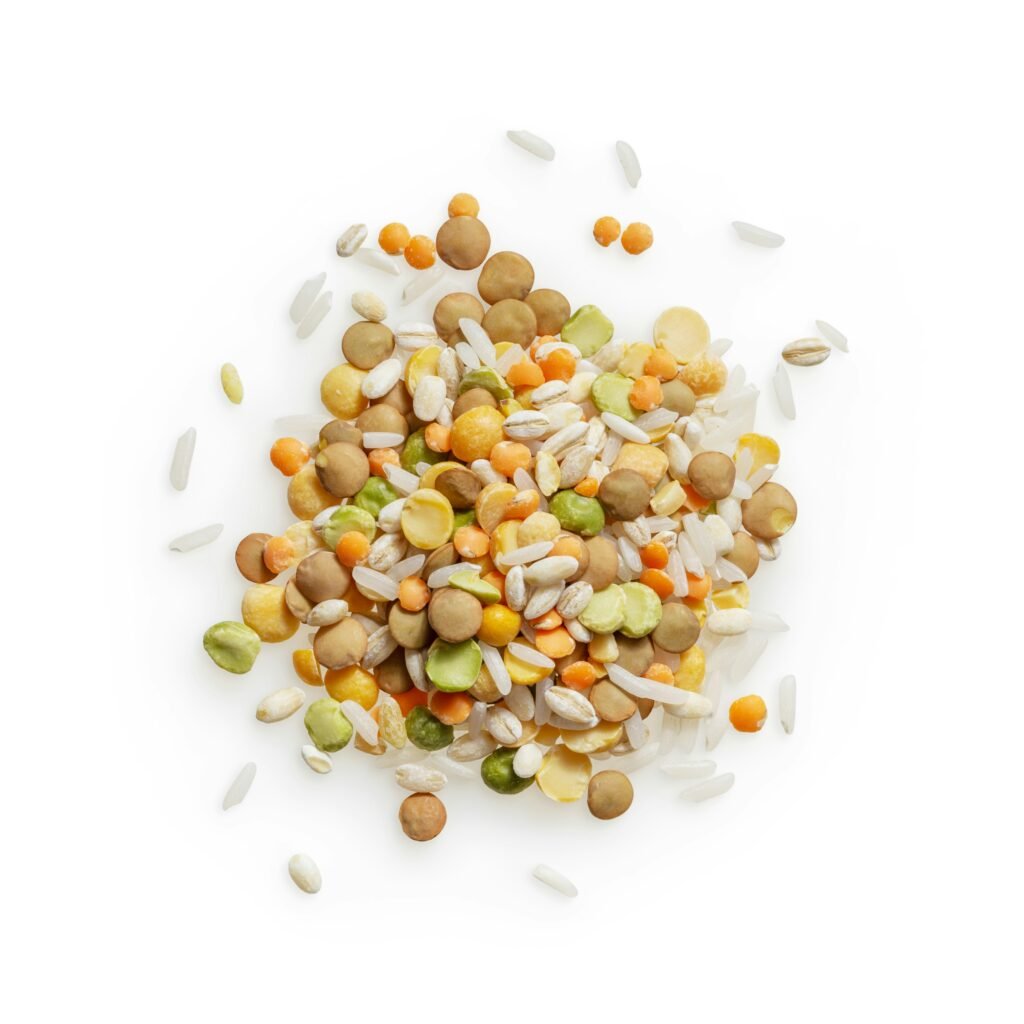
13. Lentils
Lentils deserve their own mention because they are such a useful pantry staple.
They are rich in:
- Plant protein
- Fiber
- Folate
- Iron
- Other minerals
For vegetarians and anyone trying to reduce their meat intake, lentils are a convenient ingredient for soups, curries, salads, and rice dishes.
They’re also inexpensive and don’t require refrigeration before cooking.
That’s a pretty good combination for quarantine cooking.
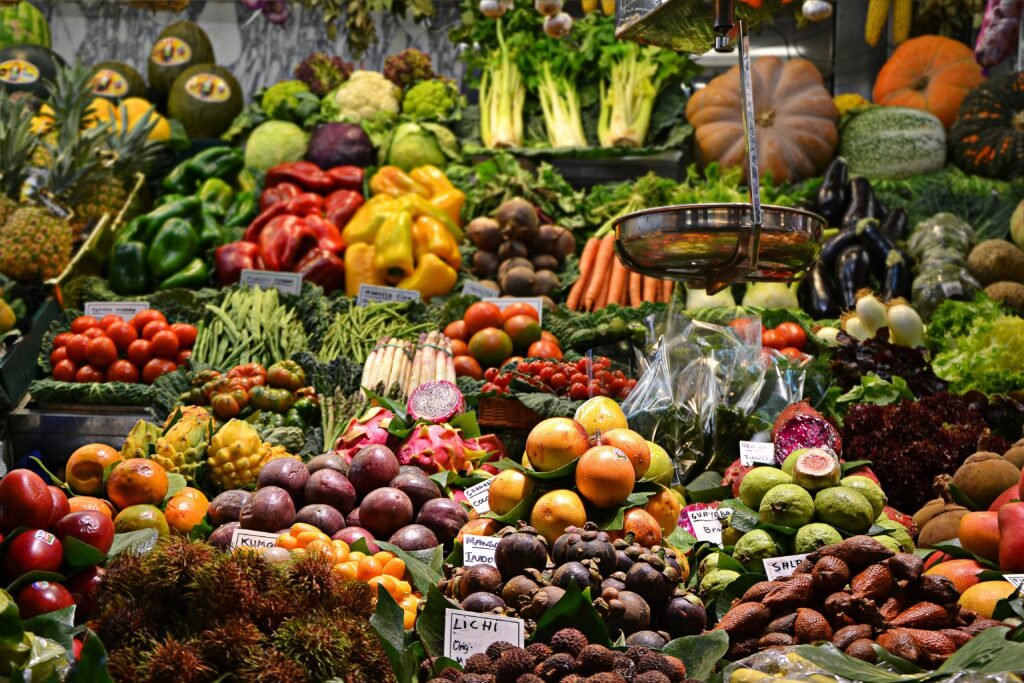
14. Canned Vegetables
Don’t be afraid of canned vegetables.
They’re practical, affordable, and have a long shelf life.
Options include:
- Canned tomatoes
- Peas
- Mushrooms
- Corn
- Green beans
- Spinach
- Mixed vegetables
When possible, choose products with little or no added salt. You can also rinse canned vegetables and beans to help reduce some of the sodium.
WHO specifically recognizes appropriately selected canned foods as useful options when fresh foods are less accessible.
15. Canned Fish
Canned seafood can be one of the most useful foods to keep in your pantry.
Consider:
- Tuna
- Sardines
- Salmon
- Mackerel
These provide protein and, depending on the fish, valuable omega-3 fatty acids.
You can use canned fish in:
- Salads
- Pasta
- Sandwiches
- Rice bowls
- Whole-grain toast
- Homemade patties
When buying canned seafood, compare labels for sodium and added oils, and choose products that fit your nutritional needs.
16. Dark Chocolate
Yes, you can still have chocolate.
Dark chocolate contains cocoa compounds such as flavanols and can be part of a balanced diet when eaten in moderation.
However, it is not automatically “low calorie” or a weight-loss food.
The healthiest approach is simply to enjoy a small portion and choose varieties with a higher cocoa content and less added sugar when you prefer them.
Quarantine doesn’t mean you need to remove every enjoyable food from your kitchen.
Sometimes, a small piece of chocolate is exactly what you need. 😊
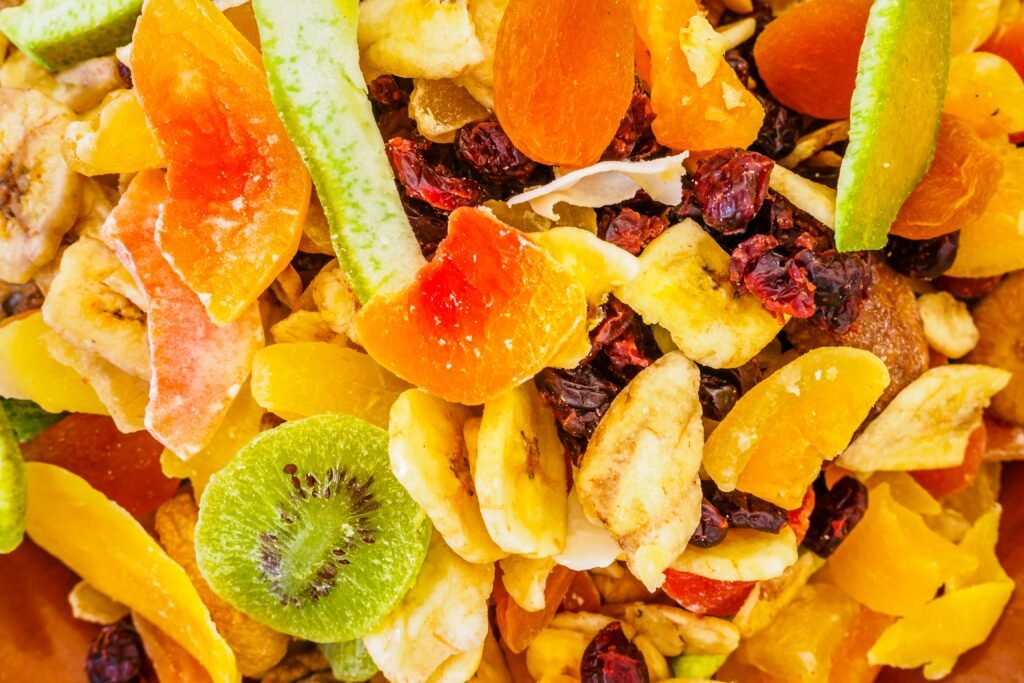
17. Dried Fruits, Nuts and Seeds
These are excellent pantry staples because they are convenient and don’t spoil as quickly as many fresh foods.
Try:
- Almonds
- Walnuts
- Pumpkin seeds
- Sunflower seeds
- Chia seeds
- Flax seeds
- Unsweetened dried fruit
Nuts and seeds provide healthy unsaturated fats, protein, fiber, vitamins, and minerals.
The only thing to remember is portion size.
They’re nutritious, but also energy-dense, so a small handful can go a long way.
Choose unsalted nuts and seeds and dried fruit without added sugar whenever possible.
18. Quinoa
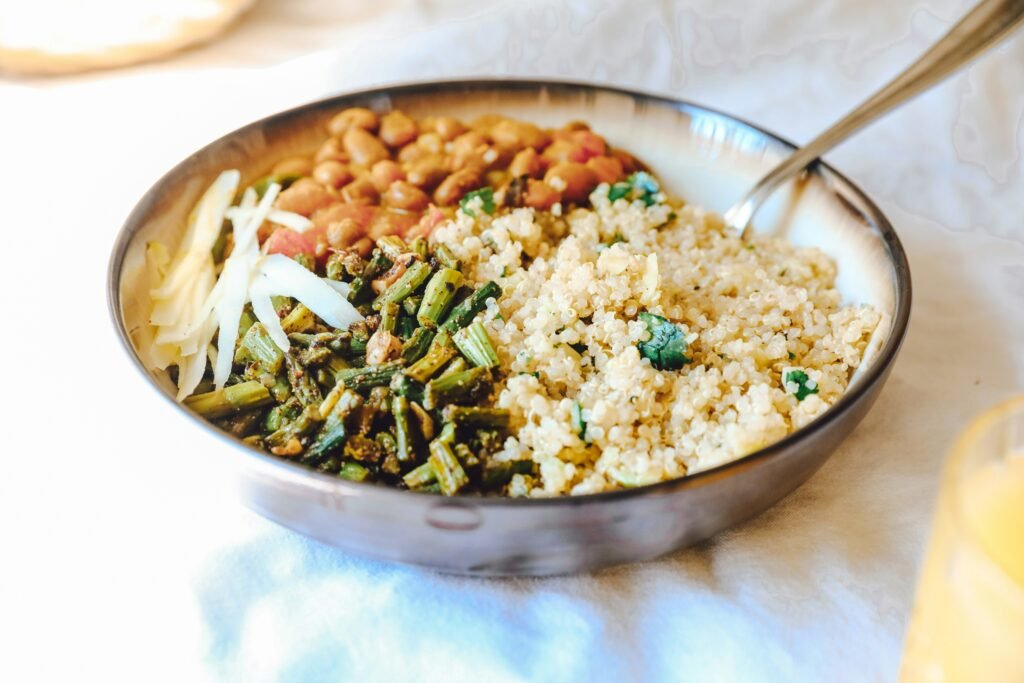
Quinoa is often called a “superfood,” but it doesn’t need a fancy label to be useful.
It is a whole grain-like seed that provides carbohydrates, protein, fiber, and minerals.
You can use it instead of rice or pasta and combine it with:
- Vegetables
- Beans
- Eggs
- Chicken
- Fish
- Herbs and spices
It’s especially useful when you want to add variety to meals.
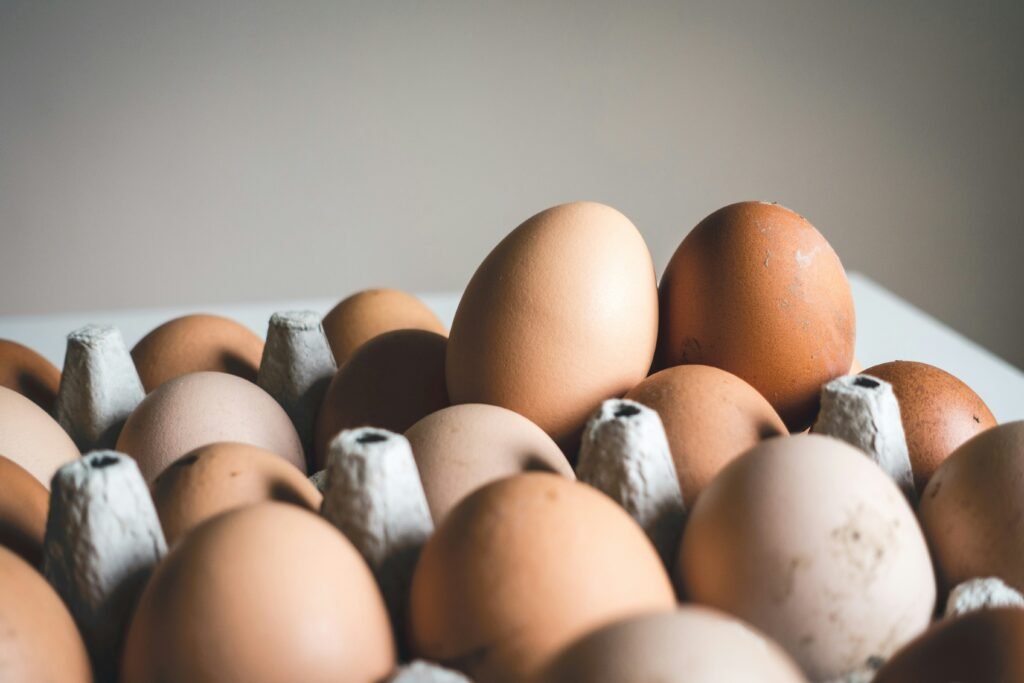
19. Eggs
Eggs are another practical and affordable source of high-quality protein.
You can boil, poach, scramble, or cook them with vegetables.
They’re also easy to combine with other foods, making them a convenient breakfast, lunch, or dinner option.
Instead of focusing on whether eggs are a “weight-loss food,” think of them simply as one nutritious protein option that can fit into a balanced eating pattern.
Foods to Limit During Quarantine
While choosing nutritious foods is important, it’s equally useful to pay attention to what we consume less often.
Limit Excess Salt
WHO recommends that adults consume less than 5 grams of salt per day, equivalent to less than 2 grams of sodium.
Be especially mindful of:
- Instant noodles
- Processed meats
- Salty snacks
- Highly processed canned foods
- Salty sauces
Use herbs, spices, garlic, ginger, lemon, and other ingredients to add flavor instead.
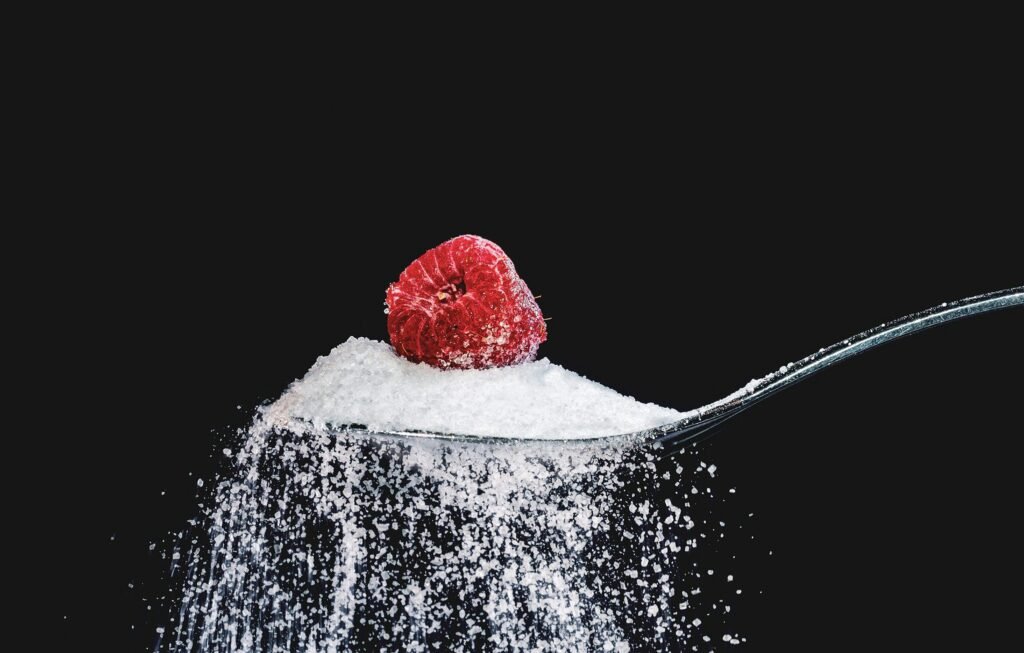
Limit Added and Free Sugars
Satisfying a sweet craving once in a while is perfectly reasonable.
The problem is excessive sugar intake over time.
WHO recommends limiting free sugars to less than 10% of total energy intake, with further reduction potentially offering additional health benefits.
Instead of reaching for sugary drinks throughout the day, try:
- Water
- Unsweetened tea
- Unsweetened coffee
- Sparkling water
- Whole fruit
Choose Healthy Fats
Fat is not something we need to eliminate completely.
Our bodies need dietary fat.
The better approach is to emphasize unsaturated fats found in foods such as:
- Fish
- Avocados
- Nuts
- Seeds
- Olive oil
- Other vegetable oils rich in unsaturated fats
At the same time, limit excessive saturated and industrial trans fats. WHO recommends avoiding industrially produced trans fats and replacing saturated fats with healthier unsaturated fats when possible.
Eat More Fiber
Fiber supports healthy digestion and can help you feel full for longer.
Good sources include:
- Vegetables
- Fruits
- Beans
- Lentils
- Chickpeas
- Nuts
- Seeds
- Oats
- Whole grains
WHO recommends adults consume at least 25 grams of naturally occurring dietary fiber per day.
Don’t Forget to Drink Water
Hydration is just as important during quarantine as it is during normal life.
Keep a reusable water bottle beside you while working or studying.
And remember that water is usually the simplest choice.
Limit Alcohol
During stressful periods, some people may turn to alcohol to cope with boredom, anxiety, or uncertainty.
However, alcohol isn’t necessary for a healthy diet and excessive consumption can negatively affect physical and mental health.
It also shouldn’t be considered a way to protect yourself from COVID-19 or any other infection.
If you’re drinking, follow your local health guidance and consider keeping your intake low.

A Simple Quarantine Meal Plan
One thing I’ve learned from revisiting this article is that healthy eating doesn’t require an enormous grocery list.
You can build simple meals around a few basic categories:
Breakfast
Oatmeal + banana + nuts
or
Eggs + whole-grain toast + fruit
Lunch
Brown rice + vegetables + grilled chicken
or
Lentil soup + whole-grain bread
Snack
Fruit + yogurt
or
A small handful of nuts
Dinner
Baked fish + vegetables + potatoes
or
Quinoa + chickpeas + spinach
Something Sweet
A piece of dark chocolate or some fresh fruit.
Simple.
Affordable.
And much more sustainable than trying to follow a complicated diet.
Remember: No Food Is a COVID-19 Cure
This is particularly important because the original version of this article was written during the pandemic.
Eating oranges doesn’t prevent COVID-19.
Garlic doesn’t cure it.
Green tea doesn’t cure it.
Cinnamon doesn’t cure it.
And no “superfood” can replace vaccination, medical care, or public-health measures.
A healthy diet supports overall health and normal immune function, but it does not make us immune to infectious diseases.
The goal should be to nourish your body, not search for a magical food.
A Word From the Author
Quarantine changed the way many of us thought about food.
Suddenly, grocery shopping required planning.
Fresh produce wasn’t always available.
Restaurants were closed or offering limited services.
And staying home made it incredibly easy to snack all day.
But perhaps one of the most important lessons was realizing that healthy eating doesn’t have to be complicated.
A healthy pantry doesn’t need to contain dozens of expensive products.
Sometimes, it’s simply:
Rice.
Oats.
Beans.
Lentils.
Eggs.
Tuna.
Frozen vegetables.
Fresh fruit.
Nuts and seeds.
And a few herbs and spices.
With these basics, you can make countless meals.
“Let food be thy medicine and medicine be thy food.”
— commonly attributed to Hippocrates
“So whether you eat or drink or whatever you do, do it all for the glory of God.”
— 1 Corinthians 10:31
During quarantine, it was easy to focus on what we couldn’t do.
We couldn’t travel.
We couldn’t meet everyone.
We couldn’t eat out whenever we wanted.
We couldn’t go to the gym.
Our routines changed.
But one thing we could still do was take care of ourselves.
We could choose a better breakfast.
We could cook instead of ordering takeaway every day.
We could drink more water.
We could add vegetables to our meals.
We could choose fruit instead of another sugary snack.
We could use the time at home to learn how to cook something new.
And we could remember that health isn’t built from one perfect meal.
It’s built from the choices we make again and again.
So don’t worry about creating the perfect quarantine diet.
Don’t punish yourself for eating a piece of chocolate.
Don’t feel guilty because you ordered takeout one night.
Instead, look at the bigger picture.
Aim for balance.
Eat nutritious foods most of the time.
Enjoy your favorite foods in moderation.
Drink enough water.
Stay active.
Get enough sleep.
And be patient with yourself.
Because taking care of your health isn’t about being perfect.
It’s about choosing to care for yourself, even during the most difficult seasons of life. ❤️
Sources
- https://www.who.int/news-room/fact-sheets/detail/healthy-diet
- https://www.who.int/health-topics/healthy-diet
- https://www.who.int/europe/news-room/27-03-2020-food-and-nutrition-during-self-quarantine-what-to-choose-and-how-to-eat-healthily
- https://www.who.int/news-room/questions-and-answers/item/healthy-diet-keys-to-eating-well
- https://www.who.int/Tools/Elena/Interventions/Fruit-Vegetables-Ncds
- Moving to Finland: Why It Wasn’t Part of Our Original Plan
- Places to Visit in Kuhmo: A Summer Day at Roukonpuro Beach (Roukonpuron ranta)
- Places to Visit in Kuhmo: Discovering Local Nature and Everyday Beauty
- Places to Visit in Kuhmo: A Peaceful Afternoon by Lentiira River (Lentiiranjoki)
- Places to Visit in Kuhmo: Pajakkakoski Rapids


Thanks for the list. I’m proud to say that I was already eating most of these food already. They are so delicious.
You’re welcome! And that’s so great to hear! 🙂
These are really healthy selection of food! quarantine of all level is such a burden! i hope we get to move on fast with this pandemic..
I’m hoping for that too. Hope this pandemic gets over soon!
These are great tips! Now more than ever, it’s important to eat healthy foods so our bodies can stay as healthy as possible.
Agree! Our overall health is with utmost importance.
This is a great list of healthy foods. Yes, now that we are in the middle of global pandemic, we need to keep ourselves healthy to prevent any risks caused by the virus. These, along with regular exercise should be highly considered today
Correct! All of these together will improve our immune system and avoid acquiring such diseases.
These are all healthy food. We love eating most of these at home so it’s never a challenge for us to incorporate these in our diet.
That’s so great to hear! It’s indeed easier when we are already accustomed to eating healthy foods.
Great suggestions. I’ll have to keep these in mind when doing my next shop. It’s always good to load up on health food, but don’t forget to have fun either.
That’s right, after eating healthy, we have to reward ourselves some times. 🙂
Looks like power foods! Amazing. Great reminder to fuel ourselves right!
Thank you! Hope this article helps!
It’s always a good reminder to choose healthy foods but especially now. We don’t want to develop bad habits while social distancing that will have negative effects on our health.
Yes.. and let’s maintain this habit all year round.
This is a great time to focus on health. I am trying to eat healthier and I love these ideas.
Thank you! Hope this article helps!
Processed food consumption is one of the very worst things that we can do for our health. The havoc that it plays on our body is very significant.
That is absolutely true! We really need to control what we eat and maintain our overall health.
Super helpful and great for all the time!
Thank you! Hope this article helps!
Great list of food. I don’t think we need more sugar and fat since we are at home for COVID. These will be perfect and we consume almost half of the ones in the list.
Fransic
Why only Covid? This list of healthy food is an asset for life. Thanks a million!
You’re welcome! Hope this article helps!
Thank you! Hope this article helps!
Great list! I like everything. It’s a a very good source of vitamins and minerals.
Thank you! Hoe it helps!
This is a good reminder to eat healthy. Our habits became very bad since we’ve more or less been on lockdown for a full year.
I agree to that. It’s vey important to stay healthy despite the situation.
i love green tea but now gonna try fennel tea. Thanks for sharing with us.
That’s a really great alternative!