
Finding time to exercise can be difficult, especially when we’re balancing work, family, household responsibilities, and everything else life throws at us.
But here’s the good news: exercise doesn’t have to take hours.
Even a 30-minute workout can be a meaningful addition to your day. Regular physical activity supports heart health, muscle and bone strength, mental well-being, sleep, and overall quality of life. The World Health Organization recommends that adults get 150–300 minutes of moderate-intensity aerobic activity per week, or 75–150 minutes of vigorous activity, along with muscle-strengthening activities on at least two days each week.
That means a 30-minute moderate workout on five days of the week already reaches the minimum 150-minute weekly target.
And remember: some activity is better than none. Physical activity can also come from walking, cycling, household chores, commuting, and other everyday movements, not just formal workouts.
So, why should we make those 30 minutes count?
1. Helps Manage Your Weight
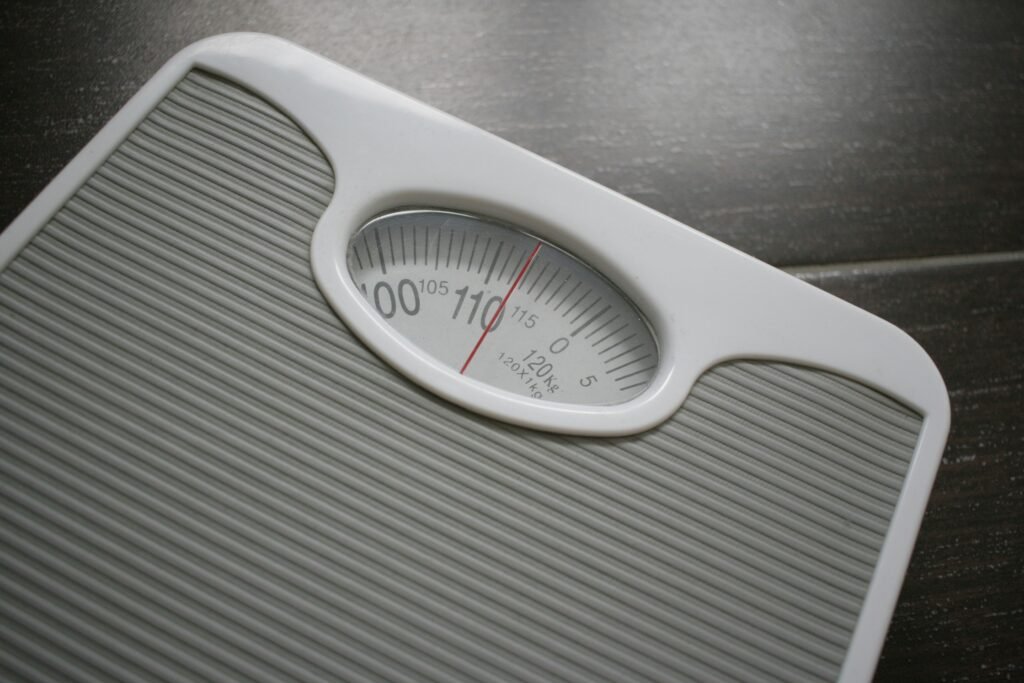
Regular physical activity can help prevent excess weight gain, support weight management, and help maintain weight loss when combined with a healthy eating pattern. It can also help reduce abdominal fat and preserve muscle during weight loss.
A 30-minute brisk walk, cycling session, swimming workout, or strength-training routine can all contribute to your overall activity level.
You don’t necessarily have to spend those 30 minutes inside a gym, either. Try:
- Taking the stairs instead of the elevator
- Walking during your lunch break
- Walking to nearby destinations
- Doing active household chores
- Taking an evening walk
- Following a short home workout
You can also read:
Major Health and Fitness Benefits of Strength Training
2. Boosts Energy
When you’re exhausted, exercise can be the last thing you want to do.
Sometimes, the temptation is simply to sit on the couch, watch Netflix, and wait for your energy to return.
But regular physical activity can actually help you feel more energetic and improve your ability to carry out daily activities.
You don’t need an intense workout every day. A moderate walk or light workout may be enough to get you moving and break up a long period of sitting.
And once you finish, you may find that you feel more refreshed than you expected.
3. Improves Your Mood
Exercise isn’t only about changing your body.
It can also have a positive effect on your mind.
Regular physical activity can reduce symptoms of anxiety and depression and improve overall psychological well-being. WHO notes that physical activity can reduce symptoms of depression and anxiety while also supporting thinking, learning, and general well-being.
That’s one reason a short walk can be surprisingly effective after a stressful day.
You don’t have to wait until you’re having a bad day, either.
Make movement part of your routine and give yourself that daily opportunity to clear your head.
And yes, there’s nothing wrong with enjoying that wonderful post-workout feeling afterward. 😊
4. Supports Memory and Brain Health
Your brain benefits from physical activity, too.
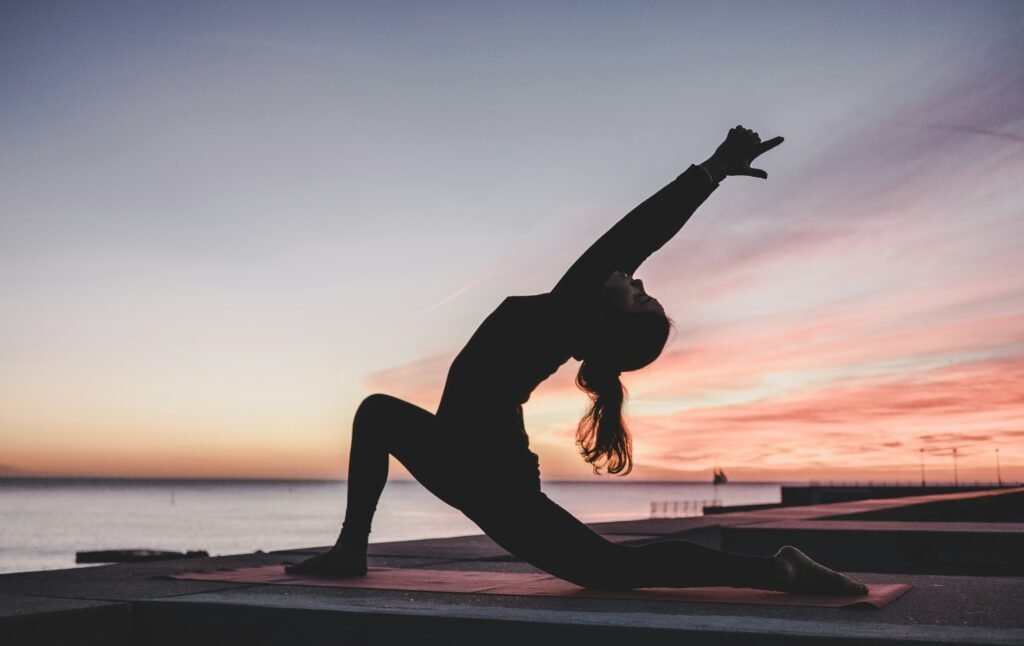
Regular exercise is associated with better cognitive health and can help support thinking and learning. WHO specifically identifies improved cognitive function and overall mental well-being among the health benefits of regular physical activity.
You don’t need complicated equipment.
A 30-minute walk around your neighborhood can be a simple way to get moving while giving yourself some time away from your desk and screens.
Try walking while listening to music, a podcast, or simply enjoying your surroundings.
Sometimes, giving your brain a break from constant digital stimulation is beneficial, too.
5. Helps Reduce Stress
Do you ever have one of those days when everything seems to pile up at once?
Work problems.
Family responsibilities.
Traffic.
Bills.
Emails.
Messages.
Sometimes, you simply need to step away.
Exercise can provide that break.
Physical activity can help reduce symptoms of anxiety and improve overall mental well-being.
Your 30 minutes don’t have to be a punishment.
Walk outside.
Stretch.
Swim.
Dance.
Cycle.
Lift weights.
Whatever helps you move and gives your mind some breathing room.
For me, exercise has often been a way to clear my head. Sometimes the stress I carry into a workout feels much smaller by the time I leave.

6. Builds Self-Confidence
There’s something satisfying about realizing that your body can do more than you thought.
Maybe you walked farther than you did last month.
Maybe you finally completed a set of exercises that used to feel difficult.
Maybe you increased the amount of weight you can lift.
Maybe you simply stayed consistent for an entire month.
These small achievements add up.
Exercise can help improve physical function and contribute to a better sense of well-being.
And confidence doesn’t always come from how your body looks.
Sometimes, the greatest confidence comes from knowing:
“I am strong enough to take care of myself.”
7. Supports Heart Health
One of the most important reasons to exercise is what it does for your cardiovascular system.
Regular physical activity can help reduce the risk of cardiovascular disease and stroke, while also helping manage blood pressure, blood sugar, and cholesterol.
A daily 30-minute brisk walk is a great example of moderate-intensity activity.
You don’t need to completely exhaust yourself.
A useful way to judge moderate intensity is that you’re breathing harder than usual but can still carry on a conversation.
You can also read:
Simple Tips to Lower Blood Pressure Without Taking Medications
8. Can Improve Your Daily Productivity
Have you ever found yourself staring at your computer screen for hours but getting almost nothing done?
Sitting for long periods can leave you feeling sluggish and mentally drained.
Taking a 30-minute movement break can give you an opportunity to step away from your screen, move your body, and return to your tasks with a refreshed mindset.
And you don’t necessarily need a full workout.
A brisk walk during lunch, a short cycling session, or a few minutes of movement throughout the day can help you break up prolonged sitting.
WHO emphasizes that all physical activity counts, including movement related to transportation, work, household tasks, recreation, and exercise.
So don’t underestimate those little movements.
They count, too.
Does Exercise Have to Be Exactly 30 Minutes?
Not at all.
This is an important correction to the original article.
The 30-minute number is useful as a practical goal, but it isn’t a magical threshold.
Current recommendations are based on your total activity throughout the week, rather than requiring one specific workout length every day. Adults should aim for at least 150–300 minutes of moderate aerobic activity per week, or the vigorous-activity equivalent, plus muscle-strengthening activity on at least two days.
So you could do:
30 minutes × 5 days = 150 minutes
Or:
20 minutes × 7 days = 140 minutes, plus some additional activity throughout the week.
You can also divide activity into shorter sessions according to your schedule.
The important thing is to keep moving regularly.
What About Strength Training?
A well-rounded exercise routine shouldn’t consist entirely of cardio.
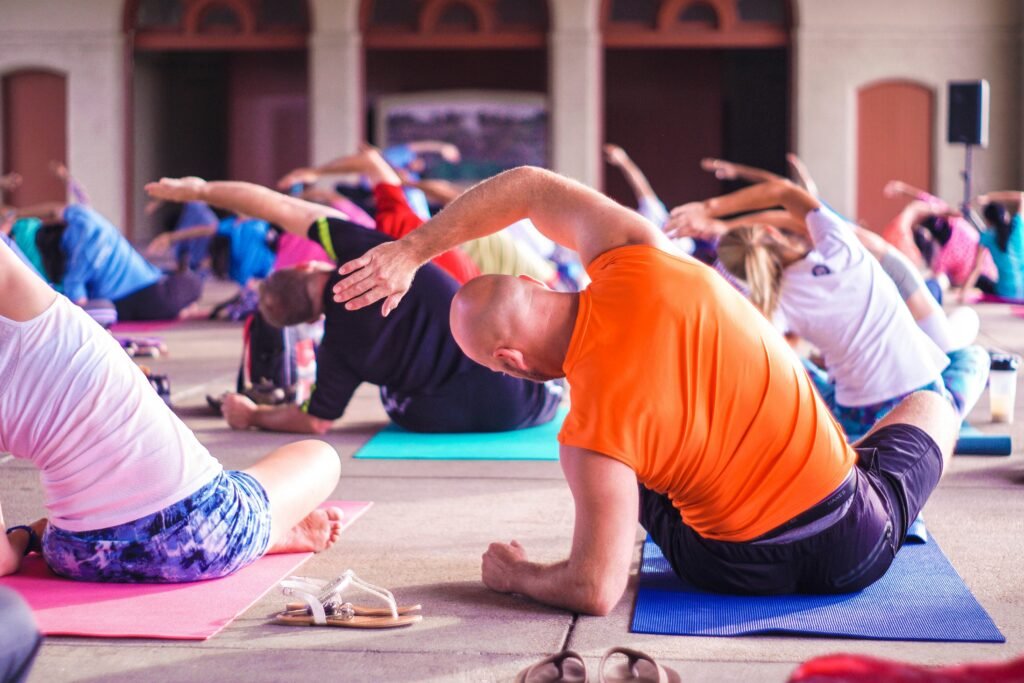
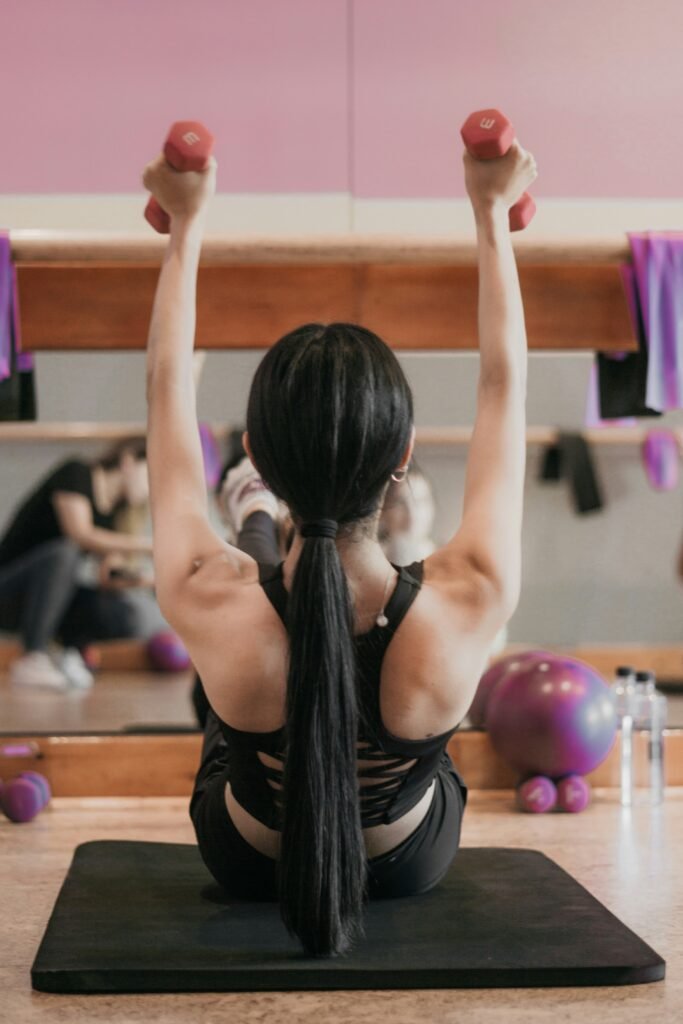
Adults should also perform muscle-strengthening activities involving the major muscle groups at least two days a week.
You can do strength training at home, at the gym, or practically anywhere.
Push-ups
Push-ups work the chest, shoulders, arms, and core.
If regular push-ups are difficult, start with:
- Wall push-ups
- Incline push-ups
- Knee push-ups
Then gradually progress as you become stronger.
Bodyweight Squats
Squats strengthen several muscles in your lower body.
Stand with your feet approximately shoulder-width apart, lower yourself as if you’re sitting into a chair, and return to standing.
Start with a comfortable number of repetitions and focus on good technique.
Other Activities
A 30-minute routine can also include:
- Walking
- Swimming
- Cycling
- Rowing
- Dancing
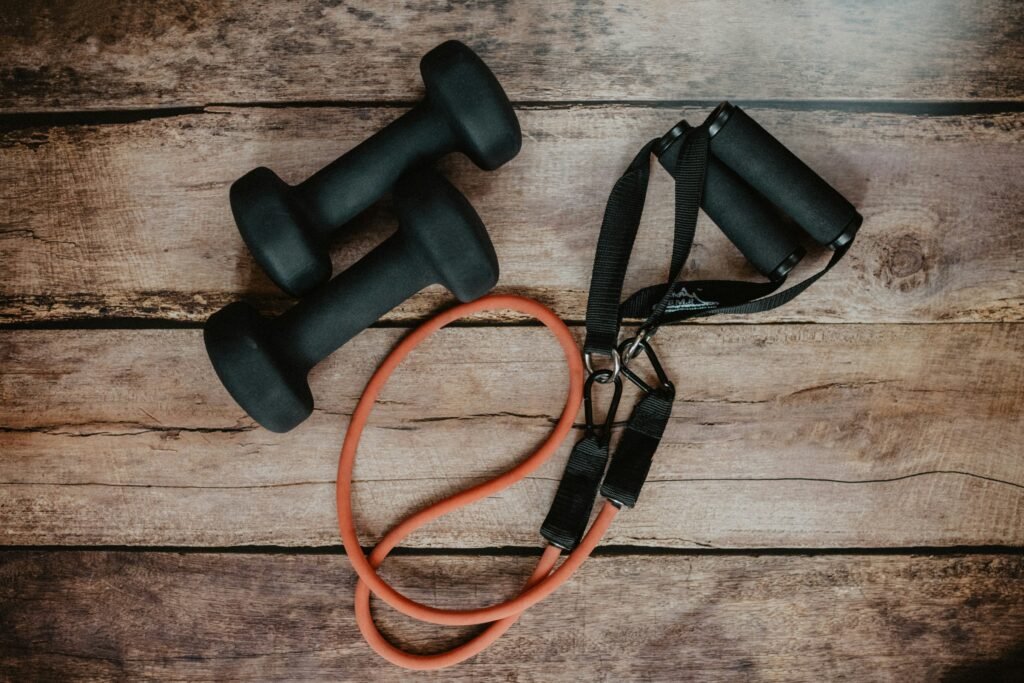
- Resistance-band exercises
- Weight training
- Hiking
- Sports
The best exercise is often the one you enjoy enough to keep doing.
What If You Don’t Have 30 Minutes?
This is where many people get discouraged.
They think:
“I only have 10 minutes, so there’s no point.”
That’s not true.
WHO emphasizes that every move counts, and that increasing physical activity while reducing sedentary time is beneficial.
Try breaking your movement into smaller portions:
10 minutes in the morning
10 minutes during lunch
10 minutes in the evening
That’s your 30 minutes.
Or start with whatever you can realistically manage.
Ten minutes is better than zero.
A Simple 30-Minute Workout
Here’s an easy example for a healthy adult who is comfortable exercising:
5 minutes: Warm-up walk and gentle movements
10 minutes: Brisk walking or another moderate cardio activity
10 minutes: Bodyweight exercises such as squats, wall push-ups, and lunges
5 minutes: Cool-down and gentle stretching
You can adjust the intensity according to your fitness level.
If you have a chronic health condition, are pregnant, have recently had surgery, or are new to exercise, talk to a healthcare professional about what level of activity is appropriate for you.
Aiming for Weight Loss?
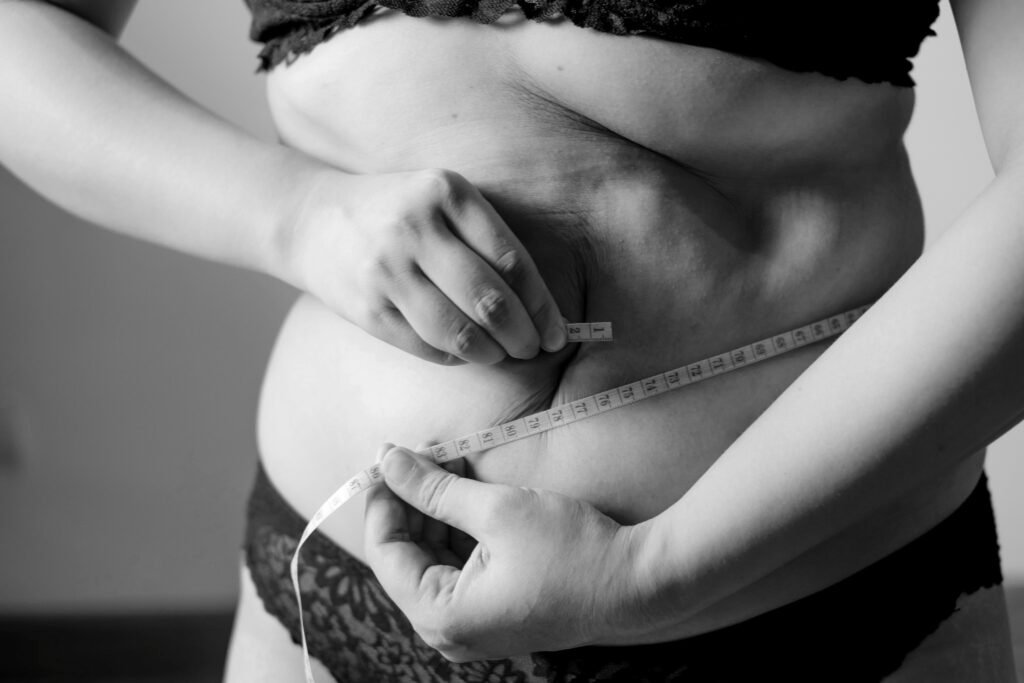
Exercise can certainly contribute to weight management, but one important point from the original article needs updating.
You don’t need to calculate a precise daily calorie deficit or BMR before you can start exercising.
Your body isn’t a simple calculator.
Energy expenditure depends on many factors, including age, body size, body composition, activity level, and individual physiology.
For weight loss, physical activity works best alongside a sustainable eating pattern.
The key is consistency rather than trying to burn the maximum number of calories during every workout.
How Much Exercise Do You Actually Need?
For most adults, current recommendations are:
Aerobic activity
150–300 minutes of moderate-intensity activity per week
or
75–150 minutes of vigorous-intensity activity per week
or an equivalent combination of the two.
Strength training
At least 2 days per week, involving the major muscle groups.
For additional health benefits, adults can gradually work toward more than 300 minutes of moderate activity per week when appropriate.
And don’t forget:
More isn’t always better if your body isn’t ready for it.
Build up gradually and give yourself enough time to recover.
Final Thoughts
A 30-minute workout isn’t magic.
You don’t suddenly become healthier because the clock reaches exactly 30:00.
But 30 minutes is a wonderfully practical target.
It’s long enough to get your body moving and short enough to fit into many busy schedules.
You can walk.
You can cycle.
You can swim.
You can dance.
You can lift weights.
You can exercise at home.
Or you can simply take a brisk walk around your neighborhood.
And on the days when you don’t have 30 minutes?
Do 15.
Don’t have 15?
Do 10.
Can’t do 10?
Start with 5.
Every bit of movement is a step in the right direction. WHO’s current guidance emphasizes that physical activity of any amount is better than none.
“The body achieves what the mind believes.”
“Do you not know that your bodies are temples of the Holy Spirit?”
— 1 Corinthians 6:19
We often think exercise has to be intense, expensive, or time-consuming.
It doesn’t.
Sometimes, taking a simple 30-minute walk is enough to remind yourself that you’re choosing to take care of your body.
And that’s what matters.
Don’t exercise only because you want to lose weight or change how you look.
Exercise because you want to walk farther, lift stronger, breathe easier, sleep better, feel happier, reduce your health risks, and remain independent as you grow older.
Your body carries you through every part of your life.
Give it at least 30 minutes of your time when you can, and on the days you can’t, just keep moving. ❤️
Sources
- https://www.who.int/europe/news-room/fact-sheets/item/physical-activity
- https://www.who.int/europe/publications/i/item/9789240014886
- https://www.cdc.gov/physical-activity/media/pdfs/Physical_Activity_Guidelines_2nd_edition.pdf
- https://stacks.cdc.gov/view/cdc/121857
- https://www.health.harvard.edu/staying-healthy/rethinking-the-30-minute-workout
Potential Dangers of Having Mani-Pedis in Nail Salons
Surprising Health Benefits Of Intermittent Fasting
27 Surprising Health Benefits Of Garlic
Originally Published: March 15, 2020
Updated: August 2026





Great post, Dianne! Having a regular exercise regimen has so many benefits, physically and mentally! Thank you for sharing!
Thank you Denise for commenting. Our pleasure to share fitness tips and advice to everyone. Hope you also attain your goal of health and wellness Denise. Cheers!
I definitely agree with this – especially the mood improvement. I know that I FEEL different on the days that I don’t get up and start my day with a workout. My morning workout puts me in the right frame of mind to tackle whatever I’ll face that day.
Indeed Britt, doing a short exercise first thing in the morning is very beneficial to your overall health, not only it will make us physically healthy but also mentally fit and well. Which exercises do you perform as a routine? Jogging and yoga are good as morning rituals too.
This was so motivating and confirming! Perhaps, the times I’m most aware of this is when I fall away from my workout routine! It’s then I realize what I’m missing! A regular workout routine truly keeps me more sane, happier overall, and more productive! (Not to mention all the physical health benefits, too!) Awesome post!
Thank you for sharing your experience Lindy! It is indeed of paramount importance to exercise daily. It’s not only good for our physical health but to our mental state and overall health too.
I need to work on preparing proper exercise plan at home in this home quarantined period. I am too lazy! But I need to take this “at least 30 minutes” exercise seriously.
Thank you for sharing this information!
You’re welcome Vanesh! This is a great time to indulge to a short-period exercise daily. Good luck to you and hope you attain your goal of health and wellness.
So cliche I cringe whenever I read that sentence.