
As we grow older, some changes in memory, thinking, and concentration are a normal part of aging. However, aging does not mean that we should simply accept a decline in brain health. While there is no single cure that can completely prevent age-related memory problems or neurological conditions, research suggests that a combination of healthy lifestyle habits, social connections, and good cardiovascular health can help protect brain function throughout our lives.
According to the American Heart Association and American Stroke Association, optimal brain health involves maintaining good vascular health while reducing the risk of conditions that can damage the brain, including stroke and neurodegenerative diseases.
The good news is that many of the things we do for our overall health can also benefit our brain. Eating nutritious food, staying physically active, getting enough sleep, managing stress, maintaining healthy blood pressure and blood sugar, and staying socially connected are all habits worth developing.
So, if you’re looking for simple ways to take better care of your brain, here are 15 habits that may help you maintain optimal brain health throughout your lifetime.
“The brain is like a muscle. When it is in use, we feel very good. Understanding is joyous.”
1. Stimulate Your Brain
Stay curious, keep learning, and don’t stop challenging yourself.
Our brains benefit from mental stimulation throughout life. Learning new skills and engaging in mentally challenging activities can help maintain cognitive abilities and encourage the brain to adapt and form new connections.
Here are some simple ways to keep your brain active:
- Stay curious, get involved, and participate in social activities.
- Read books.
- Play a musical instrument.
- Attend lectures, plays, or cultural events.
- Enroll in courses at a local adult education center or community group.
- Garden, cook, draw, paint, or do crafts.
- Try mental exercises such as crossword puzzles, Sudoku, or math problems.
- Learn another language.
- Learn new computer skills.
- Play cards with family and friends.
- Join a board-game group, book club, or another community group.
The key is to keep learning and trying new things rather than allowing your mind to become inactive.

2. Be Physically Active
Regular physical activity benefits much more than your muscles and heart… it can benefit your brain as well.
You don’t need to run a marathon to become physically active. Taking a brisk walk, joining a dance class, swimming, cycling, or simply moving more throughout the day can contribute to better overall health and may help support cognitive function as you age.
Regular exercise can:
- Improve blood flow to the brain.
- Support the health of brain cells and their connections.
- Help maintain memory and thinking skills.
- Support cardiovascular health.
- Help reduce the risk of stroke and some forms of dementia.
- Lower blood pressure.
- Improve blood sugar and cholesterol levels.
- Reduce stress and improve mood.
Even a simple daily walk can be a great place to start.

3. Maintain a Healthy Diet
Good nutrition can help your mind just as much as it helps your body.
Instead of focusing on one particular “brain food,” aim for an overall balanced eating pattern that includes plenty of fruits, vegetables, whole grains, healthy fats, and protein-rich foods.
You may consider adding these nutritious foods to your menu:
- Colorful fruits and vegetables
- Whole grains
- Berries such as blueberries
- Fatty fish such as salmon
- Nuts and seeds
- Avocados
- Beans and legumes
- Citrus fruits
- Broccoli and other vegetables
- Dark chocolate in moderation
- Coffee, if it suits you
- Foods containing healthy fats, including omega-3 fatty acids
A nutritious diet, particularly one that supports heart and blood-vessel health, can also help support brain health.

4. Get Plenty of Quality Sleep
One of the simplest ways to take care of your brain is to give it enough time to rest.
Most adults need around 7–9 hours of sleep each night, although individual needs can vary.
Sleep plays an important role in memory, learning, concentration, mood, and overall health. Poor or insufficient sleep has also been associated with cognitive problems and an increased risk of several health conditions.
Try to develop good sleep habits by:
- Going to bed and waking up at roughly the same time each day.
- Creating a relaxing bedtime routine.
- Limiting screen time before bed.
- Keeping your bedroom comfortable and quiet.
- Avoiding excessive caffeine late in the day.
- Talking to your doctor if you regularly have difficulty sleeping.
You can also consider having a digital detox before bedtime by turning off your electronic devices 30–60 minutes before going to sleep.
If you frequently experience insomnia or other sleep problems, don’t simply rely on sleeping medications without professional advice. Talk to your healthcare provider about possible causes and appropriate treatment.

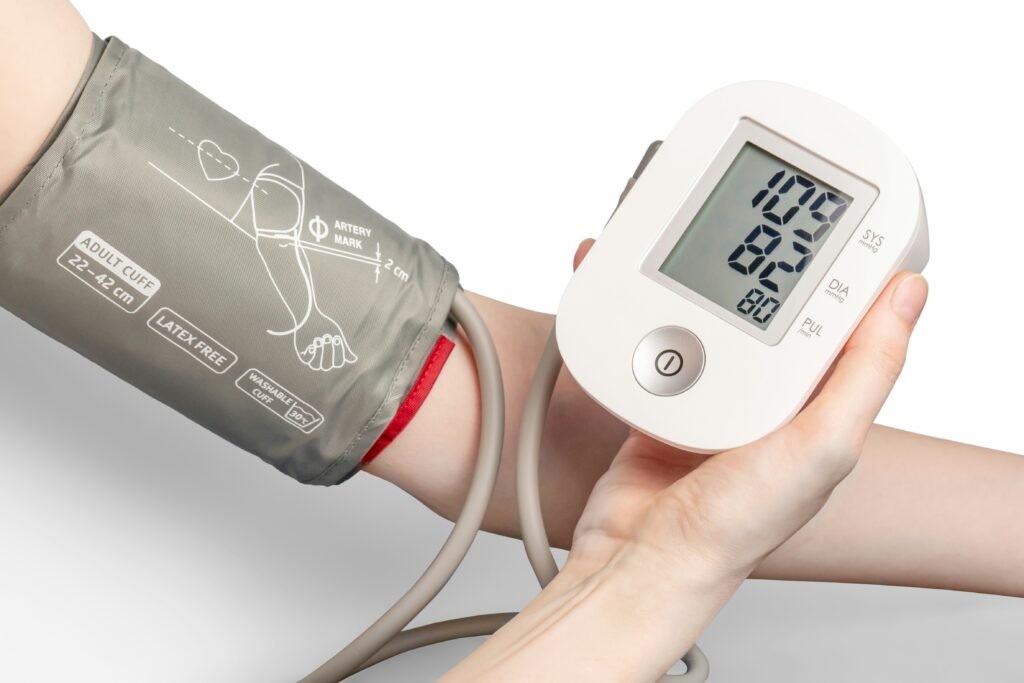
5. Improve Your Blood Pressure
High blood pressure in adulthood is an important risk factor for stroke and cognitive decline later in life.
Taking care of your blood pressure is therefore also an important way to take care of your brain.
You can support healthy blood pressure by:
- Exercising regularly.
- Eating a balanced diet.
- Limiting excess sodium.
- Maintaining a healthy weight.
- Managing stress.
- Avoiding tobacco.
- Limiting alcohol.
- Taking prescribed medications as directed.
If you have hypertension, high cholesterol, diabetes, or atrial fibrillation, work with your healthcare provider to keep these conditions under control.
6. Keep Your Blood Sugar Under Control
Blood sugar and brain health are also closely connected.
Persistently high blood sugar, particularly in people with diabetes, can damage blood vessels and increase the risk of cardiovascular and neurological complications.
To support healthy blood sugar levels:
- Eat a balanced diet.
- Choose high-fiber foods.
- Exercise regularly.
- Maintain a healthy weight.
- Limit sugary drinks and highly processed foods.
- Follow your healthcare provider’s recommendations if you have diabetes.
If your blood sugar remains high, don’t rely solely on lifestyle changes. Talk to your healthcare provider because you may need further evaluation or treatment.

7. Maintain Healthy Cholesterol Levels
Cholesterol is another important part of cardiovascular health.
High levels of LDL, often called “bad” cholesterol, are associated with cardiovascular disease, which can also affect brain health by damaging blood vessels and increasing the risk of stroke.
A healthy diet, regular exercise, maintaining a healthy weight, and avoiding tobacco can all help support healthier cholesterol levels.
If your cholesterol is high, talk with your healthcare provider about whether lifestyle changes, medication, or both may be appropriate for you.
8. Spend Some Time Meditating
Sometimes, giving your brain a break is just as important as challenging it.
Meditation and other relaxation practices may help reduce stress and anxiety and can be incorporated into your daily routine.
You don’t need to meditate for hours. Even 5–10 minutes of quiet breathing, mindfulness, or relaxation can be a good starting point.
Find a comfortable place, put your phone away, take a few slow breaths, and allow yourself to be present in the moment.

9. Be Careful With Medications
As we get older, we may take more medications for different health conditions. Some medicines can cause drowsiness, dizziness, confusion, or other effects that may affect cognitive function, particularly when several medications are taken together.
That’s why it’s important to:
- Tell your doctor about all the medications and supplements you take.
- Follow the prescribed dosage.
- Avoid taking someone else’s prescription medication.
- Ask your healthcare provider or pharmacist about possible drug interactions.
- Have your medications reviewed regularly when appropriate.
Never stop a prescribed medication suddenly without speaking with your healthcare provider first.

10. Quit Smoking
If you smoke, quitting is one of the best things you can do for your overall health.
Smoking damages blood vessels and increases the risk of stroke and cardiovascular disease. Since the brain depends on a healthy blood supply, protecting your blood vessels is an important part of protecting your brain.
The good news is that it’s never too late to quit.
If you need help, talk with your healthcare provider about smoking-cessation strategies and resources that may work for you.

11. Drink Alcohol Responsibly
Alcohol can affect the brain, and excessive alcohol consumption can contribute to memory problems, neurological damage, cardiovascular disease, and other health complications.
Rather than thinking of alcohol as something you need for brain health, remember that less alcohol is generally better for your health.
If you drink, keep it within the limits recommended by your healthcare provider or local health guidelines. If you don’t drink, there is no health reason to start.

12. Reduce Stress
Chronic stress can affect your mood, sleep, concentration, and overall well-being. People who are constantly anxious, depressed, exhausted, or sleep-deprived may find it more difficult to concentrate and think clearly.
So, learn to give yourself permission to slow down.
Put your worries somewhere.
Try writing down lingering thoughts, concerns, or possible solutions in a journal. Organizing your thoughts on paper can sometimes make problems feel more manageable.
You can also try:
- Deep breathing
- Meditation
- Walking
- Exercise
- Spending time with loved ones
- Listening to music
- Gardening
- Reading
- Practicing a hobby
- Talking with someone you trust
You don’t have to solve everything in one day. Sometimes, taking things one step at a time is enough.

13. Protect Your Head From Falls and Injuries
Head injuries can have long-term effects on cognitive health, so protecting your head is particularly important as you get older.
To reduce your risk of falls and injuries:
- Practice balance and strength exercises.
- Be aware that alcohol and certain medications can affect balance.
- Keep walkways clear of clutter and loose cords.
- Watch out for uneven walking surfaces.
- Wear shoes with good traction.
- Use appropriate safety equipment when participating in sports.
- Wear a properly fitted helmet when cycling, skiing, or participating in other activities where head injuries are possible.
A little prevention can go a long way.

14. Be More Social
Humans are naturally social beings, and maintaining meaningful relationships can contribute to our emotional and cognitive well-being.
Strong social connections have been associated with better overall health and may be linked to a lower risk of cognitive decline.
Instead of spending all your free time watching television or scrolling through social media, make time for real conversations with friends and family.
If you’ve been neglecting your social life, here are some ideas to get started:
- Join a service club, book club, or hobby group.
- Volunteer in your community.
- Find a hobby that allows you to meet other people.
- Make regular plans with friends.
- Spend more time with family.
- Take a class.
- Participate in community activities.
- Talk to people you meet.
- Make time for meaningful conversations.
You don’t need hundreds of friends. A few meaningful relationships can make a big difference.

15. Try New Things
Finally, never stop learning.
Trying new activities and developing new skills gives your brain opportunities to learn, adapt, and stay engaged.
You could try:
- Learning how to cook Indian food.
- Learning to play a musical instrument.
- Learning the rules of a new card game.
- Traveling to an unfamiliar city.
- Learning a new language.
- Trying knitting or crochet.
- Taking up photography.
- Learning a new computer skill.
- Starting a new hobby.
You don’t have to become an expert. The simple act of being curious and willing to learn something unfamiliar can make life more interesting.

Final Thoughts
Maintaining brain health isn’t about finding one magical food, supplement, exercise, or activity that will keep your brain young forever. Instead, it’s about building healthy habits and practicing them consistently throughout your life.
Your brain is connected to the rest of your body, so taking care of your heart, blood vessels, sleep, nutrition, mental well-being, and relationships can also help support your brain.
Start small. Take a walk. Read a book. Learn something new. Get enough sleep. Call a friend. Eat a nutritious meal. Put down your phone and give your mind a few quiet moments.
You don’t have to change your entire life overnight. Small healthy choices, repeated over time, can become powerful habits.
“Take care of your body. It’s the only place you have to live.”
“For you created my inmost being; you knit me together in my mother’s womb. I praise you because I am fearfully and wonderfully made.”
— Psalm 139:13–14
Final Thoughts
Our brains are one of God’s most wonderful gifts, and caring for them is part of caring for the life we have been given.
As we grow older, we may not be able to stop every change that comes with aging, but we can make choices that support our physical, mental, emotional, and spiritual well-being.
So, keep your mind curious, your body active, your heart healthy, and your relationships strong. It’s never too early, or too late, to start taking better care of your brain.
Sources / References
- American Heart Association / American Stroke Association – Defining Optimal Brain Health in Adults
Explains the concept of optimal brain health and the importance of managing blood pressure, cholesterol, blood sugar, physical activity, diet, and smoking.
Read the AHA/ASA brain health guidance - American Stroke Association – Brain Health
Provides practical recommendations for protecting brain health, including healthy eating, exercise, sleep, medical checkups, and avoiding tobacco.
Read the American Stroke Association Brain Health guide - National Institute on Aging (NIA) – Cognitive Health and Older Adults
Covers physical activity, mental stimulation, social connection, healthy eating, sleep, medication safety, smoking, alcohol, and fall prevention.
Read the NIA Cognitive Health guide - National Institute on Aging – Brain Health
Provides general information about how the brain changes with age and ways to support healthy brain function.
Explore NIA Brain Health resources - National Institute on Aging – Lifelong Exercise Promotes Brain Health
Discusses research linking lifelong physical activity with healthier brain structure in older adults.
Read the NIA exercise research summary - American Heart Association – Life’s Essential 8
Highlights eight cardiovascular-health factors—including diet, physical activity, sleep, nicotine exposure, blood pressure, blood glucose, cholesterol, and weight—that are also relevant to brain health.
Read Life’s Essential 8
10 Reasons Why You Should Have Plants in Your Room
21 Natural Ways to Help Lower Blood Pressure and Support Heart Health
Valentine’s Day: Health Tips For A Healthy Heart
Originally Published: February 16, 2020
Updated: August 2026





Great suggestions for optimal mental health! Bookmarking this, sharing to several venues, as everyone needs to read this! About 3-4yrs ago I went in for yearly physical. Dr. said, “Cal, your a bit overweight, like 40lbs. your blood pressure high, and cholesterol way out of wack”. Looked at me, as I was playing with death, asking for a heart attack. A day or two later, saw an ol’ buddy hadn’t seen in few years. He was enormous, way too fat! Thought in my mind I had to do something, did not want to look like him!!! So, started my journey looking what I could do. Researched online, not wanting these weight-loss programs eating their food shipments. Still searching, started reading about smoothies. Making perfect sense, I could consume many large amounts of high quality fruits and vegetables. Many which you’ve mentioned above! In a smoothie, using yogurts, berries, spinach, asparagus, quinoa, oats, walnuts, etc. all in one drink! Made smoothie morning noon night for 2.5 mos. pounds dropped off, loosing all 40lbs! Went back to Dr. for follow-up on 3rd month. His mouth dropped open, saying blood pressure normal, cholesterol to lower, good levels, and weight perfect! “How’d you do it Cal?” I said it was simple. Smoothies 3 times a day! And enjoyed them, being Very Tasty! & full all the time. Have gotten away from that for a while, but getting back on that program, helping entire body, especially mental health!
Wow that is really great! It feels so nice to hear about your wellness journey. Truly, a health ‘miracle’ doesn’t exist but to attain optimal health, one should really start by taking simple tips. Simple things lead to bigger things when they accumulate. Just like when you started with those smoothies, it lead to the cure of your hypertension and other blood problems. Thank you so much for sharing this, we hope this serves an inspiration for those aiming for an optimal solution in solving their health problems. Good luck and hope you continue to eat and live healthy.
A good comic, no more and no less.