If you’re dealing with irregular periods, PMS symptoms, PCOS, or simply trying to learn more about your menstrual cycle, you’ve probably come across seed cycling.
It sounds simple: eat different types of seeds during different parts of your menstrual cycle. The practice has become popular among people looking for natural ways to support hormone health and fertility.
But does it actually work?
The answer is a little more complicated than the claims you often see online.
Seed cycling is a nutritional practice, not a proven treatment for infertility, PCOS, or hormonal disorders. Some individual studies on flaxseed and mixed-seed diets have found potentially helpful changes in certain health or hormone-related measures, and a 2025 systematic review found promising but still limited evidence for PMS and PCOS. However, the available studies are generally small and use different protocols, so stronger research is still needed before seed cycling can be considered an established treatment.
That said, seeds are nutritious foods and can be an easy addition to a balanced diet.
So, what exactly is seed cycling, how is it practiced, and what did I personally experience?
Let’s take a look.
What Is Seed Cycling?
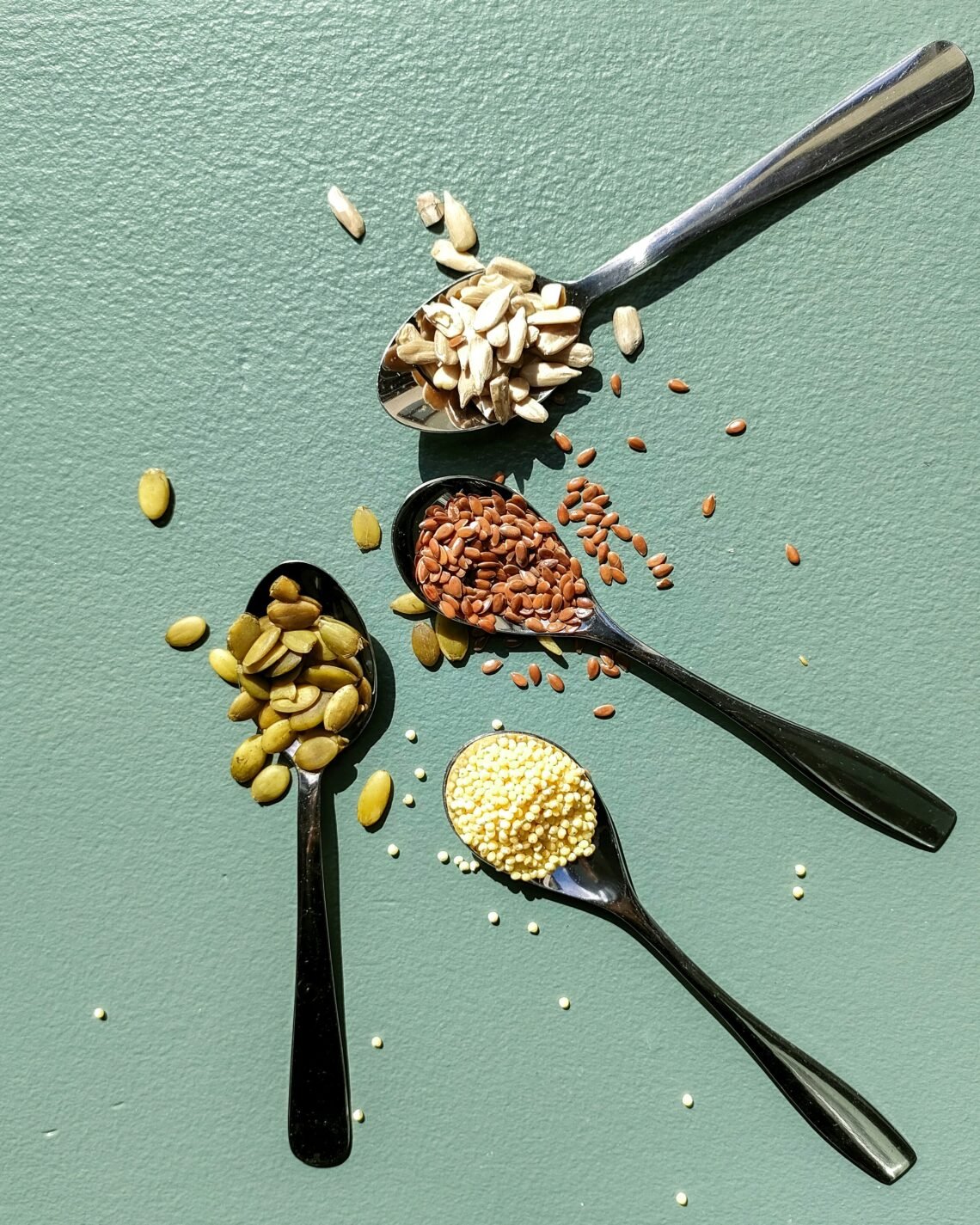
Seed cycling is a dietary practice involving four types of seeds:
- Flax seeds
- Pumpkin seeds
- Sesame seeds
- Sunflower seeds
The traditional approach divides the menstrual cycle into two phases and recommends different seeds during each phase.
A commonly suggested amount is 1 tablespoon of each seed per day, usually ground or freshly crushed.
Here are the four seeds typically used:
Flax seeds
Pumpkin seeds
Sesame seeds
Sunflower seeds
The idea behind seed cycling is that different seeds contain nutrients, fatty acids, and plant compounds that may interact with the body’s hormonal pathways.
However, it’s important to distinguish the theory behind seed cycling from what has actually been demonstrated in clinical research. There is currently not enough evidence to say that eating a specific seed on a specific day reliably raises estrogen or progesterone to a particular level.
The Two Phases of Seed Cycling
Follicular Phase: Flax Seeds and Pumpkin Seeds
The follicular phase begins on the first day of your period and ends with ovulation.
The traditional seed-cycling protocol recommends:
1 tablespoon of ground flax seeds + 1 tablespoon of ground pumpkin seeds daily.
The theory is that flax contains lignans and other compounds that may interact with estrogen metabolism, while pumpkin seeds provide nutrients such as zinc and healthy fats.
Some research on flaxseed itself has found potentially interesting effects on menstrual-cycle characteristics, although this does not prove that the full seed-cycling protocol balances estrogen.
For a typical 28-day cycle, this phase is often described as:
Day 1–14
However, real menstrual cycles don’t always follow a perfect 28-day schedule, and ovulation does not necessarily occur on day 14.
Luteal Phase: Sesame Seeds and Sunflower Seeds
The luteal phase begins after ovulation and continues until the next menstrual period.
The traditional recommendation is:
1 tablespoon of ground sesame seeds + 1 tablespoon of ground sunflower seeds daily.
The theory behind this phase is that these seeds may support progesterone production.
Again, this is a proposed mechanism rather than a proven clinical effect. Studies have looked at individual seeds and mixed-seed interventions, but the evidence isn’t strong enough to conclude that switching seeds at ovulation reliably changes progesterone levels.
For a textbook 28-day cycle, this phase is often presented as:
Day 15–28
But your actual luteal phase may not follow this exact schedule.
What Are the Potential Benefits of Seed Cycling?
This is where it’s important to separate possible benefits from proven benefits.
The four seeds used in seed cycling are nutritious foods and provide fiber, healthy fats, protein, minerals, and various plant compounds.
Some studies have also found potential benefits from particular seeds or mixed-seed diets.
A 2025 systematic review of seed cycling studies in women with PMS and PCOS found some promising associations, including improvements in menstrual regularity, PMS symptoms, selected hormone markers, and metabolic measures. However, the researchers emphasized that the studies were relatively small and that larger, better-designed trials are still needed.
Potential areas being investigated include:
- PMS symptoms
- Menstrual regularity
- Selected hormone markers
- Metabolic health in PCOS
- Inflammation and oxidative stress
- Overall dietary quality
However, claims that seed cycling can treat infertility, cure PCOS, balance all hormones, eliminate endometriosis, or guarantee pregnancy are not supported by strong evidence.
One study involving women with PCOS found changes in some hormone measurements after a mixed-seed intervention, but it was a relatively small study and does not establish seed cycling as a replacement for standard PCOS treatment.
So, I would think of seed cycling as a nutritious dietary practice you can try, rather than a medical treatment.
How Do You Incorporate Seed Cycling Into Your Routine?
One of the reasons I liked seed cycling is that it is simple and relatively inexpensive.
You don’t need complicated recipes or special supplements.
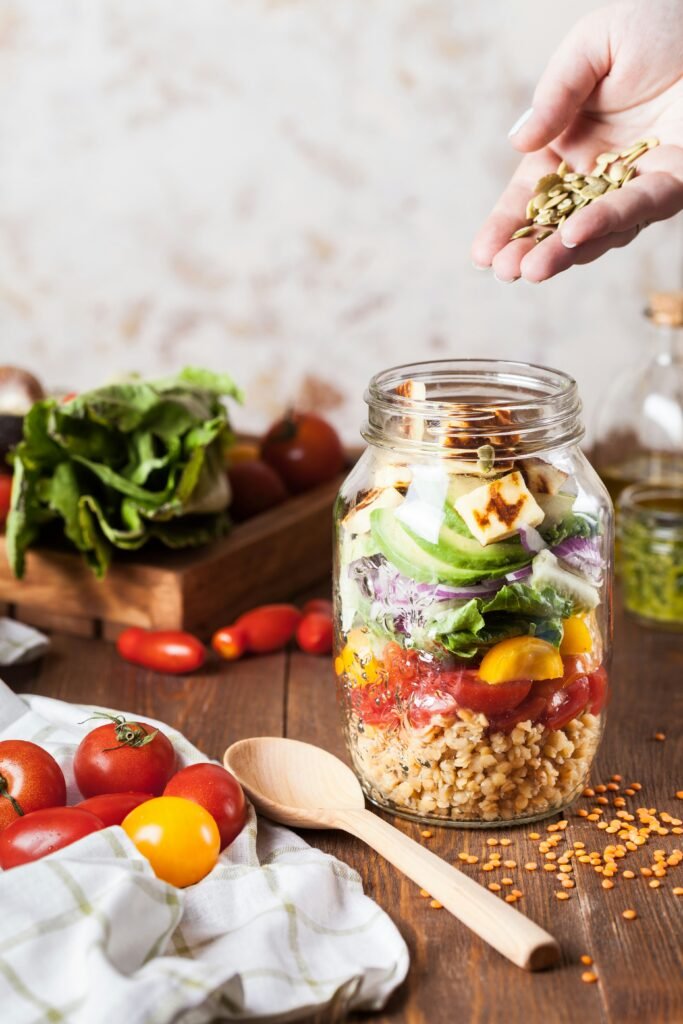
Here are some of my favorite ways to add the seeds to everyday meals:
- Add them to a smoothie or smoothie bowl
- Mix them into yogurt
- Sprinkle them over oatmeal
- Add them to salads
- Sprinkle them over avocado toast
- Mix them into homemade energy balls
- Add them to protein balls
- Blend them into a breakfast smoothie
You can also combine them with other nutritious ingredients such as spinach, blueberries, strawberries, nut butters, yogurt, and other fruits.
That makes the whole routine more enjoyable.
And perhaps one of the biggest advantages is that you’re simply finding another way to eat more nutrient-dense foods.
Best Practices You May Consider
If you’re interested in trying seed cycling, here are a few practical tips:
1. Choose fresh seeds
Buy raw seeds and store them properly.
2. Grind flax seeds
Whole flax seeds can pass through the digestive system without being fully broken down, so ground flax may make their nutrients easier to access.
3. Store ground seeds properly
Ground seeds can become rancid more quickly because their oils are exposed to oxygen. Refrigerating or freezing them can help preserve freshness.
4. Don’t feel pressured to follow a perfect schedule
Your menstrual cycle isn’t necessarily 28 days long.
Rather than becoming stressed about whether you ate the “correct” seed on the “correct” day, focus on the overall quality of your diet.
And this is how I personally approached it.
It worked best for me when the seeds were freshly ground and raw. But because grinding them every day was inconvenient, I sometimes prepared about a week’s worth and stored them in the freezer. This made the routine much easier to maintain.
Should You Try Seed Cycling?
This is probably the biggest question.
My answer would be:
You can try it, but keep your expectations realistic.
If you’re already eating a balanced diet, adding a couple of tablespoons of nutritious seeds to your meals can be a simple habit.
But if you’re experiencing:
- Irregular periods
- Infertility
- PCOS symptoms
- Very heavy periods
- Severe menstrual pain
- Persistent acne
- Excess facial hair
- Significant fatigue
- Menopausal symptoms
don’t rely on seed cycling alone.
These symptoms can have many different causes and may require proper medical assessment.
Seed cycling shouldn’t replace medications, fertility treatment, hormonal therapy, or other treatment recommended by your doctor.
The good news is that there’s no need to turn seed cycling into another stressful task.
If it makes you more interested in nutritious foods and gives you a healthy routine to follow, great.
If remembering which seeds to eat during each phase becomes stressful, that’s okay too.
You don’t have to do it.
My Personal Experience With Seed Cycling
This is where the topic becomes especially meaningful to me.
I first learned about seed cycling from a friend.
She had PCOS and later became pregnant after trying for several months. When she told me about seed cycling, I became curious.
At that point, my husband and I were also hoping to have a baby.
So I thought:
“Why not give it a try?”
I followed the traditional seed-cycling routine for around four to five months.
I ate flax and pumpkin seeds during the first part of my cycle, followed by sesame and sunflower seeds during the second part.
I incorporated them into smoothies, yogurt, oatmeal, and other foods.
Was seed cycling the reason I eventually became pregnant?
I honestly can’t say.
After all, pregnancy depends on many factors, and there is no way for me to establish that seed cycling caused my pregnancy.
But I genuinely enjoyed the routine.
It encouraged me to pay more attention to my diet, eat more seeds, and become more aware of my menstrual cycle.
And eventually, we got the news we’d been hoping for:
I was pregnant! ❤️
So, while I can’t scientifically say that seed cycling caused my pregnancy, it remains a memorable part of my pre-pregnancy journey.
Read More About My Seed Cycling Experience
My Seed Cycling Smoothie Recipe
One of my favorite ways to consume the seeds was through a smoothie.
It’s quick, filling, and easy to adjust according to whatever fruits and ingredients I had available.
Ingredients
- 250 ml fresh milk — full cream or low fat
- Crunchy muesli
- 1 tablespoon fresh yogurt
- 2 tablespoons ground seeds according to the phase of my cycle
- 1 teaspoon honey, or less depending on your preference
- 6 frozen strawberries
You can substitute the strawberries with other fruits such as:
- Blackberries
- Mango
- Melon
- Watermelon
- Blueberries
- Other berries
How I Make It
Start with the liquid and soft ingredients, such as milk and yogurt.
Next, add your frozen fruit and other ingredients such as ice, muesli, and ground seeds.
Finally, add your sweetener, such as honey.
When making a green smoothie, add your leafy greens along with the other ingredients.
Blend everything until smooth and creamy.
That’s it!
And here’s something I learned from making my first smoothie:
Ingredient order actually matters!
I initially added the harder ingredients before the softer ones.
Lesson learned. 😂
A Few Things I Wish I Knew Before Trying Seed Cycling
If I could go back and give myself a few reminders, these would be them:
Don’t expect overnight results.
Even the studies that suggest potential benefits generally look at interventions over weeks or months. Seed cycling isn’t a quick fix.
Don’t blame yourself if it doesn’t work.
If your period remains irregular or you don’t become pregnant, it doesn’t mean you didn’t try hard enough.
Don’t replace medical care with seeds.
PCOS, infertility, endometriosis, thyroid disorders, and other reproductive conditions deserve proper medical evaluation.
Enjoy the food itself.
Even without the hormone-balancing claims, seeds can be a nutritious addition to meals.
And that’s perhaps the simplest reason to include them.
A Word From the Author
I hope this gives you a clearer idea of what seed cycling is and why it has become so popular.
For me, it was an interesting and affordable way to become more mindful about my diet and menstrual cycle while we were trying to conceive.
But I also want to be honest about what I know now.
My personal experience doesn’t prove that seed cycling caused my pregnancy.
Research is still developing. A 2025 systematic review found some promising results, but the evidence remains limited and more high-quality research is needed.
So, consider seed cycling an optional food-based wellness practice, not a guaranteed fertility treatment.
And most importantly, keep your doctor in the loop.
If you have concerns about your menstrual cycle, fertility, PCOS, endometriosis, thyroid health, or other reproductive issues, talk with your OB-GYN or another qualified healthcare professional.
“Take care of your body. It’s the only place you have to live.”
“She is clothed with strength and dignity; she can laugh at the days to come.”
— Proverbs 31:25
Looking back, seed cycling was more than just eating four different kinds of seeds for me.
It became part of a period in my life when my husband and I were hoping and praying for a baby.
Every month, I watched my cycle.
I prepared my seeds.
I made smoothies.
I paid more attention to what I was eating.
And I waited.
Did seed cycling balance my hormones?
Did it improve my fertility?
Did it cause me to become pregnant?
I can’t honestly say.
What I do know is that it helped me become more mindful about my health during a very important chapter of my life.
And sometimes, that’s enough.
Our bodies are complicated. Fertility is complicated. Hormones are complicated. There isn’t always one food, one supplement, or one routine that can solve everything.
So, don’t put too much pressure on yourself.
Eat nourishing foods.
Move your body.
Rest when you need to.
Pay attention to your cycle.
Seek medical advice when something doesn’t feel right.
And most importantly, be patient with yourself.
For me, the months of waiting eventually ended with two beautiful lines on a pregnancy test.
That was the beginning of another incredible journey:
motherhood. ❤️
And maybe that’s what I love most about this old seed-cycling story.
It reminds me that sometimes we’re planting little seeds long before we get to see what grows.
Sources
- https://www.healthline.com/nutrition/seed-cycling
- https://nourishedbynutrition.com/seed-cycling-for-hormone-balance/
- https://pubmed.ncbi.nlm.nih.gov/41018334
- https://pubmed.ncbi.nlm.nih.gov/37324929
- https://pubmed.ncbi.nlm.nih.gov/36433633/
My First ‘After-Pill’ Pregnancy at 5 weeks
Best Foods You Should Eat During This Quarantine Period
17 Things We Can Do To Remain Healthy During This Quarantine Period
14 Habits To Maintain Health Hair All Year Round
Benefits of Having a Humidifier at Home
Originally Published: October 11, 2021
Updated: August 2026


I always add seeds to my weekly smoothie. There’s so many health benefits. I highly recommend it too
This is so interesting and I have heard this before. There are so many amazing benefits to seeds. I should definitely try seed cycling. Thank you!
Christine
I’ve never heard of this, but it makes so much sense! I was amazed how much I learned about the timing of my cycle in the process of trying to get pregnant, and anything that helps balance hormones would be welcome any time.
I have never heard of seed cycling before! This is so fascinating!
Oh, wow! I had no idea that this was even a thing. I know I have to try it, though. Maybe it will help me.
Food is so powerful. This is a perfect example of how we can use it to help ourselves stay healthy. Thanks for this!
I’m not a girl but even i find this extremely fascinating. First time I’ve heard of this and I can’t wait to tell my girlfriends who all seem to have problems with their periods!
This is perfect. I have these seeds all the time but I didnt realize even more benefits having it. Thank you.
I had no idea this was a thing. My periods have been irregular all my life, it’s become something I just ‘got used to’. Though seeds can be expensive here in France, this might be a good idea to try.
Seed cycling is a new concept for me but this post came really handy when I am experienced irregular menstrual cycle. Will try following this.
This was such an informative article! I’ve never heard of seed cycling but I’m willing to try anything to help with that time of the month! Especially if it’s organic. I’ll try to purchase some raw seeds today when i go to Whole Foods!
Thank you so, so much for this. Best guide I’ve read on this!
Very interesting! I’ve never heard of this before but it would be neat to give it a try.
So many benefits here. Im am more than interested in combating symptoms of acne. It’s been my struggle for a long time
How to control my desires👉🏻👉🏻
http://fI.RUNHAI.ME/Vb94702Bf