
For many of us, coffee is more than just a morning drink.
That first cup can help us feel more awake, focused, and ready to start the day. But beyond its rich aroma and comforting taste, coffee contains caffeine and many naturally occurring compounds, including polyphenol antioxidants, that have been studied for their possible effects on health.
When you drink coffee without adding large amounts of sugar, cream, or syrups, it can be a relatively low-calorie beverage.
Research has linked regular coffee consumption with a number of potential health benefits, including improved alertness and associations with lower risks of several chronic conditions. However, it’s important to understand that many of these studies are observational. In other words, they show a relationship between coffee consumption and health outcomes but do not necessarily prove that coffee itself caused the benefit.
So, let’s take a closer look at what black coffee may, and may not, do for you.
1. May Improve Physical Performance
One of the best-known effects of coffee comes from caffeine, a natural stimulant.
Caffeine can increase alertness and reduce the perception of effort during exercise. This is one reason coffee is commonly consumed before workouts.
Studies have found that caffeine can improve certain aspects of exercise performance, particularly endurance and some forms of high-intensity activity.
It may also increase adrenaline levels, helping prepare your body for physical exertion.
Caffeine can also increase the availability of fatty acids in the bloodstream, although this does not mean that drinking coffee automatically causes significant fat loss.
If you enjoy coffee before exercising, a cup may help you feel more energetic and focused—but don’t rely on it as a replacement for adequate sleep, nutrition, or hydration.

2. May Support Weight Management
Coffee has been studied for its possible effects on metabolism and appetite.
Caffeine can temporarily increase energy expenditure, but the effect is much smaller and less dramatic than some older articles claim. It would therefore be misleading to say that coffee boosts metabolism by 50% or that it automatically burns large amounts of body fat.
That said, plain black coffee is very low in calories, which can make it a useful alternative to sugary coffee drinks.
For example, replacing a heavily sweetened latte, flavored coffee, or sugary energy drink with unsweetened black coffee may reduce your overall calorie intake.
Ultimately, healthy weight management still depends on your overall diet, physical activity, sleep, and lifestyle.
3. Boosts Alertness and Mental Performance
This is probably the benefit you’ll notice most quickly.
Caffeine blocks adenosine, a chemical in the brain associated with sleepiness. As a result, caffeine can help you feel more awake and attentive.
Moderate caffeine intake may improve:
- Alertness
- Attention
- Reaction time
- Concentration
- Perceived energy
That’s why a cup of black coffee can be particularly helpful during an early morning start or during a long workday.
Just remember that more caffeine does not necessarily mean better concentration. Too much can cause nervousness, anxiety, irritability, and difficulty sleeping.

4. May Support Digestive Health
The original version of this article described coffee as something that “cleanses the stomach.”
I’d change that wording.
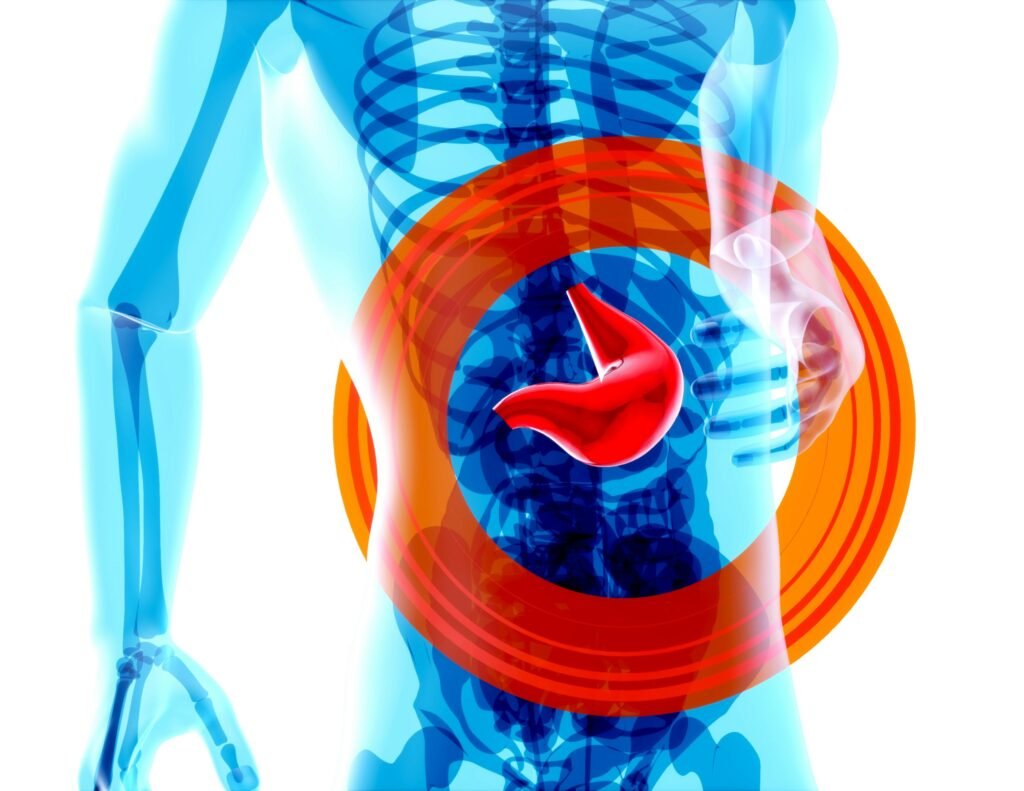
Coffee does not cleanse your stomach or flush toxins from your digestive system.
However, coffee can stimulate the movement of the gastrointestinal tract and may increase bowel movements in some people. That’s why some people feel the urge to use the bathroom shortly after drinking coffee.
Coffee can also increase stomach acid production, which means that it may actually worsen heartburn or reflux in some people.
So, if coffee makes your stomach uncomfortable, causes heartburn, or triggers digestive symptoms, reducing your intake may help.
5. Provides Antioxidants
Coffee contains a variety of naturally occurring compounds with antioxidant activity, including polyphenols and other bioactive compounds.
Antioxidants help the body manage oxidative stress, which occurs when reactive molecules can damage cells and tissues.
Coffee is actually a significant source of dietary antioxidants for many people because it is consumed regularly.
However, you don’t need coffee to get antioxidants. Fruits, vegetables, whole grains, nuts, seeds, tea, and many other foods are excellent sources as well.
Think of coffee as one possible contributor to a healthy diet, not a replacement for nutritious foods.
6. May Be Associated With Better Mood
A cup of coffee can certainly make you feel more energetic and alert, and caffeine can influence brain chemicals involved in mood and motivation.
Research has also found associations between coffee consumption and lower risks of depression and suicide in some populations.
However, we should be careful about turning this into the statement that coffee “prevents depression.”
Depression is a serious medical condition, and coffee should never replace appropriate medical or psychological treatment.
If you are experiencing persistent sadness, hopelessness, loss of interest, or other symptoms of depression, talk to a healthcare professional.

7. May Help Protect Against Gout
Research has found an association between coffee consumption and a lower risk of gout.
Gout occurs when uric acid crystals accumulate in the joints. Coffee may influence factors involved in uric acid metabolism and insulin sensitivity.
However, coffee is not a treatment for an acute gout attack.
If you have gout, follow your doctor’s treatment plan and don’t rely on coffee to control the condition.
8. May Support Heart Health
This is one of the most interesting areas of coffee research.
Large observational studies have found that moderate coffee consumption is often associated with a lower risk of cardiovascular disease.
Current evidence does not support the old idea that ordinary coffee consumption is automatically bad for the heart.
In fact, for many adults, moderate coffee consumption appears to be compatible with heart health.
However, individual responses differ. Caffeine can temporarily increase blood pressure, and people with certain heart conditions or strong caffeine sensitivity may need to limit their intake.
Also remember that the way you prepare your coffee matters. Adding large quantities of sugar, syrups, whipped cream, or high-calorie creamers can turn a low-calorie beverage into a high-calorie one.
9. May Be Associated With a Lower Risk of Some Cancers
Coffee has been extensively studied in relation to cancer.
Research suggests that coffee consumption may be associated with a lower risk of certain cancers, particularly liver and endometrial cancers.
There is also evidence supporting a relationship between coffee consumption and a lower risk of liver disease, including liver cirrhosis.
However, these findings do not mean that coffee is a cancer treatment or that drinking more coffee will prevent cancer.
The most important cancer-prevention strategies remain avoiding tobacco, maintaining a healthy weight, being physically active, eating a balanced diet, limiting alcohol, and following recommended screening guidelines.
10. May Support Cellular Protection
Coffee contains many bioactive compounds that interact with the body’s antioxidant and metabolic systems.
Some studies have investigated whether coffee consumption is associated with markers of cellular and DNA protection.
However, the original claim that coffee “strengthens your DNA” is too strong.
It is more accurate to say that coffee contains compounds that may contribute to antioxidant defense and cellular protection.
More research is needed to understand exactly how these effects translate into long-term health outcomes.
11. May Be Associated With Lower Risk of Premature Death
One of the most consistent findings in large observational studies is an association between moderate coffee consumption and a lower risk of death from various causes.
Researchers have found similar patterns for cardiovascular disease, certain cancers, respiratory disease, and several other causes.
But once again, association does not equal causation.
Coffee drinkers may differ from non-coffee drinkers in many other ways, including diet, physical activity, socioeconomic factors, and other lifestyle habits.
So rather than thinking of coffee as a longevity medicine, think of it as one beverage that can fit into an overall healthy lifestyle.
12. May Be Associated With a Lower Risk of Stroke
Moderate coffee consumption has also been associated with a lower risk of stroke in some large population studies.
The relationship appears to be strongest with moderate consumption rather than very high intake.
Since stroke prevention depends on many factors, don’t rely on coffee alone. Managing blood pressure, cholesterol, blood sugar, weight, smoking, and physical activity remains far more important.

13. May Be Associated With a Lower Risk of Type 2 Diabetes
This is another area where coffee research has produced interesting results.
Regular coffee consumption has been associated with a lower risk of developing type 2 diabetes in many observational studies.
Interestingly, this association is not limited to caffeine alone, which suggests that other compounds in coffee may play a role.
However, the old wording in this article needs correction: caffeine does not simply decrease insulin sensitivity and thereby reduce diabetes risk. In the short term, caffeine can actually affect glucose metabolism in different ways.
So the most accurate takeaway is:
Regular coffee consumption has been associated with a lower risk of type 2 diabetes, but coffee should not be considered a treatment or substitute for healthy eating and physical activity.
14. May Support Brain Health
Coffee’s caffeine content can temporarily improve alertness, attention, and mental performance.
Long-term coffee consumption has also been studied in relation to cognitive decline and neurological conditions such as Parkinson’s disease and Alzheimer’s disease.
Some studies have found that moderate coffee consumption is associated with a lower risk of Parkinson’s disease and possibly some forms of dementia.
However, research in this area is still developing, and coffee should not be presented as a guaranteed way to prevent Alzheimer’s disease, dementia, multiple sclerosis, or other neurological disorders.
Still, enjoying a moderate amount of coffee as part of a healthy lifestyle may be perfectly reasonable for many adults.

Possible Risks of Drinking Black Coffee
Coffee isn’t suitable for everyone, and caffeine affects people differently.
Too much caffeine can cause:
- Nervousness or anxiety
- Restlessness
- Rapid heartbeat or palpitations
- Stomach discomfort
- Headaches
- Sleep problems
- Increased urination
The FDA says that up to about 400 mg of caffeine per day is an amount not generally associated with negative effects for most healthy adults, although sensitivity varies significantly from person to person.
And remember: a “cup” of coffee isn’t always the same. Caffeine content can vary greatly depending on the type of coffee, serving size, brewing method, and brand.
What About Coffee During Pregnancy?
This is particularly important.
Pregnant women do not necessarily have to eliminate coffee completely, but caffeine intake should be limited.
The American College of Obstetricians and Gynecologists recommends less than 200 mg of caffeine per day during pregnancy. This includes caffeine from coffee, tea, chocolate, soft drinks, energy drinks, and other sources.
So instead of saying that pregnant women should limit themselves to “one cup a day,” it’s more accurate to say:
Keep total caffeine intake below 200 mg per day and check the caffeine content of your particular coffee.

Coffee Can Affect Sleep
Even if coffee doesn’t make you feel jittery, caffeine can interfere with sleep.
For some people, having coffee too late in the afternoon or evening can make it harder to fall asleep or reduce sleep quality.
If you’re sensitive to caffeine, consider switching to decaf or having your last caffeinated coffee earlier in the day.
There is no point drinking coffee for energy if it prevents you from getting the sleep your body needs.
Coffee and Cholesterol
The way coffee is brewed can affect its impact on cholesterol.
Unfiltered coffee—such as French press, Turkish coffee, and certain boiled coffees—contains compounds called cafestol and kahweol, which can raise LDL cholesterol.
Paper-filtered coffee removes much of these compounds.
So, if you have high cholesterol, filtered coffee may be a better option than large amounts of unfiltered coffee.
What About Children?
Coffee isn’t a good everyday beverage for young children.
Children and teenagers are more sensitive to caffeine and may experience increased heart rate, anxiety, sleep problems, and other side effects.
The FDA notes that medical experts advise against energy drinks for children and teens because of their caffeine and sugar content.
How Much Black Coffee Should You Drink?
There is no single amount that is perfect for everyone.
For most healthy adults, the FDA’s general reference point of up to 400 mg of caffeine per day can be used as a guide, but individual tolerance varies.
Instead of counting cups alone, pay attention to how your body responds.
If you notice:
- poor sleep,
- anxiety,
- palpitations,
- stomach discomfort,
- headaches, or
- excessive dependence on caffeine,
consider reducing your intake.
And when cutting back, doing it gradually can help minimize caffeine-withdrawal symptoms such as headaches and fatigue.
The Best Way to Drink Black Coffee
The healthiest option for many people is simply:
Black coffee + little or no added sugar
You don’t have to drink your coffee completely black if you don’t enjoy it. A small amount of milk can still fit perfectly well into a balanced diet.
The bigger concern is adding large amounts of sugar, flavored syrups, whipped cream, and high-calorie toppings on a regular basis.
So enjoy your coffee in the way that works for you, but keep moderation in mind.

Final Thoughts
Coffee is one of those foods that has been the subject of countless health discussions.
And the good news is that the latest evidence is much more reassuring than some of the old warnings made it sound.
For most healthy adults, moderate coffee consumption can be part of a healthy lifestyle. It can help improve alertness, may support physical performance, and has been associated with lower risks of several chronic conditions.
But coffee is not a miracle drink.
It won’t magically burn away body fat, cleanse your stomach, cure depression, prevent cancer, or guarantee that you’ll live longer.
A Quote to Remember
“A cup of coffee shared with a friend is happiness tasted and time well spent.”
Bible Verse
“Whether you eat or drink or whatever you do, do it all for the glory of God.”
— 1 Corinthians 10:31
Final Thoughts
Personally, I think there’s something comforting about a simple cup of coffee.
It’s the smell in the morning.
It’s the first sip before starting a busy day.
It’s sitting down with someone you love and talking over a cup.
Those little moments matter too.
So, enjoy your coffee, but listen to your body. Choose moderation over excess, quality over quantity, and don’t let coffee replace proper sleep, nutritious food, exercise, or medical care.
Sometimes, a simple cup of black coffee is all we need to start the day—but a healthy lifestyle is what keeps us going. ☕❤️
Sources
- https://www.fda.gov/consumers/consumer-updates/spilling-beans-how-much-caffeine-too-much
- https://www.acog.org/womens-health/experts-and-stories/ask-acog/how-much-coffee-can-i-drink-while-pregnant
- https://www.acog.org/womens-health/faqs/having-a-baby
- https://pubmed.ncbi.nlm.nih.gov/15657469/
- https://pubmed.ncbi.nlm.nih.gov/11583104/
- https://www.efsa.europa.eu/en/efsajournal/pub/2054
- https://pubmed.ncbi.nlm.nih.gov/24740588/
- https://pubmed.ncbi.nlm.nih.gov/21586702/
- https://www.hsph.harvard.edu/nutritionsource/coffee/
- https://pubmed.ncbi.nlm.nih.gov/14706966/
- https://pubmed.ncbi.nlm.nih.gov/24960578/
- https://pubmed.ncbi.nlm.nih.gov/26242742/
Important: The original article contained several very specific claims, for example, that coffee increases metabolism by 50%, prevents suicide by 50%, “cleanses” the stomach, strengthens DNA, or directly treats various diseases. I have deliberately softened or removed those claims because the available evidence does not support presenting them that way. Coffee’s potential health benefits are best described as associations from research, not guaranteed effects.
14 Habits To Maintain Health Hair All Year Round
Glutathione: Health Benefits And Side Effects
13 Simple Ways to Reduce Acid Reflux and Heartburn Naturally
Originally Published: February 27, 2020
Updated: August 2026




Next time my wife tells me I’m drinking to much coffee I am going to send her this link
Well, “too much” is actually dangerous. As mentioned, “Coffee can be lethal if you drink 80-100 cups (23 litres) in a short period of time.” But drinking in moderation is totally fine. Take care and good luck!
Great article! Very informative and helpful!
I absolutely love black cofee. I was not aware that it has so many health benefits. Thanks for letting me know 🙂
You’re welcome Ankit! It’s quite interesting information to share, hope this article helps.
I had no idea that black coffee had so many great benefits. Now just to get over the taste!
That’s true Megan! It indeed has a lot of benefits that we don’t know actually exists. Hope this article helps!
This is a refreshing read because I love coffee
Thank you Renee, it’s a chance to love drinking coffee more!
This is a great excuse to drink more coffee. Thank you for this interesting article.
Sure thing Stefanie! Just be share to maintain consuming the recommended daily intake of caffeine.
These are interesting benefits of drinking black coffee! Thank you for sharing.
You’re welcome Wendy! Hope this article helps!
I’m a lover of coffee but I didn’t even know it had these many benefits!
It indeed has several benefits Ima. It’s time to know more about the coffee we love. Which type of coffee do you love? Cappuccino is really good in the morning.
wow i had no idea about all of these benefits. thanks for sharing this
You’re welcome Mariah, our pleasure to share information on health and wellness. Hope these helps!
This post is making me so happy right now. The coffee lover that I am did not know about all these benefits.
Indeed Marjie, coffee has a lot of health benefits which we didn’t know before, hope this article helps!
I didn’t know that! Coffee makes my energy go crazy so for me it’s always been a trigger than a soother haha.
Thank you for sharing your experience Vasundra! Maybe you need to switch to a different coffee blend to avoid such situation. Good luck!
I haven’t entirely gone black, but there are some days when I prefer black coffee. And yes, it’s because I know it’s really the heathier option.
Crickette, The Things I Have to Say
That’s right! Thank you for sharing your experience Crickette. Hope this article help you become more aware about black coffee’s health benefits.
I am a huge coffee lover,This post is making me so happy right now.
Thank you Bindu! Hope this article helps.
I love Nescafe. I always take a coffee at late night so that I can keep working for long. Well, it help me a lot. Love to know so many benefits of black coffee 🙂
Thank you for sharing your experience with drinking this “powerful energy booster” Harish! It really wakes us up due to its caffeine content. Hope this article helps on knowing its health benefits.
I think my mouth was opened wide as I read through this list. Really? It strengthens DNA and helps you lose wait and all the things? i really had no idea. Thank you so much for such an insightful post. Now only if I liked the taste of black coffee. LOL!
You’re welcome Adriane! These benefits are quite interesting but it’s absolutely true! Maybe you’ll learn to drink a plain black coffee someday.
I love coffee but it’s hard for me to go without a little cream and sugar!
That’s right Shelby, coffee is livelier with cream and sugar, just make sure it’s of right amount as these ingredients adds up to the calories.
I hardly drink coffee especially black coffee but I will start drinking…thanks for the share!
You’re welcome Suanlian! It indeed has a lot of health benefits. Hope this article helps.
My husband loves drinking black coffee and tells me he has seen so many weight loss benefits. But for the life of me, I cannot handle the taste of our black coffee!! Great insights though.
Indeed, black coffee tastes bitter, but then I still love until now. Good for your husband though.
Great insights. My hubby loves drinking black coffee and tells me of the benefits he’s seen, but for the life of me, I cannot drink straight black office!!
Thank you for sharing that Kevine! It is true some people are not used to drinking plain black coffee, even before I started to learn drinking it too, it takes lot of time and effort to be able to get used to it.
This pornographic website makes me very angry👉
http://u.RUNHAI.ME/xZ94702GQ