Good eyesight is something many of us tend to take for granted until we notice a change.
Our eyes help us work, read, drive, enjoy our favorite places, recognize the people we love, and experience the world around us. That’s why taking care of them should be part of our everyday health routine.
The good news is that protecting your vision doesn’t always require complicated steps. Many of the habits that support eye health are also the same habits that support your overall health, eating well, staying active, not smoking, protecting yourself from the sun, and keeping conditions such as diabetes and high blood pressure under control.
Of course, not every eye condition can be prevented. Age, genetics, and certain medical conditions can all affect vision. But there are still plenty of things we can do to give our eyes the best possible care.
Here are 12 simple habits to help you maintain healthy eyes and protect your vision over time.
1. Eat a Healthy, Balanced Diet
Good eye health starts with good nutrition.
A balanced diet provides the vitamins, minerals, and other nutrients your eyes need to function properly. The National Eye Institute recommends eating plenty of dark leafy greens and fish rich in omega-3 fatty acids, such as salmon, tuna, and halibut.
Try including foods such as:
- Avocados
- Beans
- Berries
- Broccoli
- Eggs
- Flaxseed
- Kale
- Leafy green vegetables
- Nuts and seeds
- Oranges and other fruits
- Peas
- Quinoa
- Salmon and other fatty fish
- Sardines
- Spinach
- Tuna
These foods provide a variety of nutrients, including vitamins A, C, and E, zinc, carotenoids, and omega-3 fatty acids.
The macula, located at the back of the eye, is responsible for central vision, so maintaining a nutritious diet is particularly important for long-term eye health.
I would, however, remove the original claim that drinking two caffeinated beverages every day protects against dry eyes. That isn’t strong enough evidence to present as a general recommendation.
You can still enjoy your morning coffee or tea, just don’t consider it a treatment for dry eyes.

2. Exercise Regularly and Maintain a Healthy Weight
Regular physical activity benefits your entire body, including your eyes.
Being physically active can help reduce your risk of conditions such as type 2 diabetes, high blood pressure, and high cholesterol, all of which can contribute to eye and vision problems.
You don’t have to become a marathon runner.
Walking, swimming, cycling, dancing, strength training, or simply staying active throughout the day can make a difference.
Maintaining a healthy weight is also important because excess weight can increase the risk of certain health conditions that affect vision.
Move your body, and you’re helping more than just your muscles. Your eyes benefit, too.

3. Get Enough Quality Sleep
Your eyes need rest, too.
Poor sleep can leave your eyes feeling tired, dry, irritated, and uncomfortable. Getting enough quality sleep gives your whole body, and your eyes, a chance to recover.
Try to maintain a regular sleep schedule and create a relaxing bedtime routine.
You can also reduce screen use before bed if you find that it interferes with your sleep.
Remember, no eye-care routine can compensate for consistently poor sleep.
Sometimes the best thing you can do for your eyes is simply close them and get some rest.

4. Quit Smoking – or Never Start
Smoking is harmful to almost every part of the body, including your eyes.
The National Eye Institute reports that smoking increases the risk of eye diseases such as age-related macular degeneration and cataracts, and it can also damage the optic nerve.
Smoking is also associated with oxidative stress and other changes that can damage eye tissues.
So, if you smoke, quitting is one of the best things you can do for your overall health—and your eyes.
And if you’ve never smoked, don’t start.
If quitting has been difficult, talk with your doctor or another healthcare professional about strategies that can help.
5. Drink Alcohol in Moderation
Your original article gave specific weekly and daily alcohol limits, but those recommendations can vary by country and have changed over time.
A safer way to phrase this is simply:
Limit alcohol consumption and avoid drinking excessively.
Heavy alcohol use can affect your overall health and may contribute indirectly to eye problems through its effects on nutrition, blood pressure, diabetes risk, and other health conditions.
You don’t need alcohol to maintain healthy eyes.
Water is still one of the best choices for staying hydrated.

6. Wear Sunglasses and Protect Your Eyes From the Sun
Your eyes can be exposed to ultraviolet (UV) radiation every time you’re outdoors.
Long-term UV exposure can increase the risk of certain eye problems, including cataracts.
To protect your eyes:
- Choose sunglasses that block 99–100% of UVA and UVB radiation or are labeled UV400.
- Wear a wide-brimmed hat when possible.
- Seek shade during strong sunlight.
- Wear your sunglasses even when it’s cloudy because UV radiation can still reach your eyes.
Good sunglasses don’t have to be expensive.
What matters most is proper UV protection.
7. Give Your Eyes Regular Breaks From Screens
Many of us spend hours staring at computers, phones, tablets, and other screens.
This can lead to digital eye strain, which may cause tired eyes, dryness, blurry vision, headaches, or difficulty focusing.
One simple strategy is the 20-20-20 rule:
Every 20 minutes, look at something about 20 feet away for at least 20 seconds.
The National Eye Institute recommends this approach as a way to give your eyes a break from prolonged screen use.
You can also:
- Blink regularly.
- Reduce glare on your screen.
- Adjust your screen brightness.
- Keep your screen at a comfortable distance.
- Position the screen slightly below eye level.
- Take longer breaks when your eyes feel tired.
And remember: spending time looking at screens doesn’t mean you’re permanently damaging your eyesight. The goal is simply to reduce discomfort and eye strain.

8. Wash Your Hands and Use Contact Lenses Properly
If you wear contact lenses, good hygiene is extremely important.
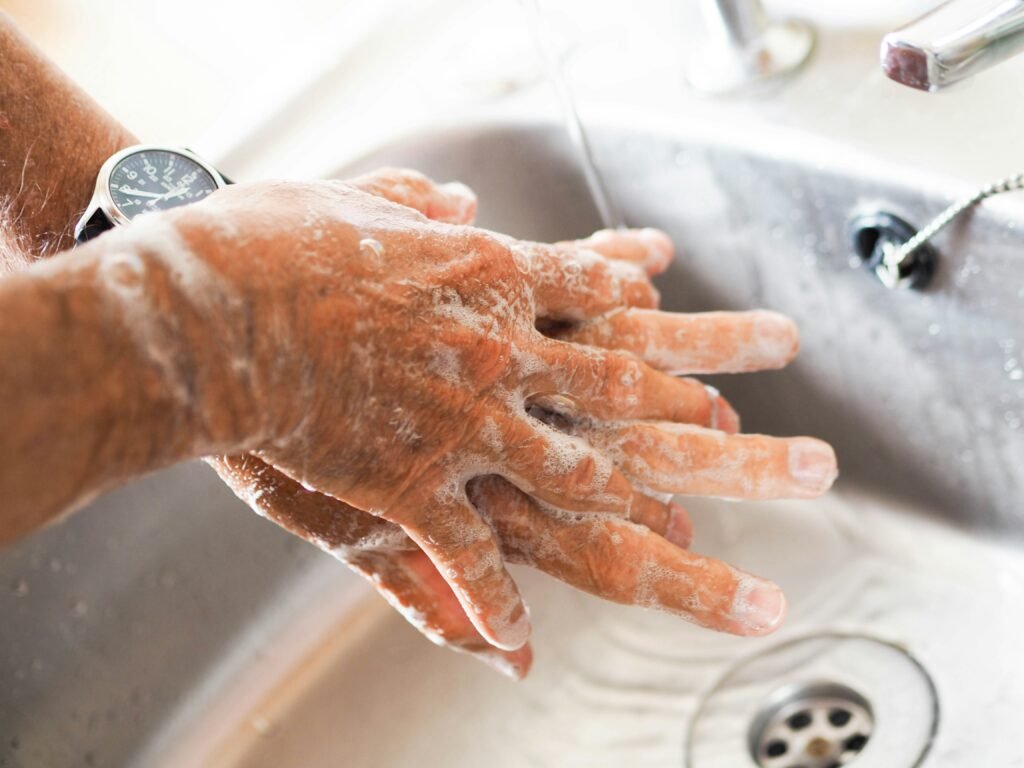
Always wash and dry your hands before handling your lenses.
Follow the cleaning and replacement instructions recommended for your particular lenses, and don’t wear them longer than advised.
Poor contact-lens hygiene can increase the risk of eye infections.
The National Eye Institute specifically recommends washing your hands before putting contact lenses in or taking them out, properly disinfecting them, and replacing them regularly.
Also, avoid sleeping in contact lenses unless your eye-care professional has specifically told you that your lenses are designed for overnight wear.
9. Wear Protective Eyewear
Some eye injuries can happen within seconds.
A flying piece of debris, chemical splash, sports injury, or accident while using tools can potentially cause serious and permanent eye damage.
Wear appropriate protective eyewear when:
- Doing home repairs
- Using power tools
- Working with chemicals
- Gardening
- Playing certain sports
- Working in environments with dust or flying particles
Safety glasses and goggles are designed to protect your eyes from these types of hazards.
Don’t wait until an accident happens.
Protect your eyes before you need to.
10. Keep Your Eyes Comfortable and Hydrated
Dry eyes can be caused or aggravated by many things, including prolonged screen use, smoke, dry environments, certain medications, and some health conditions.
One simple habit is to blink regularly, especially when using a computer or phone.
If your eyes feel dry, an eye-care professional or pharmacist can recommend appropriate lubricating eye drops.
However, don’t automatically use medicated eye drops every time your eyes feel uncomfortable. Persistent dryness or irritation may have an underlying cause that needs evaluation.
If your symptoms continue, see an eye-care professional.
11. Know Your Family’s Eye Health History
Your family history can tell you something important about your own eye-health risks.
Certain eye diseases and conditions can run in families, including glaucoma and age-related macular degeneration.
Talk to your parents, siblings, and other relatives about whether anyone has been diagnosed with an eye disease.
Then tell your optometrist or ophthalmologist.
Knowing your family history may help your eye-care professional determine whether you need closer monitoring or earlier testing.
12. Visit Your Eye Doctor Regularly
This may be the most important habit on the entire list.
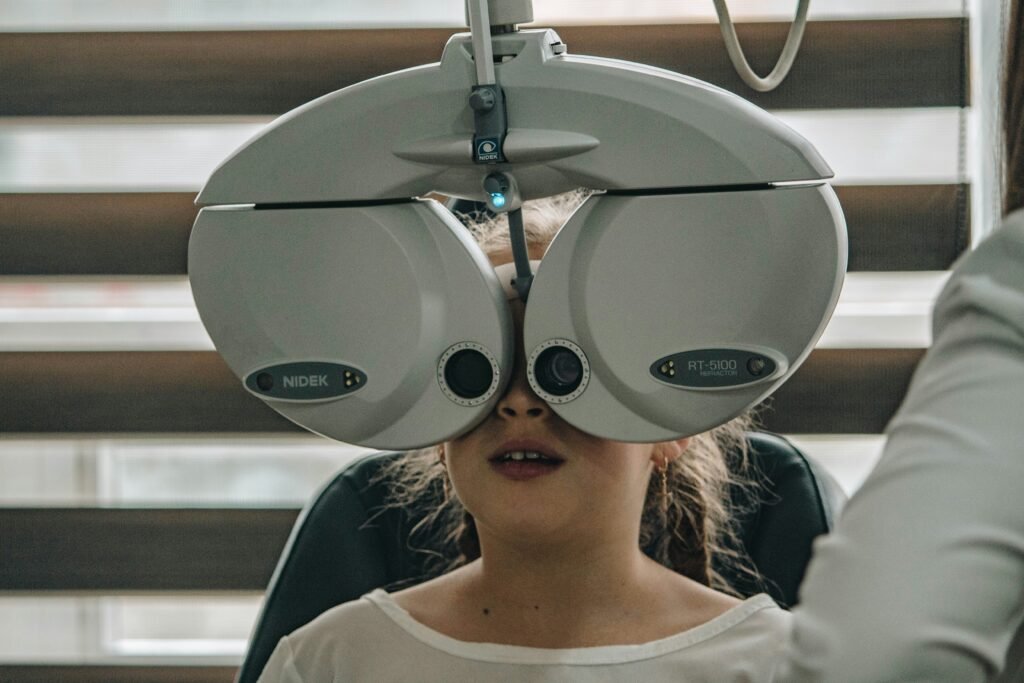
You don’t have to wait until your vision becomes blurry before seeing an eye-care professional.
Many eye diseases don’t cause noticeable symptoms in their early stages. A comprehensive dilated eye exam can detect certain problems before they cause significant vision loss. The National Eye Institute describes a dilated eye exam as one of the most important ways to stay on top of your eye health.
How often you need an eye exam depends on your age, health, risk factors, family history, and whether you have an existing eye condition. So instead of telling everyone to get an eye exam exactly every two years, ask your eye-care professional how frequently you should be examined.
This is especially important if you have conditions such as:
- Diabetes
- High blood pressure
- A family history of eye disease
- Previous eye problems
- Vision changes
Managing your overall health also matters. Diabetes and high blood pressure can increase the risk of certain eye diseases, including diabetic retinopathy and glaucoma.
Early Intervention Matters
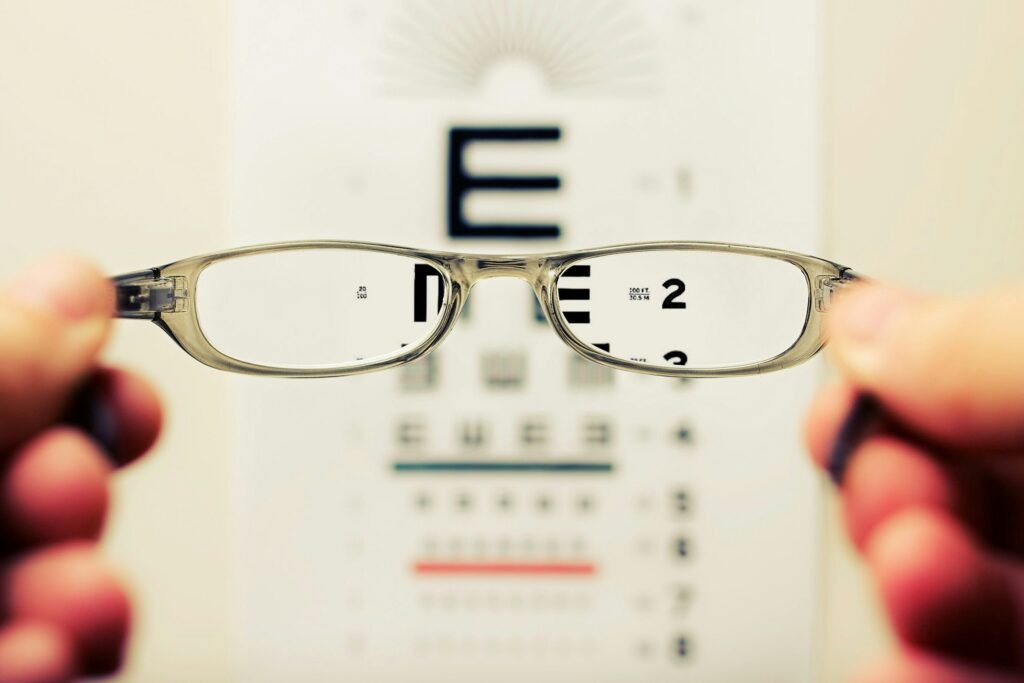
Some vision problems can be corrected or managed more effectively when discovered early.
Refractive errors such as myopia, hyperopia, astigmatism, and presbyopia can be diagnosed through an eye examination.
Other conditions, including glaucoma, cataracts, diabetic retinopathy, and age-related macular degeneration, may require ongoing monitoring or treatment.
The important point is not to wait until a problem becomes severe.
Regular eye examinations can identify many eye diseases at an earlier stage, when treatment may be more effective.
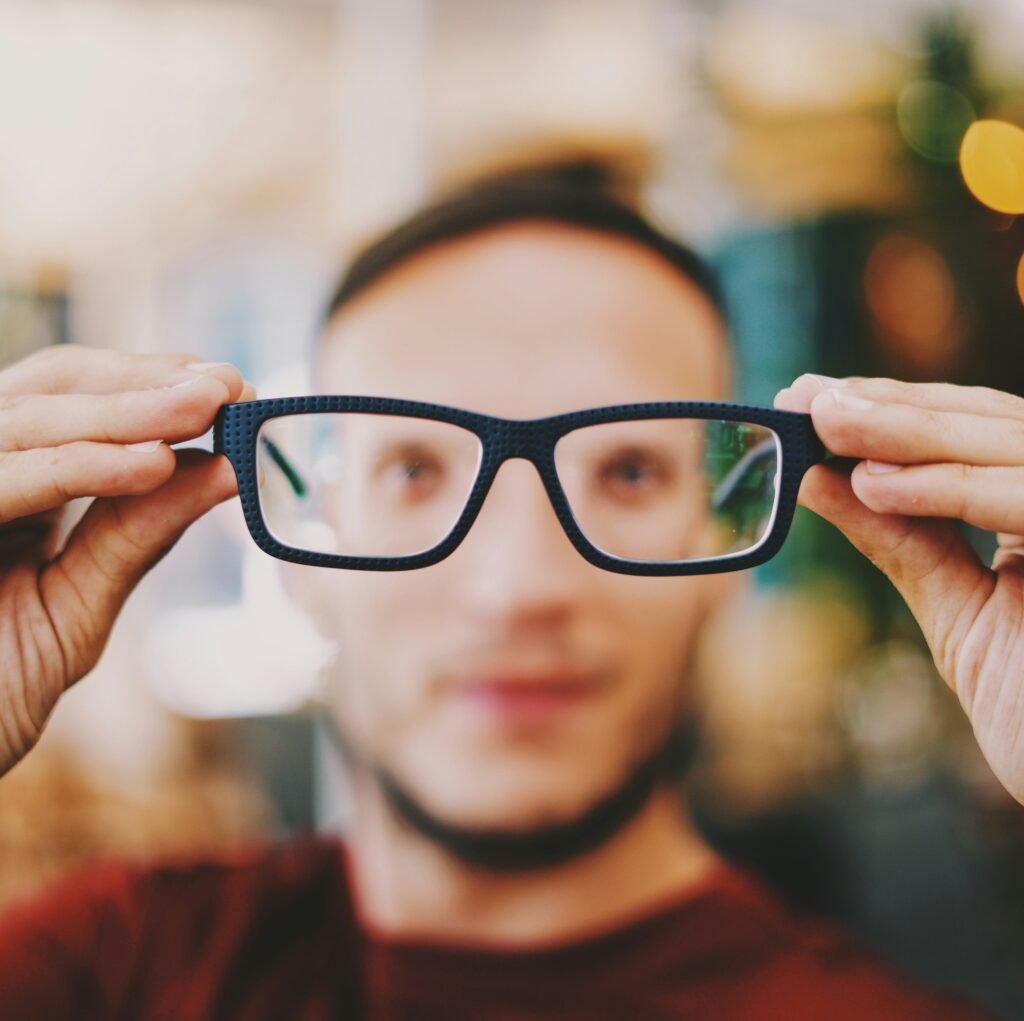
When Should You Seek Medical Attention?
Don’t ignore sudden or unusual changes in your vision.
Seek prompt medical attention if you experience symptoms such as:
- Sudden loss of vision
- Sudden or significant changes in vision
- New flashes of light
- A sudden increase in floaters
- Severe eye pain
- Significant redness with pain
- New double vision
- Significant light sensitivity following an eye injury
- A chemical or foreign object entering the eye
Some eye emergencies require immediate treatment, so don’t simply wait for the symptoms to disappear.
A Simple Daily Eye-Health Routine
You don’t need to remember 12 complicated rules every day.
Start with these simple habits:
Eat well. Move regularly. Sleep enough. Don’t smoke. Wear sunglasses. Take screen breaks. Protect your eyes from injury. Practice good contact-lens hygiene. Know your family history. And keep up with appropriate eye examinations.
These habits also support your overall health, which is closely connected to your eye health.
Final Thoughts
We use our eyes from the moment we wake up until the moment we fall asleep.
We use them to read messages, look at our children, drive to work, appreciate beautiful scenery, watch our favorite movies, and see the faces of the people we love.
Yet we rarely stop to think about how valuable our eyesight really is.
“The eye is the jewel of the body.”
“Your eye is the lamp of your body. When your eyes are healthy, your whole body also is full of light.”
— Luke 11:34
Your eyes deserve more than occasional attention when something goes wrong.
Give them a little care every day.
Eat foods that nourish your body. Give your eyes a break from screens. Put on your sunglasses before heading outside. Wear protective eyewear when necessary. Take care of your contact lenses. And most importantly, don’t skip your eye examinations simply because your vision seems fine.
Some eye diseases can develop quietly, without obvious warning signs.
So don’t take your eyesight for granted.
Your eyes work for you every single day.
Give them the care they deserve, and protect the gift of seeing the world around you for as long as possible. ❤️
Sources
- https://www.nei.nih.gov/eye-health-information/healthy-vision/how-eyes-work/keep-your-eyes-healthy
- https://www.nei.nih.gov/eye-health-information/healthy-vision/8-things-you-can-do-right-now-protect-your-vision
- https://www.nei.nih.gov/eye-health-information/healthy-vision
- https://www.nei.nih.gov/research-and-training/research-news/protecting-your-eyes-suns-uv-light
- https://www.nei.nih.gov/eye-health-information/eye-conditions-and-diseases/cataracts
- https://www.nei.nih.gov/eye-health-information/healthy-vision/finding-eye-doctor/get-dilated-eye-exam
- https://www.nei.nih.gov/about/education-and-outreach/healthy-vision-resources/healthy-vision-month
Originally Published: March 4, 2020
Updated: August 2026



This is really good suggestions for me, l have contacts lenses every day and my eyes need some good tips 🙂
This are really good suggestions for me.
I have contacts lenses every day and my eyes need some Help 😁
That’s true Francesca! You really need to take care of your eyes, especially when you’re using contact lenses. Proper ways of putting and removing it needs to be followed, and I guess, you’re already aware of it. Good luck!
Great read! It’s so important to do these things (most of them have multiple benefits!).
Thank you Jean-Marie and hope these help for your optimal eye health!
Wdym….??? She is right there lol 😂😂😂😂😂