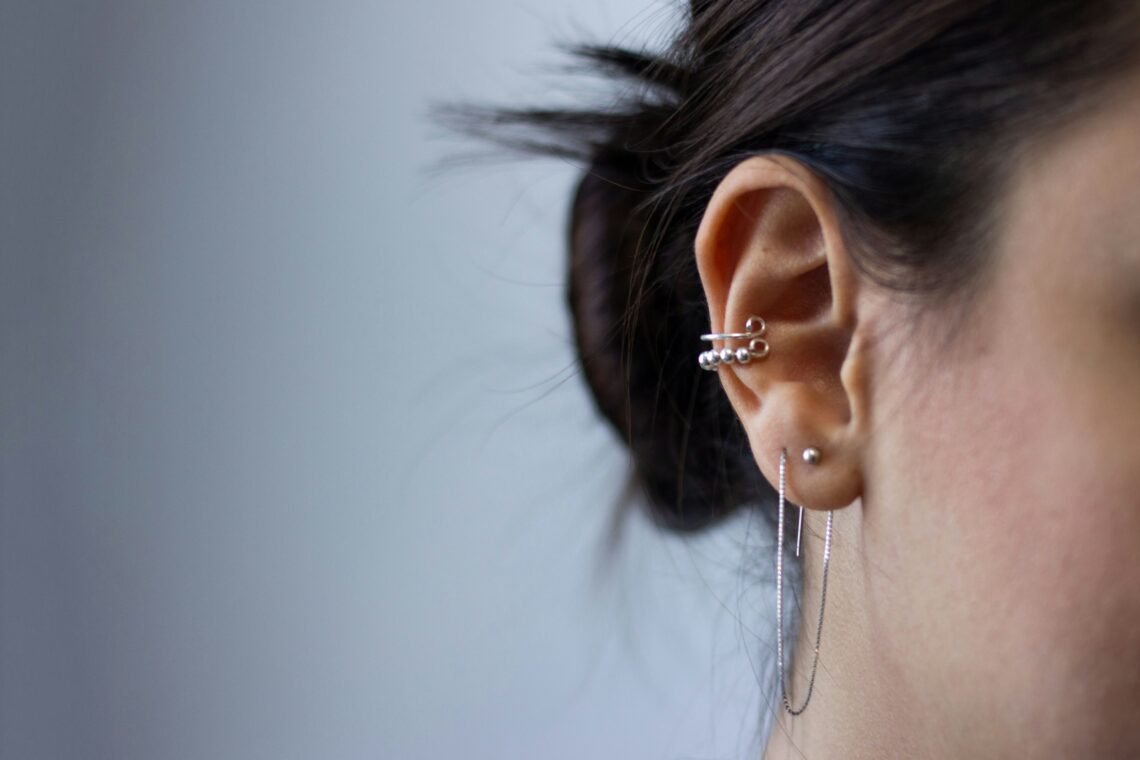
People get piercings for many different reasons. For some, it is a form of personal expression, while for others, it may be connected to culture, tradition, religion, fashion, or simply a desire to try something new.
But did you know that some traditional practices have also associated certain ear and body piercing locations with health benefits?
For centuries, various cultures have used specific points on the ear and body in traditional healing practices such as acupuncture and acupressure. Some people believe that stimulating these points may help with pain, stress, digestion, or other health concerns.
However, there is an important distinction to make: traditional claims about piercing are not the same as scientifically established medical benefits. Research does suggest that acupuncture may help with some types of pain and migraine, but there is much less evidence that an ordinary body piercing provides the same therapeutic effects.
So, before getting a piercing for a supposed health benefit, let’s take a closer look at what is traditionally believed, what science actually supports, and what risks you should consider.
What Is Auriculotherapy?
Auriculotherapy is a complementary therapy that involves stimulating specific points on the ear. It is related to acupuncture and is based on the traditional concept that different areas of the ear correspond to different parts or functions of the body.
French physician Dr. Paul Nogier is widely associated with the development of modern auriculotherapy in the 20th century.
Auriculotherapy uses techniques such as needles, pressure, or other forms of stimulation. This is different from simply having an ear piercing.
Some practitioners believe that stimulating particular points on the ear may influence pain and other symptoms. However, the evidence for these effects varies, and auriculotherapy should not be considered a replacement for conventional medical treatment.
Research on acupuncture provides somewhat stronger evidence for certain conditions. For example, studies suggest that acupuncture may help reduce the frequency of migraines and relieve some types of pain. However, researchers also note that some of its benefits may be related to nonspecific effects such as expectation and placebo responses.
Therefore, it is important not to assume that a piercing placed in the same general area as an acupuncture point will provide the same therapeutic effect.
Are There Health Benefits of Piercing?
There are many claims about the health benefits of different types of piercings. Some come from traditional medicine, while others have been repeated online for many years.
Let’s look at some of the most common claims.
1. Nose Piercing
Nose piercing has a long history, particularly in South Asian cultures. In some Ayurvedic traditions, the location of a nose piercing has been associated with women’s reproductive health, menstrual pain, and childbirth.
However, these claims should be understood as traditional beliefs rather than established medical facts. There is not enough high-quality evidence to conclude that getting a nose piercing reduces menstrual pain or makes childbirth easier.
If you are experiencing severe menstrual pain or other reproductive health concerns, it is better to consult a healthcare professional rather than rely on a piercing as treatment.

2. Ear Piercing
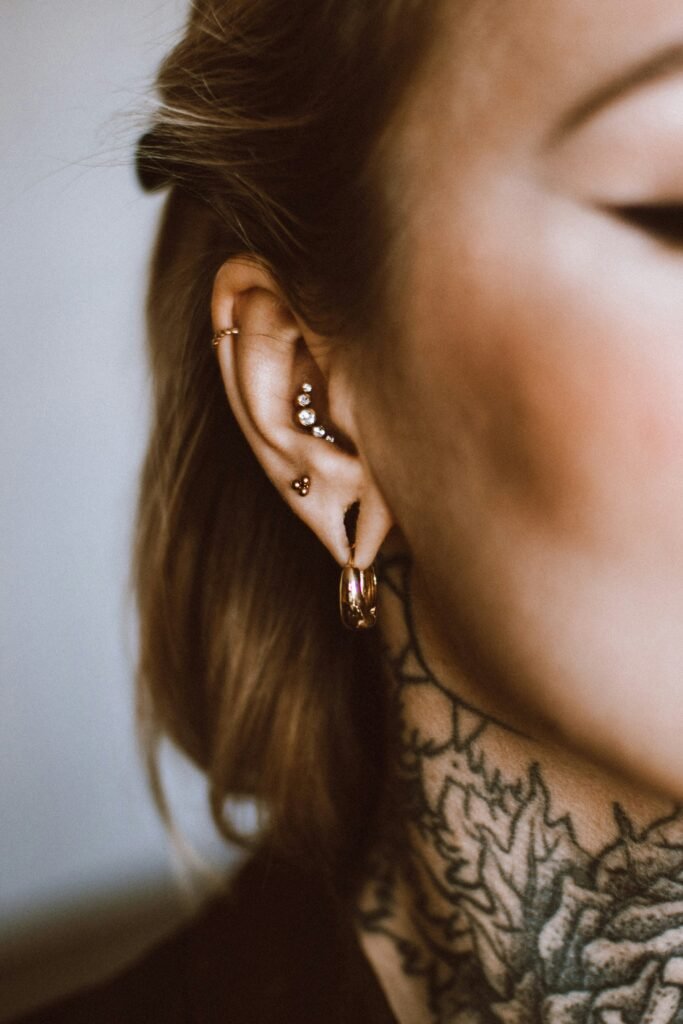
Ear piercing is one of the most common forms of body piercing and has been practiced in many cultures for centuries.
Some traditional practices associate different areas of the ear with different parts of the body. Claims have included benefits related to eyesight, hearing, digestion, pain, stress, and even brain development.
However, these claims have not been sufficiently established by modern clinical research.
There is no good evidence that piercing a child’s ears improves brain development, eyesight, hearing, or overall cognitive development.
Parents who choose to have their child’s ears pierced should therefore consider it a cultural, personal, or aesthetic decision rather than a medical treatment.
3. Lip Piercing
Lip and labret piercings have also been practiced for centuries in different cultures.
For some people, lip piercings are associated with cultural identity, beauty, personal expression, or tradition.
Some claims suggest that lip piercing may stimulate certain pressure points or increase sexual sensation. However, these effects are not established medical benefits.
Lip piercings can also create dental and oral health concerns, particularly if jewelry repeatedly rubs against the teeth or gums.
4. Nipple Piercing
Nipple piercings are popular among both men and women and are generally chosen for personal, aesthetic, or sexual reasons.
Some people report increased sensitivity or sexual stimulation after healing. However, individual experiences vary, and this should not be presented as a guaranteed health benefit.
Nipple piercings also require careful aftercare because infection and other complications can occur.
What About the Other Health Claims?
You may have heard that specific ear piercings can help with various health conditions.
These claims include:
- Improving reproductive health
- Reducing menstrual discomfort
- Improving digestion
- Improving brain development
- Increasing energy
- Improving eyesight
- Improving hearing
- Increasing sperm production
- Relieving tinnitus
- Reducing anxiety and nervousness
- Preventing obsessive-compulsive disorder (OCD)
- Controlling appetite
- Relieving insomnia
- Reducing allergies
These claims are often associated with Ayurvedic medicine, acupressure, auriculotherapy, or traditional healing practices.
However, there is an important distinction between saying that a particular point is traditionally believed to have a certain effect and saying that a piercing has been scientifically proven to produce that effect.
At present, there isn’t sufficient evidence to recommend body piercing as a treatment for these conditions.
For example, acupuncture has been studied for migraine and certain pain conditions, with some evidence of benefit. But that research involves acupuncture treatment—not simply leaving jewelry in a piercing.
Therefore, if you are interested in auriculotherapy or acupuncture for a particular health condition, it is better to discuss it with a qualified healthcare professional or trained practitioner rather than attempting to treat the condition through piercing.
Popular Ear Piercings and Their Traditionally Claimed Benefits
Different parts of the ear have been associated with various health claims in auriculotherapy and acupressure traditions.
1. Conch
Traditionally associated with relaxation and pain relief.
2. Earlobe
Different areas of the earlobe have been associated with various traditional acupressure points, including points believed to correspond to vision and other parts of the body.
3. Stretched Earlobes
Historically, stretched ears have been practiced for cultural, spiritual, and aesthetic reasons. They can also carry symbolic meanings in different communities.
4. Rook
Some piercing enthusiasts associate this area with stress relief, although this is not an established medical benefit.
5. Tragus
Some people claim that tragus stimulation can influence appetite. However, there is insufficient scientific evidence to recommend a tragus piercing for appetite control or weight management.
6. Helix
Different points along the outer ear have been associated with various traditional claims, including allergy relief and sleep support. Again, these claims should not be confused with proven medical treatments.
What Is the Right Age to Get an Ear Piercing?
There is no universal medically required age for ear piercing. Families may choose different ages depending on culture, personal preference, and the child’s ability to participate in aftercare.
If a child is getting a piercing, hygiene and proper aftercare are especially important.
Rather than choosing a piercing date based solely on traditional beliefs about specific days or months, focus on choosing a safe, reputable professional and an appropriate time when proper aftercare can be maintained.
What Are the Risks and Side Effects of Piercing?
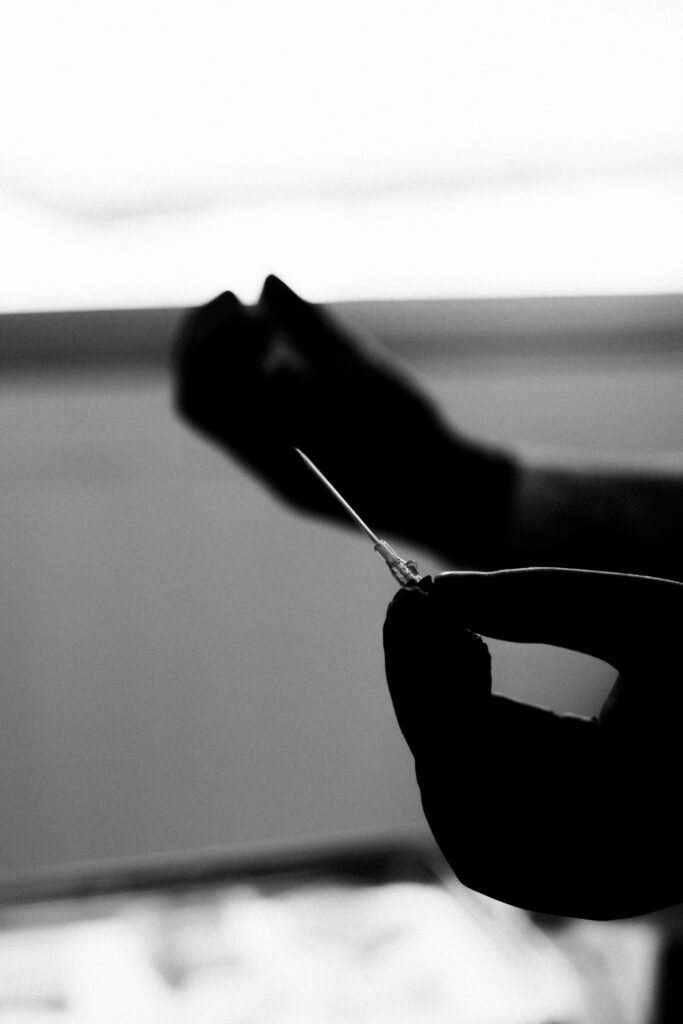
While piercings are common and most heal without serious problems, they are still intentional wounds to the skin and carry risks.
A new piercing can become infected if bacteria enter the wound. Cartilage piercings, particularly those in the upper ear, have a higher risk of infection because cartilage has less blood flow than the earlobe. In some cases, cartilage infections can become serious.
Possible complications include:
- Infection
- Pain, swelling, or redness
- Allergic reactions to jewelry metals
- Scarring
- Keloids
- Tearing or trauma
- Cartilage infection
- Delayed healing
Keloids are another consideration. People who are prone to keloid scars may develop raised scar tissue after relatively minor skin injuries, including piercings.
Certain medical conditions may also affect healing or increase the risk of infection. If you have diabetes, a weakened immune system, a bleeding disorder, or another condition that affects healing, it is a good idea to discuss piercing with your healthcare provider beforehand.
How Can You Make Piercing Safer?
If you decide to get a piercing, choosing a reputable professional and practicing proper aftercare can reduce your risk of complications.
Consider the following:
- Choose a professional piercer who follows appropriate hygiene and sterilization procedures.
- Make sure sterile, appropriate equipment is used.
- Wash your hands before touching a new piercing.
- Follow the aftercare instructions provided by your professional piercer.
- Avoid unnecessarily touching, twisting, or removing the jewelry while the piercing is healing.
- Avoid swimming or submerging a fresh piercing in pools, hot tubs, lakes, or other bodies of water until it has adequately healed.
- Choose jewelry made from materials that are less likely to cause an allergic reaction.
- Watch for increasing redness, swelling, pain, warmth, pus, or fever.
If you notice signs of infection—particularly with a cartilage piercing—seek medical advice promptly.
Piercing Is Not a Substitute for Medical Treatment
This is probably the most important point to remember.
Although traditional healing systems associate certain points of the ear with different organs and body functions, a piercing should not be used as a substitute for medical diagnosis or treatment.
For example, someone experiencing migraines may explore acupuncture because there is evidence that it may help some people. But getting a daith, tragus, or other ear piercing should not be considered an established treatment for migraine.
The same applies to anxiety, insomnia, allergies, digestive problems, reproductive problems, or other medical conditions.
If you have persistent or concerning symptoms, talk to a healthcare professional.
Conclusion
Piercings have a fascinating history. They have been used for centuries as forms of cultural identity, beauty, tradition, spirituality, and personal expression.
Some traditional healing practices also associate specific areas of the ear and body with particular health effects. However, traditional claims should not automatically be interpreted as scientifically proven medical benefits.
Acupuncture and related complementary therapies have been studied for conditions such as migraine and pain, but this evidence should not be used to claim that a permanent body piercing will provide the same effects.
If you decide to get a piercing, do it because you appreciate the style, tradition, personal meaning, or self-expression—not because you believe it will cure a medical condition.
Most importantly, choose a qualified and reputable professional, make hygiene a priority, and take proper care of your new piercing while it heals.
Sources
- National Center for Complementary and Integrative Health (NCCIH). Headaches and Complementary Health Approaches: What the Science Says.
- National Center for Complementary and Integrative Health (NCCIH). Acupuncture: Effectiveness and Safety.
- Cleveland Clinic. Infected Ear Piercing: Symptoms, Treatment & Prevention.
- Cleveland Clinic. Perichondritis: Symptoms, Causes & Treatment.
- Mayo Clinic. Keloid Scar: Symptoms and Causes.
Final Thoughts
Personally, I have three piercings on each of my ears, upper, middle, and lower lobe, and I adore them. They give me plenty of options when choosing which earrings to wear depending on the occasion and, of course, my mood.
I also have one piercing on my left helix. I chose that side because I think it looks better with my good side. And, as we all know, our faces aren’t perfectly symmetrical, so I have decided that my left side is my better side! 😊
That gives me a total of seven little earrings, which I dearly love. I make sure to take good care of my piercings and keep an eye out for any signs of irritation or infection. I also prefer wearing studs because they’re simple, comfortable, and easy to match with different outfits.
What about you?
How many piercings do you have, and what’s the story behind them? I’d love to hear about your favorite piercing and why you decided to get it.
“Beauty begins the moment you decide to be yourself.”
“I praise you because I am fearfully and wonderfully made.” — Psalm 139:14
Final Thoughts
Piercings can be a beautiful form of self-expression, but our health should always come first. Whether you choose a simple pair of earrings or several unique piercings, make sure your decision is based on good information, proper hygiene, and what makes you feel comfortable and confident.
Wear what makes you happy, take care of your body, and remember that your worth goes far beyond the jewelry you wear. ❤️
Dog Bites and Rabies: First Aid, Treatment, and Prevention
First Aid Guide: Nosebleeds
Vitamin Supplements: Which Ones Do You Really Need?
Originally Published: February 9, 2020
Updated: August 2026




I only have my ears pierced and I’ve never heard of anything like this but it is super cool! What a fun read
Indeed Rhea! We don’t know that it actually has health benefits too. Hope it helps.
Interesting! I didn’t realize there were health benefits to piercings!
Indeed Mom Elite! It truly has amazing health benefits too.
Does the piercing to reduce appetite really work?
Wow, I learned so much about piercing, especially the many place your can pierce. I got my cartilage pierced a long time but I rarely wear earrings.
Thank you for sharing your experience Aisasami!
I have my ears piecered but they are starting to close up since I haven’t wore earings since I was in high school. But recently I’ve been wanting to get a few piercings, all in my ears so thank you for this post! It was very informative.
You’re very much welcome Angelica! Good thing we now know is that piercings are not just for stylistic purposes but it also has its health benefits.
Big boobs, hard pence, sexy scenes… I can’t wait to see more!👍🏻
http://D.RUNHAI.ME/aw94702GF