
That uncomfortable burning sensation in your chest or upper abdomen, the sour taste in your mouth, bloating, and repeated burping are things many of us have experienced at some point.
But before reaching for a home remedy, it’s important to understand what we’re actually dealing with.
People often use terms such as “hyperacidity,” “acid reflux,” “heartburn,” and “gastritis” interchangeably, but they don’t mean exactly the same thing. Heartburn is a burning sensation caused by stomach contents flowing back into the esophagus, while gastroesophageal reflux disease (GERD) refers to frequent or troublesome reflux. Gastritis, on the other hand, involves inflammation or irritation of the stomach lining and can have several different causes.
Occasional heartburn is common, and lifestyle changes can help reduce symptoms. However, frequent or persistent symptoms may require medical evaluation rather than simply trying one home remedy after another.
So, if you’re looking for practical ways to reduce reflux and heartburn, here are some habits worth trying.
1. Identify and Avoid Your Trigger Foods
Not everyone has the same food triggers.
Some foods and drinks commonly associated with worsening reflux include:
- Fatty or fried foods
- Chocolate
- Coffee and other caffeinated drinks
- Alcohol
- Mint
- Tomato-based foods
- Citrus fruits and juices
- Spicy foods
However, you don’t necessarily need to eliminate every food on this list.
Instead, pay attention to which foods actually trigger your symptoms. Keeping a simple food and symptom diary can help you identify patterns.

2. Stay Hydrated
Drinking enough fluids is important for overall health.
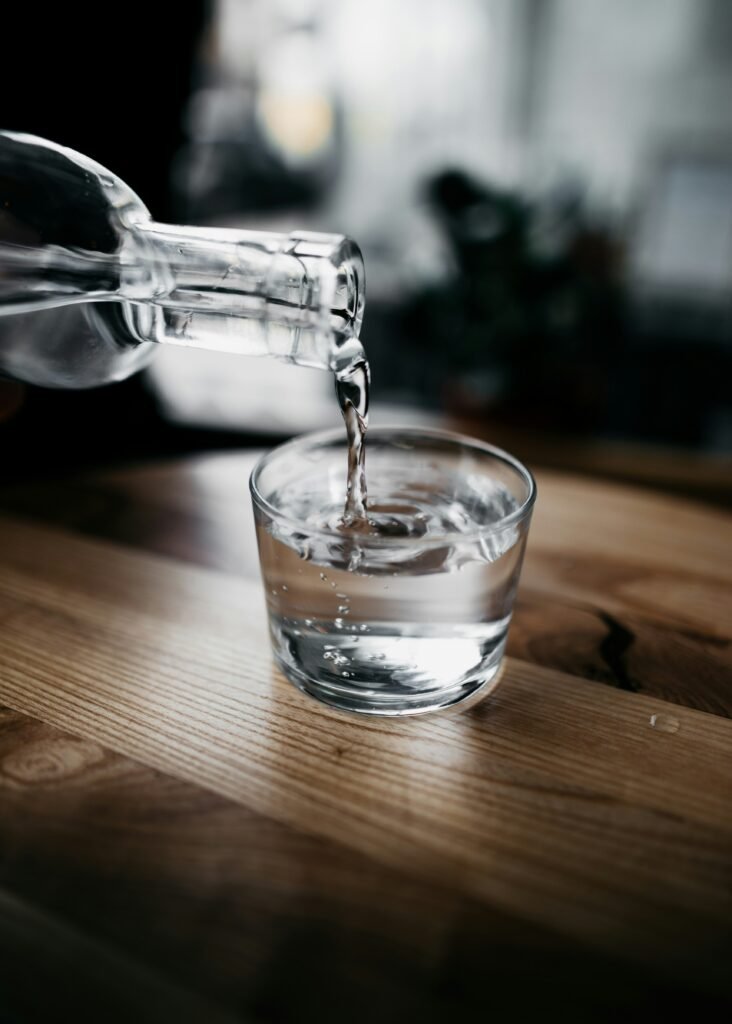
Water is generally the best everyday beverage, and replacing sugary drinks or large amounts of carbonated beverages with water may help if those drinks trigger your symptoms.
However, there is no need to drink excessive amounts of water in an attempt to “wash away” stomach acid. Your digestive system already regulates stomach acid naturally.
Simply stay adequately hydrated throughout the day.
3. Eat Smaller Meals and Eat Slowly
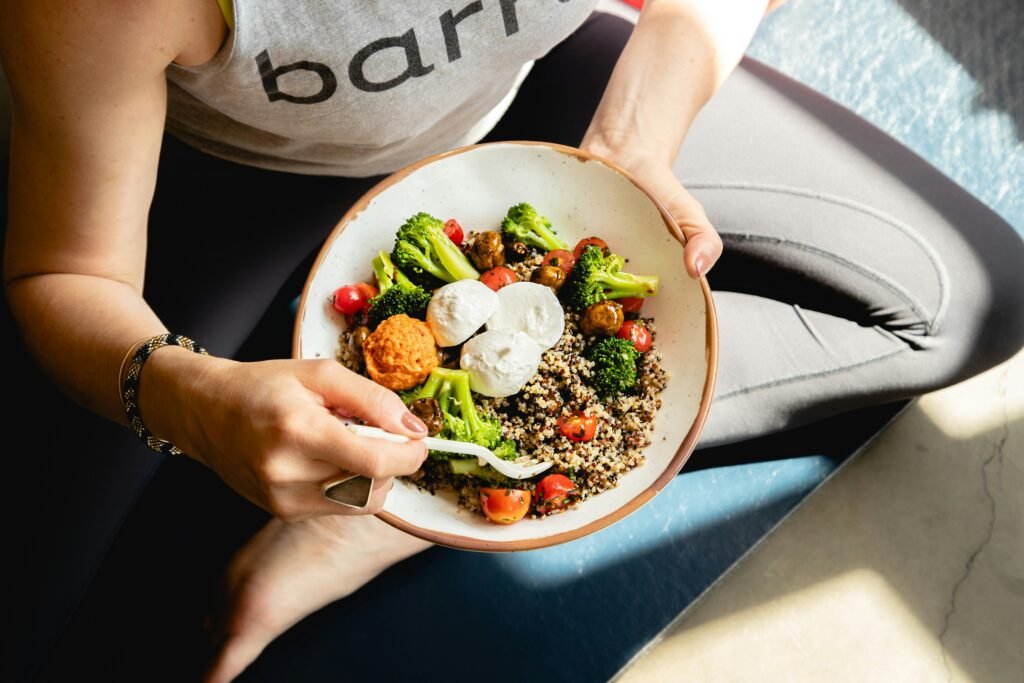
Large meals can make reflux more likely because they increase the pressure inside the stomach.
Instead of regularly eating very large meals, try eating smaller portions and taking your time while eating.
Chew thoroughly and avoid rushing through your food.
It’s also a good idea to finish eating at least three hours before lying down or going to bed, particularly if you experience nighttime reflux.
4. Review Your Medications With Your Doctor
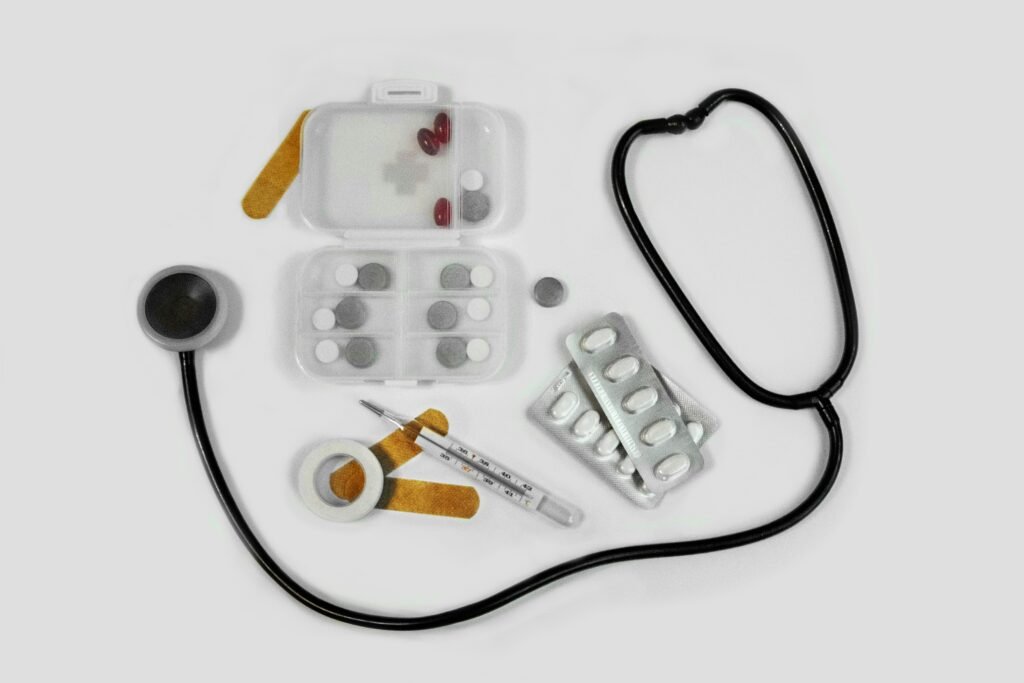
Some medications can worsen reflux or irritate the digestive tract.
Examples include:
- Certain NSAIDs such as ibuprofen
- Some calcium-channel blockers
- Certain sedatives
- Some medicines used for asthma
- Some antidepressants
- Certain other medications that affect the gastrointestinal tract
However, never stop a prescribed medication on your own.
If you suspect that one of your medications is contributing to your symptoms, talk with your doctor or pharmacist. They may be able to adjust the dose, change the medication, or recommend another strategy.
5. Try Chewing Gum
Chewing gum after a meal may help some people with reflux because it increases saliva production and swallowing.
Increased swallowing may help clear refluxed material from the esophagus.
If you want to try this, choose a gum that doesn’t contain an ingredient that personally triggers your symptoms.
And remember, peppermint or mint can worsen reflux in some people, so a non-mint option may be preferable if mint is one of your triggers.

6. Don’t Use Baking Soda as a Home Remedy
This is one part of the original article that I would strongly change.
Baking soda contains sodium bicarbonate, which can act as an antacid under medical direction. However, drinking homemade mixtures of baking soda isn’t a remedy I would recommend readers use on their own.
Too much sodium bicarbonate can cause serious problems, including electrolyte disturbances and other potentially dangerous complications. Poison Control specifically advises against using baking soda as a homemade antacid.
If you occasionally need an antacid, use an appropriate over-the-counter product according to its label and speak with a pharmacist or doctor if you need it frequently.
7. Quit Smoking and Limit Alcohol
Smoking can weaken the lower esophageal sphincter, making reflux more likely.
Alcohol can also worsen reflux in some people and can irritate the digestive tract.
Quitting smoking and reducing or avoiding alcohol can therefore be useful lifestyle changes for people who experience frequent reflux.
These changes can also benefit your overall health far beyond your digestive system.

8. Maintain a Healthy Weight
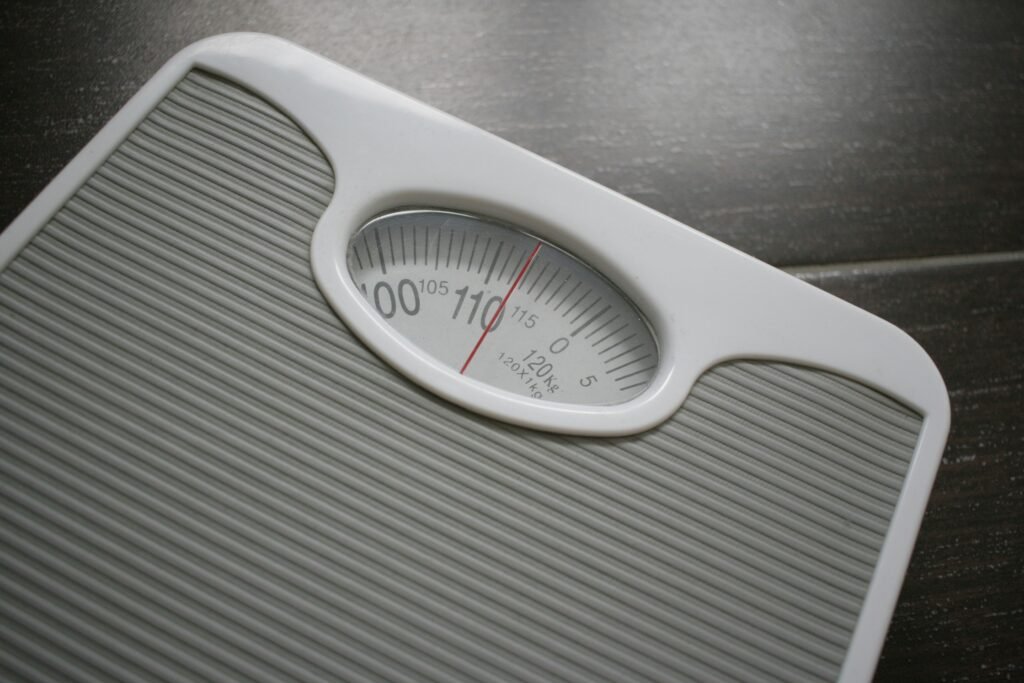
If you are carrying excess weight around your abdomen, losing some weight may help reduce reflux symptoms.
Extra abdominal pressure can push the stomach upward and make it easier for stomach contents to move back into the esophagus. Maintaining a healthy weight is therefore one of the lifestyle measures recommended for people with GERD.
You don’t need a crash diet.
Focus instead on gradual, sustainable changes in your eating habits and physical activity.
9. Limit Carbonated Drinks if They Trigger You
Carbonated beverages can make some people burp more, which may increase the likelihood of reflux symptoms.
If you notice that sparkling drinks make your symptoms worse, switch to still water or another non-carbonated beverage.
Again, your own symptoms are the best guide.

10. Don’t Rely on Sunlight as a Treatment for Acid Reflux
The original version of this article suggested that sunlight and vitamin D could help treat acid reflux.
I would remove that claim.
Getting adequate vitamin D is important for overall health, but there isn’t enough evidence to recommend sunlight as a treatment for acid reflux or GERD.
Instead, get your vitamin D through appropriate food, fortified foods, supplements when recommended, and safe sun exposure based on your individual needs.
For reflux symptoms, focus on the lifestyle measures that have stronger evidence.
11. Avoid Tight Clothing Around the Waist
This is one of the easiest changes you can make.
Tight belts, waistbands, and clothing can increase pressure around the abdomen and may make reflux symptoms worse.
Choose comfortable clothing that doesn’t put unnecessary pressure on your stomach, especially after meals.
12. Pay Attention to Your Position After Eating
Your position after meals can make a significant difference, particularly if you experience nighttime reflux.
Stay upright
Try not to lie down immediately after eating. Sitting or standing allows gravity to help keep stomach contents where they belong.
Wait at least three hours before going to bed if nighttime reflux is a problem.

Move gently
A leisurely walk after a meal can be fine, but avoid vigorous exercise, repeated bending, or activities that put pressure on your abdomen immediately after eating.
Elevate the head of your bed
If you regularly experience nighttime heartburn, raising the head of your bed by about 6–9 inches (15–23 cm) may help.
A wedge that elevates your upper body is another option.
Simply adding extra pillows under your head isn’t as effective because your upper body can still bend at the waist.
Try sleeping on your left side
Starting sleep on your left side may reduce the likelihood of reflux for some people.
13. Be Careful With “Natural” Home Remedies
The original version of this article included a long list of home remedies such as basil, mint, garlic, pineapple juice, aloe vera, cinnamon, buttermilk, cloves, cumin, ginger, cold milk, apple cider vinegar, coconut water, bananas, almonds, and fennel seeds.
I’d make this section much more cautious.
Although some of these foods may be perfectly healthy parts of a balanced diet, there isn’t strong evidence that they can reliably treat GERD or heartburn. Some may actually make symptoms worse in certain individuals.
For example:
- Mint can trigger reflux in some people.
- Citrus and pineapple are acidic and may worsen symptoms for some people.
- Garlic may trigger reflux in some individuals.
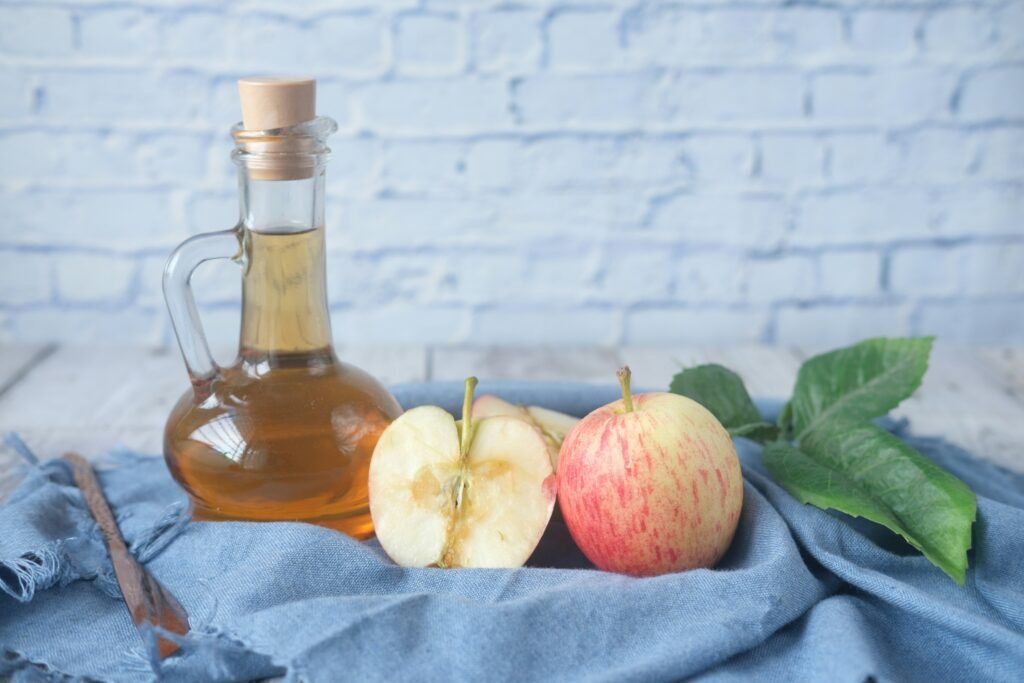
- Apple cider vinegar is acidic and isn’t a proven treatment for GERD.
- Milk may temporarily soothe some people but doesn’t treat the underlying cause.
- Ginger has been studied for digestive symptoms, but it isn’t proven to treat GERD or repair damage to the esophagus.
So rather than presenting these ingredients as guaranteed remedies, I’d recommend this approach:
Eat foods that you tolerate well, identify your personal triggers, and don’t rely on unproven home remedies when symptoms are persistent.
When Should You See a Doctor?
Occasional heartburn can often be managed with lifestyle changes or appropriate over-the-counter medications.
However, you should speak with a healthcare professional when symptoms become frequent, severe, or interfere with everyday life.
Medical evaluation is especially important if:
- Heartburn occurs more than twice a week.
- Symptoms continue despite over-the-counter treatment.
- You have difficulty swallowing.
- You have persistent nausea or vomiting.
- You lose weight unintentionally or have difficulty eating.
- You have significant or persistent abdominal pain.
And there is one especially important warning:
Don’t automatically assume chest pain is heartburn.
Severe or unexplained chest pain, particularly when accompanied by shortness of breath or pain spreading to the arm or jaw—can be a sign of a heart attack and requires emergency medical attention.
Final Thoughts
There is no single food or home remedy that can permanently “cure” acid reflux.
For many people, however, relatively simple lifestyle changes can make symptoms less frequent and more manageable.
Start by identifying your personal triggers. Eat smaller meals, slow down while eating, maintain a healthy weight, avoid lying down after meals, stop smoking, limit alcohol, wear comfortable clothing, and pay attention to what and when you eat.
And don’t be afraid to seek medical advice.
Taking care of your digestive health isn’t about finding a magical kitchen remedy. It’s about understanding your body and making healthy, sustainable choices.
“A healthy outside starts from the inside.”
— Robert Urich
“Dear friend, I pray that you may enjoy good health and that all may go well with you, even as your soul is getting along well.”
— 3 John 1:2
Final Thoughts
Our bodies have a remarkable way of telling us when something isn’t quite right.
That burning sensation may sometimes be a simple case of occasional heartburn, but persistent symptoms deserve attention rather than endless experimentation with home remedies.
Listen to your body, make thoughtful changes, and don’t hesitate to ask for professional help when you need it.
A healthier digestive system can help you enjoy the food you love, and life itself, a little more. ❤️
Sources:
- Mayo Clinic – GERD: Diagnosis and Treatment
- Mayo Clinic – Heartburn: Symptoms and Causes
- Mayo Clinic – Heartburn Home Remedies
- NIDDK – Gastritis and Gastropathy
- MedlinePlus / Poison Control – Sodium Bicarbonate
Important: This article has been updated from the original version because some of the older “natural remedies” were not well supported by evidence. Persistent or severe reflux symptoms should be evaluated by a healthcare professional rather than treated indefinitely with home remedies.
Simple Tips to Lower Blood Pressure Without Taking Medications
Simple Ways to Lower Blood Sugar
Simple Ways To Maintain Beautiful Lips All Year Round
Originally Published: February 24, 2020
Updated: August 2026




Great suggestions keeping hyperacidity down, nearly non-existent! I can vouch these work, several implemented in my diet too!. Preventing to ever have this again! How I did this was using most ingredients mentioned here in smoothies! Not only did my indigestion calm down, but including lots of green vegetables helps digestion quicker. Other advantages of eating healthy, but pounds drop off, lowers blood pressure, and gets cholesterol back in norms too!
You’re welcome! It is so nice to hear about your healthy ways aiming for optimal wellness. Thank you for sharing these, we hope you attain your goal of a health life. Good luck Denver!
A few years ago, my doctor recommended that I get my gallbladder removed. I actually followed some of the suggestions you mentioned here like limiting spicy and acidic foods and I haven’t had any issues since.
A few years ago, my doctor recommended that I get my gallbladder removed. I actually followed some of the recommendations here such as limiting spicy and acidic foods and I haven’t had any issues since.
Wow congratulations for your smooth recovery Kayla!, and thank you for sharing your experience. Hope you don’t get hyperacidity again using these tips. Good luck!
Love this! Water and exercise are key!
Indeed Chelsea! Hope this article helps.
When I was pregnant I had really bad acid reflux. I did drink some apple cider vinegar. It helped even though I never thought it would. Great tips
Thank you for sharing your experience Renee! It is indeed common with pregnant women to have acid reflux, so, it’s best to know different ways on how to manage and prevent it from occurring in the first place.
This is such a great post. I have a problem with acid reflux especially when I drink tea. This is a great list thank you for sharing.
You’re welcome Michele! Hope this helps in solving your issue. Good luck!
Love that you’re
Promoting a healthy lifestyle as a solution rather than medical treatments that are so often prescribed!
Thank you Chelsea! It’s because we believe that being healthy using natural means is the best way to optimal health and wellness.
I used to have acid reflux but it was because I had my diabetes uncontrolled. Then I started taking care of it and it was completely gone.
That’s right Jessica. It’s really a great step to manage the underlying cause first to prevent the occurrence of such condition.
I drink detox lemon because of have high acidity to my body. These tips would help a lot for prevent hyperacidity Thanks for this!
You’re welcome Maysz! Hope these tips help. Detox lemon is really good and have numerous health benefits too!
This is a great article. I really liked the section on home remedies and will definitely try one or two of those in the future.
Sure thing! Hope these home remedies help you in case you get hyperacidity in the future. But always remember Shelley that prevention is always better than cure!
Such valid points – everytime I wear a tight-waisted outfit, I get cramps within minutes. I don’t know how people do it!
Absolutely Vasundhra! Tight-fitting clothes also causes bloatedness for others, now we’re wondering how other people manage to wear such clothes.
I never heard of Hyperacidity before but it was a interesting read. Whenever I have stomach problems (like gas), I usually drink lots of water and avoid foods and it makes it better.
Indeed Aisasami, hyperacidity is actually those conditions we usually encounter often but are not commonly discussed. Hope this article helps!
Omg this is so interesting and informative! I had no idea chewing gum could make a difference
That’s right Janay! and you’re welcome, hope these tips help!
my friend swears by aloe vera! I think I may try it!
That’s a good idea Candice! We always need to try things for us to figure it out. However, there are times when we need to consult our doctor first especially when having certain conditions.