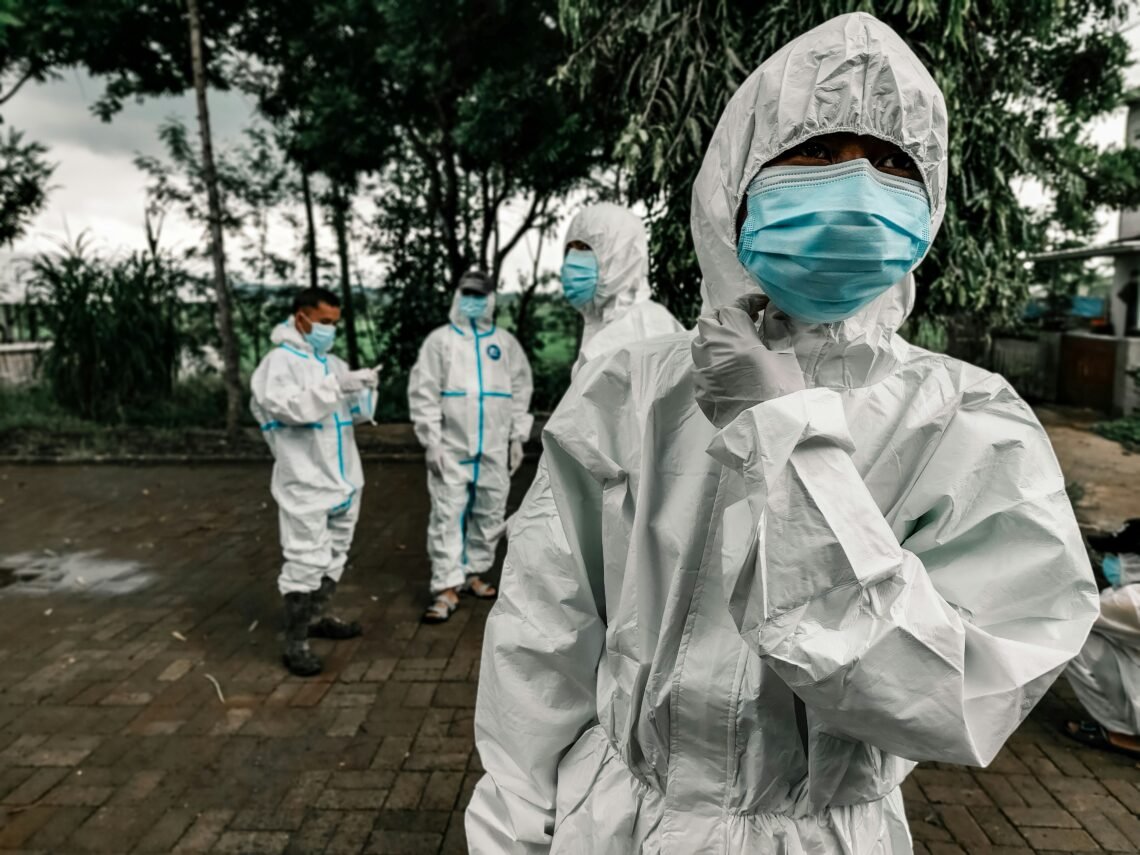
This post reflects health guidance and circumstances during the COVID-19 quarantine period. Public-health recommendations have changed since then, so readers should always follow the latest advice from their local health authorities.
When COVID-19 began spreading around the world, many of us suddenly found ourselves staying at home for days or even weeks at a time.
Gyms and fitness centers closed. Travel plans were cancelled. Work moved into our homes. Social gatherings were limited, and our usual routines were disrupted.
For many people, staying home sounded easy at first. But after several days, it became clear that quarantine could also affect our physical activity, eating habits, sleep, stress levels, and mental health.
Being at home for long periods can encourage us to sit more, move less, snack more frequently, and spend too much time watching the news or scrolling through social media.
That is why maintaining a healthy routine becomes especially important during periods of quarantine or self-isolation.
The good news is that staying healthy doesn’t require an expensive gym membership or complicated equipment.
Sometimes, a few simple habits can make a big difference.
Here are 17 things we can do to stay healthy, physically active, mentally refreshed, and connected during a quarantine period.
1. Keep Yourself Hydrated
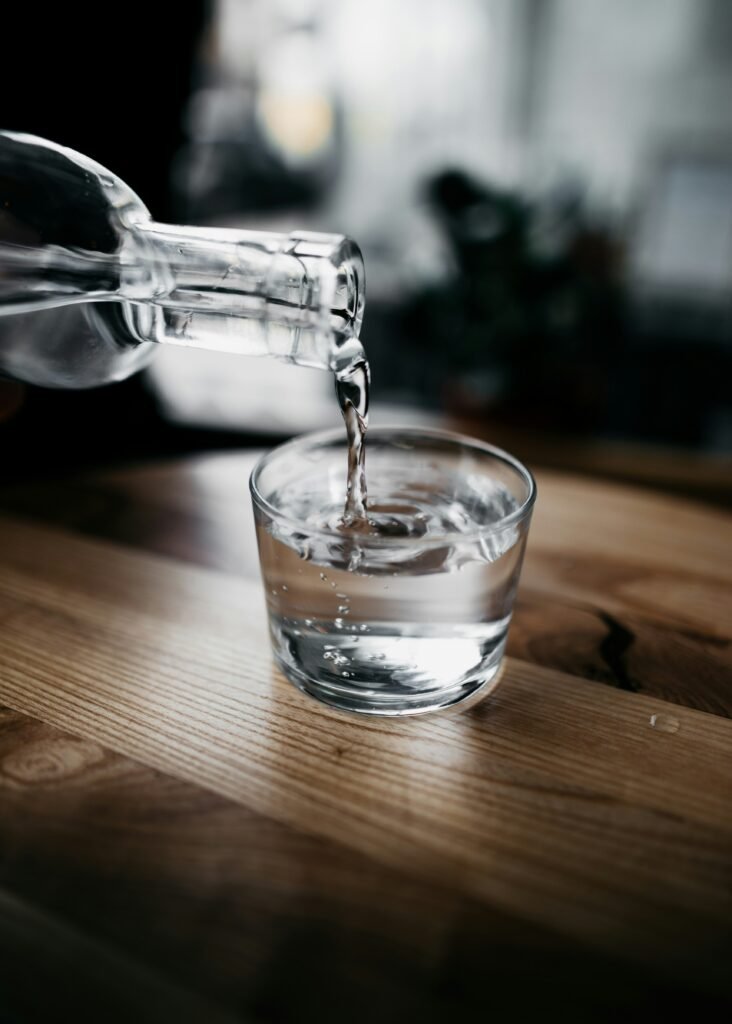
Staying hydrated is essential for maintaining good health.
How much water you need depends on several factors, including your age, body size, activity level, climate, and overall health. You may need more fluids when the weather is hot or when you’re physically active.
Water is usually the simplest and most affordable choice.
You can also enjoy unsweetened tea or coffee in moderation. If plain water feels boring, try adding slices of:
- Lemon
- Cucumber
- Mint
- Strawberries
- Other fresh fruits
A refreshing drink can make staying hydrated a little more enjoyable.
Most importantly, listen to your body and drink regularly throughout the day.
2. Eat a Balanced and Healthy Diet
During quarantine, it can be tempting to stock up on processed foods, sweets, chips, and instant meals.
But remember: there is no single food or supplement that can prevent or cure COVID-19.
A healthy diet, however, can provide the nutrients your body needs to support normal immune function and overall health.
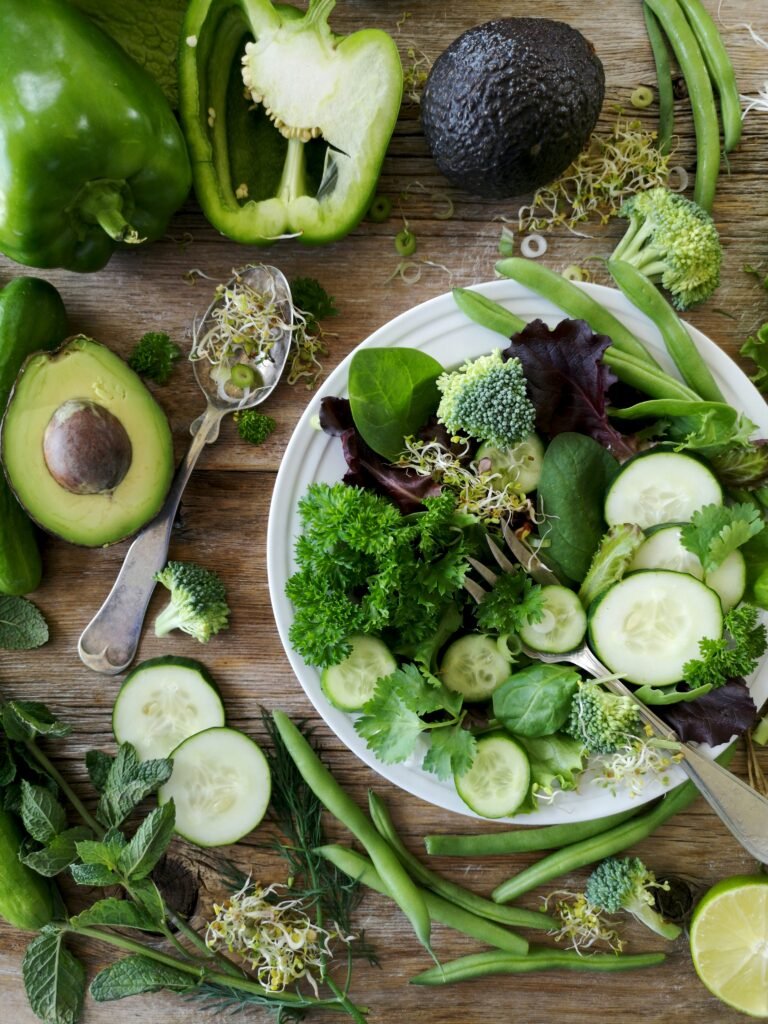
Try to include a variety of:
- Fruits
- Vegetables
- Whole grains
- Beans and other legumes
- Lean proteins
- Fish and seafood
- Healthy fats
Because quarantine often means less physical activity, it’s also a good idea to pay attention to portion sizes and your overall energy intake.
You don’t have to follow a perfect diet.
Just aim for a balanced one.
3. Practice Mindful Eating
Stress, boredom, fear, and loneliness can sometimes cause us to eat even when we’re not physically hungry.
This is where mindful eating can help.
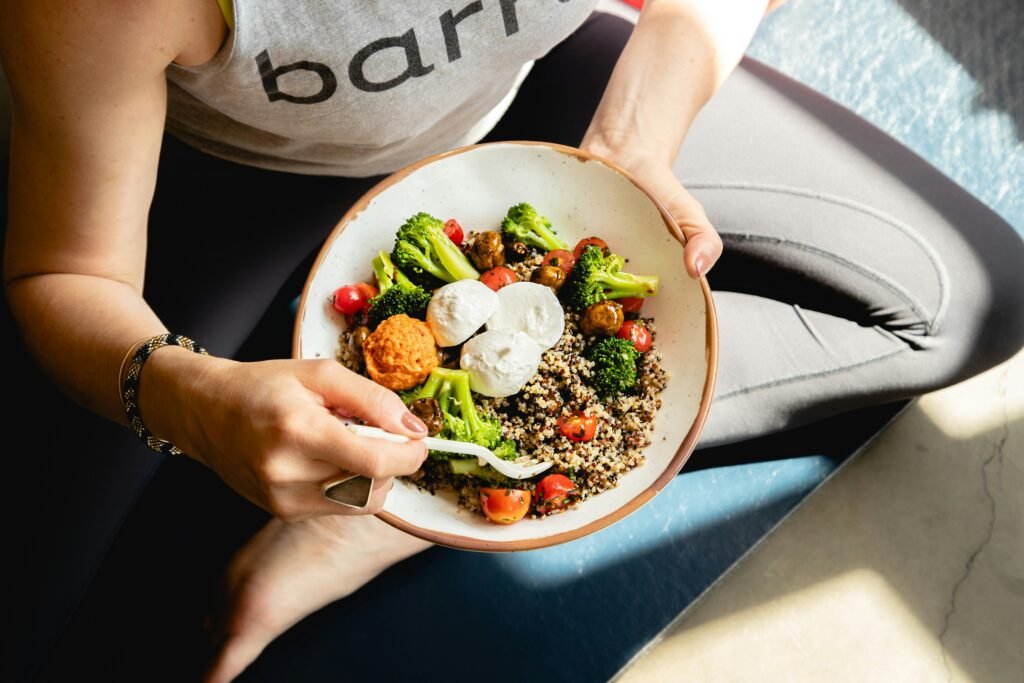
Instead of eating automatically while watching television or scrolling through your phone, try to slow down and pay attention to your food.
Here are a few simple habits:
- Eat at regular times whenever possible.
- Remove distractions while eating.
- Take smaller bites.
- Chew your food thoroughly.
- Pay attention to the food’s smell, taste, and texture.
- Stop eating when you feel comfortably full.
- Serve food on a plate instead of eating directly from the package.
And remember:
You don’t have to finish everything on your plate.
If you’re full, save the leftovers for later.
4. Have a Nutritious Breakfast
Breakfast doesn’t have to be complicated.
A nutritious breakfast can include combinations such as:
- Oatmeal and fruit
- Eggs and whole-grain toast
- Yogurt and berries
- Whole-grain cereal and milk
- Fresh fruit with nuts or seeds
The goal isn’t to create a huge meal.
It’s simply to start your day with something nutritious that fits your routine and energy needs.
And if you aren’t hungry early in the morning, you don’t necessarily need to force yourself to eat. What matters most is your overall dietary pattern.
5. Practice Proper Food Hygiene
Good food hygiene is always important, not just during a pandemic.
To reduce your risk of foodborne illness:
- Wash your hands with soap and water before preparing food and before eating.
- Wash produce under running water before eating or preparing it.
- Keep raw meat, poultry, seafood, and eggs separate from ready-to-eat foods.
- Use separate cutting boards or utensils for raw and cooked foods when appropriate.
- Cook foods to safe internal temperatures.
- Refrigerate perishable food promptly.
- Clean and disinfect food-preparation surfaces regularly.
Also remember to cover your mouth and nose when coughing or sneezing and wash your hands afterward.
Good hygiene protects you not only from COVID-19 but from many other infections as well.
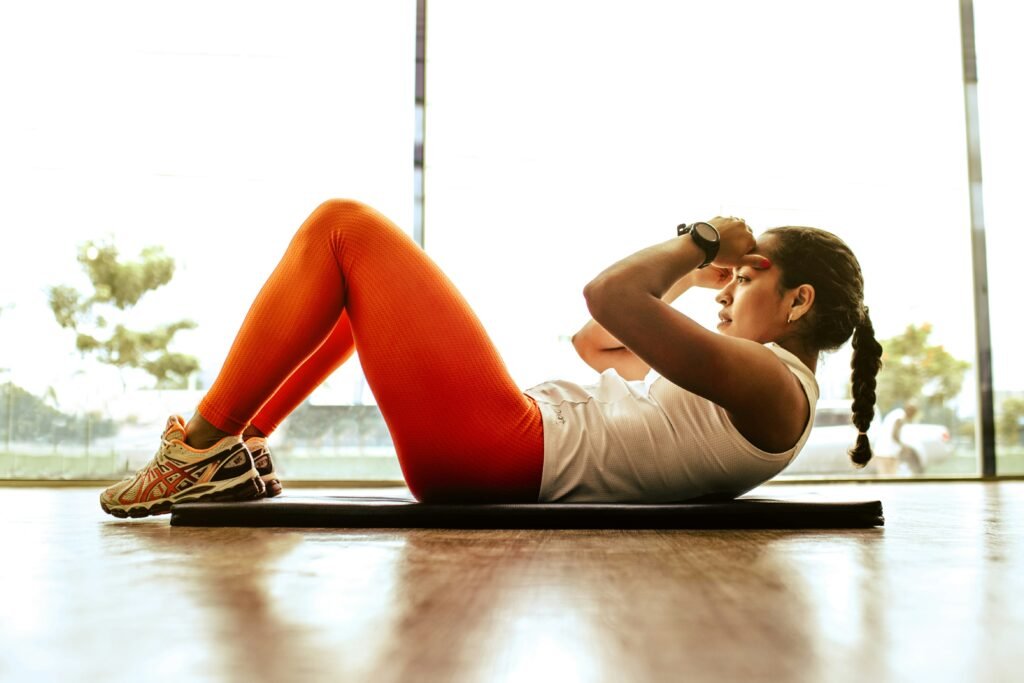
6. Stay Physically Active
One of the biggest challenges of quarantine is simply moving less.
We may spend hours sitting at a desk, watching television, using our phones, or working from home.
The solution?
Get moving whenever you can.
The American Heart Association recommends adults get at least 150 minutes of moderate-intensity aerobic activity per week, or 75 minutes of vigorous activity, along with muscle-strengthening activities on at least two days per week. (heart.org)
You don’t need a gym to be active.
Try:
- Walking around your neighborhood when permitted
- Dancing
- Body-weight exercises
- Stretching
- Online exercise classes
- Cleaning the house
- Playing actively with your children
- Taking regular standing breaks
Even small amounts of movement are better than sitting continuously.
7. Try Yoga
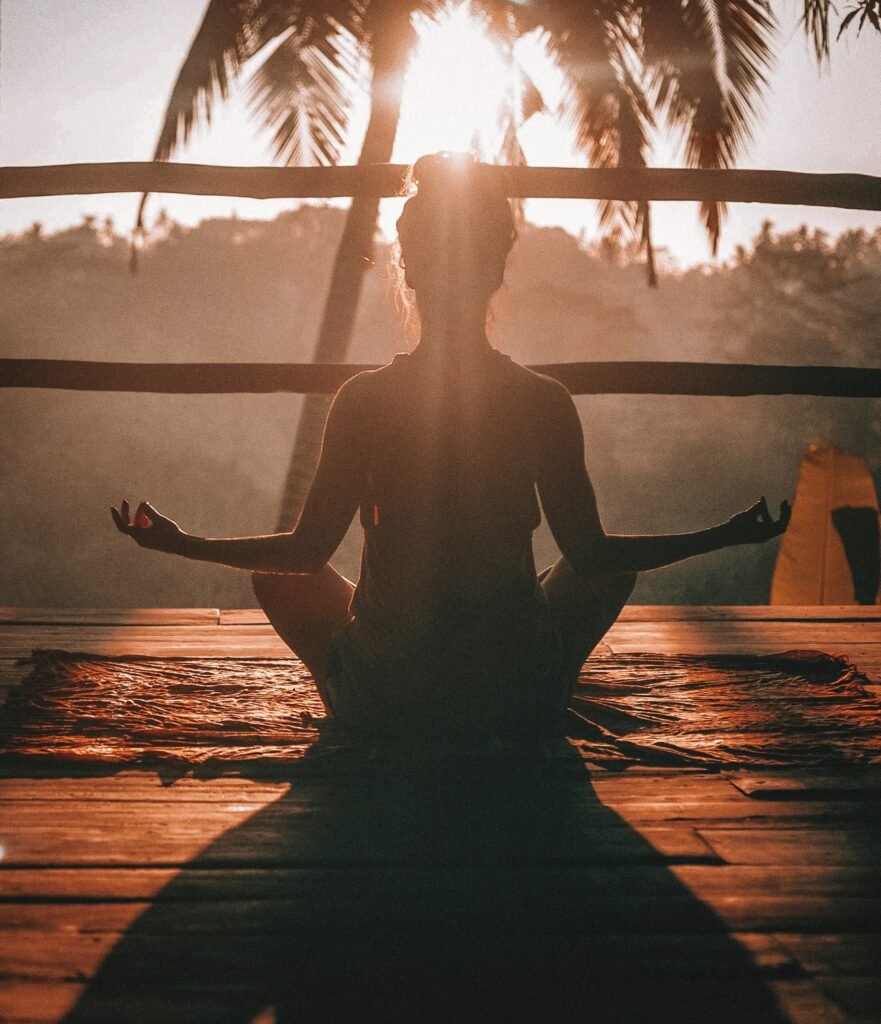
Yoga can be a wonderful quarantine activity because you can do it in a very small space.
It combines movement, stretching, balance, breathing, and relaxation.
Yoga may also help reduce stress and improve your overall sense of well-being. (mayoclinic.org)
You don’t have to be flexible.
You don’t have to be experienced.
And you don’t have to perform complicated poses.
Start with beginner exercises and listen to your body.
8. Take Short Breaks From Work
Working from home can easily turn into sitting for hours without moving.
That’s why taking regular breaks is important.
Every so often:
- Stand up.
- Stretch.
- Walk around the house.
- Look away from your computer.
- Drink some water.
- Take a few deep breaths.
Even a five-minute break can give your body and mind a chance to reset.
Try planning your breaks instead of waiting until you feel completely exhausted.
9. Go for a Walk When It’s Safe to Do So
If local health restrictions allow you to go outside, take advantage of it.
Walking is one of the easiest forms of physical activity because you don’t need special equipment.
A walk can also give you a mental break from being inside.
You can:
- Walk around your neighborhood
- Visit a quiet park
- Explore a nearby trail
- Walk with your family
- Take a short walk during your lunch break
Research has also associated walking with improved mood and creativity. (apa.org)
Of course, during an infectious-disease outbreak, always follow current local guidance concerning outdoor activities, distancing, and isolation requirements.
10. Color, Draw, or Do Something Creative
Quarantine can be a great opportunity to rediscover hobbies you haven’t had time for.
You could:
- Draw
- Paint
- Color
- Crochet
- Knit
- Write
- Take photographs
- Make crafts
- Learn a musical instrument
Creative activities can give your mind a break from constant worry.
Even something as simple as coloring a page can provide a few quiet minutes away from screens and stressful news.
You don’t have to create a masterpiece.
Just enjoy the process.
11. Get Enough Quality Sleep
Sleep is essential for physical and mental health.
A regular sleep schedule can help support your mood, concentration, metabolism, and immune function.
Most adults need at least seven hours of sleep per night, although individual needs vary.
Try to:
- Go to bed and wake up at similar times each day.
- Avoid excessive caffeine close to bedtime.
- Limit alcohol.
- Create a relaxing bedtime routine.
- Keep your bedroom comfortable and dark.
- Reduce unnecessary screen time before bed.
And although a short nap can be refreshing, very long or late naps may make it harder to sleep at night.
If you consistently have trouble sleeping, talk with a healthcare professional.
12. Create a Proper Workstation
If you’re working or studying from home, try to create a designated workstation.
You don’t need an expensive home office.
A comfortable table and properly positioned chair can already make a difference.
Try to:
- Keep your screen at a comfortable height.
- Support your lower back.
- Keep your feet comfortably supported.
- Avoid working from bed whenever possible.
- Change positions regularly.
- Stand and stretch throughout the day.
Working from the couch may feel comfortable for an hour.
Doing it for eight hours every day?
Your back may disagree! 😅
13. Stay Connected With Family and Friends
Social distancing doesn’t mean emotional isolation.
When meeting in person isn’t possible, use technology to stay connected.
Call, text, email, or video-chat with:
- Family members
- Friends
- Coworkers
- Classmates
- People you haven’t spoken to in a while
Even a short conversation can make a difficult day feel lighter.
Social support is important during stressful periods and can help people cope more effectively. (ncbi.nlm.nih.gov)
Sometimes, all you need is someone to say:
“How are you doing?”
14. Listen to Music
Music can change the atmosphere of a room almost instantly.
Feeling stressed?
Play something calming.
Feeling tired?
Try something energetic.
Feeling nostalgic?
Play your favorite song from years ago.
Research has investigated the effects of music on stress, anxiety, mood, and pain, with some studies suggesting that music can be helpful as part of a broader approach to coping and relaxation. (npr.org)
And if you love singing, go ahead!
You don’t have to be a professional singer.
Sometimes, singing loudly in your living room is exactly what you need. 😂
15. Read a Book
Remember that book you bought months ago but never had time to open?
Now might be a good time.
Reading can give you a break from constantly checking your phone or watching pandemic updates.
You could:
- Read novels
- Learn something new
- Read inspirational books
- Study a new language
- Read devotional material
- Revisit an old favorite
And please don’t worry if you don’t finish five books during quarantine.
Even a few pages a day count.
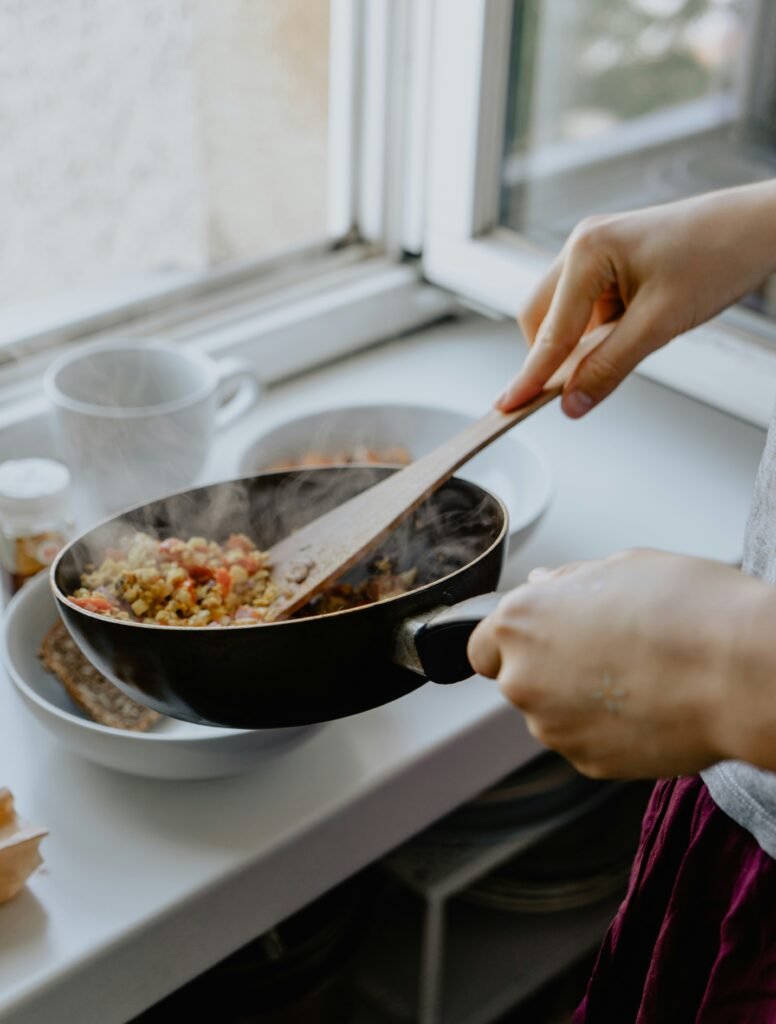
16. Cook Something You Love
If you’re staying at home, why not try cooking?
You can recreate your favorite restaurant meal, learn a new recipe, bake something, or simply experiment with ingredients you already have.
Cooking can also encourage you to become more aware of what you’re eating.
Try preparing meals with:
- Vegetables
- Fruits
- Whole grains
- Beans
- Lean protein
- Fish and seafood
And don’t be afraid to have fun with it.
Sometimes, a homemade meal can be both nutritious and comforting.
17. Get Your Information From Trusted Sources
During the COVID-19 pandemic, misinformation spread almost as quickly as the virus itself.
Social media was filled with rumors, miracle cures, conspiracy theories, misleading statistics, and frightening headlines.
This is why it’s extremely important to get health information from reliable sources.
Consider checking:
- World Health Organization
- Your country’s health ministry
- Local public-health authorities
- Reputable hospitals and medical institutions
- Established medical organizations
Avoid relying on anonymous social-media posts or forwarded messages as your primary source of medical information.
And although staying informed is important, constantly consuming negative news can increase anxiety.
You don’t have to monitor the news every minute of the day.
Stay informed, but give your mind a break, too.
A Simple Quarantine Routine
If you don’t know where to start, keep things simple.
A day at home could look something like this:
Morning:
Wake up at a regular time, drink water, eat breakfast, and move your body.
Midday:
Work or study, take regular breaks, eat a balanced lunch, and walk around for a few minutes.
Afternoon:
Continue your responsibilities, exercise, stretch, or do something creative.
Evening:
Have dinner, talk with family, read, listen to music, and limit stressful news.
Before bed:
Put your phone away, relax, and prepare yourself for a good night’s sleep.
You don’t need a perfect schedule.
You simply need a routine that keeps your body moving and your mind occupied in healthy ways.
One More Important Reminder
This article was originally written during the COVID-19 quarantine period, when many countries were recommending self-isolation and restrictions on movement.
Health guidance has changed considerably since then.
The ideas here… hydration, balanced nutrition, physical activity, sleep, social connection, food hygiene, and limiting excessive stress… remain useful general wellness habits.
However, infectious-disease guidance should always be based on current recommendations from your local health authorities and healthcare professionals.
A Word From the Author
Quarantine taught many of us something we never expected to learn:
Our normal lives are actually precious.
We complained about traffic.
We complained about work.
We complained about being busy.
We complained about not having enough time.
Then suddenly, everything stopped.
And we realized how much we missed the things we once considered ordinary.
Going outside.
Meeting friends.
Eating at a restaurant.
Going to work.
Shopping without restrictions.
Hugging our loved ones.
Even a simple walk could suddenly feel like a privilege.
That’s why I believe that taking care of ourselves during difficult periods is so important.
We can’t always control what happens around us.
But we can control some of the things we do each day.
We can drink water.
We can eat nourishing food.
We can move our bodies.
We can sleep.
We can read.
We can pray.
We can call someone we love.
We can take a break.
And we can remind ourselves that difficult seasons eventually change.
“You cannot always control what goes on outside. But you can always control what goes on inside.”
“Do not be anxious about anything, but in every situation, by prayer and petition, with thanksgiving, present your requests to God.”
— Philippians 4:6
The quarantine period reminded me that health isn’t only about avoiding illness.
It is also about caring for the whole person.
Our bodies need movement.
Our minds need rest.
Our hearts need connection.
And our souls need hope.
When the world outside feels uncertain, the small things we do inside our homes can become incredibly meaningful.
A glass of water.
A healthy meal.
A short workout.
A good night’s sleep.
A phone call with family.
A favorite song.
A quiet moment with a book.
A prayer before bed.
None of these things may seem extraordinary.
But together, they help us get through extraordinary circumstances.
And perhaps that’s the biggest lesson quarantine gave us:
We don’t need to do everything perfectly. We simply need to keep taking care of ourselves, one small healthy choice at a time.
So wherever you are, and whatever difficult season you’re currently facing, be kind to yourself.
Move when you can.
Rest when you need to.
Eat well.
Stay connected.
Protect your peace.
And don’t forget to look forward to better days.
Because even the longest storm eventually gives way to clearer skies. ❤️
Sources
- https://www.heart.org/en/healthy-living/fitness/fitness-basics/aha-recs-for-physical-activity-in-adults
- https://www.mayoclinic.org/healthy-lifestyle/stress-management/in-depth/yoga/art-20044733
- https://www.apa.org/pubs/journals/releases/xlm-a0036577.pdf
- https://www.ncbi.nlm.nih.gov/pmc/articles/PMC2921311
- https://www.mayoclinic.org/diseases-conditions/insomnia/expert-answers/lack-of-sleep/faq-20057757
- https://www.mayoclinic.org/healthy-lifestyle/adult-health/in-depth/napping/art-20048319
- https://www.who.int/news-room/q-a-detail/q-a-coronaviruses
- https://www.ecdc.europa.eu/en/novel-coronavirus-china/questions-answers
- https://www.who.int/docs/default-source/coronaviruse/mental-health-considerations.pdf
- https://www.bda.uk.com/resource/covid-19-corona-virus-advice-for-the-general-public.html
- https://www.who.int/emergencies/diseases/novel-coronavirus-2019/advice-for-public/myth-busters
- https://www.sleepfoundation.org/sleep-hygiene
- Visiting Puijo Tower in Kuopio, Finland: Our Family Experience
- Exploring Helsinki, Finland: 11 Places We Visited
- From Finland to Stockholm, Sweden: Our First Family Ferry Cruise
- From Finland to Nordkapp, Norway: Our Road Trip to the North Cape
- From Finland to Alicante, Spain: Beaches, Food and Places We Love
Originally Published: April 19, 2020
Updated: August 2026


Excellent tips not only for this virus, but any illness prevention. Thank you for sharing! 🙏❤️
That is absolutely right Melissa! Hope these tips help! Stay safe, and you’re welcome!
Thank you for these great tips! I have actually really started to enjoy coloring as a way to reduce my stress levels. I need to incorporate some of these other tips to my daily list – it seems I have forgotten how to get healthy meals into my body since we’ve been under quarantine. Take care!
Thank you for sharing your experience Cynthia! Coloring is indeed such a great activity during this period. Hope these other tips help!
Your blog looks good and this was well written! – Janessa, http://www.czyphr.com
Thank you Nessa! Hope this helps!
These are great tips! So much needed right now. Thank you.
You’re welcome Lina! Hope these tips help!
Great tips in the face of everything right now! I have been getting much more sleep this last week or so, but I know that I need to get better at taking breaks. It’s a HUGE downfall of mine lol I get so caught up in my work that I lose all track of time lol
Thank you Britt! Hope these can help. It is indeed quite difficult to notice the time when working at home, so I suggest to set an alarm to remind you when to take breaks. Good luck. Hoping you attain your goal of health and wellness!
Very interesting and informative. Take short breaks is one I fail to do when working from home.
Thank you, hope these tips help! I agree that it’s difficult to take a break when working at home, especially when working on serious matters. I suggest maybe you can try to set an alarm to remind you when to take a walk or stand, go around your house, or any activity which can help keep your blood circulation working. Good luck!
Such a great roundup of things we should all do to stay healthy.
Thank you Antonia! Hope these help!
Great suggestions. Although times are tough right now, it’s also a great chance for everyone to find some new areas of interests and things to do.
That’s right P D! Due to the current situation we are experiencing, we’ve got a lot of time to do things especially those we’ve never done before.
I find listening to music can be such a mood booster. I love having it playing in the background.
Sure Sarah! It is quite relaxing mentally and emotionally. All in all, listening to music is very good to our overall health.
my balanced healthy diet has gone straight out the window lol!
This is indeed a difficult time Taylor. Now, that we are just sitting back home while most of the shops and fitness centers are closed. But don’t worry, there are lots of ways to get back to your normal healthy lifestyle! Good luck and hope these tips help!
These are all great tips. I have actually been more active since we have been on quarantine.
That’s great for you Mom Elite! Good luck to your goal of health and wellness. Keep it up!
Thanks for sharing the great tips to do in this tough and bore time
Thanks for sharing these great tips. We should remain active in this tough and bore time.
You’re right Sarah! Sometimes all we need is just a short jog outside or just shake our body and do some exercises inside our house. Hope these tips help.
Hi Dianne, I hope you’re well. When we’re home,some tend to just relax and lay around. We must remember that we are fighting against an invisible enemy and the best way to defend ourselves is to be healthy. Even as simple as preparing healthy breakfast and being active! These are wonderful suggestions!
Absolutely right Polly! It is indeed important to at least shake our body a bit and prepare a delicious yet healthy meal. You’re welcome, hope these tips help! And praying this problem we are currently facing will now go away and hope everything goes back to normal.
It’s really hard time and it’s important to be healthy!
Absolutely Aanya! It is always important to be healthy, inside and out.
Yesss I love this reflection blog post! Thanks for sharing
You’re welcome Cheeia! Happy to share valuable information, hope this helps. Stay safe.
Perfect. I’m hapoy to share that I have been following the tips in your article ever since the lockdown was implemented in our subdivision.
Thank you Neil! Happy to hear that, thank you very much for sharing too and keep it up! Hope you would always be healthy and away from the disease.
A bonus in my eyes from being home with my stepdaughter is that she has to do P.E. for school and that has become our time for her to rollerblade and I ride my bike around the lake by our house. We just chat and enjoy the wind in our hair. She is kind of my accountability buddy to work out because normally I would just stay inside all day.
That is so great to hear! Thank you very much for sharing your experience Michele. You found yourself a workout buddy. It’s really great and healthy to stay physically and mentally active even during times like this. You must have enjoyed your time with your stepdaughter. Wishing you both a very good health in spite of the problem going on right now, and keep it up!
Thank you for this post! We really need this guide at a time like this, especially, we don’t have a specific meds for the pandemic yet.
I would definitely agree on that GV! This quarantine period is such a huge challenge for us and it’s important to still make the most out of it and do something we can enjoy while being healthy.
For me I love painting, journaling and writing blogs
Sounds great Trish! I agree, this is a good time for us to blog too, bec we have a lot of time to reflect and write all our ideas down.
Thanks for this list. These quarantine days are taking toll on our mental health too, doing painting and writing is quite helpful for me.
You’re welcome Shristi! Nowadays is really a difficult time for us. Doing something relaxing and healthy will be very beneficial for our overall health.
great list with awesome ideas shared, stay safe!
Thank you Sienny! Hope this helps. Stay safe, too!
These things must be kept in mind. Really helpful!
Thank you Elizabeth! Good luck to your road to health and wellness.