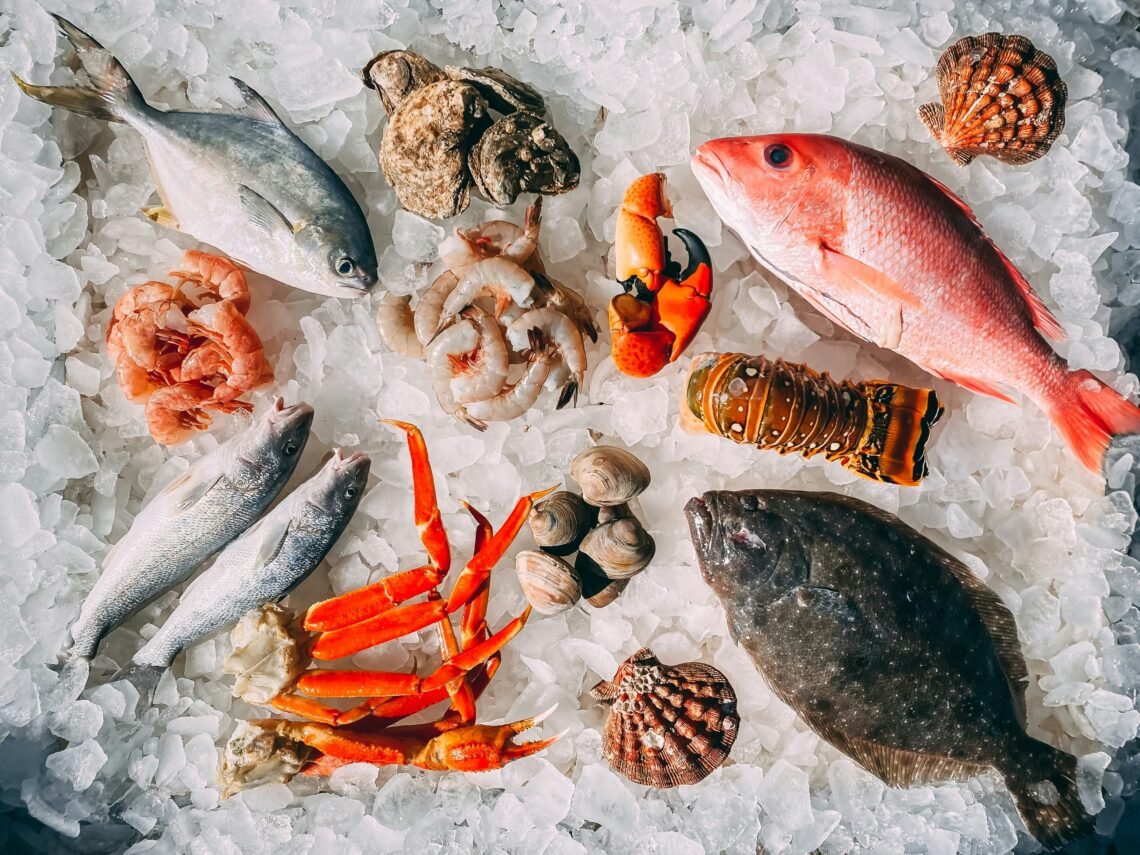
Seafood has always been one of those foods that can be both delicious and incredibly nutritious. From salmon and sardines to shrimp, oysters, tuna, and other shellfish, seafood provides a wide range of nutrients in a relatively small package.
Fish and shellfish are excellent sources of protein, omega-3 fatty acids, vitamin D, vitamin B12, selenium, iodine, zinc, and other nutrients. Current U.S. dietary guidance recommends that adults include at least 8 ounces of seafood per week as part of a healthy eating pattern, while people who are pregnant or breastfeeding are advised to eat 8–12 ounces per week of a variety of lower-mercury seafood.
But eating seafood isn’t simply about getting more nutrients.
Research has linked regular fish consumption with a variety of potential health benefits, particularly when seafood replaces less healthy protein sources and is prepared in a nutritious way.
Of course, not all seafood is the same. The type of fish, preparation method, portion size, and mercury content all matter.
So, without further ado, here are 18 potential health benefits of eating seafood regularly.
1. Great Source of Protein and Other Nutrients
Seafood is naturally nutrient-dense, meaning it can provide plenty of important nutrients without necessarily contributing a large number of calories.
Fish and shellfish provide high-quality protein, which is essential for building and repairing tissues. Depending on the type, seafood can also provide:
- Omega-3 fatty acids
- Vitamin D
- Vitamin B12
- Selenium
- Zinc
- Iodine
- Choline
- Phosphorus
- Iron
- Vitamin A
Fish is also one of the better natural food sources of vitamin D, an important nutrient involved in calcium absorption, bone health, immune function, and other processes.
Adding a variety of seafood to your diet can therefore be an easy way to increase your intake of several essential nutrients at once.

2. Supports Healthy Weight Management
Depending on the type and how it is prepared, seafood can be a relatively lean source of protein.
Protein tends to be filling, which can help you feel satisfied after meals and may make it easier to manage overall food intake.
However, the preparation method matters.
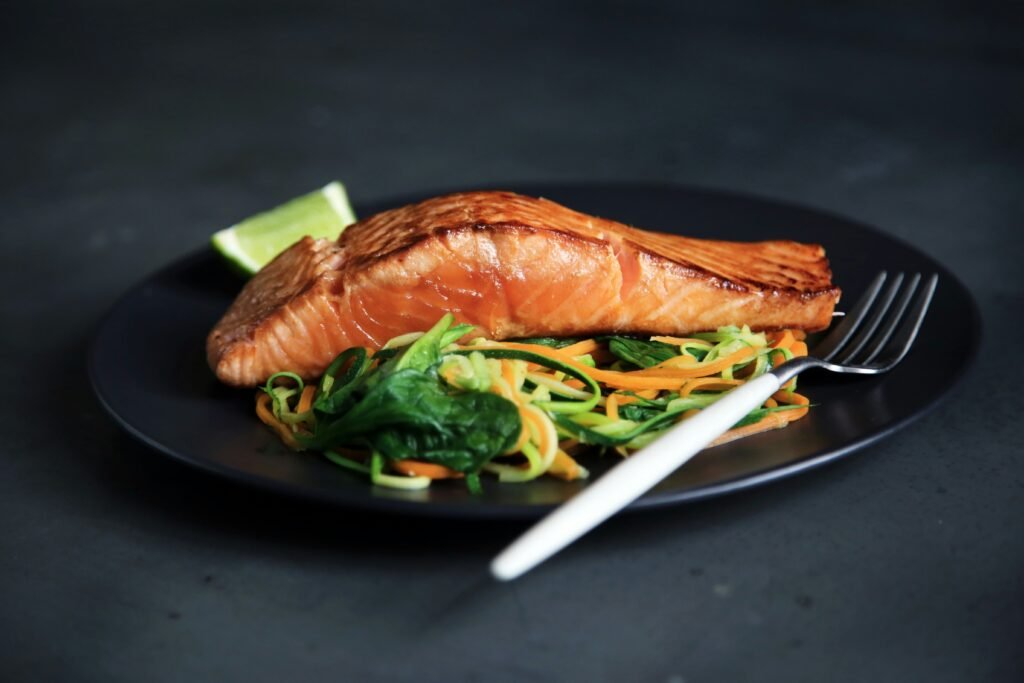
A piece of grilled salmon is very different nutritionally from heavily breaded and deep-fried fish.
To maximize the nutritional value of seafood, consider preparing it by:
- Grilling
- Baking
- Broiling
- Steaming
- Roasting
- Stir-frying
You can add flavor with herbs, spices, garlic, lemon, and other low-calorie ingredients instead of relying heavily on creamy sauces or deep frying.
Research has also investigated omega-3 fatty acids and energy metabolism, although seafood should not be viewed as a “fat-burning” food on its own.

3. Supports Heart Health
One of the best-known benefits of eating fish is its association with cardiovascular health.
Fatty fish such as salmon, sardines, herring, and mackerel are particularly rich in the long-chain omega-3 fatty acids EPA and DHA.
These fatty acids play important roles in cardiovascular function and can help lower triglyceride levels. Eating fish as part of an overall healthy diet has also been associated with better heart health.
The American Heart Association has long recommended eating fish, particularly fatty fish, as part of a heart-healthy eating pattern.
So rather than relying only on fish-oil supplements, including actual seafood in your meals can be a delicious way to obtain these nutrients.
4. May Help Maintain Healthy Blood Pressure
Some studies have found an association between fish consumption and healthier blood pressure levels.
Omega-3 fatty acids may contribute to cardiovascular health through several mechanisms, including effects on blood vessels and inflammation.
However, eating fish shouldn’t be considered a replacement for prescribed blood-pressure medication or other medical treatment.
Think of seafood as one part of an overall healthy lifestyle that includes exercise, adequate sleep, stress management, and a balanced diet.

5. Supports Healthy Cholesterol and Triglyceride Levels
Fatty fish are rich in omega-3 fatty acids, which are particularly well known for their ability to lower triglycerides.
That doesn’t mean all seafood will automatically lower your LDL cholesterol, however.
The overall dietary pattern matters much more than one individual food.
Choosing seafood instead of foods high in saturated fat, such as processed meats, may make your diet more heart-friendly.
6. May Lower Stroke Risk
Several observational studies have linked regular fish consumption with a lower risk of stroke.
The potential benefit may be related to the combination of omega-3 fatty acids and other nutrients found in fish, along with the fact that seafood can replace less healthy foods in the diet.
As with heart disease, though, seafood is only one piece of the puzzle.
Blood pressure control, physical activity, not smoking, healthy weight management, and other lifestyle habits are also important.
7. May Be Associated With a Lower Risk of Some Cancers
Some studies have investigated whether regular fish and seafood consumption is associated with a lower risk of certain cancers.
The results vary depending on the type of cancer and the population studied.
Because observational studies cannot prove that seafood itself prevents cancer, it’s better to describe seafood as one component of a healthy eating pattern rather than as a cancer-preventing treatment.
A diet that includes seafood along with vegetables, fruits, whole grains, legumes, and other nutrient-rich foods is generally a better goal than focusing on any single food.
8. Supports Liver Health
Omega-3 fatty acids have also been studied for their potential role in metabolic health and fatty liver disease.
Research suggests that omega-3 supplementation may help improve triglyceride levels and certain markers associated with fatty liver in some people.
However, seafood isn’t a treatment for liver disease.
If you have fatty liver disease, hepatitis, or another liver condition, you should follow your doctor’s treatment plan while using diet as one part of overall management.
9. May Help With Joint Health and Inflammation
For people living with inflammatory conditions such as rheumatoid arthritis, eating more fatty fish may be beneficial.
Omega-3 fatty acids have anti-inflammatory properties, and some research suggests that fish consumption may help reduce certain symptoms such as joint tenderness and morning stiffness.
However, omega-3-rich foods don’t cure autoimmune diseases.
Instead, they may be a useful addition to an overall anti-inflammatory eating pattern.
10. Supports Eye Health
The retina contains a high concentration of DHA, an omega-3 fatty acid that plays an important role in normal eye function.
That makes seafood particularly interesting when it comes to eye health.
Some research has also associated fish consumption with a lower risk of certain age-related eye conditions, including age-related macular degeneration, although evidence is not completely consistent.
So, eating seafood regularly may be one simple way to help support long-term eye health as part of an overall nutritious diet.
11. May Support Skin Health
Healthy skin starts from the inside as well as the outside.
Seafood provides protein, vitamin D, selenium, zinc, and omega-3 fatty acids, all of which contribute to normal skin function.
Omega-3 fatty acids have also been studied for their role in inflammation and skin conditions.
Some small studies have investigated fish oil in people with acne, but the evidence is still limited and seafood should not be considered a treatment for acne.
Still, including nutrient-rich seafood in a balanced diet can certainly contribute to overall nutritional support for healthy skin.
12. Supports Brain Development and Function
Omega-3 fatty acids, particularly DHA, are important components of the brain and nervous system.
Fish provides DHA and other nutrients that are particularly important during periods of growth and development.
This is one reason seafood is emphasized during pregnancy and childhood.
Eating fish as part of a healthy diet may also support normal cognitive function throughout life. However, claims that seafood will automatically make you “smarter” go beyond what current evidence can prove.

13. May Help Protect Against Age-Related Cognitive Decline
Research has investigated the relationship between fish consumption and cognitive aging.
Some studies have found that people who regularly eat fish may have healthier brain structures or a lower risk of cognitive decline.
However, these studies are often observational, meaning they show an association rather than proving that eating fish directly prevents Alzheimer’s disease or dementia.
Still, maintaining a healthy diet that includes fish, vegetables, fruits, whole grains, and other nutrient-dense foods is a sensible approach to long-term brain health.
14. May Support Mental Health
Omega-3 fatty acids have also been studied in relation to depression and other mood disorders.
Some research suggests that people with higher fish consumption may have a lower risk of depression, while clinical studies have investigated whether omega-3 supplements can provide additional support alongside standard treatment.
The evidence remains mixed.
Seafood should not be used as a replacement for professional treatment for depression, anxiety, bipolar disorder, or other mental-health conditions.
But as part of a balanced diet, it can contribute valuable nutrients involved in normal brain function.
15. Important During Pregnancy and Baby’s Development
Seafood deserves special attention during pregnancy because fish provides nutrients that support fetal growth and development, particularly the brain and eyes.
Current FDA guidance recommends that pregnant and breastfeeding women eat 8–12 ounces of a variety of lower-mercury fish each week.
The key is choosing the right seafood.
Pregnant women should avoid high-mercury fish such as:
- King mackerel
- Marlin
- Orange roughy
- Shark
- Swordfish
- Tilefish from the Gulf of Mexico
- Bigeye tuna
The FDA also recommends choosing a variety of fish from its “Best Choices” list.
So, pregnancy doesn’t mean avoiding seafood altogether.
In fact, the opposite is true: choosing lower-mercury seafood is encouraged.

16. Supports Immune Function
Seafood provides several nutrients involved in normal immune function, including:
- Selenium
- Zinc
- Vitamin D
- Protein
- Omega-3 fatty acids
These nutrients support many different processes in the immune system.
That doesn’t mean eating seafood will prevent infections, but including nutrient-rich foods in your diet can help ensure that your body has the nutrients it needs to function properly.
17. May Support Better Sleep
Fish consumption has also been investigated in relation to sleep quality.
One small study found that increased fish consumption was associated with improvements in sleep quality, potentially related to nutrients such as vitamin D and omega-3 fatty acids.
However, the evidence remains limited.
If you’re struggling with insomnia or poor sleep, seafood should be viewed as one small part of a healthy routine that also includes regular sleep schedules, physical activity, stress management, and appropriate medical care when necessary.

18. May Help With PMS Symptoms
Omega-3 fatty acids have also been studied for their possible role in reducing menstrual discomfort and other premenstrual symptoms.
Some studies suggest that omega-3 intake may help with symptoms such as menstrual pain or mood-related discomfort, although more research is needed.
For women who already enjoy seafood, including fish regularly may therefore provide another nutritional benefit without requiring another supplement.
How Much Seafood Should You Eat?
This is one area where my original article needs an important update.
Rather than simply saying “eat seafood one to two times a week,” current FDA guidance and the Dietary Guidelines recommend that adults consume at least 8 ounces of seafood per week based on a 2,000-calorie diet.
For people who are pregnant or breastfeeding, the recommendation is 8–12 ounces per week from a variety of lower-mercury seafood.
A typical adult serving is about 4 ounces, so this generally works out to around two servings per week.
And variety matters.
Instead of eating the same fish every week, try different lower-mercury choices such as salmon, sardines, shrimp, trout, pollock, cod, oysters, or canned light tuna.

What About Mercury?
One of the most important things to remember about seafood is that some fish contain more mercury than others.
Mercury is naturally present in the environment, and larger, longer-lived predatory fish tend to accumulate more of it.
The FDA specifically recommends avoiding the highest-mercury fish, especially for pregnant women, breastfeeding mothers, and children.
This doesn’t mean you need to be afraid of seafood.
Quite the opposite.
The goal is simply to choose wisely.
Lower-mercury seafood can provide important nutritional benefits while helping reduce exposure to methylmercury.
Choose Your Preparation Method Wisely
Just because seafood is healthy doesn’t mean every seafood dish is automatically healthy.
For example, deep-fried fish covered in batter can contain significantly more calories and fat than grilled or steamed fish.
For everyday meals, try:
- Grilled salmon with vegetables
- Baked fish with lemon and herbs
- Steamed shrimp
- Sardines with whole-grain toast
- Tuna salad with vegetables
- Seafood soup
- Stir-fried seafood with plenty of vegetables
There are so many ways to prepare seafood that healthy eating doesn’t have to be boring.
Final Thoughts
Seafood can be a wonderful addition to a healthy diet.
It provides protein, omega-3 fatty acids, vitamins, minerals, and other nutrients that support many aspects of our health—from the heart and brain to our eyes, bones, and immune system.
But I also learned while revisiting this article that it’s important not to turn individual foods into miracle cures.
Eating seafood doesn’t automatically prevent cancer.
It doesn’t replace medication.
It doesn’t guarantee perfect heart health.
And it certainly doesn’t make us immune to disease.
Instead, think of seafood as one nutritious part of a bigger picture.
A healthy lifestyle is built from many little choices: eating nutritious food, staying physically active, getting enough sleep, managing stress, avoiding smoking, and following appropriate medical advice.
And personally, I think seafood makes that journey much more enjoyable.
There are so many varieties to choose from, and even if you’re not a fan of the “fishy” taste, there are countless ways to season and prepare seafood.
So, the next time you’re planning your weekly meals, consider adding some fish or shellfish to the menu.
Your taste buds might thank you.
And your body may benefit from it too. ❤️

“Let food be thy medicine and medicine be thy food.”
“So whether you eat or drink or whatever you do, do it all for the glory of God.”
— 1 Corinthians 10:31
Taking care of our health doesn’t always require complicated diets or expensive supplements.
Sometimes, it starts with something as simple as choosing a better meal.
A serving of fish.
A plate of vegetables.
A glass of water.
A walk after dinner.
Small choices may not seem significant when we make them one at a time, but together they become our lifestyle.
For me, that’s what makes seafood so interesting.
It isn’t just about one nutrient or one promised health benefit.
It’s about adding something naturally nutritious to the way we eat and enjoying it along the way.
Eat well, choose wisely, and enjoy the food that nourishes both your body and your life.
Sources
- FDA — Advice About Eating Fish
- FDA — Questions & Answers: Advice About Eating Fish During Pregnancy and Breastfeeding
- FDA — Updated Advice About Eating Fish
- FDA — Selecting and Serving Fresh and Frozen Seafood Safely
- NIH Office of Dietary Supplements — Vitamin D
- NIH — Omega-3 Fatty Acids
- American Heart Association — Fish and Omega-3 Fatty Acids
- Visiting Puijo Tower in Kuopio, Finland: Our Family Experience
- Exploring Helsinki, Finland: 11 Places We Visited
- From Finland to Stockholm, Sweden: Our First Family Ferry Cruise
- From Finland to Nordkapp, Norway: Our Road Trip to the North Cape
- From Finland to Alicante, Spain: Beaches, Food and Places We Love
Originally Published: April 7, 2020
Updated: August 2026





I never knew that eating seafood had so many benefits! I used to live on the coast of North Carolina and one thing I miss the most is being able to pick up fresh seafood whenever I wanted. Great post!
Thank you Kristi! Fresh seafood from the sea are really tasty! especially after you grill it, thanks for sharing your experience!
I love Seafood so much.I don’t get to eat it that often because my husband is allergic to shrimp but I love seafood and the benefits of it especially I love salmon and tuna
Thank you for sharing this Jessica! Salmon and tuna are indeed delicious and healthy as they contain those healthy omega 3 fatty acids. This is an opportunity to love seafood more!
I’m a HUGE fan of seafood. Especially sushi (mmm… now I want sushi). What a great reminder of the health benefits that seafood provides us!
Just mentioning Sushi is already mouth watering Sarah. Thank you for sharing your love for seafood. Hope this article helps on knowing the several benefits of eating seafood to our overall health.
This is very a very interesting perspective on seafood. Didn’t kn y’all the benefits.
It is indeed interesting Lavern! There are a lot of benefits of eating seafood especially for our overall health.
Seafood is definitely my favorite. I always say if i ever decide to change my eating lifestyle, pescatarian is the only one i think i could manage lol I can’t live without my seafood. Never knew it had all these benefits! I feel good about myself now
Wow! Pescatarian diet is an amazing type of dieting. Rich in omega 3 fatty acids, it really helps for an optimal heart health, specifically. Thank you for sharing this, this is a wonderful information to me and other readers. Good luck to the attainment of your goal of optimal health and wellness!
Love seafood. Love it even more after reading this.
Thank you for sharing your love Mike! It indeed has a lot of benefits for overall health.
Love seafood. Love it even more after reading this list.
That’s why I love seafood and my number one favorite and it has more benefits, My hubby would love to change his lifestyle too
Thank you Nathalie for sharing that. Hope this article helps Just make sure to consider healthy ways on cooking it, like roasting or grilling it, as well as steaming too!
Agree!!! Seafood is healthy but unfortunately I just can’t have it 🙁
Truly, lot of people can’t have it, some are allergic to it, like me too, but I can control it. Thank you for commenting Ankit!
I’m allergic to sea food but I’ll let my sea food lover friends to read this. Thank you for sharing.
Thank you for sharing Shristi, hope this article helps.
I know there are many health benefits of sea food, but I have always been a vegetarian and now a vegan. Though i have tried chicken but I still am happy with my vegan diet only.
Thank you for sharing your experience Prakhar! Vegan diet is a wonderful diet to indulge in! Good luck and hope you attain your goal of optimal health and wellness.
I am not a seafood eater, but I do know it has lots of benefits.
It has a lot of benefits for our overall health, we just need to consider how the cooking is done.
I love the health benefits of seafood! I really wish I could learn to like it.
It indeed has a lot of benefits. Hope you would like it soon!
I absolutely hate the texture of most seafood (I have sensory issues) but I’ve made it my goal this year to work seafood into my diet. This definitey helps motivate me to do so, thanks!
That’s nice to hear Jessica!, thank you for sharing your experience! It is really a great decision you made. Step by step, you will learn how to love and appreciate eating seafood. Not only it is healthy, but also has a lot of health benefits.
In 30+ years of my life I have been unable to develop a taste for sea food but after reading your post I feel i should definitely take more efforts.
Thank you for sharing your experience Trisha! Seafood indeed has a peculiar taste and texture so it is of paramount importance to consider a type of preparation and cooking which will best suit our taste.
good list. i knew most of those but i did not know fish an help me with PMSing and other symptoms related to my menstrual cycle. thanks.
You’re welcome Joy! Happy to share information on health and wellness! Good luck and take care!
I am a seafood lover. This informative article makes me proud of delicious seafood meals. They truly have great health benefits.
Absolutely, seafood has a lot of health benefits! Thank you Elizabeth! Good luck to your road to health and wellness.
I took off my pants and spwatch my legs. It’s wet and hot.🥰
http://pn.RUNHAI.ME/K94702nf