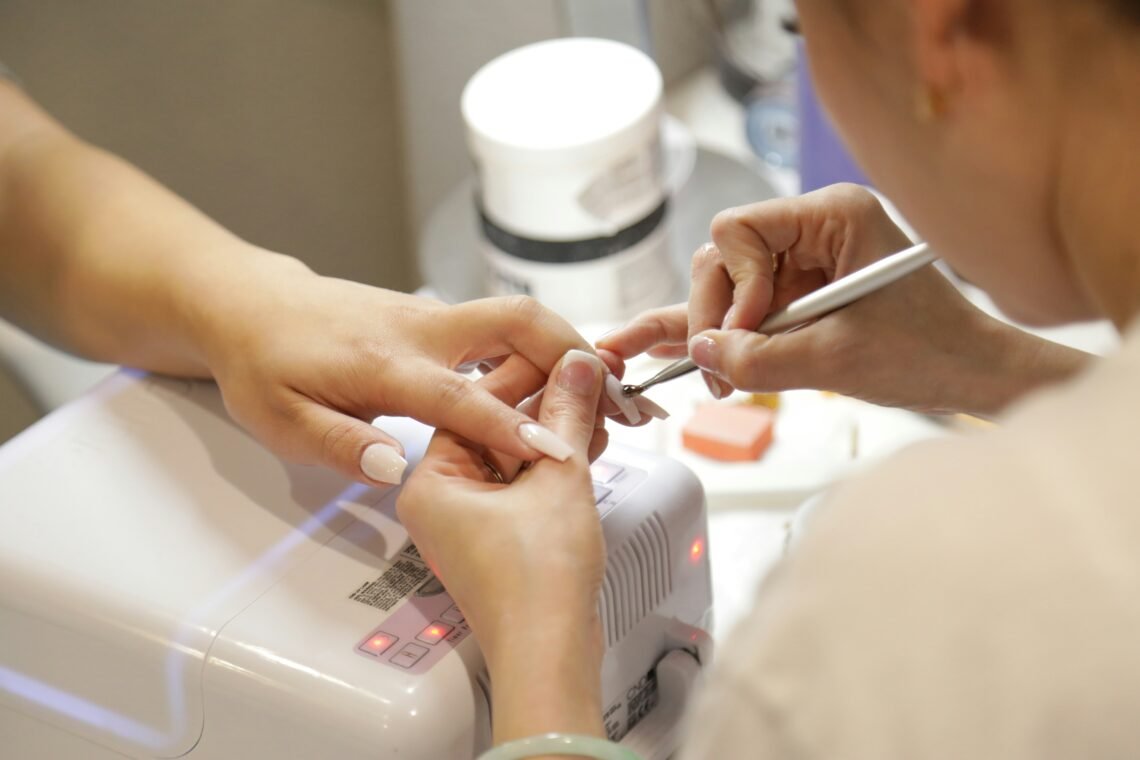
There’s nothing quite like leaving a nail salon with freshly polished nails and smooth feet. A professional manicure or pedicure can be relaxing, enjoyable, and a great way to treat yourself.
But beneath the polish and pampering, there are a few health considerations worth knowing about.
Small cuts, aggressive cuticle trimming, poorly cleaned tools, contaminated foot baths, and certain nail products can increase the risk of irritation or infection. The good news is that many of these risks can be reduced by choosing a reputable salon and paying attention to how the service is performed. The CDC recommends choosing a clean, licensed salon and making sure reusable instruments are properly sterilized after each use.
This doesn’t mean you need to stop having manicures or pedicures.
Rather, being informed can help you enjoy them more safely.
Potential Risks of Professional Manicures and Pedicures
1. Infection
One of the biggest concerns associated with nail salons is infection.
When tools are reused without proper cleaning and sterilization, or when a technician accidentally breaks the skin, bacteria, fungi, and other microorganisms can potentially enter through small cuts or damaged skin.
This is particularly important because nail services often involve clipping, filing, buffing, cuticle work, and removing calluses.
Nail-fold infections
An infection around the nail is called paronychia. It can cause redness, swelling, tenderness, and sometimes pus around the nail. Small injuries to the skin around the nail can provide an entry point for infection.
Other possible problems include:
- Fungal nail infections, which may cause nails to become thick, brittle, or discolored
- Athlete’s foot, a fungal infection that thrives in warm, moist environments
- Warts, including plantar warts on the feet
- Bacterial skin infections
The CDC specifically notes that small cracks in the nail or surrounding skin can allow germs to enter and cause infection.
So, if you recently had a pedicure, pay attention to unusual redness, swelling, pain, warmth, drainage, or changes in the nail.
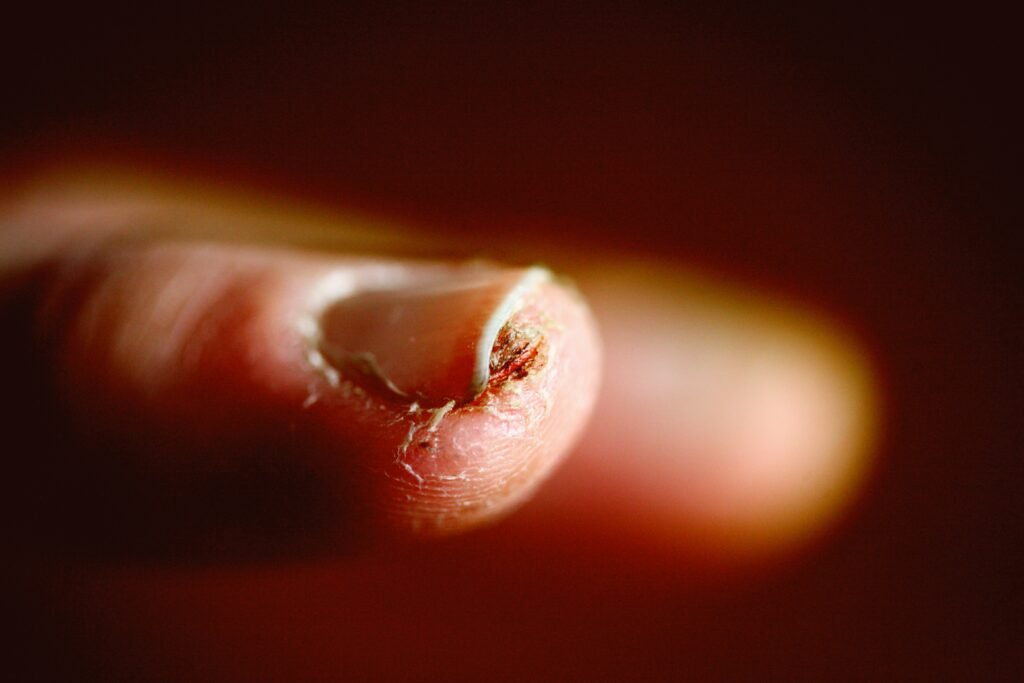
2. Contact Dermatitis and Allergic Reactions
Not every reaction after a manicure is an infection.
Nail polish, acrylic products, nail glue, gel products, and other chemicals can cause irritant or allergic contact dermatitis.
You may notice:
- Redness
- Itching
- Dryness
- Peeling
- Swelling
- Small blisters
If you repeatedly develop a rash after using a particular nail product, stop using it and speak with a healthcare professional or dermatologist.
3. Plantar Warts
Plantar warts are small growths that develop on the soles of the feet or around the toes. They are caused by certain types of human papillomavirus (HPV).
Because the virus can spread through contaminated surfaces, environments where many people walk barefoot or share wet surfaces may increase exposure.
Avoid salons with questionable hygiene practices, particularly if foot baths or reusable equipment aren’t cleaned properly.
4. UV Exposure From Gel Manicures
Gel manicures commonly require exposure to ultraviolet light to cure the polish.
The American Academy of Dermatology notes that repeated gel manicures can contribute to nail brittleness, peeling, and cracking, and repeated UV exposure may increase the risk of premature skin aging and skin cancer on the hands.
That doesn’t mean one gel manicure is going to cause skin cancer.
Rather, it’s a reason to be mindful of repeated exposure.
The AAD recommends applying a broad-spectrum, water-resistant sunscreen with SPF 30 or higher to the hands before a gel manicure. Another option is wearing dark, opaque gloves with the fingertips removed to protect the skin while allowing the nails to be treated.
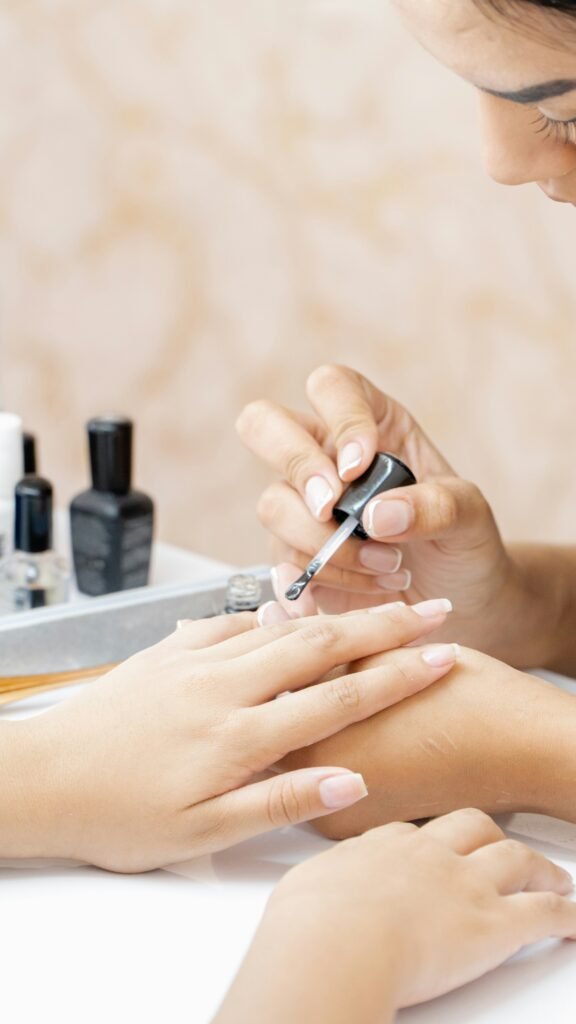
Why Do These Problems Happen?
Several salon practices can increase the risk of complications.
1. Tools That Aren’t Properly Sterilized
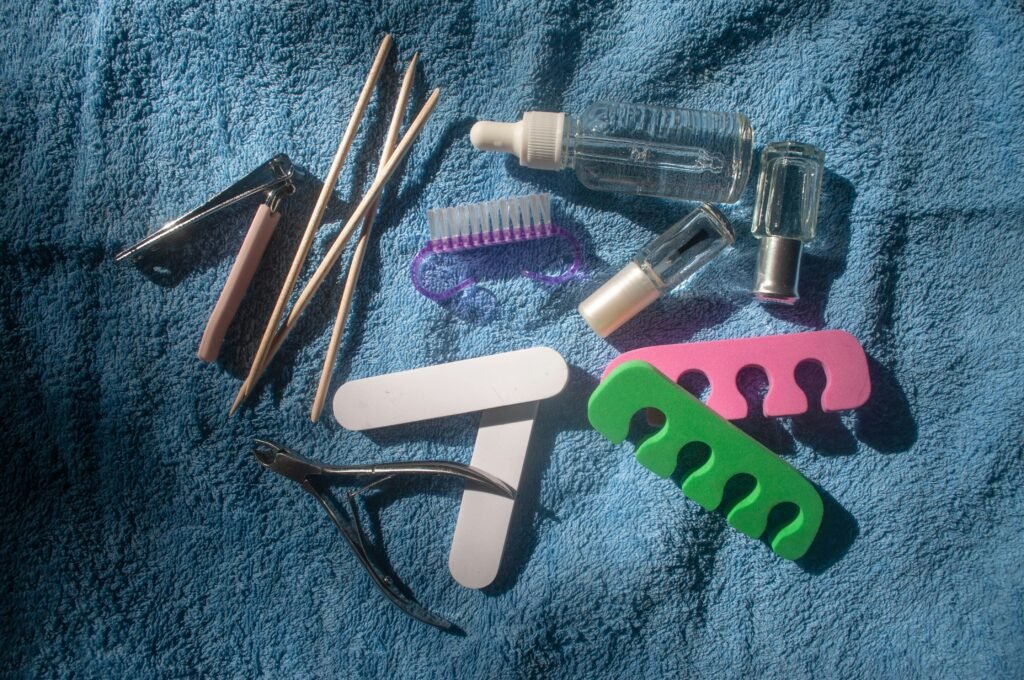
Nail clippers, scissors, cuticle tools, and other reusable instruments can transfer microorganisms when they aren’t appropriately cleaned and sterilized.
The CDC recommends choosing a salon that is clean and licensed and making sure reusable tools are sterilized after each use.
What you can do
Don’t be afraid to ask:
“How do you clean and sterilize your instruments between customers?”
You can also bring your own personal nail tools where practical.
A salon that is comfortable explaining its hygiene procedures is generally a better choice than one that avoids the question.
2. Poor Overall Cleanliness
Take a look around before sitting down.
Are the work areas clean?
Are used towels or instruments lying around?
Are technicians washing their hands between clients?
Are tools being cleaned after every customer?
A salon doesn’t need to look luxurious, but it should look clean, organized, and well maintained.
The CDC recommends choosing a clean, licensed salon and paying attention to proper instrument sterilization.
3. Poor Hygiene Practices
Good hygiene should be visible throughout the service.
The technician should use clean tools and fresh materials appropriate for each client. Instruments that come into contact with skin should be appropriately cleaned and sterilized.
You are completely justified in asking questions.
It’s your health, after all.
You can also ask the technician to wash their hands before beginning and to use clean gloves when appropriate.
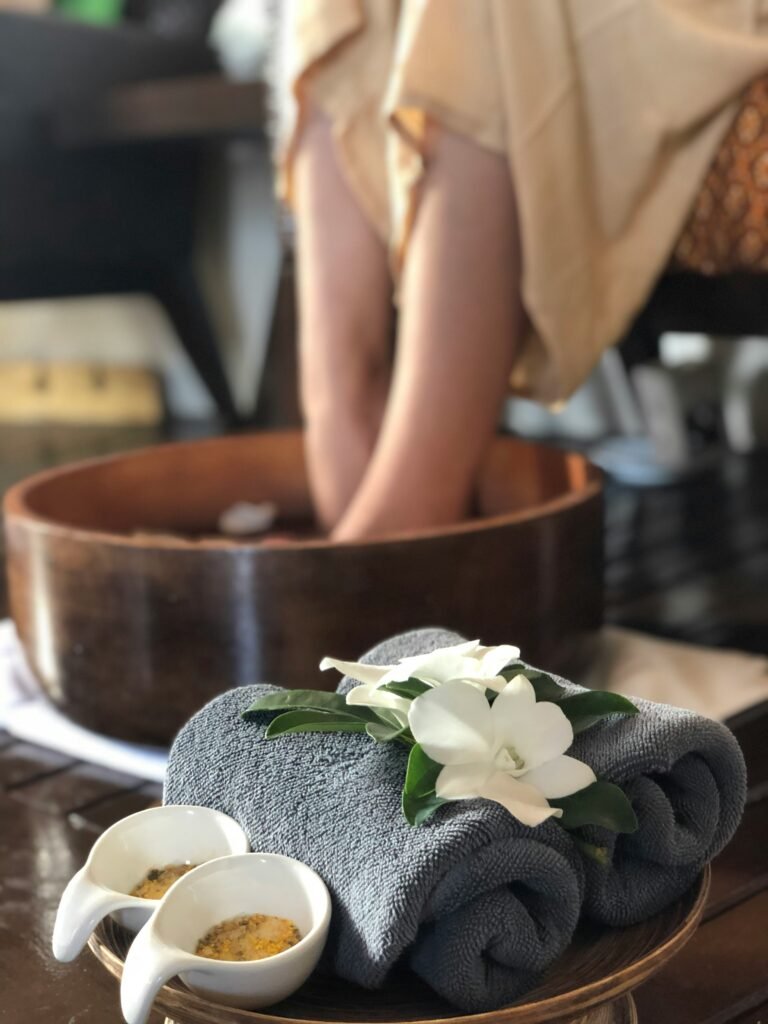
4. Improperly Cleaned Foot Baths
Pedicure foot baths can be particularly challenging because warm, moist environments can support microbial growth.
The CDC notes that fungal infections such as athlete’s foot thrive in warm, dark, and moist environments and emphasizes good hygiene when caring for the feet.
If you can actually see residue, dirt, or debris in the basin, that’s a warning sign.
What you can do
Before your pedicure, ask how the foot bath is cleaned and disinfected between customers.
You can also choose to skip the foot soak altogether and simply have your nails trimmed and polished.
5. Your Technician Is Too Aggressive
A good manicure or pedicure shouldn’t hurt.
If your technician is aggressively filing, cutting, buffing, scraping, or trimming, speak up.
Too much pressure can damage the surrounding skin and nails and create small breaks where germs can enter.
Be especially careful with cuticles
The cuticle helps protect the area between the nail and surrounding skin.
The American Academy of Dermatology recommends not allowing the manicurist to push or cut your cuticles, because damaging them can increase inflammation and infection risk.
So instead of saying:
“Please remove all my cuticles.”
you can simply ask the technician to leave them intact and work gently around them.
Your cuticles aren’t your enemy.
They’re there for a reason.
6. Your Technician Is Distracted
A nail technician needs to pay attention, particularly when using sharp tools around your fingers and feet.
If the technician is constantly distracted, rushing, or using tools carelessly, don’t hesitate to speak up.
You aren’t being rude.
You’re protecting your skin and nails.
How to Have a Safer Manicure or Pedicure
Here are some simple habits that can make your next salon visit safer.
Don’t Shave Immediately Before a Pedicure
Shaving can create tiny cuts in the skin that aren’t always visible.
Those small breaks can provide an entry point for germs.
So, it’s better not to shave your legs immediately before your pedicure.
Choose a Clean and Licensed Salon
Look for a salon that:
- Appears clean and well organized
- Uses clean tools
- Sterilizes reusable instruments
- Uses fresh supplies where appropriate
- Has good hand hygiene
- Is properly licensed according to local requirements
The CDC specifically recommends choosing a clean, licensed salon and ensuring instruments are sterilized after use.
Consider Bringing Your Own Nail Tools
If you’re particularly concerned about shared equipment, you can bring your own:
- Nail clippers
- Nail files
- Cuticle tools
- Buffers
Just remember that personal tools also need to be cleaned properly after use.
Don’t Let Anyone Cut Your Cuticles
This is one of the simplest precautions.
Cuticles help protect the nail and surrounding skin. The AAD recommends asking your technician to leave them alone rather than cutting them.
Don’t Ignore Pain During the Procedure
Tell your technician immediately if:
- Filing hurts
- The cuticle is bleeding
- A tool cuts your skin
- The water is too hot
- The scrubbing is too aggressive
- A product starts burning or itching
You don’t have to endure pain simply because you’re paying for a beauty treatment.
What About Gel and Acrylic Nails?
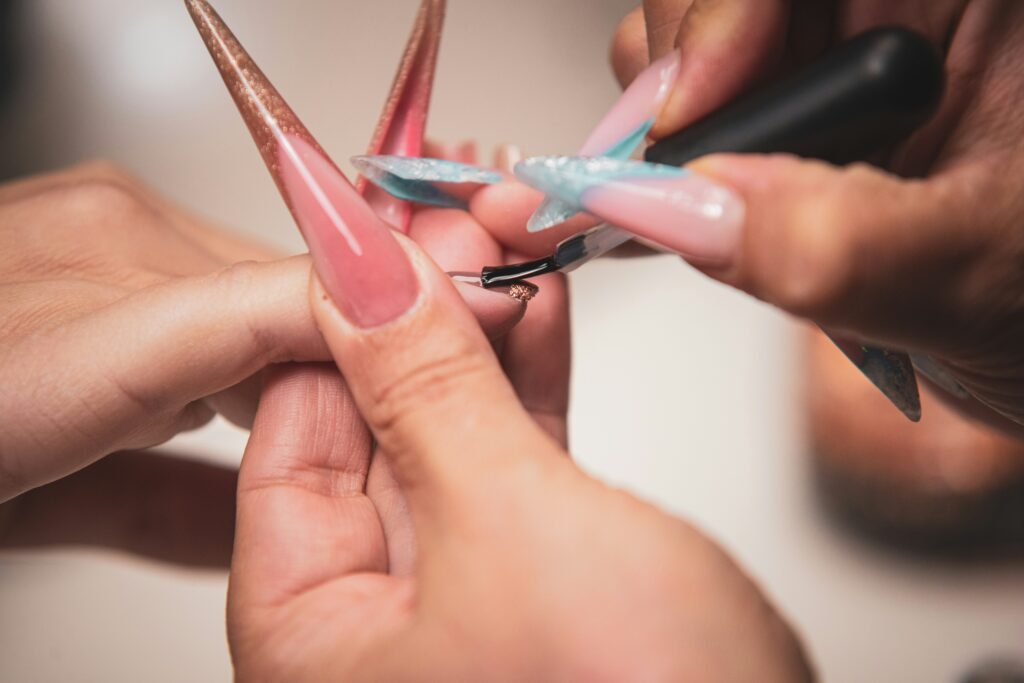
Artificial nails and gel manicures can look beautiful, but repeated treatments can take a toll on the natural nail.
The AAD notes that artificial nails can leave natural nails thin, brittle, and dry, while gel manicures can cause brittleness, peeling, and cracking.
If you enjoy artificial nails:
- Consider using them for special occasions rather than continuously.
- Give your natural nails breaks between treatments.
- Avoid picking or peeling off gel polish.
- Follow proper removal procedures.
- Protect your hands from UV exposure during gel curing.
According to the AAD, soak-off gel nails may be less damaging than acrylic nails because they are more flexible, and an LED curing light may expose the skin to less UV radiation than a traditional UV curing light.
What About People With Diabetes?
This part of the original article needs an important correction.
It is too broad to say that everyone with diabetes should avoid nail salons or professional pedicures altogether.
People with diabetes can be at higher risk of foot problems because diabetes can cause nerve damage and poor circulation, which can make injuries harder to notice and heal.
The CDC recommends careful daily foot care and advises people with diabetes to have their feet checked regularly.
If you have diabetes, especially if you have neuropathy, poor circulation, ulcers, or a history of foot infections—ask your healthcare professional whether salon pedicures are appropriate for you.
You may be better served by having your toenails and feet managed by a qualified healthcare professional or podiatrist.
What Can You Do at Home?
Sometimes, the safest pedicure is the one you do yourself.
Keep your feet moisturized
Apply moisturizer regularly, particularly after bathing.
Keep your feet clean and dry
Wash your feet and dry them thoroughly, especially between your toes.
Trim toenails carefully
The CDC recommends trimming toenails short and keeping them clean. For people with diabetes, the CDC recommends trimming toenails straight across and asking a healthcare professional to do it if they cannot safely see or reach their feet.
Don’t aggressively remove calluses
If you have diabetes or poor circulation, don’t try to cut corns or calluses yourself. The CDC specifically advises against this because self-treatment can injure the skin.
You can also read my related article:
Simple Ways to Maintain Stronger and Healthier Nails
What Should You Do If You Suspect an Infection?
Don’t ignore unusual changes after a manicure or pedicure.
See a doctor or other appropriate healthcare professional if you develop:
- Increasing redness
- Swelling
- Significant pain
- Pus or drainage
- Fever
- A wound that isn’t healing
- A thickened or discolored nail
- Persistent itching or scaling
- An ingrown toenail that becomes infected
If you have diabetes, don’t wait for a minor foot problem to become serious. The CDC recommends promptly seeking medical attention for wounds, sores, infected corns, ingrown toenails, or other foot changes.
Final Thoughts
There’s absolutely nothing wrong with enjoying a manicure or pedicure.
Sometimes we simply want to sit down, relax, choose our favorite color, and walk out feeling a little more polished.
And you deserve that.
But beauty shouldn’t come at the expense of your health.
“Beauty begins the moment you decide to be yourself.”
— Coco Chanel
“She is clothed with strength and dignity; she can laugh at the days to come.”
— Proverbs 31:25
The next time you visit a nail salon, don’t just look at the polish colors.
Look around.
Are the tools clean?
Does the technician wash their hands?
Is the foot bath properly maintained?
Are they gentle with your cuticles?
Do you feel comfortable speaking up?
These little observations can make a big difference.
You don’t have to be paranoid about having a manicure or pedicure.
Just be informed, observant, and willing to speak up when something doesn’t look right.
Because pretty nails are nice…
but healthy nails, healthy skin, and healthy feet are even better. ❤️
Sources
- https://www.cdc.gov/hygiene/about/foot-hygiene.html
- https://www.cdc.gov/diabetes/diabetes-complications/diabetes-and-your-feet.html
- https://www.cdc.gov/diabetes/hcp/clinical-guidance/diabetes-podiatrist-health.html
- https://www.aad.org/public/everyday-care/nail-care-secrets/basics/pedicures/gel-manicures
- https://www.aad.org/public/everyday-care/nail-care-secrets/basics/pedicures/reduce-artificial-nail-damage
- https://www.aad.org/public/diseases/skin-cancer/types/common/melanoma/nail-melanoma
- https://medlineplus.gov/ency/article/001444.htm
- https://www.mayoclinic.org/diseases-conditions/plantar-warts/basics/causes/con-20025706
Surprising Health Benefits Of Intermittent Fasting
Is COVID-19 ‘Highly Sensitive’ To High Temperatures?
27 Surprising Health Benefits Of Garlic
Originally Published: March 12, 2020
Updated: August 2026





i love your Articles
Thank you Markhor, hope this article helps!
I never knew that there are so many dangers in mani-pedis in salon. If nail salons don’t properly disinfect and clean their tools, they can become a hotbed for various diseases transmitted from malpractice like Hepatitis B, MRSA, and bacterial infections. … Podiatrists and health professionals uncovered the health risks you should remain mindful of when you visit the salon.
Absolutely Monidipa! It is very important to know these things especially when it could affect our health. Great to be aware of these health risks so that we could avoid them before we acquire it and get complications.
This is exactly why I learned how to do my own nails! The word contact dermatitis makes me squirm
That’s right Mariah! It is indeed safer to take care of our own nails using our own personal nail tools. It is for hygienic purposes too!
These are the reasons why I would rather clean my own nails even though it’s too much work. As a nurse, I’m aware of the possibilities of transferring infection from one person to another, specially via blood. Thank you for these information!
Absolutely Polly! Germs, bacteria and different kinds of viruses can be transmitted through blood. And mani-pedis performed in salon made it easier since lots of people go there.It is really important to be aware of the risks. Thank you for sharing your experience.
I remember when I go to salon for pedicure then my one of my toe’s got wounded that time I decide to not go salon fr pedicure and my mom do pedicure for me.
That is so nice to hear Maysz, thank you for sharing your experience. Hope you didn’t get infected because of it. It’s good that you’ve decided to be on the safer side and be more hygienic.
Thanks for the exposing the dangers and the unsafe conditions that could occur at nail salons. I haven’t been in a nail salon for a long time as it can cost a lot of money here.
Absolutely Aisasami! We’re in both situation of considering financial ability before going to salons first. At least, now we can consider both our budget and health safety.
This is a good caution for everyone. I would be extra careful next time.
Thank you so much Elizabeth! Good luck to your road to health and wellness.
uhh. the guy use similar devil fruit corazon has