High blood sugar, or high blood glucose, is medically known as hyperglycemia. It occurs when there is too much glucose circulating in the bloodstream. For people living with diabetes, keeping blood glucose within their recommended range is an important part of preventing complications and maintaining overall health.
High blood sugar can be uncomfortable, especially when it happens frequently. People with diabetes and prediabetes often need to pay close attention to their food choices, physical activity, stress levels, sleep, medications, and blood glucose readings.
The good news is that there are several simple lifestyle habits that can help support healthier blood sugar levels. These habits do not have to involve drastic changes. In many cases, small and consistent adjustments to what you eat, how much you move, how well you sleep, and how you manage stress can make a meaningful difference.
However, lifestyle changes should complement, not replace, medical treatment. If you have diabetes and have been prescribed insulin or other medication, do not stop or change your medication without speaking with your healthcare professional.
So, let’s take a closer look at some practical ways to better manage blood sugar.
What Are the Signs of High Blood Sugar?
The classic symptoms of hyperglycemia may include:
- Polydipsia — excessive thirst or drinking
- Polyuria — excessive or unusually frequent urination
- Dry mouth
- Feeling tired or lethargic
- Blurred vision
- Feeling weak or generally unwell
Not everyone experiences noticeable symptoms, particularly when blood glucose is only mildly elevated. This is one reason monitoring can be important for people who have diabetes.
What Causes Blood Sugar to Rise?
Blood sugar can rise for many different reasons. These may include:
- Eating more food or carbohydrates than usual
- Being physically inactive
- Having an infection or other illness
- Experiencing physical or emotional stress
- Changes in hormone levels
- Certain medications
- Not taking prescribed diabetes medication as directed
- Missing or forgetting insulin or other glucose-lowering medication
The causes can vary from person to person. For someone with diabetes, it is therefore important to understand what factors affect their own blood glucose levels.
First, Know Your Blood Sugar Levels
The first step, Pinoy Up North‘s mantra as always, is: Test, don’t guess!
Understanding your blood sugar should begin with knowing your numbers.
If you have diabetes, your healthcare professional can tell you how often you should check your blood glucose and what your personal target range should be. Checking at different times, including before and after meals when recommended, can help you understand how food, activity, stress, and medication affect your readings.
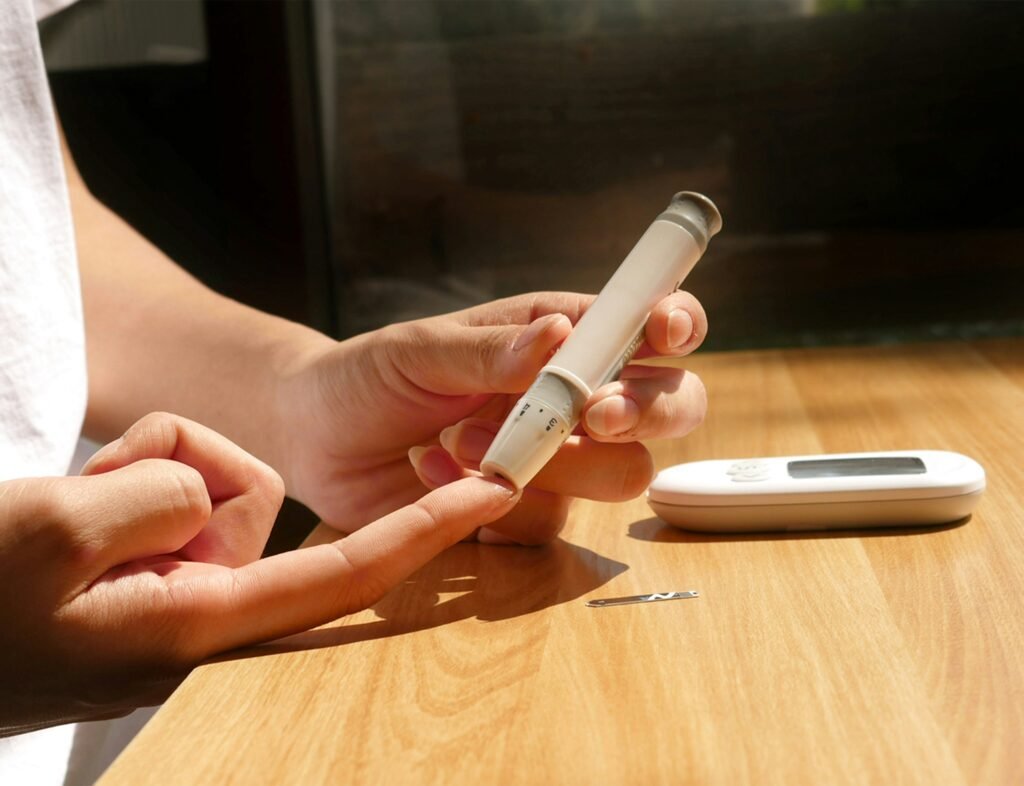
Knowing your blood sugar levels can be done at home using a blood glucose meter. If you are testing at home, always read and follow the instructions that come with your particular device.
For many blood glucose meters, the general procedure looks like this:
- Wash and dry your hands.
- Insert a test strip into the blood glucose meter.
- Use the lancet to prick the side of your finger and obtain a small drop of blood.
- Place the blood on the test strip as instructed.
- Wait for the meter to display your reading.
- Record your result if your healthcare team has asked you to keep a blood glucose log.
What Do the Numbers Mean?
It is important to be careful when interpreting blood glucose numbers because diagnostic ranges and personal treatment targets are not the same thing.
For example, diabetes is generally diagnosed using laboratory tests such as fasting plasma glucose, A1C, or an oral glucose tolerance test. A single home glucose-meter reading is not enough to diagnose diabetes.
Your healthcare professional can explain what your readings mean and what range is appropriate for you.
Remember: Don’t panic over one unusual reading, but don’t repeatedly ignore high readings either. If your blood sugar is frequently above your recommended target, talk with your healthcare team.
When Should You Seek Immediate Medical Advice?
Hyperglycemia can become dangerous when it is severe or remains untreated.
Two serious complications associated with very high blood sugar are:
Diabetic Ketoacidosis (DKA)
Diabetic ketoacidosis (DKA) is a potentially life-threatening complication that occurs when the body does not have enough insulin and begins breaking down fat for energy, producing ketones.
Symptoms may include:
- Nausea or vomiting
- Abdominal pain
- Extreme tiredness or weakness
- Difficulty breathing or deep breathing
- Fruity-smelling breath
- Confusion
- Fainting or loss of consciousness
DKA requires urgent medical treatment.
Hyperosmolar Hyperglycemic State (HHS)
Hyperosmolar hyperglycemic state (HHS) is another serious complication involving extremely high blood glucose and severe dehydration. It can cause weakness, dehydration, vision problems, confusion, and changes in consciousness.
If you have very high blood sugar together with serious symptoms, seek urgent medical attention rather than trying to manage the situation with food, exercise, or home remedies.
If you regularly struggle to control your blood glucose, speak with a physician, diabetes educator, dietitian, or other member of your healthcare team. Your treatment plan may need to be adjusted.
How to Lower Blood Sugar Naturally: 16 Lifestyle Tips
Here are 16 practical ways that may help support healthier blood sugar levels.
Important: These suggestions are lifestyle strategies, not substitutes for prescribed diabetes treatment. Not every strategy will be appropriate for everyone.
1. Control Your Portions
Portion size matters.
Eating large amounts of carbohydrate-rich foods can cause blood glucose to rise, particularly when the amount of carbohydrate exceeds what your body can effectively manage.
Portion control can also help with overall calorie intake and weight management. For people who are overweight or have obesity, achieving a healthier weight can improve blood glucose management and reduce the risk of developing type 2 diabetes.
Here are some simple ways to manage portions:
- Use smaller plates.
- Eat slowly.
- Pay attention to serving sizes on food labels.
- Avoid automatically going back for a second serving.
- Keep a food journal if it helps you identify eating patterns.
- Measure portions when you are unsure how much you are eating.
- Try using the plate method to create balanced meals.
As nutrition expert Jill Weisenberger, M.S., R.D., C.D.E., put it:
“I always tell my patients to spread their food out over the day, keeping carbohydrates consistent.”
The exact amount and timing of carbohydrates should be individualized, particularly if you take insulin or medications that can cause low blood sugar.
2. Be Mindful of Your Carbohydrate Intake
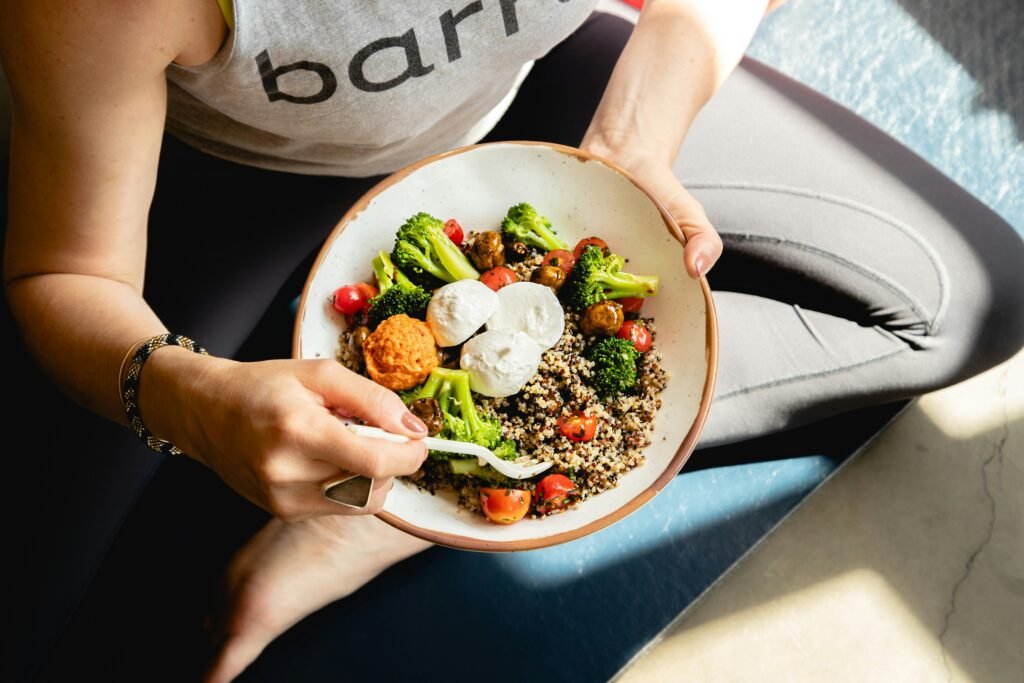
Your body breaks carbohydrates down into glucose, which can raise blood sugar. Insulin helps move glucose from the bloodstream into your cells, where it can be used for energy.
For people with diabetes, the amount and type of carbohydrate consumed can have a significant effect on blood glucose.
This doesn’t mean that everyone with diabetes needs to completely eliminate carbohydrates.
Instead, consider:
- Learning which foods contain carbohydrates.
- Paying attention to portion sizes.
- Choosing more nutrient-dense carbohydrate sources.
- Eating more vegetables, beans, whole grains, and other high-fiber foods.
- Limiting sugary drinks and highly processed foods.
- Learning how different meals affect your own blood glucose.
If you count carbohydrates, work with your healthcare team to determine an amount that fits your individual needs.
And remember: Do not intentionally skip meals or fast simply to force your blood sugar lower, especially if you take insulin or other medications that can cause hypoglycemia.
3. Eat More Beans and Resistant-Starch Foods
This was one of the more interesting points in your original article, but it needs a little clarification.
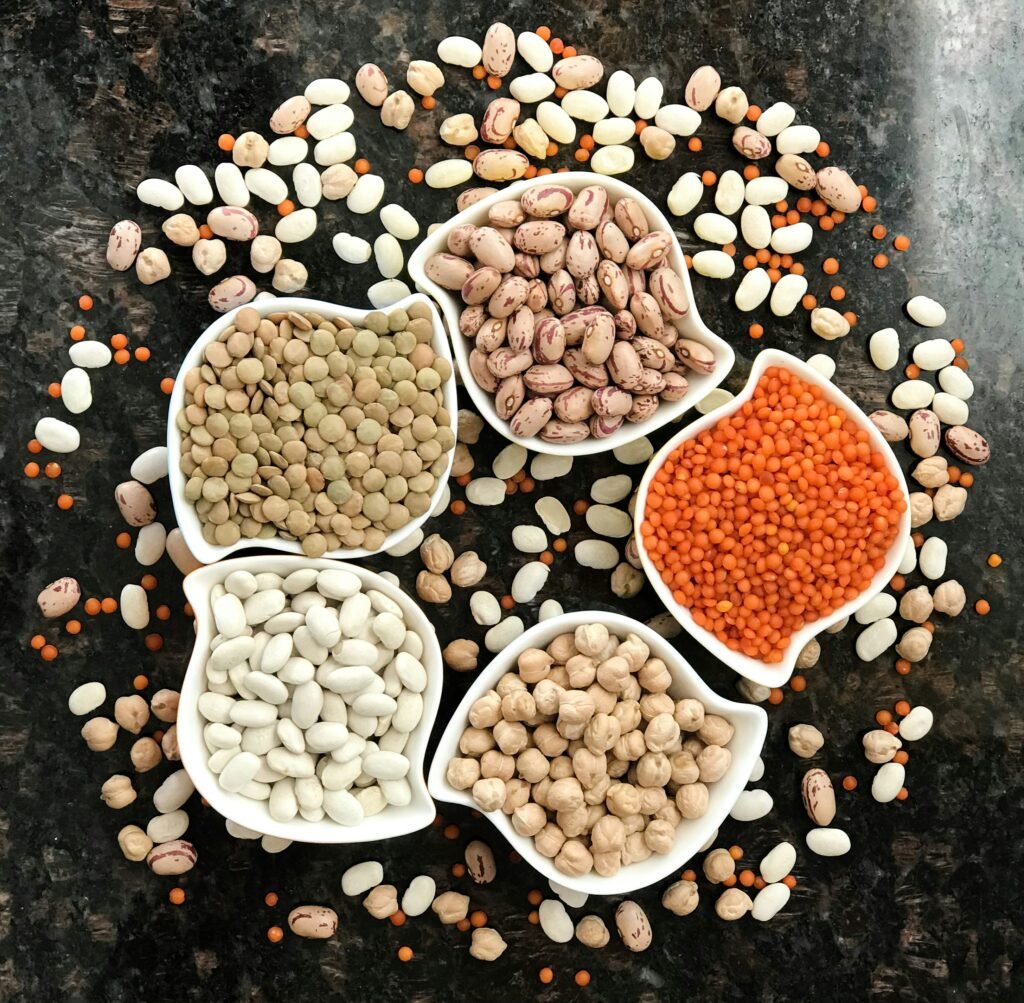
Beans and legumes are nutritious sources of carbohydrates, protein, and fiber. Because they are digested more slowly than many refined carbohydrate foods, they can have a more gradual effect on blood glucose.
Resistant starch is another type of carbohydrate that behaves somewhat like dietary fiber.
Foods that can contain resistant starch include:
- Cooked and cooled potatoes
- Beans and lentils
- Unripe bananas
- Some types of whole grains
- Cooked and cooled pasta
The idea of the “second-meal effect” refers to research suggesting that certain foods containing resistant starch may influence blood glucose responses during a subsequent meal.
However, this should not be interpreted as a guarantee that eating cold potatoes or beans will prevent blood sugar from rising.
Beans can easily be incorporated into everyday meals such as:
- Soups
- Salads
- Casseroles
- Stews
- Side dishes
- Bean spreads or dips
If beans cause digestive discomfort, introduce them gradually and drink enough fluids.
4. Increase Your Fiber Intake
Fiber is an important part of a healthy eating pattern.
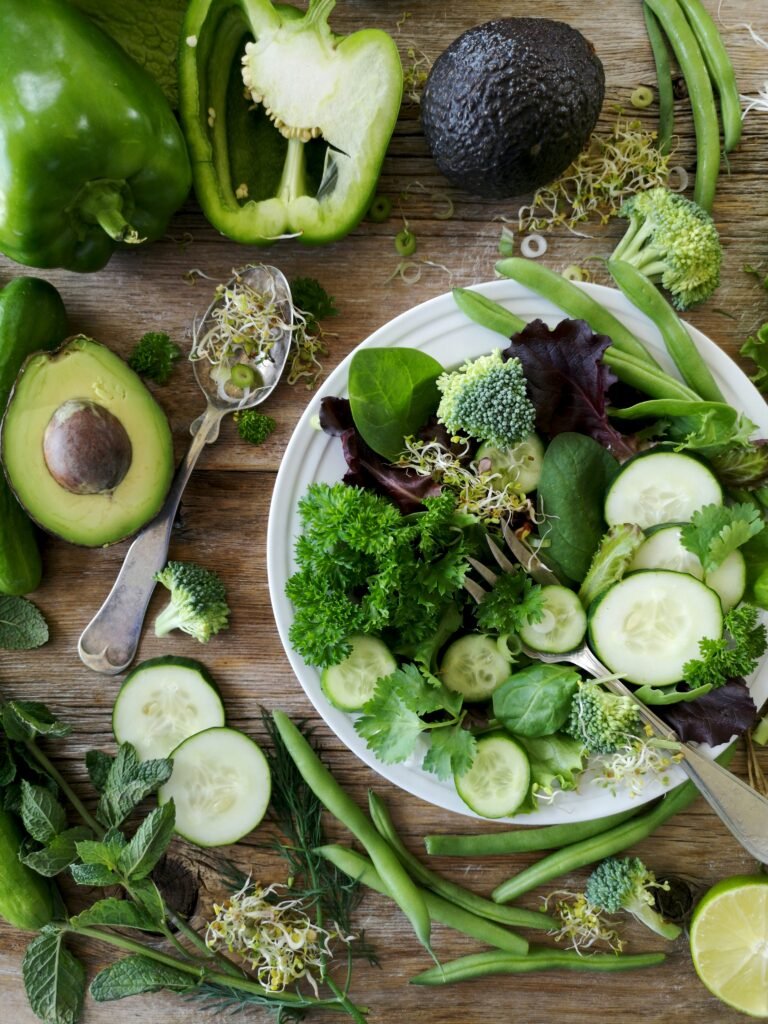
Some types of fiber can slow digestion and the absorption of carbohydrates, which may help moderate blood glucose responses. Fiber-rich foods can also help you feel full for longer.
Good sources include:
- Berries, pears, oranges, and other whole fruits
- Broccoli, carrots, leafy greens, and other vegetables
- Oats, barley, and whole grains
- Whole-grain bread and pasta
- Peas, beans, and lentils
- Nuts and seeds
- Potatoes with the skin
Rather than relying on fiber supplements, try to get most of your fiber from a variety of whole foods.
And remember: when increasing fiber, do it gradually and drink enough fluids to help prevent digestive discomfort.
5. Work Toward a Healthy Weight
Don’t freak out on me!
I’m not saying you need to immediately purchase a treadmill or expensive gym membership.
Instead, look for simple opportunities to move more throughout your day.
Try:
- Taking the stairs instead of the elevator.
- Parking farther away from your destination.
- Going for a short walk after meals.
- Gardening.
- Dancing at home.
- Playing outdoors with your children.
- Doing household chores.
- Taking regular movement breaks if you sit for long periods.
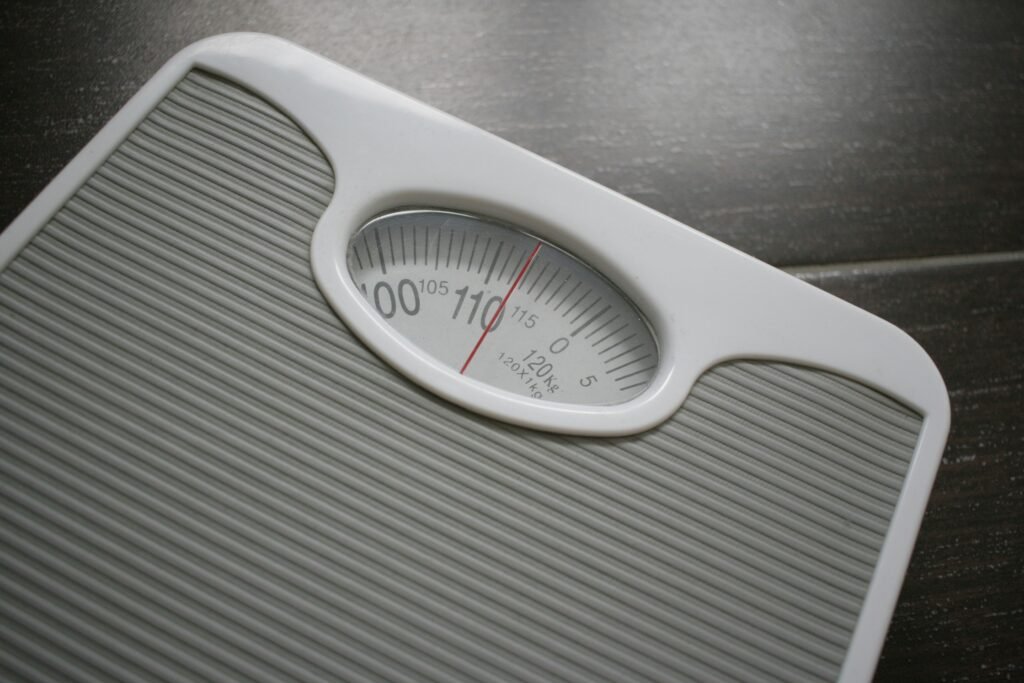
If you are overweight or have obesity, even a modest amount of weight loss may improve insulin sensitivity and blood glucose management.
However, weight loss should be approached in a healthy and sustainable way. You don’t have to become “supermodel skinny” to improve your health.
The goal is to develop habits you can actually maintain.
6. Improve the Quality of Your Sleep
Sleep is often overlooked when we talk about blood sugar.
Most adults should aim for approximately 7 to 8 hours of sleep each night. Getting enough sleep may support better mood, energy, and blood glucose management.
Try these simple habits:
- Keep your bedroom cool and dark.
- Maintain a regular bedtime.
- Wake up at approximately the same time each day.
- Avoid excessive screen use before bedtime.
- Exercise regularly, but avoid exercising too close to bedtime if it interferes with your sleep.
- Create a relaxing bedtime routine.
- Limit caffeine late in the day.
Good sleep isn’t simply about the number of hours. Quality matters too.

7. Add Prickly Pear to Your Diet – With Realistic Expectations
Opuntia, commonly known as prickly pear or nopal, is a cactus commonly eaten in Mexico and other parts of the world.
Nopal can be boiled, grilled, fried, mashed, added to soups and stews, or eaten in other preparations.
It provides nutrients such as fiber, vitamins, and minerals.
Some preliminary research has investigated whether prickly pear may affect post-meal blood glucose. However, the evidence is not strong enough to consider it a proven treatment for diabetes.
So, enjoy nopal as part of a balanced diet if you like it, but don’t rely on it as a diabetes treatment.
8. Manage Stress, Burnout, and Anxiety
Stress can affect your health in many ways.
How many times has a bad day caused you to reach for comfort food, skip exercise, lose sleep, or simply feel exhausted?
Stress can also affect blood glucose. Hormones released during stress, including cortisol, can contribute to increased blood glucose levels.
Finding healthy ways to manage stress can therefore be an important part of diabetes care.
You may want to try:
- Deep breathing
- Meditation
- Mindfulness
- Walking
- Stretching
- Yoga
- Tai chi
- Prayer
- Gratitude
- Talking with someone you trust
- Learning a craft
- Starting a hobby
- Listening to music
- Taking a warm bath or shower
- Watching a movie
- Spending time with family and friends
You don’t need an elaborate wellness routine.
Sometimes, simply taking a few minutes to stop, breathe, and reset can help.

9. Be More Physically Active
Regular physical activity is one of the most useful lifestyle habits for managing blood glucose.
Exercise can help:
- Improve insulin sensitivity
- Help your muscles use glucose for energy
- Support healthy weight management
- Improve cardiovascular health
- Reduce stress
- Improve sleep
Good forms of activity include:
- Brisk walking
- Running
- Cycling
- Dancing
- Hiking
- Swimming
- Strength training
- Other activities you enjoy
Current guidance recommends that most adults work toward at least 150 minutes of moderate-intensity physical activity per week, although the right amount and intensity can vary from person to person.
One Important Warning
Exercise isn’t always the answer to an extremely high blood sugar reading.
The American Diabetes Association advises people with diabetes whose blood glucose is above 240 mg/dL to check for ketones. If ketones are present, they should not exercise, because physical activity can cause blood glucose to rise even further.
If you are unsure what to do when your blood sugar is very high, contact your healthcare team.

10. Don’t Automatically Skip Breakfast
Breakfast has traditionally been called “the most important meal of the day,” although the reality is more complicated.
There isn’t one breakfast schedule that works for everyone with diabetes.
What matters more is finding an eating pattern that works with your health needs, medications, activity level, and blood glucose targets.
If you take insulin or certain diabetes medications, skipping or delaying meals can increase the risk of low blood sugar.
Instead of focusing on whether breakfast is mandatory, focus on eating balanced, nutritious meals at times that work for your individual diabetes plan.
A balanced breakfast might include:
- Eggs or another protein source
- Vegetables
- Plain yogurt
- Oats
- Whole-grain foods
- Nuts or seeds
- Whole fruit
11. Drink Water and Stay Hydrated
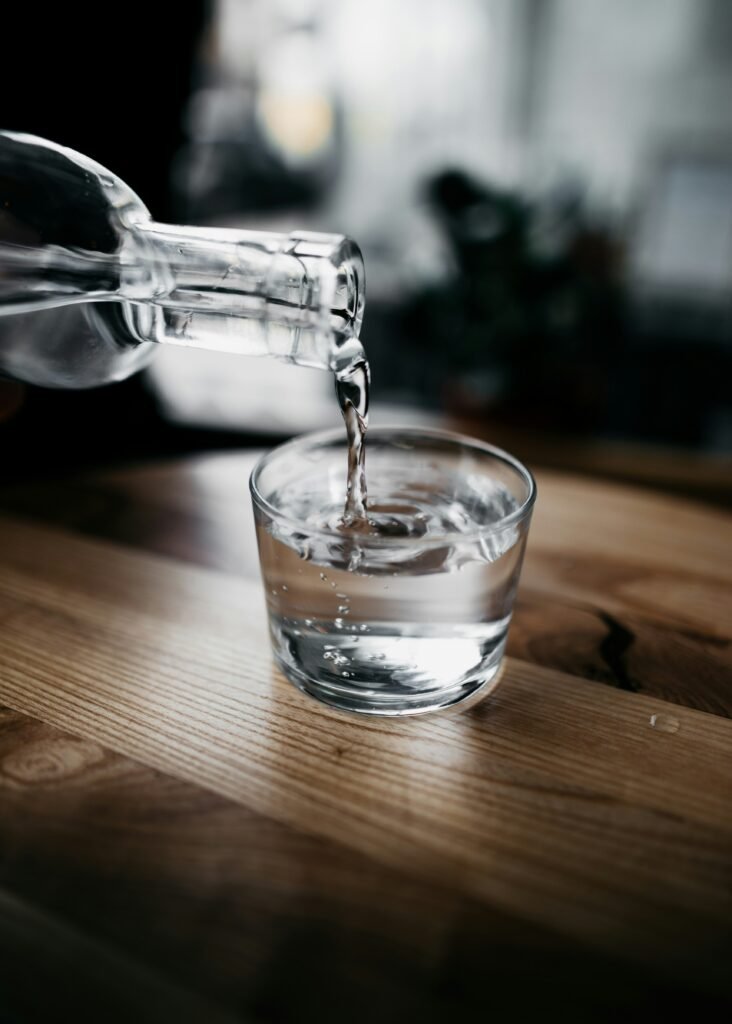
Water is essential for good health, and staying hydrated is particularly important when blood glucose is elevated.
When blood glucose becomes very high, the kidneys may remove some of the excess glucose through urine. This can contribute to increased urination and fluid loss.
Drinking enough water can therefore help prevent dehydration.
Choose mostly:
- Water
- Unsweetened tea
- Other low- or no-calorie beverages
Try to limit sugar-sweetened drinks because they can contribute significant amounts of added sugar and carbohydrates.
However, don’t try to rapidly flush out high blood sugar by drinking enormous amounts of water.
Excessive water consumption in a short period can be dangerous.
If you are experiencing very high blood sugar, severe thirst, frequent urination, vomiting, confusion, or other concerning symptoms, seek medical advice rather than relying on water alone.
12. Choose Lower-Glycemic Foods More Often
The glycemic index, or GI, is a system used to describe how quickly carbohydrate-containing foods can raise blood glucose compared with a reference food.
Foods with a lower GI generally produce a slower rise in blood glucose than foods with a higher GI.
Examples of lower-GI choices may include:
- Beans and lentils
- Many whole fruits
- Non-starchy vegetables
- Some whole grains
- Nuts
- Plain dairy products
However, the glycemic index isn’t the whole story.
Portion size matters too. A large serving of a lower-GI carbohydrate food can still provide a substantial amount of carbohydrate.
A balanced meal containing protein, fiber, healthy fats, and appropriate portions of carbohydrates can be a more practical approach than focusing on GI alone.
Simple Swaps
| Instead of | Try |
|---|---|
| White bread | Whole-grain bread |
| Sugary cereal | Oats or a higher-fiber cereal |
| White rice | Brown rice or another whole-grain option |
| Highly processed snacks | Nuts, seeds, vegetables, or whole fruit |
| Sugary drinks | Water or unsweetened beverages |
The goal isn’t perfection.
The goal is to make better choices most of the time.
13. Closely Monitor Your Blood Sugar
“What gets measured gets managed.”
This is one of the principles I would definitely keep from your original article.
Monitoring blood glucose can help you understand how your body responds to:
- Different foods
- Physical activity
- Stress
- Illness
- Sleep
- Medications
For people with diabetes, glucose readings can also help healthcare professionals determine whether adjustments to the treatment plan are needed.
Instead of guessing how a particular meal affects you, you can learn from your own numbers.
That’s why Life Mag’s old mantra still fits perfectly:
Test, don’t guess!
14. Be Cautious With Apple Cider Vinegar
Apple cider vinegar, or ACV, has become popular as a natural remedy for many different conditions, including blood sugar management.
Some small studies have investigated whether vinegar may affect blood glucose or insulin sensitivity. However, this does not mean that drinking apple cider vinegar is a proven treatment for diabetes.
More importantly, vinegar can interact with certain medications or cause other problems when consumed excessively.
So rather than recommending that readers take “a shot” of apple cider vinegar before meals, I would word this more carefully:
If you enjoy apple cider vinegar as part of your diet, such as in a salad dressing, it can be included in moderation. However, don’t use it as a replacement for prescribed diabetes treatment.
If you take diabetes medication, speak with your healthcare professional before using concentrated vinegar products regularly.

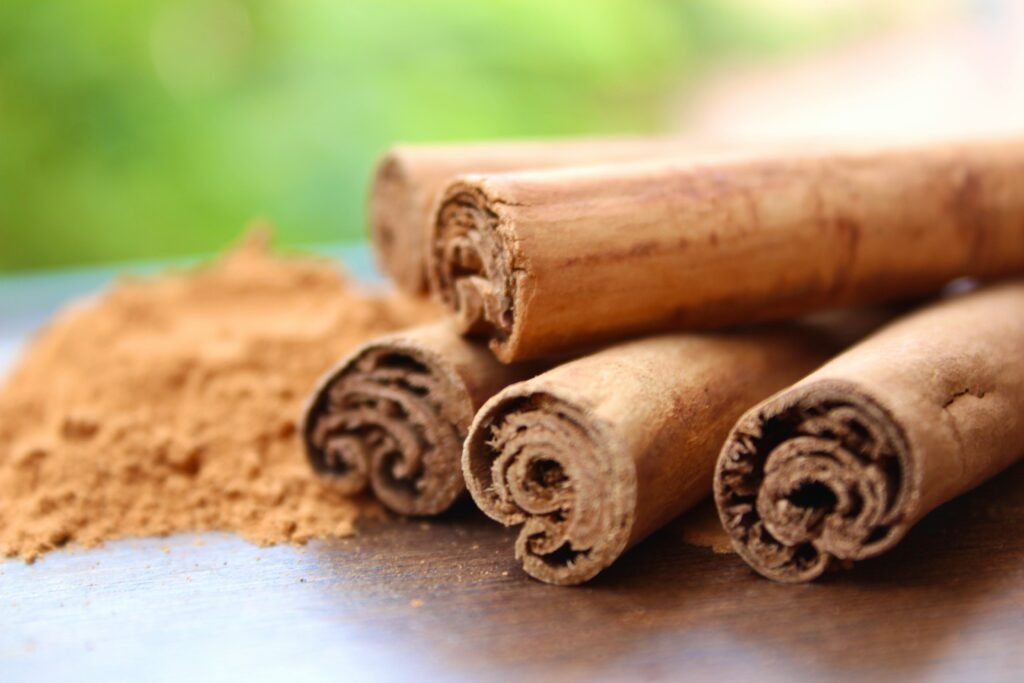
15. What About Cinnamon?
Cinnamon is another popular home remedy for blood sugar management.
Some studies have suggested that cinnamon supplementation might have modest effects on fasting blood glucose in people with prediabetes or type 2 diabetes. However, research results are inconsistent, and there isn’t enough evidence to recommend cinnamon as a treatment for diabetes.
Therefore, I would keep cinnamon in this article, but change the original wording.
Instead of saying:
“Take cinnamon extract to lower blood sugar,”
it is safer to say:
“Enjoy cinnamon as a spice, but don’t rely on it as a diabetes treatment.”
Cinnamon is perfectly useful for adding flavor to foods without adding sugar.
You can sprinkle it over:
- Oatmeal
- Plain yogurt
- Apples
- Coffee or tea
- Smoothies
If you are considering cinnamon supplements, discuss them with your healthcare professional. Large amounts of some types of cinnamon can expose people to coumarin, which may be harmful to the liver.
16. Include Probiotic and Fermented Foods in a Balanced Diet
Probiotics are live microorganisms found in certain fermented foods and supplements.
They are often promoted for digestive health, and researchers have also studied their potential relationship with blood glucose.
However, the evidence isn’t strong enough to say that probiotics are a reliable treatment for high blood sugar.
If you enjoy probiotic or fermented foods, you can include options such as:
- Plain yogurt with live cultures
- Kefir
- Certain fermented vegetables
- Other foods containing live cultures
Just remember to check labels because some flavored probiotic drinks can contain significant amounts of added sugar.
And once again, probiotics should complement, not replace, diabetes treatment.

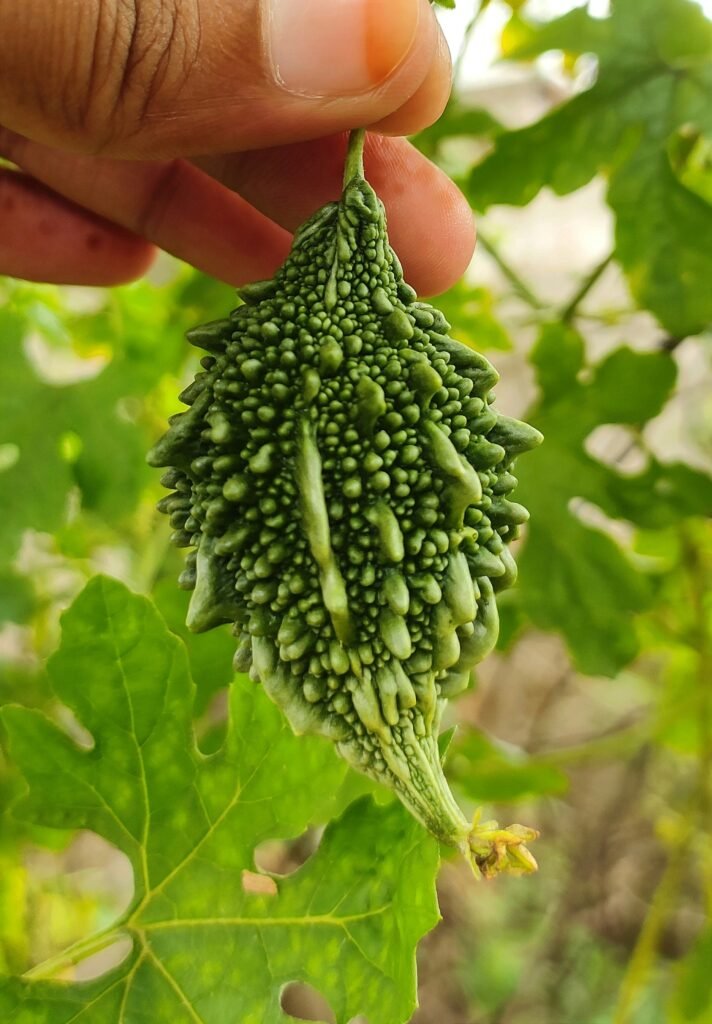
What About Bitter Melon?
I know your original article listed bitter melon as number 16, but because this is particularly relevant to Filipino readers, I would actually keep it as a separate section.
Bitter melon, or Momordica charantia, is also known as bitter gourd, ampalaya, karela, bitter apple, bitter squash, and balsam pear.
It has a long history of use as a traditional food and remedy, particularly in Asian cultures.
Bitter melon contains compounds that researchers have investigated for possible blood-glucose-lowering effects. However, the evidence remains limited, and herbal supplements have not been proven to effectively treat diabetes.
So yes, you can enjoy ampalaya as a vegetable if you like it—but don’t stop your diabetes medication because you believe ampalaya will replace it.
For many Filipino families, this is actually an easy food to incorporate into regular meals:
- Ginisang ampalaya
- Ampalaya with egg
- Ampalaya salad
- Ampalaya with other vegetables
Food can be part of a healthy lifestyle, but it shouldn’t be presented as a substitute for medical treatment.
A Few Things to Remember About “Natural” Blood Sugar Remedies
There is an important message I would add to this article that wasn’t emphasized enough in the original version.
The word “natural” does not automatically mean “safe” or “effective.”
The evidence for some supplements and herbal products used for diabetes is limited or inconsistent. The National Center for Complementary and Integrative Health notes that some supplements may have possible benefits, but most do not have enough evidence to establish that they effectively manage diabetes. Some may also interact with diabetes medications.
Therefore:
- Don’t stop insulin or prescribed medication because of an internet remedy.
- Don’t assume a supplement is safe simply because it is natural.
- Tell your doctor about supplements or herbal products you are taking.
- Be especially careful if you take medication that can lower blood sugar.
- Seek medical help when blood sugar is very high or you have serious symptoms.
The foundation of blood sugar management remains healthy eating, appropriate physical activity, healthy weight management, adequate sleep, stress management, glucose monitoring, and prescribed treatment when needed.
Conclusion
So, there you have it! simple ways to support healthier blood sugar levels.
And here’s the thing: most of these tips aren’t revolutionary.
You don’t need a mysterious supplement, an expensive machine, or a miracle drink.
In fact, some of the most effective habits are surprisingly ordinary:
Eat balanced meals.
Watch your portions.
Choose high-fiber foods.
Move your body.
Get enough sleep.
Drink water.
Manage stress.
Monitor your blood sugar.
And take your prescribed medication as directed.
The goal isn’t to make your blood sugar perfect overnight.
It’s about understanding your body and making small, consistent choices that add up over time.
And remember, if your blood sugar remains high despite your efforts, don’t simply try another home remedy. Talk to your healthcare professional. Diabetes is manageable, but it deserves proper attention and care.
Author’s Notes
Notice anything special about these tips?
Right!
There’s nothing particularly fancy about them.
They aren’t strange, complicated, or impossible to incorporate into everyday life.
Most of them are simply basic healthy habits that we sometimes forget to practice.
You don’t have to completely change your life overnight. Start with one thing.
Maybe drink more water.
Maybe take a short walk after dinner.
Maybe replace a sugary drink with water.
Maybe add more vegetables and beans to your meals.
Maybe go to bed a little earlier.
Maybe start writing down your blood sugar readings.
Small changes can become habits, and habits can become part of your lifestyle.
As I always like to say:
Test, don’t guess!
Don’t guess how your body is responding. Learn from your numbers, pay attention to your habits, and work together with your healthcare team.
“Take care of your body. It’s the only place you have to live.”
— Jim Rohn
“Beloved, I wish above all things that thou mayest prosper and be in health, even as thy soul prospereth.”
— 3 John 1:2 (KJV)
Final Thoughts
Our health is one of those blessings we sometimes appreciate most when something goes wrong.
Managing blood sugar isn’t about being perfect. It’s about being intentional.
Every healthier meal, every walk, every good night’s sleep, every glass of water, every moment of stress relief, and every blood sugar check is another opportunity to take better care of the body God has entrusted to us.
So don’t feel overwhelmed by all the changes you could make.
Start with one.
Then make it a habit.
Then add another.
Because sometimes, the simplest steps are the ones that can take us the furthest.
Take care of yourself, listen to your body, stay informed, and don’t be afraid to ask for professional help when you need it.
Your health is worth the effort.
Sources / References
Original sources:
- PubMed — Portion control and weight management
- PubMed — Diabetes prevention and weight management
- PubMed — Portion size and calorie intake
- PubMed — Low-carbohydrate dietary approaches
- PubMed — Dietary approaches and blood glucose
- Archives of Internal Medicine / JAMA Network — Legumes and glycemic control
- PubMed — Soluble fiber and blood glucose
- PubMed — Fiber and diabetes
- PubMed — Apple cider vinegar and blood glucose
- PubMed — Vinegar and glucose metabolism
- PubMed — Cinnamon and blood glucose
- PubMed — Probiotics and metabolic health
- PubMed Central — Bitter melon research
- Harvard Health — Glycemic index
- NHS — Hydration
Updated sources:
- American Diabetes Association — Hyperglycemia (High Blood Glucose) — useful for symptoms, causes, exercise precautions, and emergency concerns.
- NIDDK — Healthy Living with Diabetes — useful for nutrition, physical activity, weight, sleep, and stress management.
- NIDDK — Managing Diabetes — useful for blood glucose monitoring, high blood glucose, and DKA information.
- NCCIH — Diabetes and Dietary Supplements: What You Need to Know — particularly important for the cinnamon, bitter melon, and other supplement claims in this article.
- American Diabetes Association — Vitamins, Minerals, and Supplements — useful for the warning that supplements should not replace established diabetes treatment.
Originally Published: February 10, 2020
Updated: August 2026
Health Benefits of Piercings: What Do Evidences Really Say?
Dog Bites and Rabies: First Aid, Treatment, and Prevention
First Aid Guide: Nosebleeds



Thanks for sharing these tips! They’re great! I practice these all the time and make sure to take my herbal remedies and preventative care!
You’re welcome! It’s true that prevention is better than cure. Thank for commenting!