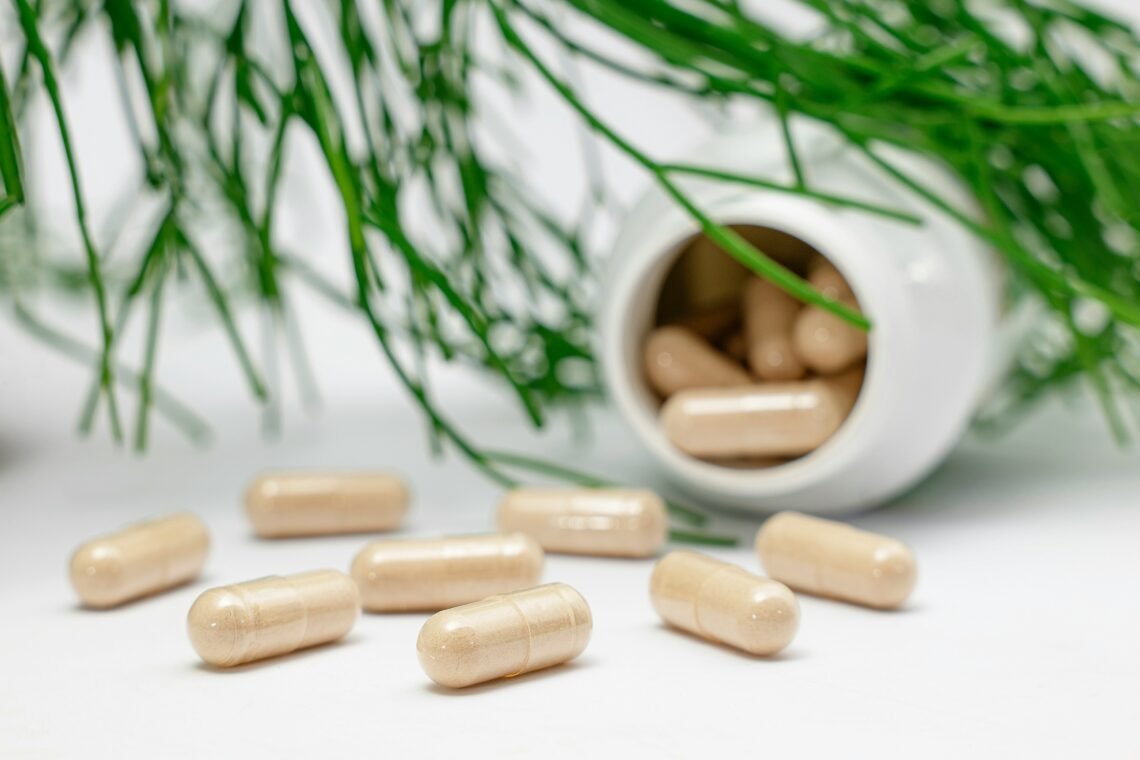
As a nurse, I admit that I have always been cautious about taking vitamin and mineral supplements. I have often wondered whether I really need them, especially when many supplement products make impressive health claims.
For me, getting nutrients from a healthy, varied and balanced diet has always been the first choice. Food provides much more than vitamins and minerals, it also provides protein, fiber and other beneficial compounds that supplements cannot fully replace.
However, there are situations when getting enough of a particular nutrient from food alone can be difficult. Certain stages of life, dietary patterns, medical conditions, medications and nutritional deficiencies may make supplementation appropriate.
So, should everyone take a multivitamin?
Not necessarily.
The right supplement depends on the individual. Some people may benefit from a specific vitamin or mineral, while taking unnecessary high doses can sometimes cause harm.
In this article, let’s take a closer look at some commonly discussed supplements, who may benefit from them, and when getting nutrients from food is the better option.
Important: This article is for general educational purposes and is not a substitute for individualized medical advice. If you have a medical condition, are pregnant or breastfeeding, take medications, or suspect a nutritional deficiency, speak with your doctor, pharmacist or dietitian before starting supplements.
Which Foods Provide Vitamins and Minerals?
Before reaching for a bottle of supplements, take a look at your diet.
A varied diet containing vegetables, fruits, whole grains, legumes, nuts and seeds, dairy or fortified alternatives, fish, eggs and other protein-rich foods can provide many of the vitamins and minerals your body needs.
One important correction to the original version of this article is that recommended nutrient intakes vary according to age, sex and life stage. There isn’t one single “Daily Recommended Intake” that applies to every adult. Current recommendations use values such as the Recommended Dietary Allowance (RDA), Adequate Intake (AI), and Tolerable Upper Intake Level (UL).
For this reason, rather than presenting one large table of outdated doses, I recommend using the current NIH Office of Dietary Supplements fact sheets as references for individual nutrients.
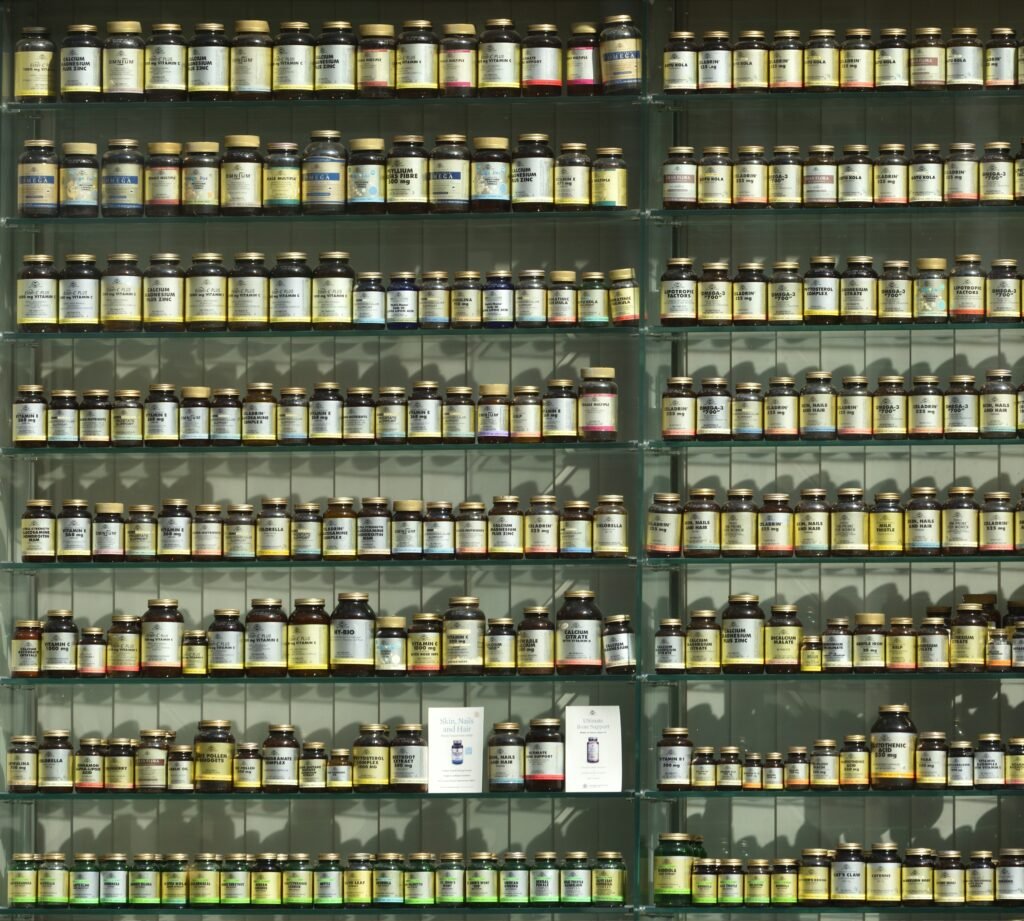
Which Supplements Might You Need?
1. Vitamin D
Vitamin D is important for calcium absorption and healthy bones. It also has important roles in muscle, nerve and immune function. Few foods naturally contain significant amounts of vitamin D, although fatty fish and fortified foods can provide it.
Some people are more likely to have inadequate vitamin D levels, including those with limited sun exposure and certain medical conditions.
However, more is not necessarily better. High doses can be harmful, so supplementation should be based on your individual needs rather than simply taking large doses “for immunity.”
Good food sources include:
- Fatty fish such as salmon, tuna and mackerel
- Egg yolks
- Fortified milk and plant-based beverages
- Fortified cereals
2. Zinc
Zinc is an essential mineral involved in immune function, wound healing, DNA production and many other processes.
Zinc supplements have received attention for their potential role in the common cold. Current evidence suggests that zinc lozenges or syrup may shorten the duration of a cold when started soon after symptoms begin, although the evidence is mixed and zinc does not consistently prevent colds.
That doesn’t mean everyone should take zinc every day.
Excessive zinc supplementation can cause problems, including nausea and impaired copper status. Therefore, high-dose zinc should not be taken routinely without a good reason.
Good food sources include:
- Oysters
- Meat and poultry
- Fish
- Pumpkin seeds
- Nuts
- Beans
- Dairy products
3. Magnesium
Magnesium is an essential mineral involved in muscle and nerve function, blood glucose regulation, protein production and bone health.
Good food sources include:
- Green leafy vegetables
- Nuts and seeds
- Beans and lentils
- Whole grains
- Avocados
- Some fish
Although magnesium supplements may be appropriate for people who are deficient or have certain medical needs, they aren’t automatically necessary for everyone.
For adults, the upper limit for magnesium from supplements and medications is 350 mg per day. This limit does not include magnesium naturally present in food. Too much supplemental magnesium can cause diarrhea, nausea and abdominal cramping, and very high amounts can be dangerous.
4. Calcium
Calcium is essential for strong bones and teeth, but it also plays an important role in muscle movement, nerve signaling and other body functions. Vitamin D helps the body absorb calcium.
Most adults need around 1,000 mg of calcium per day, although requirements vary by age and sex. Women over 50 and adults over 70 generally need 1,200 mg per day.
Before taking a calcium supplement, consider how much calcium you’re already getting from your diet.
Good sources include:
- Milk
- Yogurt
- Cheese
- Calcium-fortified plant beverages
- Some leafy green vegetables
- Certain fish eaten with their bones, such as canned sardines
If your diet already provides enough calcium, taking extra calcium may not be necessary.

5. Iron
Iron is essential for producing hemoglobin, the protein in red blood cells that carries oxygen throughout the body. It also plays a role in muscle metabolism and other important processes.
Some people have a higher risk of iron deficiency, including:
- People who have heavy menstrual bleeding
- Pregnant women
- Growing children and teenagers
- People with certain gastrointestinal conditions
- People who follow certain vegetarian or vegan diets
However, iron should not be taken routinely without a reason.
Iron deficiency is best confirmed through appropriate assessment and laboratory testing. Taking too much iron can cause gastrointestinal problems and, at very high levels, serious toxicity. The adult upper limit is 45 mg per day unless higher amounts are medically prescribed.
Good food sources include:
- Red meat
- Poultry
- Seafood
- Beans and lentils
- Nuts and seeds
- Fortified cereals
- Dark green vegetables
Supplements You May Not Need Routinely
This doesn’t mean these vitamins are unimportant. Your body absolutely needs them. The point is that most people don’t automatically need high-dose supplements if they are already getting adequate amounts from food.
1. Vitamins A, C and E
Vitamins A, C and E are important nutrients and can be obtained from a wide variety of foods.
However, taking large doses of antioxidant supplements simply because they are marketed as “protective” isn’t necessarily beneficial.
High-dose beta-carotene supplements, for example, can increase lung cancer risk in smokers and former smokers. High-dose vitamin A can also be harmful, particularly during pregnancy.
Vitamin E supplementation also has not shown the broad cancer-prevention benefits that were once hoped for, and the SELECT trial found an increased risk of prostate cancer among men taking 400 IU of vitamin E daily.
The better approach?
Eat your antioxidants rather than automatically reaching for high-dose pills.
Enjoy foods such as:
- Carrots
- Sweet potatoes
- Citrus fruits
- Berries
- Bell peppers
- Leafy green vegetables
- Nuts and seeds
- Vegetable oils
2. Vitamin B3 (Niacin)
Niacin, or vitamin B3, is an essential nutrient involved in energy metabolism and many other body processes.
Although prescription-strength niacin has been used to affect cholesterol levels, it should not be treated as a general-purpose supplement.
High doses can cause side effects and may affect the liver and blood glucose levels. Supplementation should therefore be based on a specific medical reason and professional advice.
Good food sources include:
- Chicken
- Fish
- Meat
- Peanuts
- Mushrooms
- Whole grains
- Fortified cereals
3. Vitamin B12 — But This One Is Different
I would actually change the original wording of this section.
The old article placed B12 among the supplements people “aren’t required to take,” but that is too broad.
Vitamin B12 is essential for healthy blood and nerve cells and for DNA production. Adults need about 2.4 micrograms per day.
Most people can obtain B12 from animal foods such as:
- Fish
- Meat
- Poultry
- Eggs
- Milk and dairy products
However, some people are at higher risk of deficiency, including older adults, people following vegetarian or vegan diets, and people with certain gastrointestinal conditions or previous gastrointestinal surgery.
Therefore, B12 supplementation can be appropriate for some people.
If you follow a strict plant-based diet, it is especially important to have a reliable source of vitamin B12, such as fortified foods or an appropriate supplement.
4. Probiotic Supplements
Probiotics are another area where the original article needs an update.
It would be inaccurate to say that probiotics simply “don’t work.” The evidence is more complicated.
Probiotics are live microorganisms that may provide health benefits, but their effects can vary significantly depending on the specific strain and condition being treated. Not every product labeled as a probiotic has proven health benefits.
Some fermented foods contain beneficial microorganisms, including:
- Yogurt
- Kefir
- Kimchi
- Sauerkraut
- Miso
- Some cheeses
- Other fermented foods
However, not every fermented food necessarily contains probiotic strains with proven health benefits.
So rather than thinking, “I need a probiotic,” it is better to ask:
What am I taking it for, and is there good evidence that this particular strain can help?

5. Folate and Folic Acid
This is another section where I would make an important correction.
Folate is an essential B vitamin involved in DNA production and cell division. Folic acid is the form commonly used in fortified foods and supplements.
Women and teen girls who could become pregnant are advised to consume 400 micrograms of folic acid daily from supplements, fortified foods or both, in addition to folate from a healthy diet. This helps reduce the risk of neural tube defects.
Pregnancy increases folate requirements, so prenatal supplementation is particularly important.
Good food sources include:
- Leafy green vegetables
- Beans and peas
- Asparagus
- Brussels sprouts
- Avocados
- Citrus fruits
- Fortified grain products
So, Which Supplements Should You Actually Take?
There isn’t one universal list.
A better way to think about supplements is:
Take what you need, not simply what is being advertised.
A supplement may be appropriate if:
- You have a confirmed nutritional deficiency.
- Your diet doesn’t provide enough of a particular nutrient.
- You follow a restrictive diet.
- You are pregnant or planning pregnancy.
- You are older and have difficulty absorbing certain nutrients.
- You have a medical condition that affects nutrient absorption.
- Your healthcare professional recommends supplementation.
For some people, a basic multivitamin/mineral supplement may help fill nutritional gaps. But it should not replace a healthy diet, and taking multiple products together can unintentionally push some nutrients above safe levels.

A Few Things to Remember Before Taking Supplements
Before purchasing that attractive bottle of vitamins, ask yourself:
Do I really need it?
Am I already getting enough from food?
Could it interact with any medicine I take?
Am I taking another supplement containing the same nutrient?
Is the dose appropriate for me?
And most importantly, don’t assume that something is safe simply because it is labeled “natural.”
Dietary supplements can have biological effects, interact with medications and, in some cases, cause harm when taken in excessive amounts. The NIH also notes that the FDA does not determine whether dietary supplements are effective before they are marketed.
Conclusion
Vitamins and minerals are essential to our health, but more is not always better.
For most people, the best starting point is still a varied and balanced diet. Supplements can be useful when there is a genuine nutritional need, but they should complement a healthy lifestyle, not replace it.
As I look back at my own approach to supplements, I realize that being cautious is not necessarily about avoiding vitamins altogether. It is about understanding why you’re taking something, knowing how much you need, and making informed decisions.
So before you add another bottle of vitamins to your shopping cart, take a moment to look at your diet first.
Sometimes, the best supplement is simply better food, better habits and better information.
Author’s Reflection
When I originally wrote this article, I had a much simpler view of vitamin supplements. I thought the answer was mainly about identifying which vitamins were “good” and which ones were “bad.”
After looking at the evidence again, I realize that nutrition is rarely that simple.
Our bodies, diets, lifestyles and medical needs are different. One person may need a particular supplement while another person may already be getting enough from food. What matters is not taking the most supplements, it is understanding what our bodies actually need.
As a nurse, I believe this is one of the most important lessons we can share: being healthy isn’t about taking more; it’s about making informed choices.
And sometimes, taking care of ourselves starts with something as simple as choosing a nutritious meal, drinking enough water, getting enough rest and paying attention to what our body is telling us.
“Let food be thy medicine and medicine be thy food.”
— Traditionally attributed to Hippocrates
“So whether you eat or drink or whatever you do, do it all for the glory of God.”
— 1 Corinthians 10:31 (NIV)
Final Thoughts
Our health is a gift, and caring for it is part of being a good steward of that gift. We don’t always need the newest product, the highest dose or the longest list of supplements. Sometimes, wisdom means knowing when to add something, and when to simply go back to the basics. May we learn to care for our bodies with balance, gratitude and good judgment, remembering that true wellness involves not only what we put into our bodies, but also how we live, rest, think and care for ourselves.
Sources
- NIH Office of Dietary Supplements (ODS) — Vitamin, mineral, multivitamin and probiotic fact sheets.
- NIH ODS — Vitamin D, Zinc, Magnesium, Calcium and Iron.
- NIH ODS — Vitamins A, B12, Folate and E.
- NIH ODS — Probiotics and Dietary Supplements.
Original Published: February 4, 2020
Updated: August 2026
21 Natural Ways to Help Lower Blood Pressure and Support Heart Health
What You Need to Know About Coronavirus (COVID-19)
Simple Ways to Help Prevent Flu and Colds





I really like this post, so much information! I’ve been thinking of taking magnesium, but maybe I’ll start simply with eating more of those magnesium rich foods.
That’s right! Unless we are totally sick, we actually don’t need certain supplementation. Stick to a healthy diet and be more active. Good luck too, hope you achieve your goal of optimal wellness.
Great and very healpful post. Vitamin deficiencies can wreak havoc in health leading to chronic illnesses. It is a great many people who are deficient in some of these especailly vitamin D. Many others are also deficient in vitamin D such as people with dark skin tones, or those with malabsorption diseases. Awesome bringing awareness.
Indeed! Thank you very much for sharing that. It’s certainly true for those people who have nutrient problems and those who are susceptible in acquiring such deficiency and malabsorption problems. You’re welcome too and hope this info helps.
Because I’m excited, I feel great!🥰
http://h.RUNHAI.ME/ce94702VZ