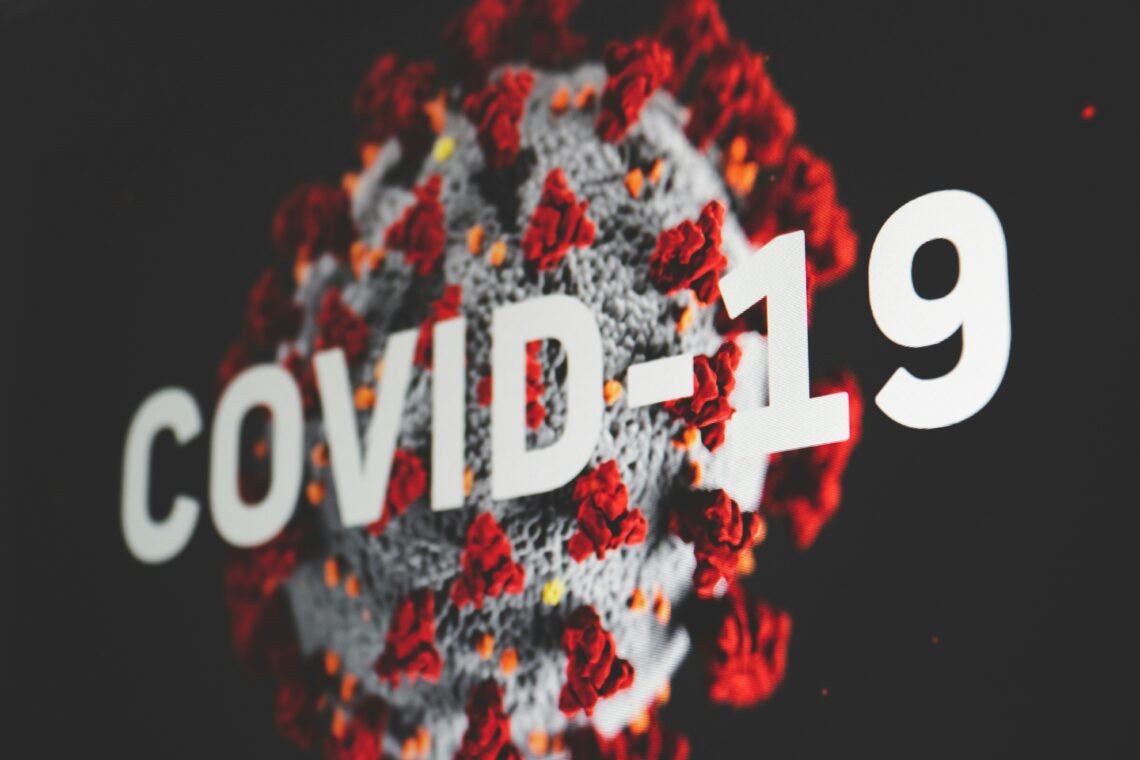
When the coronavirus outbreak first emerged in early 2020, many of us had countless questions. What exactly was this new virus? How did it spread? What symptoms should we watch for? When should we see a doctor? And most importantly, how could we protect ourselves and our loved ones?
A lot has changed since those early days. Scientists and healthcare professionals have learned much more about COVID-19, vaccines have been developed, and treatments are now available for people who are at higher risk of becoming seriously ill.
This article was originally written during the early days of the coronavirus outbreak. I have updated it to reflect what we know today while keeping some of the historical information because it is part of the story of how the COVID-19 pandemic began.
The goal is not to create fear, but to encourage awareness, preparedness, and responsible health decisions. Information is based primarily on guidance from organizations such as the World Health Organization (WHO) and the Centers for Disease Control and Prevention (CDC).

What Is Coronavirus?
Coronaviruses are a large family of viruses that can cause illnesses ranging from the common cold to more serious respiratory diseases.
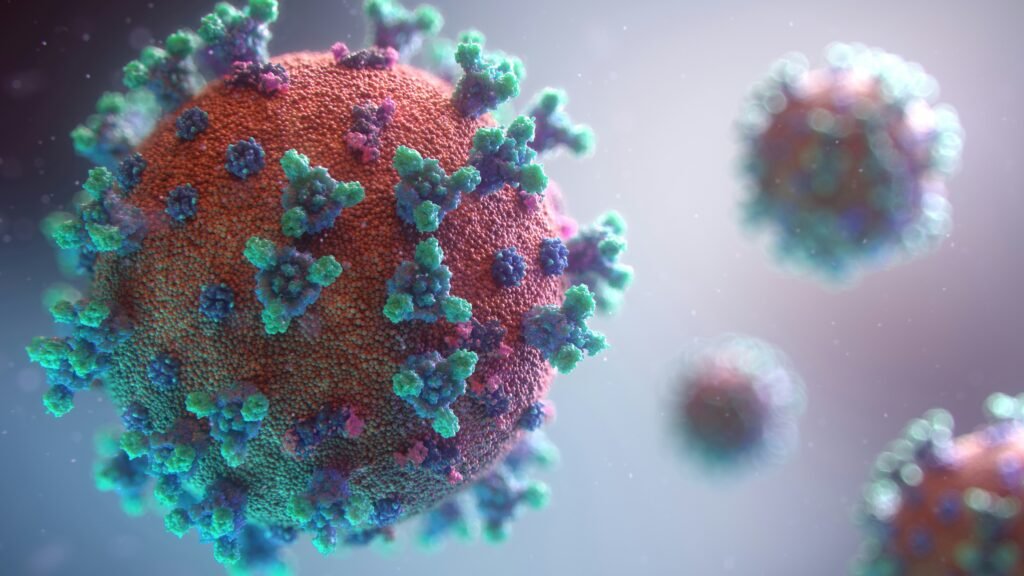
The name coronavirus comes from the Latin word corona, meaning “crown” or “wreath.” Under a microscope, the virus has spike-like structures around its surface that give it a crown-like appearance.
The coronavirus responsible for COVID-19 is called SARS-CoV-2, while the disease it causes is called COVID-19, short for coronavirus disease 2019.
What Was the Novel Coronavirus (2019-nCoV)?
When the outbreak began in Wuhan, China, in December 2019, scientists were dealing with a previously unidentified coronavirus.
The virus was initially referred to as 2019-nCoV. It was later officially identified as SARS-CoV-2, and the disease caused by the virus was named COVID-19.
WHO was informed of cases of pneumonia of unknown cause in Wuhan on December 31, 2019. Chinese authorities identified a novel coronavirus as the cause on January 7, 2020.
On January 30, 2020, WHO declared the outbreak a Public Health Emergency of International Concern (PHEIC). On March 11, 2020, WHO characterized COVID-19 as a pandemic.
Historical note: The case numbers included in my original 2020 article reflected the situation at that time. They should no longer be interpreted as current figures, so I have removed them from this updated version.
What Other Coronaviruses Have We Seen Before?
COVID-19 was not the first serious disease caused by a coronavirus.
Two other well-known examples are:
- SARS — Severe Acute Respiratory Syndrome
- MERS — Middle East Respiratory Syndrome
Both are caused by different coronaviruses and can cause serious respiratory illness.
SARS emerged in 2002–2003 and resulted in more than 8,000 reported infections and hundreds of deaths. MERS was first identified in 2012 and has been associated with severe respiratory disease.
Although these viruses belong to the same coronavirus family, they are not the same virus as SARS-CoV-2.
Is COVID-19 the Same as SARS or MERS?
No.
SARS-CoV-2 is a different coronavirus from the viruses that cause SARS and MERS.
However, SARS-CoV-2 is genetically related to the coronavirus responsible for SARS, which is why its name includes “SARS.” Scientists continue to study how SARS-CoV-2 has evolved and how different variants behave.
What Are the Symptoms of COVID-19?
COVID-19 can affect people differently. Some people have no symptoms at all, while others experience mild, moderate, or severe illness.
Common symptoms can include:
- Fever or chills
- Cough
- Sore throat
- Runny or blocked nose
- Fatigue
- Headache
- Muscle or body aches
- Shortness of breath or difficulty breathing
- Nausea or vomiting
- Diarrhea
- Loss or change of taste or smell
Symptoms can vary depending on the circulating variant, vaccination status, and the individual.
If you develop respiratory symptoms, staying home and away from others while you are sick can help reduce the risk of spreading the virus.
How Is COVID-19 Transmitted?
SARS-CoV-2 spreads mainly through infectious respiratory particles released when an infected person breathes, talks, coughs, sneezes, or sings.
Transmission is more likely when people are in close contact or spend time together in crowded or poorly ventilated indoor spaces.
The virus can also spread through contaminated surfaces, although this is generally less important than airborne transmission.
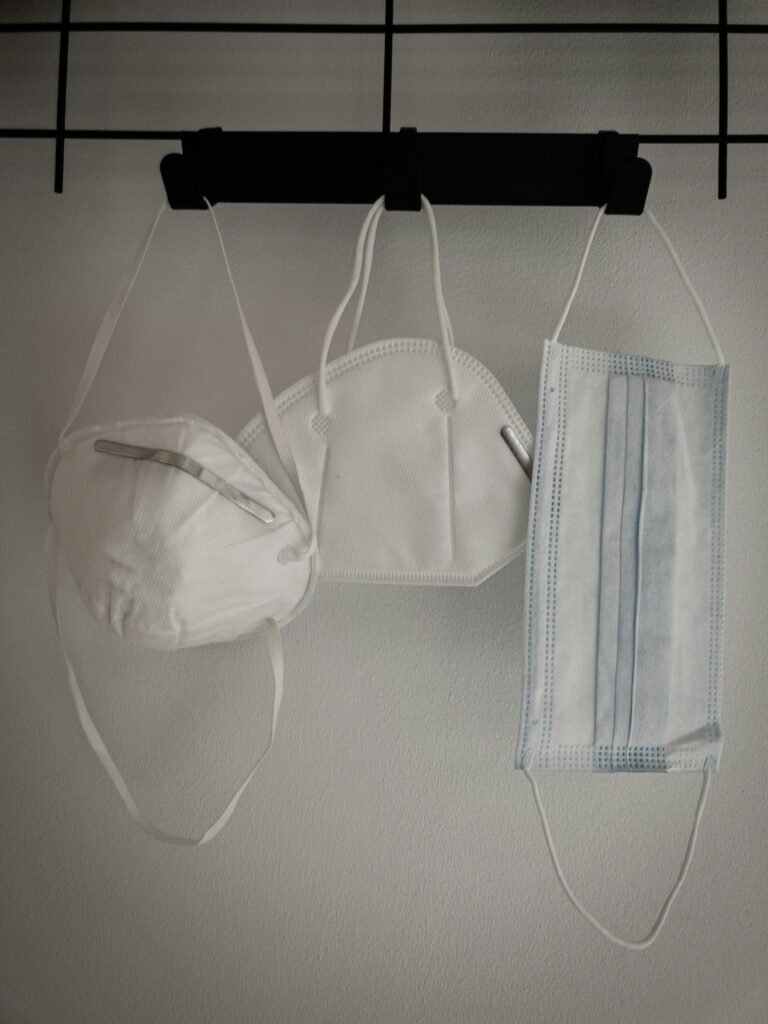
This is why ventilation, staying home when sick, good respiratory hygiene, hand hygiene, and appropriate masking can all help reduce transmission.
How Is COVID-19 Diagnosed?
COVID-19 can be diagnosed using a viral test, such as:
- A molecular test, including PCR or another nucleic acid amplification test (NAAT)
- An antigen test
Testing can be particularly useful when you have symptoms or have been exposed to someone with COVID-19. It can also help determine whether you may need treatment, especially if you are at higher risk for severe illness.
If you have symptoms and your first test is negative, it does not necessarily mean you are not infected. Depending on the type of test and timing, repeat testing or consultation with a healthcare professional may be appropriate.
Treatment
This is one of the biggest areas where my original article needs updating.
When I originally wrote this post in 2020, there were no COVID-19 vaccines or established antiviral treatments. Today, vaccines are available, and several antiviral treatments are available for people at higher risk of severe disease.
Most people with mild COVID-19 recover at home with supportive care, such as getting enough rest, drinking fluids, and using appropriate over-the-counter medicines to help relieve symptoms.
For people at higher risk of severe illness, antiviral medications may reduce the risk of hospitalization and death. These treatments work best when started within a few days of the beginning of symptoms, so it is important to contact a healthcare professional promptly if you are at higher risk.
Treatment decisions should always be based on your individual health situation and the advice of a qualified healthcare professional.
What About COVID-19 Vaccines?
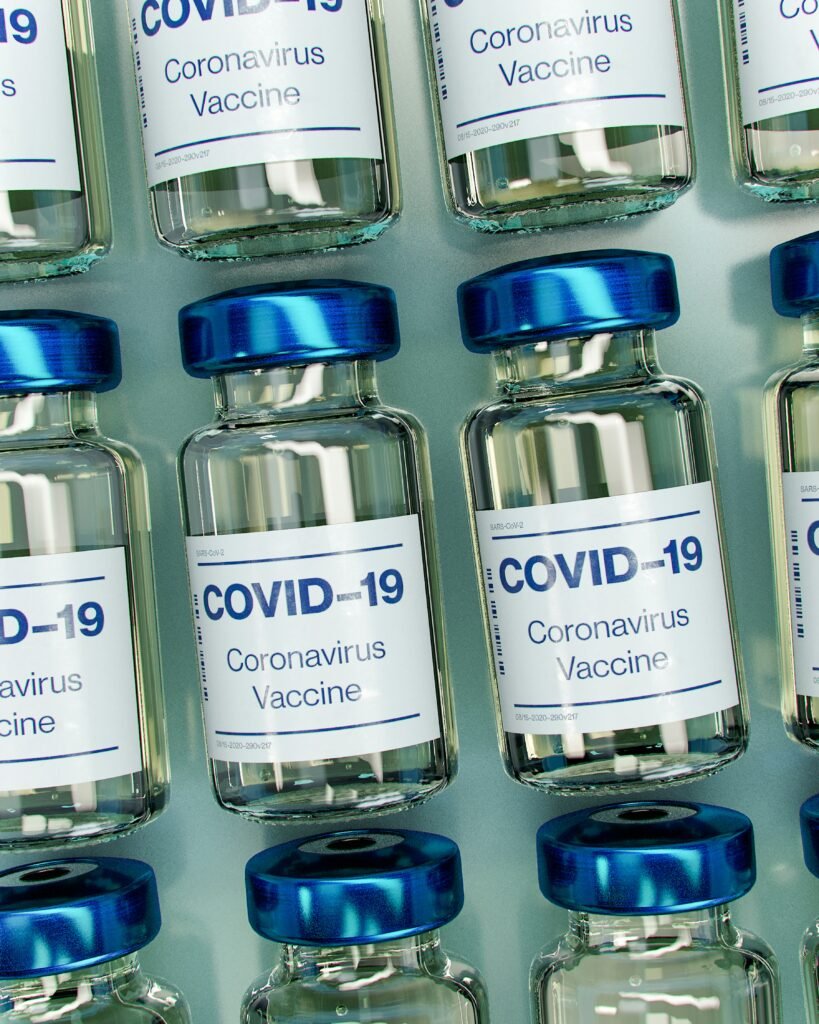
Yes, COVID-19 vaccines exist, another major difference between this updated article and my original 2020 version.
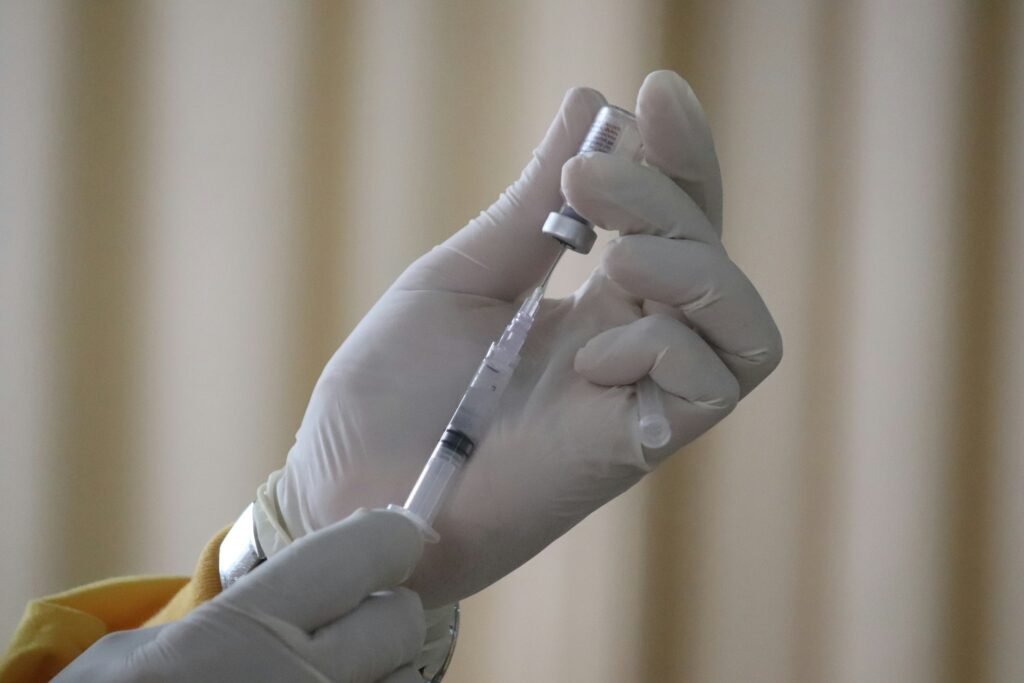
Vaccines have played an important role in reducing severe disease, hospitalization, and death. WHO continues to recommend COVID-19 vaccination using a risk-based approach, particularly for people at higher risk of severe disease.
Vaccination does not guarantee that you will never become infected, but it can provide important protection against severe outcomes.
Because recommendations can change depending on age, health conditions, vaccination history, country, and circulating variants, it is best to follow the current recommendations from your local health authorities or healthcare provider.
How Can We Protect Ourselves?
There is no need to live in constant fear, but there are sensible things we can do to reduce our risk.
1. Stay home when you’re sick
If you have COVID-19 symptoms or test positive, avoid close contact with other people while you are infectious.
2. Keep your hands clean
Wash your hands regularly with soap and water or use an alcohol-based hand sanitizer.
3. Improve indoor ventilation
Open windows or improve airflow when possible, especially when several people are sharing an indoor space.
4. Consider wearing a mask when appropriate
A well-fitting mask can help reduce transmission, particularly in crowded or poorly ventilated places or when respiratory viruses are circulating widely.
5. Cover your coughs and sneezes
Use a tissue or cough into your bent elbow, and clean your hands afterward.
6. Keep up with recommended vaccination
Vaccination remains an important tool for preventing severe COVID-19, particularly among people at higher risk.
7. Pay attention to your health
If you have underlying health conditions or other risk factors for severe illness, speak with your healthcare provider about the precautions and treatments that are appropriate for you.
When Should You See a Doctor?
If your symptoms are worsening, persistent, or concerning, contact a healthcare professional.
People who are at higher risk of severe COVID-19 should seek medical advice promptly after developing symptoms because antiviral treatment may need to be started within 5–7 days of symptom onset.
Seek emergency medical attention if you experience:
- Difficulty breathing
- Persistent chest pain or pressure
- New confusion
- Difficulty staying awake or inability to wake up
- Pale, gray, or bluish skin, lips, or nail beds, depending on skin tone
These can be signs of severe illness and require immediate medical attention.
What Happened to the Global COVID-19 Emergency?
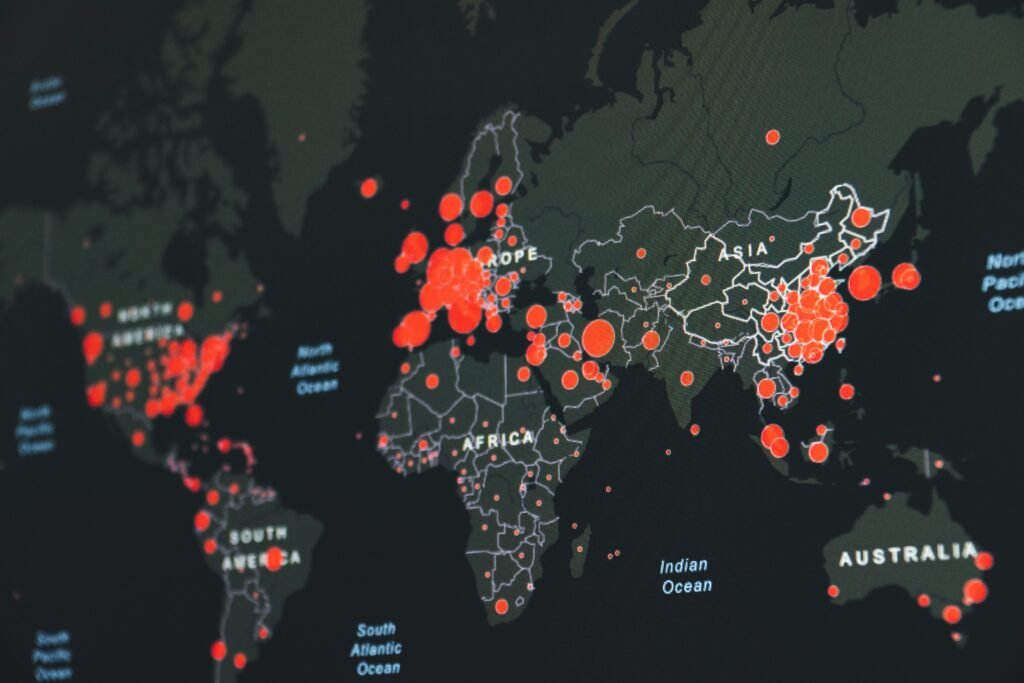
On January 30, 2020, WHO declared the COVID-19 outbreak a Public Health Emergency of International Concern.
More than three years later, on May 5, 2023, WHO determined that COVID-19 no longer met the definition of a PHEIC. This marked the end of the global emergency phase, but it did not mean that COVID-19 disappeared. SARS-CoV-2 continues to circulate, and people can still become seriously ill.
This is an important distinction: the emergency phase ended, but COVID-19 did not.
Should We Panic?
As much as possible, no.
Fear rarely helps us make good decisions. What helps is being informed, staying prepared, and knowing when to seek professional medical advice.
COVID-19 has taught us an important lesson: health information can change as scientists learn more. What was considered correct in January 2020 may not necessarily be the best advice today.
So instead of panicking, let’s stay informed, take reasonable precautions, look after ourselves and others, and listen to reliable health authorities.
Most importantly, don’t rely solely on social media posts or forwarded messages when it comes to your health. Check information with trustworthy sources such as WHO, your country’s health authority, or a qualified healthcare professional.
Sources
For the updated information in this article:
- World Health Organization — COVID-19 Fact Sheet
- World Health Organization — COVID-19 Vaccines
- Centers for Disease Control and Prevention — COVID-19 Symptoms
- Centers for Disease Control and Prevention — COVID-19 Treatment
- Centers for Disease Control and Prevention — Prevention
A Note From the Author
When I first wrote this article in early 2020, the world was facing something completely unfamiliar. We were reading alarming news every day, watching the number of cases increase, and wondering what would happen next.
Looking back now, it is incredible to see how much we have learned.
COVID-19 changed the way we think about health, hygiene, travel, work, family, and even the simple act of being together. It also reminded us that information evolves. As science learns more, we must be willing to learn and adapt with it.
If you are worried that you may have COVID-19 or have been exposed to someone who has it, don’t panic. Pay attention to your symptoms, use reliable sources of information, and seek medical advice when necessary.
Your health is worth taking seriously… but it doesn’t have to be accompanied by fear.
“In the midst of uncertainty, knowledge gives us the courage to move forward.”
“For God has not given us a spirit of fear, but of power and of love and of a sound mind.”
— 2 Timothy 1:7 (NKJV)
Final Thoughts
The COVID-19 pandemic reminded us that life can change unexpectedly. We may not always understand what is happening around us, but we can choose how we respond. Instead of allowing fear to control us, we can choose wisdom, faith, compassion, and gratitude. Every day is another opportunity to take care of ourselves, extend kindness to others, and trust God through whatever uncertainty lies ahead. We may not know what tomorrow will bring, but we can face it with faith, hope, and a prepared heart.
Published: February 2, 2020
Updated: August 2026
Simple Ways to Help Prevent Flu and Colds
10 Reasons Why You Should Have Plants in Your Room
10 Evidence-Based Reasons to Consider Drinking Green Tea




This was great info. I am currently dealing with having to make a decision to cancel a trip to Alaska, Bali and Panama. This info helps with decision making for sure!
Sure you must consider this factor when travelling to other countries. Have safe travels!
Great information. There’s a lot of misconception and false information on the web about the virus and people tend to panic right away when they see something without verifying the information.
That’s true, a lot of faux news are widely spread too, so we need to be more aware and informed about it.
Very thorough and easy to read. Thanks!
Thank you Amanda, Hope this helps.
Thank you for this information. The media coverage of this is really scaring people around here. My most calm and rational friends are preparing for the worst and stocking up on supplies.
That sounds scary. Hoping this would not get at its worst and hoping time will come when scientists are able to formulate a medicine to cure it.
Great information. I am not in a big panic. I think the media is shoving this down our throats to create a fear that may not be necessary.
Indeed. That’s why being aware about it is very important for us not to get paranoid about this. Thanks for commenting!
Thanks for sharing, great information! we should really focus on sharing valuable information based on knowledge rather than spreading the panic, what the media is currently doing !
That’s true and that’s why we should not rely to all the news we find on TV or from any social media platforms. Rather, we should get factual information from valid resources and keep our health on its optimal health to prevent acquiring the disease easily.
It has been alarming, to see the scale at which nCOV has been growing but like you said, no point being flustered. Best to take precautions and work on building immunity internally.
Indeed! Rather than panicking and be paranoid, we better keep our health in its optimal levels and improve our immune system.
Good article. As a person with a compromised immune system (transplant patient), it’s hard not to get a little worried. It is impacting our summer plans — 2 international trips are pretty much canceled. I always have masks anyway but we have more hand sanitizer and hand-washing reminders happening in our house too!
That is absolutely a great way of prevention! This disease is truly making the whole world paranoid especially when it comes to travelling. It seems better to stay at home these days but we cannot avoid getting out for work and to do other necessary duties. It’s really good to have a sanitizer handy. Thank you for sharing this.
Now a days everyone is talking about this. IT is really scary to see the way it is spreading all over the world 🙁
That’s absolutely. The news about it is really terrifying so we should be informed on how to take care of ourselves to prevent from getting it.
The rest of it is awesome!