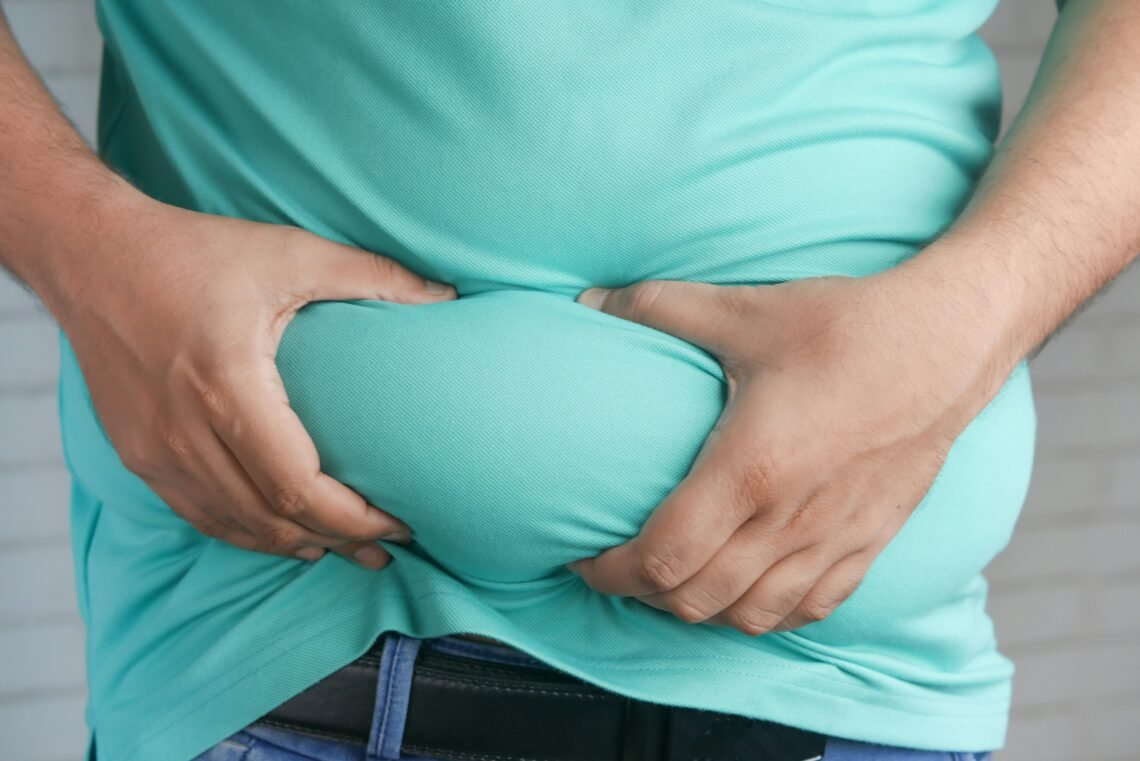
The term “beer belly” is often used to describe excess fat around the abdomen, particularly the larger waistline that some people develop as they get older.
But here’s the truth: beer alone doesn’t automatically create a beer belly.
Abdominal fat develops through a combination of factors, including overall calorie intake, alcohol consumption, physical activity, genetics, age, sleep, and other lifestyle and health factors. Beer can contribute calories and, when consumed regularly or in large amounts, may contribute to weight gain. However, research does not support the idea that beer uniquely directs fat specifically to the belly.
So why does your waistline sometimes seem to expand as you get older?
Let’s take a closer look at what causes abdominal fat, why it matters for your health, and what you can realistically do to reduce it.
What Is a “Beer Belly”?
A beer belly is not a medical diagnosis. It’s a casual term for excess abdominal fat.
Abdominal fat includes both:
- Subcutaneous fat, which sits underneath the skin; and
- Visceral fat, which is stored deeper inside the abdomen and surrounds internal organs.
Visceral fat is particularly important because excess abdominal fat is associated with a higher risk of several chronic health conditions.
Having a larger waistline can be a health concern even if your overall weight doesn’t seem particularly high.
Health Risks of Excess Belly Fat
The problem with belly fat isn’t simply how it looks.
Excess abdominal, particularly visceral, fat is associated with an increased risk of health problems such as:
- Cardiovascular disease
- High blood pressure
- Insulin resistance and type 2 diabetes
- Sleep apnea
- Certain cancers, including colorectal cancer
- Other metabolic and inflammatory conditions
Abdominal obesity is also associated with higher overall health risk, which is why waist circumference and waist-to-height measurements can be useful in addition to body weight.
The goal isn’t simply to have a flat stomach. The goal is to improve your overall health.

What Causes a Beer Belly?
There isn’t one single cause. Several factors can contribute to increasing abdominal fat.
1. Accumulation of Visceral Fat
The most obvious explanation is an increase in abdominal fat.
As visceral and subcutaneous fat accumulate around the abdomen, the waistline becomes larger and the belly may protrude outward.
This can happen when you consistently consume more energy than your body uses, although body-fat distribution is also influenced by genetics, age, sex, hormones, and other factors.
2. Genetics
Your genes can influence your tendency to gain weight and where your body stores fat.
Some people naturally store more fat around their abdomen, while others tend to store more around their hips and thighs.
Genetics don’t determine your destiny, but they can influence your individual response to diet, exercise, aging, and weight gain.
3. Getting Older
Age can play an important role in changes in body composition.
As we get older, muscle mass can gradually decrease, especially when we aren’t physically active. Because muscle tissue uses energy, losing muscle can contribute to changes in how many calories the body needs.
Hormonal changes can also affect where the body stores fat.
This is one reason why the habits that worked for you in your 20s may not produce exactly the same results later in life.
4. Sex and Hormonal Changes
Men and women tend to have different patterns of fat distribution.
Men are more likely to accumulate visceral fat around the abdomen, while women tend to store more fat around the hips and thighs, particularly before menopause.
After menopause, hormonal changes can contribute to increased fat accumulation around the abdomen.
This doesn’t mean that women cannot develop belly fat or that men always will. Individual body composition varies considerably.
5. A Sedentary Lifestyle
Spending most of your day sitting and doing little physical activity can make it easier to gain excess body fat.
The good news is that you don’t have to become a professional athlete to become more active.
Simple habits can help:
- Take regular walking breaks.
- Use the stairs when practical.
- Walk after meals.
- Spend less time sitting continuously.
- Add resistance training to preserve muscle.
- Find an activity you actually enjoy.
Consistency matters more than perfection.
6. An Unhealthy Diet
Diet can have a major effect on body weight and fat accumulation.
Eating and drinking a lot of foods and beverages that are high in calories, added sugar, and unhealthy fats can make it easier to consume more energy than your body needs.
Research has also found that higher refined-grain intake is associated with greater visceral fat, while higher whole-grain intake is associated with lower visceral fat.
Instead of completely eliminating carbohydrates, focus on the quality and overall amount of the foods you’re eating.
Choose more:
- Vegetables
- Fruits
- Whole grains
- Beans and legumes
- Fish
- Lean protein
- Nuts and seeds
And limit highly processed foods, sugar-sweetened drinks, and excessive portions.
Does Beer Actually Cause a Beer Belly?
This is where things get interesting.
Beer doesn’t magically travel straight to your stomach and turn into belly fat.
However, beer does contain calories, and drinking alcohol can make it easier to consume more calories overall. Alcohol can also affect appetite, food choices, and energy metabolism.
Research examining the so-called “beer belly” found that beer consumption was associated with increases in waist circumference, but the relationship was closely related to overall weight gain rather than a unique beer-specific effect on abdominal fat.
So, the more accurate explanation is:
Beer can contribute to weight gain and a larger waistline, but it isn’t the only cause of a beer belly.
How to Get Rid of Your Beer Belly
Unfortunately, there is no magic exercise, food, or supplement that specifically melts belly fat.
The most effective approach is to gradually reduce overall excess body fat while preserving muscle.
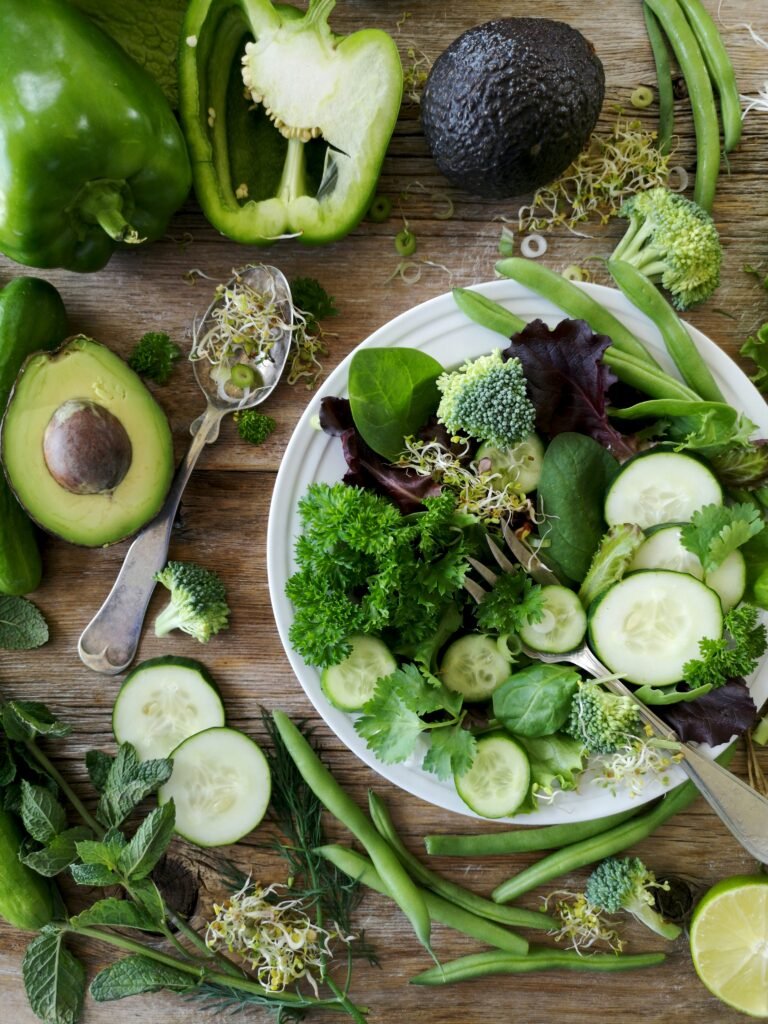
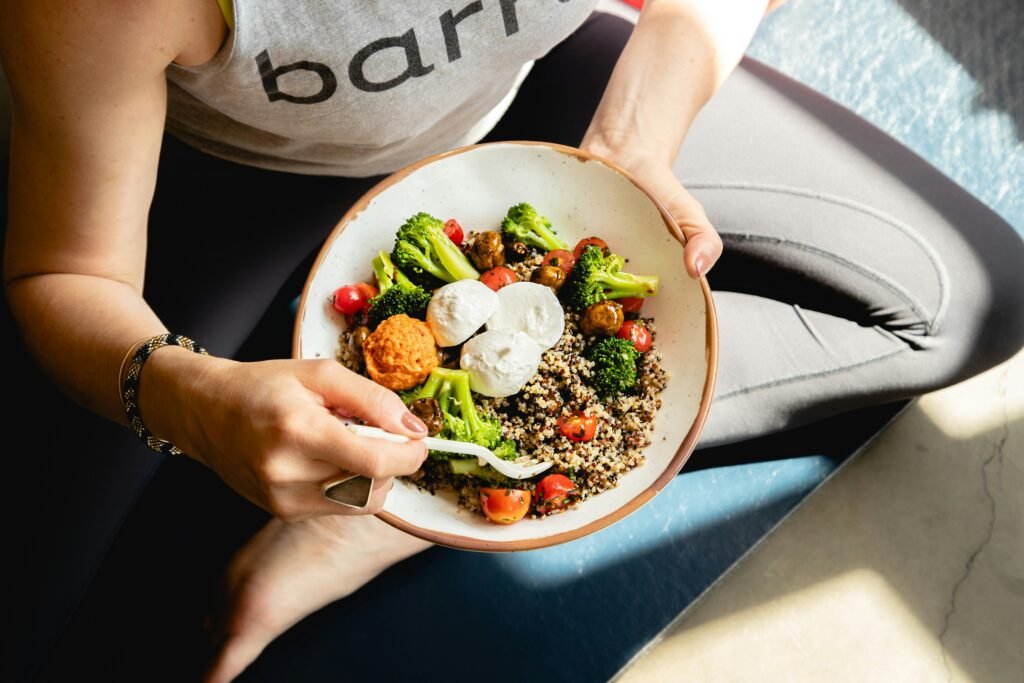
1. Eat a Balanced Diet
Build most of your meals around:
- Vegetables and fruit
- Whole grains
- Beans and legumes
- Lean sources of protein
- Fish
- Nuts and seeds
- Healthy unsaturated fats
You don’t need to follow an extreme diet.
Instead, focus on sustainable changes that you can maintain for years.
2. Watch Your Portions
Even healthy foods contain calories.
Pay attention to portion sizes and how frequently you’re eating high-calorie foods.
Try:
- Using smaller plates.
- Eating slowly.
- Paying attention to hunger and fullness.
- Limiting frequent snacking.
- Checking food labels.
- Reducing oversized restaurant portions.
Small changes can add up over time.
3. Reduce Alcohol Intake
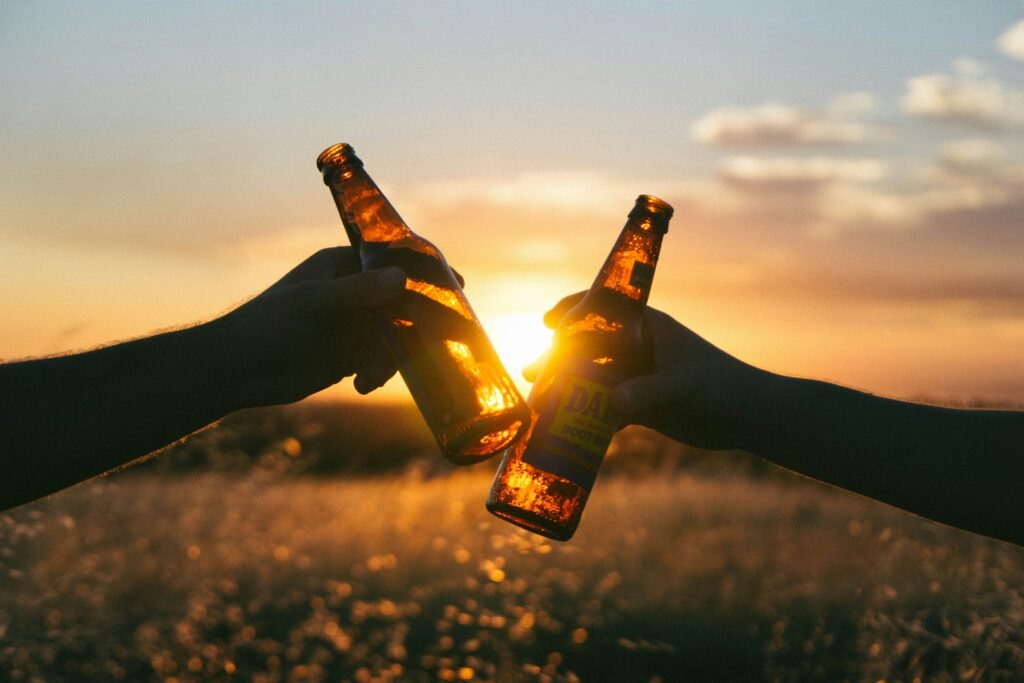
If you regularly drink beer or other alcoholic beverages, reducing your intake can help reduce your overall calorie consumption.
Alcohol provides about 7 calories per gram, and alcoholic beverages can contribute substantial calories while providing relatively few nutrients.
You don’t necessarily have to think of it as “never drink again.” Instead, consider drinking less often, choosing smaller portions, and being mindful of how alcohol fits into your overall diet.
4. Eat More Whole Grains and Minimally Processed Foods
Replacing some refined grains with whole grains may be helpful as part of an overall healthy eating pattern.
Research from the Framingham Heart Study found that higher whole-grain intake was associated with lower visceral fat, while higher refined-grain intake was associated with greater visceral fat.
Try replacing:
- White rice with brown or other whole-grain rice.
- Refined bread with whole-grain bread.
- Sugary breakfast foods with oatmeal and fruit.
- Highly processed snacks with nuts, fruit, or yogurt.

5. Exercise Regularly
A combination of aerobic exercise and strength training can help reduce body fat and maintain muscle.
Good options include:
- Brisk walking
- Jogging
- Cycling
- Swimming
- Dancing
- Hiking
- Strength training
You don’t have to exercise for hours every day.
Start with an amount you can realistically maintain and gradually build from there.

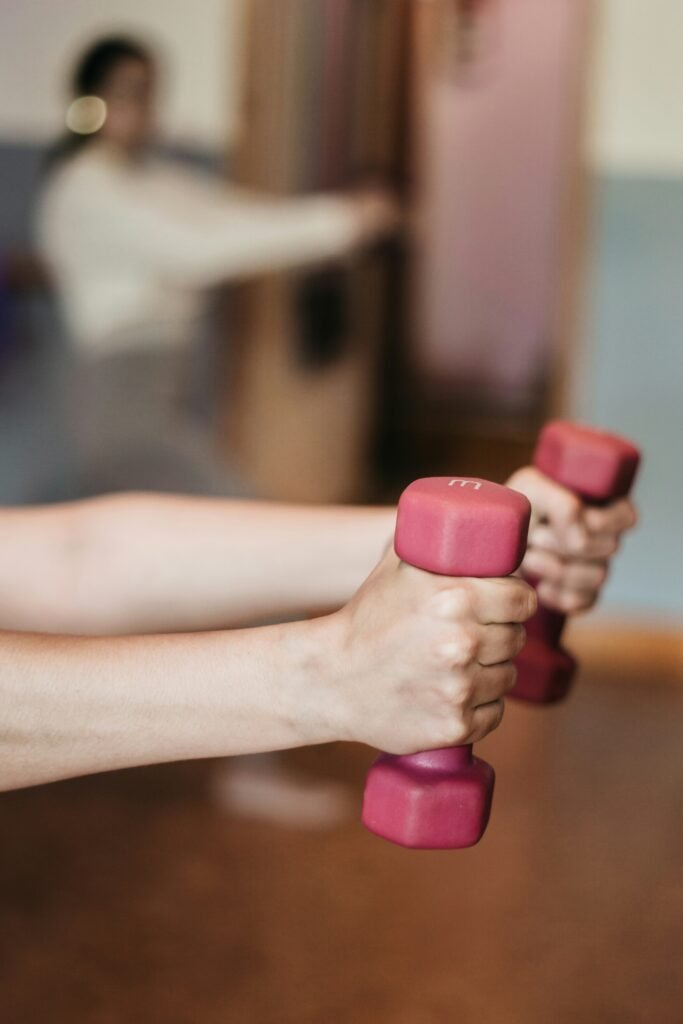
6. Build and Maintain Muscle
Strength training is particularly useful as you get older because it can help preserve or increase muscle mass.
Try exercises such as:
- Squats
- Lunges
- Push-ups
- Rows
- Resistance-band exercises
- Weight training
More muscle can help support physical function and make it easier to maintain a healthy body composition.
7. Get Enough Sleep
Sleep is often overlooked when people are trying to lose weight.
Poor sleep can affect appetite, food choices, energy, and overall health. Make adequate, regular sleep part of your weight-management strategy rather than treating it as an afterthought.
Try to maintain a consistent sleep schedule and aim for the amount of sleep recommended for your age group.

8. Manage Stress
Stress can affect eating habits, sleep, physical activity, and overall well-being.
Find healthy ways to manage it, such as:
- Walking
- Exercise
- Meditation
- Prayer
- Reading
- Spending time with family
- Doing hobbies
- Getting outdoors
You don’t need to eliminate every stressful situation. The goal is to develop healthier ways of dealing with stress.

9. Be Patient
This may be the most difficult part.
You didn’t gain belly fat overnight, so don’t expect it to disappear overnight either.
Sustainable weight loss is usually gradual. Crash diets may produce quick changes on the scale, but they can be difficult to maintain.
Focus on habits you can continue long term.
Slow and steady is still progress.
Can Crunches Get Rid of a Beer Belly?
Crunches can strengthen your abdominal muscles, but they cannot specifically burn the fat covering those muscles.
This is sometimes called spot reduction, and targeted abdominal exercises don’t selectively remove abdominal fat.
So, feel free to do crunches if you enjoy them—but combine them with a balanced diet, aerobic activity, strength training, and an overall calorie deficit if weight loss is your goal.
Your abs may become stronger underneath, but reducing the layer of abdominal fat requires an overall approach.
Final Thoughts
A “beer belly” isn’t really about beer alone.
It’s the result of a combination of factors… including overall calorie intake, alcohol consumption, physical activity, age, genetics, hormones, sleep, and eating habits.
The good news is that you don’t need to completely transform your life to start making progress.
Start by drinking less alcohol if you drink regularly. Eat more whole foods. Reduce oversized portions. Walk more. Strength-train a few times a week. Get enough sleep. Manage your stress.
And most importantly, don’t focus only on how your belly looks in the mirror.
Focus on becoming healthier, stronger, and more energetic.
If you have a large waist circumference, significant unexplained weight gain, or conditions such as high blood pressure, high blood sugar, or abnormal cholesterol, consider speaking with your healthcare provider about your overall health and an appropriate weight-management plan.
“The secret of getting ahead is getting started.”
“Do you not know that your bodies are temples of the Holy Spirit, who is in you, whom you have received from God?”
— 1 Corinthians 6:19
Final Thoughts
Your body doesn’t need punishment, it needs consistency.
You don’t have to hate your belly to want to make healthier choices. You can appreciate your body today while still working toward a healthier version of yourself tomorrow.
So, don’t obsess over the number on the weighing scale or expect a six-pack overnight.
Eat better. Move more. Drink responsibly. Sleep well. Be patient.
And remember: getting healthier is the goal—not simply getting smaller.
Sources:
- NIAAA – Alcohol Calorie Calculator — Explains the calorie contribution of alcoholic drinks and their potential role in weight gain.
- NIDDK – Factors Affecting Weight and Health — Covers diet, physical activity, genetics, sleep, and other factors affecting body weight.
- PubMed – Beer Consumption and the “Beer Belly” — Found that beer consumption was associated with waist gain, largely in relation to overall weight gain rather than a uniquely abdominal effect.
- American Journal of Clinical Nutrition – Whole vs. Refined Grains — Study examining relationships between whole/refined grains and visceral fat.
- PubMed – Food Groups and Abdominal Obesity — Meta-analysis examining food groups and risks of overweight, weight gain, and abdominal obesity.
Important: There is no single food, exercise, or supplement that specifically removes belly fat. Weight and fat distribution are influenced by multiple factors, and results vary from person to person. Health information and dietary recommendations can also be updated over time, so readers should consult a qualified healthcare professional for individualized advice.
Benefits of Having a Humidifier at Home
12 Ways To Maintain Beautiful Lips All Year Round
10 Natural Ways To Keep Your Skin Glowing All Year Round
Originally Published: February 20, 2020
Updated: August 2026





This website makes me feel good!👉👉
http://yE.RUNHAI.ME/l94702Q