Trying to conceive can be an emotional journey filled with excitement, patience, questions, and, sometimes, a little frustration.
After stopping my birth control pills, my husband and I waited several months before we finally conceived our baby. During that time, I researched different ways that might support my reproductive health, including cycle tracking, exercise, healthy eating, and herbal supplements.
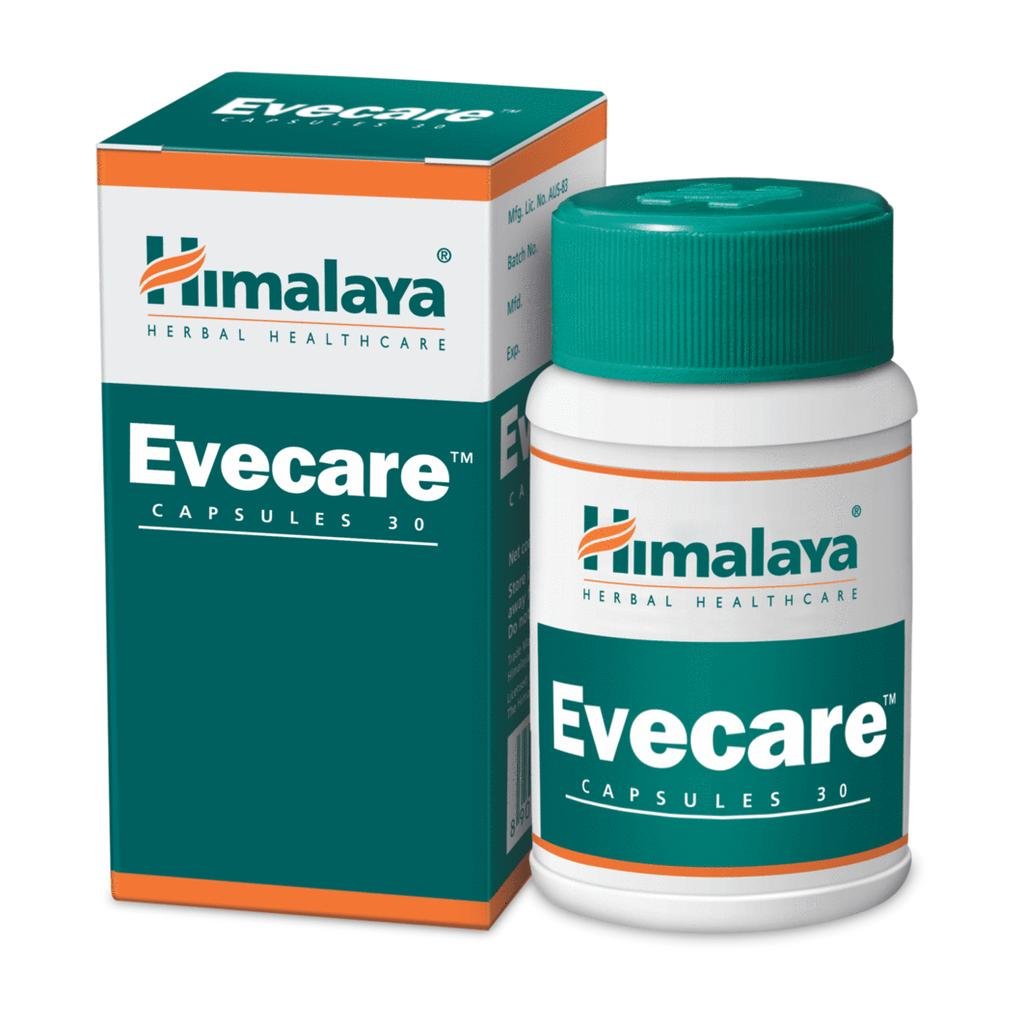
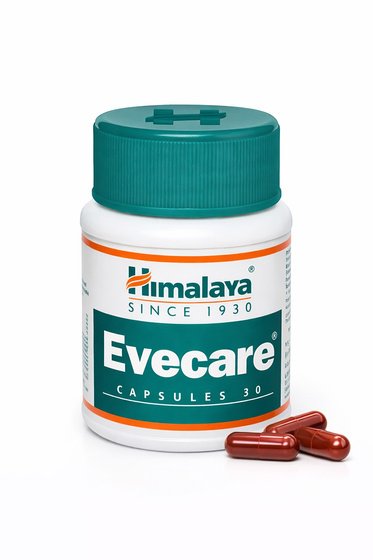
One of the products I decided to try was Himalaya Evecare.
I started taking Evecare after I stopped taking my birth control pills in March 2021. At that time, I believed it might help regulate my menstrual cycle and support my chances of conceiving. However, I want to emphasize that I started taking it based on my own research and not because it had been recommended by my doctor.
Most importantly, I cannot say that Evecare caused my pregnancy. I was also tracking my cycle, exercising, improving my diet, and trying other wellness practices during those months. My experience is therefore personal and shouldn’t be interpreted as proof that Evecare improves fertility.
Today, I’m sharing what I learned about the product, what I liked and didn’t like about it, and how it fit into my own fertility journey.
“Sometimes the longest waits lead to the most beautiful beginnings.”
What Is Himalaya Evecare?
Himalaya Evecare is an Ayurvedic herbal product marketed for women’s reproductive and menstrual health. The current Himalaya Wellness Middle East product page lists the capsule as supporting uterine health and helping with menstrual-cycle irregularities and symptoms of dysfunctional uterine bleeding. It currently lists Ashoka Tree, Asparagus, Lodh Tree, and Malabar Nut as its key ingredients.
Because herbal products can differ by country, formulation, and time of manufacture, the label on the specific product you purchase should always be checked before use.
And although the product is marketed for women’s health, that does not mean that it should automatically be used to treat infertility or menstrual disorders without medical advice.
According to ACOG, women who are planning pregnancy should discuss medications, vitamins, herbal products, and supplements with their health care provider because some herbal products may not be safe during pregnancy.
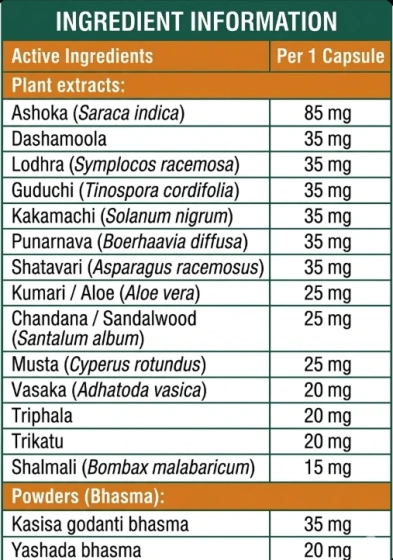
Himalaya Evecare Ingredients
Based on the current Himalaya Wellness product information, Evecare’s key ingredients include:
1. Ashoka Tree
Ashoka (Saraca asoca) is a traditional Ayurvedic botanical used in formulations intended to support women’s reproductive and menstrual health. Himalaya describes it as one of the key ingredients in Evecare.
2. Asparagus
Asparagus, or Shatavari (Asparagus racemosus), is another traditional Ayurvedic herb used in women’s health preparations. Himalaya includes it among Evecare’s key ingredients and describes it in relation to hormonal and menstrual health.
3. Lodh Tree
Lodhra (Symplocos racemosa) is traditionally used in Ayurvedic preparations for women’s reproductive health and is another key ingredient listed by Himalaya.
4. Malabar Nut
Malabar Nut (Vasaka/Adhatoda vasica) is also included in Evecare’s formulation. It has been traditionally used in herbal preparations for various purposes.
Older Himalaya product literature describes Evecare as an Ayurvedic formulation intended to support menstrual and uterine health, although formulations and product descriptions may vary between markets and over time.
What Is Evecare Used For?
According to Himalaya’s current Middle East product information, Evecare is marketed for uterine care and menstrual-cycle concerns, including irregular cycles and symptoms associated with dysfunctional uterine bleeding.
The product has also been described in Himalaya’s older scientific publications as being used for conditions such as:
- Premenstrual syndrome (PMS)
- Dysmenorrhea or painful periods
- Menstrual irregularities
- Dysfunctional uterine bleeding
These are product indications, however, and they should not be confused with strong clinical evidence that the supplement can treat infertility.
Recommended Use and Precautions
The dosage can vary depending on the specific Evecare formulation and market, so it’s important to follow the instructions on the package you actually have rather than relying on an old blog post or another person’s dosage.
The current Himalaya Middle East listing shows the product as a 30-capsule pack and advises consultation with a health professional.
My original product information stated a different dosage and treatment period. Because formulations and instructions can change, I would no longer recommend copying that historical dosage into a current treatment plan.
The safest approach is simple:
Read the current product label and ask your doctor or pharmacist whether it is appropriate for you.
This is particularly important if you’re trying to conceive, pregnant, breastfeeding, taking prescription medicines, or being treated for a medical condition. ACOG specifically recommends reviewing herbal products and supplements during preconception care.
How Did Himalaya Evecare Fit Into My Fertility Journey?
Now we get to the most personal part of this review.
I started taking Himalaya Evecare after stopping my birth control pills in March 2021.
My husband and I wanted to start building our family, so I began paying much more attention to my menstrual cycle and overall health.
I did not rely on Evecare alone.
Instead, I made several lifestyle changes at the same time.
1. I Monitored My Menstrual Cycle
One of the most useful things I did was track my menstrual cycle using a mobile app.
My cycles were generally regular, usually around 28 to 31 days, which made it easier for me to estimate when I was most fertile.
Fertility-awareness methods such as cycle tracking and ovulation detection can help couples identify the fertile window. The American Society for Reproductive Medicine notes that the fertile window spans the six days ending on the day of ovulation and that fertility-awareness methods can help with timing intercourse.
For me, this was probably one of the most practical things I did during those months.
2. I Exercised Regularly
I also tried to remain physically active.
I would jog every other day and do simple workouts indoors.
I didn’t exercise because I believed that running alone would make me pregnant. Rather, I wanted to maintain my general health and stay active while trying to conceive.
8 Health Benefits of a Daily 30-Minute Exercise
3. I Tried to Improve My Diet
I also became more conscious about what I was eating.
I incorporated more fruits, vegetables, nutritious foods, and homemade smoothies into my routine.
I wanted to make healthier choices rather than relying heavily on processed foods.
The ASRM notes that a healthy lifestyle and diet are encouraged for general health when trying to conceive, although strong evidence is lacking that particular diets or herbal remedies improve natural fertility for everyone.
4. I Tried Seed Cycling
Another thing I experimented with was seed cycling.
The method involves eating different combinations of flax, pumpkin, sesame, and sunflower seeds during different phases of the menstrual cycle.
At the time, I was very interested in anything that might help me understand and support my cycle.
Health Benefits of Seed Cycling
Again, I want to be careful here: seed cycling is a personal wellness practice, not a proven fertility treatment.
And Then We Finally Conceived
After approximately six months of trying, we finally found out that I was pregnant.
I was overjoyed.
After all the cycle tracking, exercise, healthier eating, seed cycling, and my use of Evecare, it felt like everything had finally come together.
But looking back now, I would describe the experience differently.
I cannot honestly say that Evecare was responsible for my pregnancy.
There were simply too many factors involved.
We were having regular intercourse.
I was tracking my fertile window.
I was generally healthy.
I was exercising.
I was eating better.
And, most importantly, pregnancy can occur naturally within a number of cycles for couples without infertility.
ASRM notes that approximately 80% of couples conceive within the first six months of trying, although the likelihood varies with age and other factors.
So while Evecare was part of my journey, I don’t want to present it as a fertility cure or guarantee.
What Did I Like About Himalaya Evecare?
1. It Was Affordable
When I purchased it, I paid approximately AED 24 (around USD 6.50) for a 30-capsule pack.
That was the price I paid at the time, so this should be considered a historical price rather than the current retail price.
2. It Was Easy to Find
At the time, I was able to purchase it over the counter, which made it convenient.
Today, availability and regulatory requirements can vary by country, so it is always best to purchase herbal products from reputable pharmacies or authorized sellers.
3. I Personally Didn’t Notice Any Unwanted Effects
During the period I used Evecare, I personally did not notice obvious side effects.
I also felt that my skin looked clearer during that period, including fewer pimples.
However, this was my personal observation and shouldn’t be interpreted as proof that Evecare treats acne or has that effect for everyone.
What Didn’t I Like?
Honestly, I didn’t have a major complaint about the product itself.
My biggest practical complaint was the packaging size.
The pack I purchased contained only 30 capsules, which meant I had to repurchase it fairly often.
A larger pack would have been more convenient for someone using it regularly.
Of course, current availability and packaging may be different from what I purchased in 2021.
Would I Recommend Himalaya Evecare?
This is where I would make an important change from the original version of this review.
In my original article, I said that I would recommend Evecare to women who wanted to regulate their menstrual cycles.
Today, I would be more cautious.
If you are considering Evecare for menstrual symptoms, discuss it with your doctor or pharmacist first—especially if your symptoms are heavy, painful, irregular, or persistent.
And if you are trying to conceive, I would not recommend using Evecare as a fertility treatment without medical advice.
The current Himalaya product page describes Evecare as supporting menstrual and uterine health, but that is different from establishing that it improves fertility or increases the chance of pregnancy.
The ASRM guidance also notes that robust evidence is lacking for herbal remedies as a way to improve natural fertility in people without ovulatory dysfunction.
Most importantly, ACOG recommends discussing herbal supplements with your health care professional during the period when you’re planning pregnancy.
My Biggest Lesson From This Experience
My biggest takeaway isn’t actually about Evecare.
It’s about how much we can learn when we pay attention to our bodies.
Tracking my cycle taught me about my menstrual pattern.
Exercising taught me the importance of maintaining a healthy lifestyle.
Eating better made me more conscious of nutrition.
And trying to conceive taught me patience.
Six months felt like a very long time back then.
But eventually, we got the news we had been praying for.
And suddenly, all those months of waiting felt completely worth it.
A Word From the Author
This review is based on my personal experience using Himalaya Evecare in 2021, when my husband and I were trying to conceive.
I am sharing it because product reviews are most useful when they are honest—not when they promise results.
Evecare was one small part of my fertility journey, but it was not the only thing I was doing, and I cannot prove that it caused or contributed to my pregnancy.
If you’re considering a herbal supplement because you’re struggling with your menstrual cycle or fertility, please don’t feel that you have to figure everything out alone.
Talk to your OB-GYN.
Ask questions.
Discuss your supplements.
And get to the root cause of any fertility or menstrual concerns.
Your journey may look completely different from mine—and that’s okay.
“Patience is not the ability to wait, but the ability to keep a good attitude while waiting.”
“Wait for the Lord; be strong and take heart and wait for the Lord.”
— Psalm 27:14
Looking back, I realize that my fertility journey was never really about finding one magical capsule that would make me pregnant.
It was about patience.
It was about learning.
It was about taking better care of myself.
It was about understanding my menstrual cycle and becoming more aware of my body.
And it was about trusting that our little family would grow when the time was right.
Himalaya Evecare happened to be one of the things I tried along the way.
Did it work for me?
I don’t know.
What I do know is that after about six months of trying, we finally conceived our baby.
And that experience remains one of the most beautiful and unforgettable moments of my life.
So, I hope you can read this review not as a promise that Evecare will improve your fertility, but as one woman’s personal story about trying different approaches while hoping to become a mother.
If you’re on your own fertility journey right now, be patient with yourself.
Ask for professional guidance.
Take care of your body.
Take care of your mind.
And most importantly, don’t lose hope.
Sometimes the journey takes longer than we expect—but that doesn’t mean the story won’t have a beautiful ending. ❤️
Sources
- https://himalayawellness.ae/products/himalaya-evecare-capsules-30s
- https://himalayawellness.in/products/evecare-syrup
- https://www.himalayalive.com/publications/Evecare/2014/Jul-Sep/files/assets/common/downloads/publication.pdf
- https://www.acog.org/womens-health/faqs/good-health-before-pregnancy-prepregnancy-care
- https://www.acog.org/clinical/clinical-guidance/committee-opinion/articles/2019/01/prepregnancy-counseling
- https://www.asrm.org/practice-guidance/practice-committee-documents/optimizing-natural-fertility-a-committee-opinion-2021
Enervon Multivitamins Tablet Review
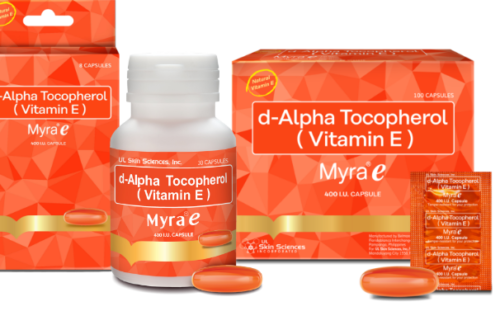
Myra 400 E Capsule Review
How The Samsung Health App Helps With My Daily Morning Run
Mena Facial Cream Review
ETIMO Red Crochet Hook Set: Product Review
Feel Free Menstrual Cup: Product Review
Originally Published: March 2, 2022
Updated: August 2026


Good thing I bump into your blog post review. Will recommend this to a friend who need most of this product
I had fertility problem and I took many supplements too. I`m glad there are products to help women dirung our journey to baby.
Wow! I have never heard of this before. But I will pass it on to my daughter!
Wow! I have never heard of this before! I will definitely share with my daughter!
That’s awesome it has syrup as well. Great review and information about this product. Thank you for sharing!
Hhhhhmmmm….no, I haven’t tried the Evecare capsules before. I will surely check them out and recommend them further.
I love that the product is all natural. It sounds like it would be very helpful.
I love that the product has all natural ingredients. It sounds very helpful.
So many benefits, and it’s affordable! Will check out this product when I have the time 🙂
Thanks for the info!!