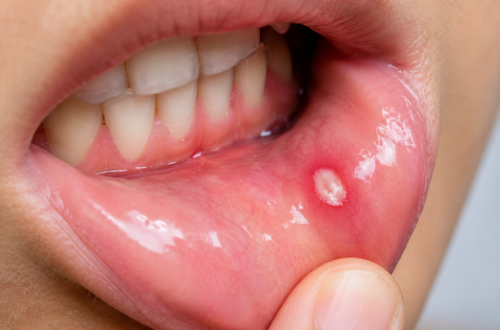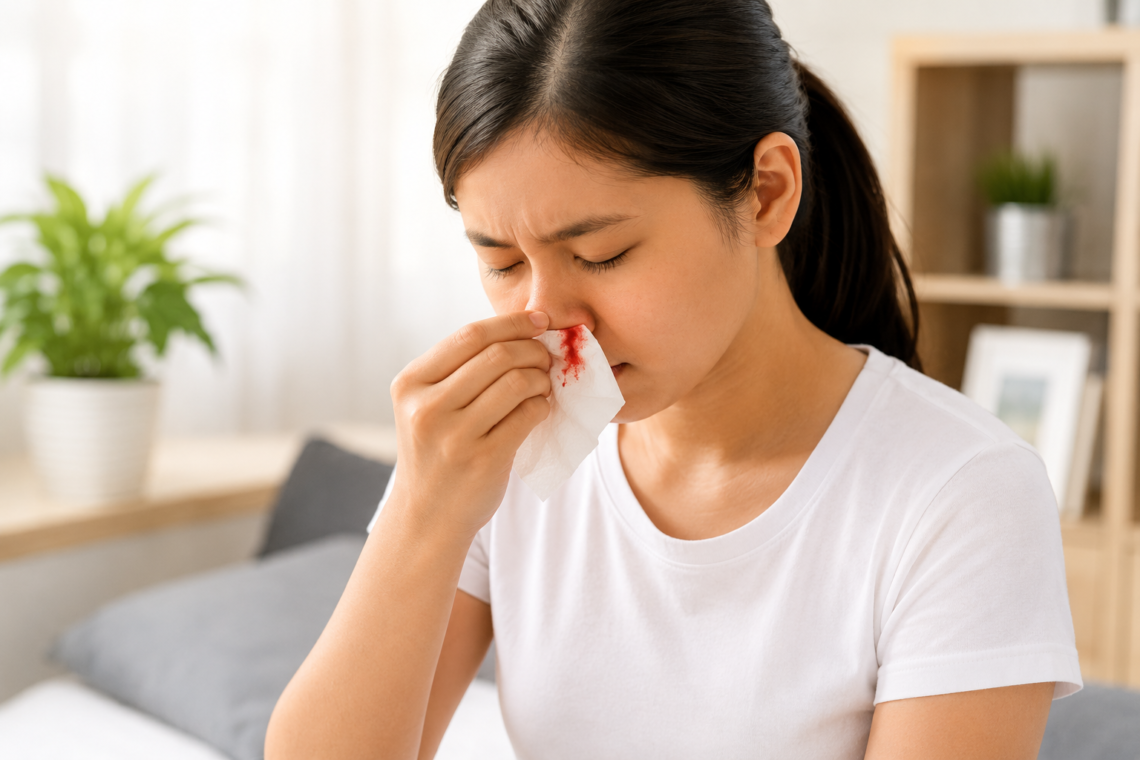
Have you ever had a nosebleed? How did you feel when it happened? Did you become alarmed or scared because you weren’t sure what to do?
Nosebleeds can certainly look frightening, especially when there seems to be a lot of blood. Fortunately, most nosebleeds are not serious and can usually be managed at home with simple first-aid measures.
In this guide, we’ll discuss what causes nosebleeds, how to stop the bleeding, when you should seek medical attention, and what you can do to help prevent them from happening again.
Important: This article is for general educational purposes and is not a substitute for professional medical advice. If bleeding is severe, persistent, or occurs after a significant injury, seek medical attention.
What Is a Nosebleed?
The medical term for a nosebleed is epistaxis. It occurs when blood vessels inside the nose break and bleed. A nosebleed may come from one or both nostrils and can range from a few drops to heavier bleeding.
The inside of the nose contains many tiny blood vessels located close to the surface. Because these blood vessels are delicate, they can be easily irritated or damaged. Most nosebleeds occur in the front part of the nose and are usually not serious.
Children, in particular, may experience nosebleeds because they are more likely to pick or rub their noses, and because the nasal lining can become dry and irritated.
Signs and Symptoms
The most obvious sign of a nosebleed is blood coming from one or both nostrils.
Other symptoms may include:
- Blood flowing from the nose into the mouth or throat
- A sensation of liquid running down the back of the throat
- Frequent swallowing
- Nausea if a significant amount of blood is swallowed
Most uncomplicated nosebleeds have no other symptoms.
What Causes Nosebleeds?
Nosebleeds can have many different causes. Some of the most common include:
- Picking or rubbing the nose
- Blowing the nose too forcefully
- Dry air that causes the nasal lining to become dry and cracked
- Changes in temperature or humidity
- Colds, sinus infections, or frequent sneezing
- Allergies
- An injury or blow to the nose
- Inserting an object into the nostril
- Frequent use of certain nasal sprays
- Taking blood-thinning medications such as aspirin or warfarin
- Blood-clotting disorders
- High blood pressure
- Pregnancy and hormonal changes
Sometimes, the exact cause of a nosebleed cannot be identified.
Who Is More Likely to Have Nosebleeds?
Although anyone can experience a nosebleed, certain groups are more prone to them, including:
- Children, particularly those between 2 and 10 years old
- Older adults
- Pregnant women
- People with high blood pressure
- People taking blood-thinning medications
- People with blood-clotting disorders
- People who live or work in dry environments
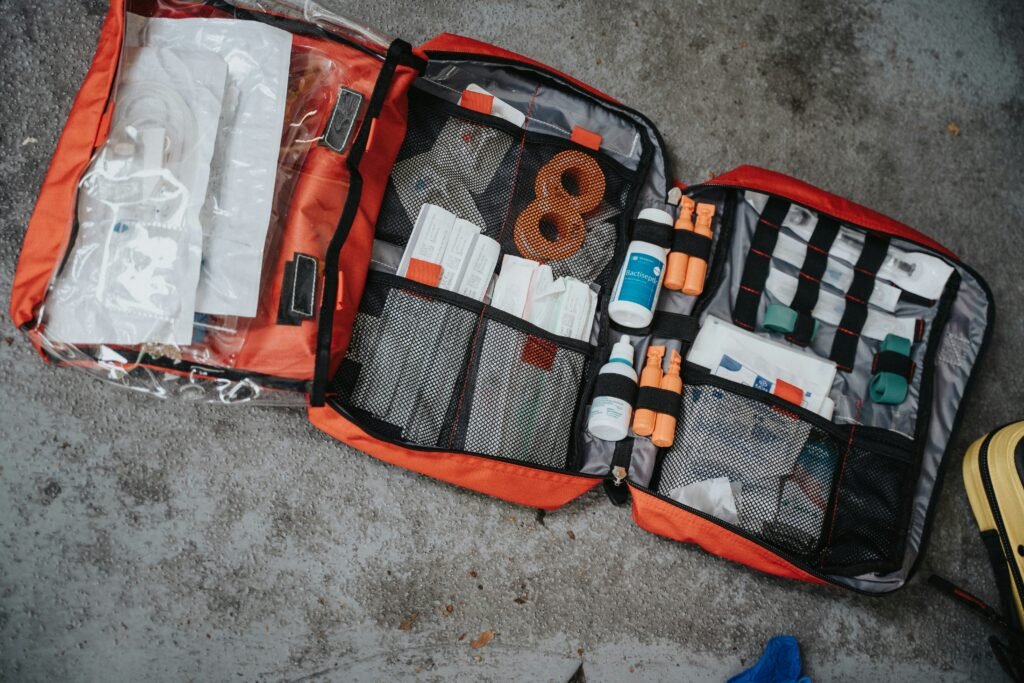
First Aid Management: What Should You Do?
If someone has a nosebleed, try to remain calm. Seeing blood can be frightening, especially for children, and reassurance can help keep them calm.
1. Sit upright and lean forward.
Have the person sit up straight and lean slightly forward.
Do not tilt the head backward. Leaning backward can cause blood to run down the throat, which may lead to coughing, choking, nausea, or vomiting.
2. Pinch the soft part of the nose.
Using your thumb and index finger, firmly pinch the soft part of the nose just above the nostrils.
Keep the pressure continuous for about 10–15 minutes without repeatedly releasing it to check whether the bleeding has stopped. Breathe through the mouth while doing this.
If it continues bleeding, repeat the pressure for another 10–15 minutes.
3. Stay calm and breathe through your mouth.
Encourage the person to breathe slowly through the mouth while continuing to pinch the nose.
If blood enters the mouth, spit it out rather than swallowing a large amount.
4. An ice pack may be used.
If desired, place an ice pack or a bag of frozen vegetables wrapped in a towel over the bridge of the nose.
However, the evidence that ice directly stops a nosebleed is limited, so the most important step is firm, continuous pressure on the soft part of the nose.
5. Avoid putting tissue or cotton inside the nose.
Do not stuff tissues, cotton balls, or other materials into the nostrils to stop the bleeding. Removing them can disturb the clot and cause the bleeding to start again.
What Should You Do After the Bleeding Stops?
Once the bleeding has stopped, try to avoid activities that could disturb the developing clot.
For the next several hours, avoid:
- Picking your nose
- Blowing your nose
- Heavy lifting
- Strenuous exercise
- Hot drinks and alcohol
Staying upright rather than lying completely flat can also help reduce the chance of another episode.
When Should You Seek Medical Attention?
Most nosebleeds can be treated at home. However, you should seek medical attention if:
- The bleeding is heavy or excessive
- The bleeding does not stop after repeated, firm pressure
- You feel weak, faint, dizzy, or lightheaded
- You have difficulty breathing
- You swallow a large amount of blood and begin vomiting
- The nosebleed occurs after a significant injury or blow to the head or face
- You take blood-thinning medication and have difficulty stopping the bleeding
- You have a known blood-clotting disorder
- You experience frequent or recurrent nosebleeds
- You develop symptoms of anemia, such as unusual tiredness, shortness of breath, or palpitations
A nosebleed in a child younger than 2 years old should also be assessed by a healthcare professional.
If the bleeding is severe or you feel faint or have difficulty breathing, seek emergency medical help.
How Can You Prevent Nosebleeds?
If you frequently experience nosebleeds, keeping the inside of your nose moist may help.
Here are some simple preventive measures:
Use a humidifier
A humidifier can add moisture to dry indoor air, particularly during cold weather or in heated rooms.
Avoid picking your nose
Try to avoid touching, scratching, or picking the inside of your nose. Keep fingernails short, especially for children.
Blow your nose gently
Avoid blowing your nose forcefully, as this can irritate or damage the delicate blood vessels inside the nose.
Consider saline nasal spray
Saline sprays or drops can help keep the nasal passages moist.
Use a nasal gel or ointment when appropriate
A healthcare professional or pharmacist may recommend a saline gel or suitable nasal ointment to help prevent dryness and crusting. If using any product inside the nose, follow its instructions carefully.
Protect your nose during activities
If you participate in activities where your nose or face could be injured, use appropriate protective equipment.
Be careful with nasal sprays
Some nasal sprays can contribute to dryness or nosebleeds when overused. Follow the instructions provided with your medication and ask a healthcare professional if you experience recurrent bleeding.
What Remedies Can Help Prevent Nosebleeds?
Dryness is a common contributor to nosebleeds. Keeping the nasal passages moist can therefore be helpful.
Some options include:
- Saline nasal spray or drops
- Saline nasal gel
- A suitable nasal ointment or petroleum-based product, when recommended and used according to appropriate instructions
- A humidifier to increase moisture in dry indoor air
However, not every product marketed for nasal care is appropriate for everyone. If you have frequent nosebleeds, allergies, are taking blood-thinning medication, or have another medical condition, it is best to ask a healthcare professional before regularly using a medicated nasal product.
For children, one of the simplest preventive measures is helping them avoid picking their noses and keeping their fingernails trimmed.
Conclusion
Nosebleeds are common, especially among children, and most are not caused by a serious underlying condition.
The most important first-aid steps are simple: sit upright, lean forward, and firmly pinch the soft part of the nose for 10–15 minutes while breathing through the mouth.
Avoid tilting the head backward or stuffing tissues and cotton into the nose.
If the bleeding is heavy, does not stop with proper first aid, happens after a serious injury, or is accompanied by dizziness, difficulty breathing, or other concerning symptoms, seek medical attention promptly.
A little knowledge about first aid can make a frightening situation much easier to handle.
Sources
“By failing to prepare, you are preparing to fail.”
— Benjamin Franklin
“The prudent see danger and take refuge, but the simple keep going and pay the penalty.”
— Proverbs 22:3
Final Thoughts
A nosebleed can happen unexpectedly, and seeing blood can make us panic. But knowing the correct first-aid steps can help us remain calm and respond appropriately. We don’t need to know everything, we simply need to know what to do, when to seek help, and when a situation requires professional attention. Learning basic first aid is one small way of caring not only for ourselves but also for the people we love.
Original Published: February 5, 2020
Updated: August 2026