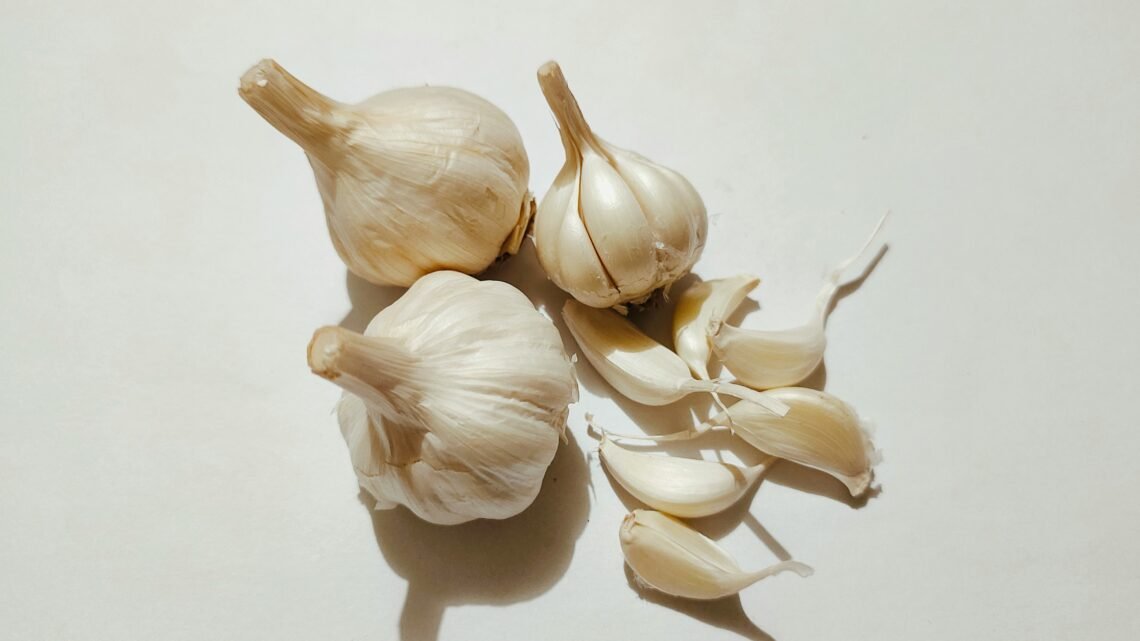
Garlic, scientifically known as Allium sativum, has been used as both a food and traditional remedy for thousands of years. It has a long history in different cultures, and its sulfur-containing compounds, particularly allicin and related compounds, are responsible for much of the interest surrounding its potential health effects.
Garlic has been studied for a wide range of health concerns, including blood pressure, cholesterol, blood sugar, immunity, and cardiovascular health. However, it is important to distinguish between garlic as a nutritious food and concentrated garlic supplements. The evidence is stronger for some benefits than others, and garlic should not be considered a replacement for prescribed medical treatment.
Garlic is also a good source of several nutrients, although we normally consume it in relatively small quantities because of its strong flavor.
Nutrients in Raw Garlic
The nutritional values of garlic vary depending on the amount consumed and how it is prepared. Raw garlic provides carbohydrates, fiber, protein, and small amounts of minerals such as calcium, iron, magnesium, and phosphorus.
One of the most interesting aspects of garlic isn’t simply its vitamin and mineral content, but its organosulfur compounds.
When raw garlic is chopped or crushed, an enzyme called alliinase converts alliin into allicin and other sulfur-containing compounds. These compounds are thought to contribute to many of garlic’s biological effects.
So, what benefits might garlic provide?
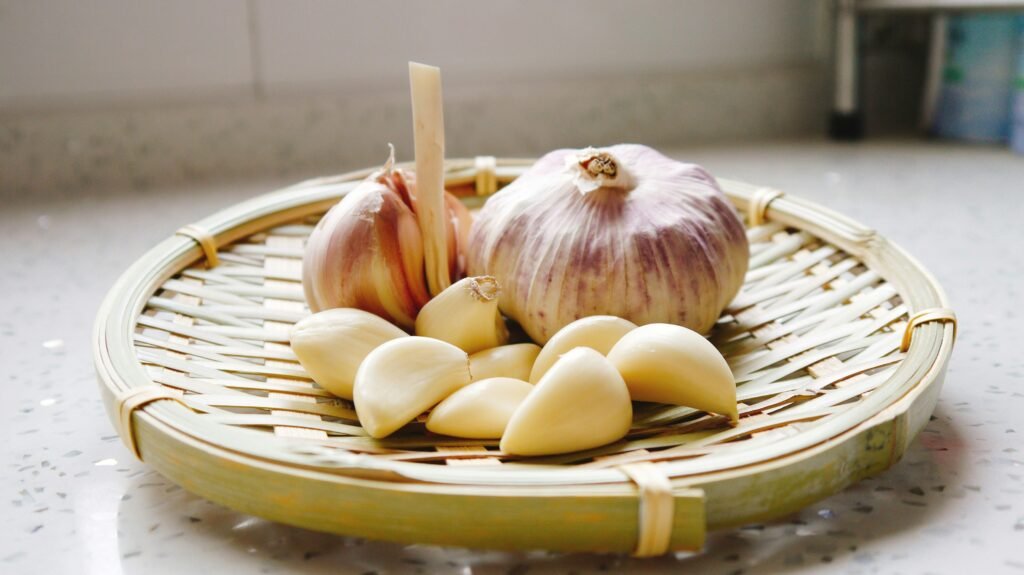
1. May Support the Immune System
Garlic has antimicrobial and antioxidant properties, which have led researchers to investigate its possible effects on immune function.
There is some evidence suggesting garlic supplements may reduce the occurrence of common colds, but the evidence remains limited. A Cochrane review found only one suitable randomized trial and concluded that there wasn’t enough high-quality evidence to establish garlic as an effective treatment or preventive measure for the common cold.
So, garlic can certainly be part of a healthy diet, but it shouldn’t be marketed as a guaranteed immune booster.
2. May Have Antifungal Properties
Certain compounds in garlic, including ajoene, have demonstrated antifungal activity.
Small clinical studies have investigated topical garlic preparations for fungal infections such as athlete’s foot, ringworm, and jock itch. Some results are promising, but this does not mean that raw garlic applied directly to the skin is safe.
In fact, fresh raw garlic can cause significant skin irritation and chemical burns when applied to the skin.
So please don’t simply place crushed garlic directly on an infected wound or rash.
3. May Support Skin Health
Garlic contains antioxidant and sulfur compounds that have been studied for their potential effects on inflammation and skin health.
However, many claims about garlic directly treating acne, psoriasis, cold sores, or other skin conditions are not supported by strong clinical evidence.
And again, don’t apply raw garlic directly to your face or damaged skin. It can cause burning, irritation, and even chemical burns.
4. May Affect Blood Clotting
Garlic and garlic supplements may have antiplatelet or blood-thinning effects.
This is one reason researchers have studied garlic in relation to blood clotting and cardiovascular health.
However, this effect can also become a safety concern.
If you’re taking anticoagulants such as warfarin, taking aspirin regularly, or preparing for surgery, talk with your healthcare provider before taking garlic supplements. Garlic may increase bleeding risk.
5. Supports Digestive Health
Garlic has traditionally been used to support digestion.
It contains sulfur compounds and other plant compounds that interact with the digestive system and gut microorganisms.
However, raw garlic can also cause heartburn, gas, abdominal discomfort, and bloating in some people.
So while garlic may be beneficial for some people, more isn’t necessarily better.
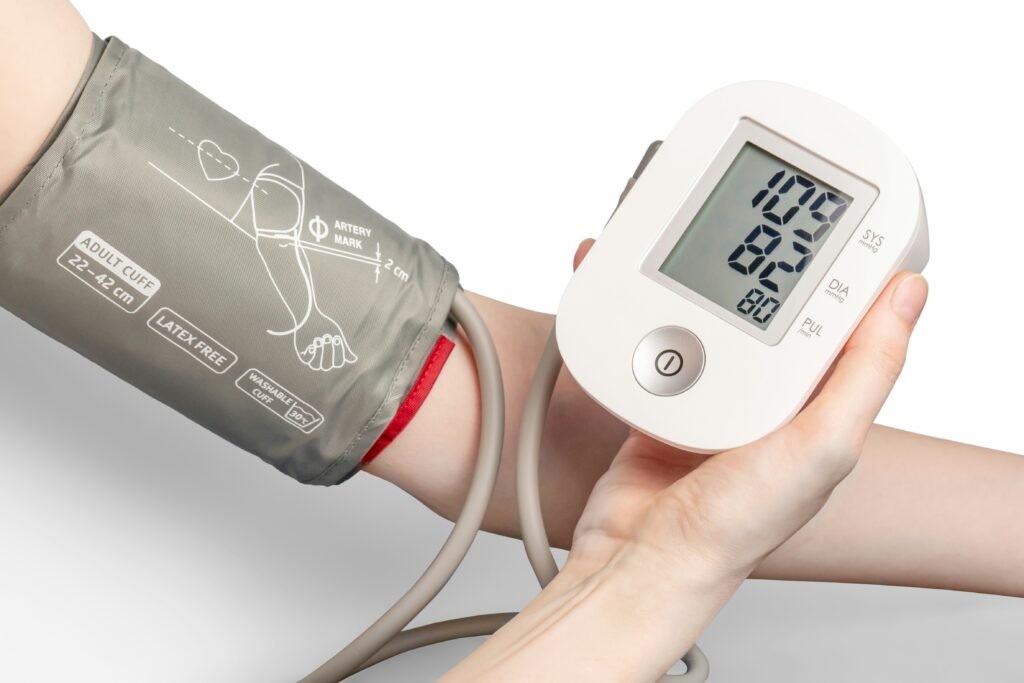
6. May Help Lower Blood Pressure
One of the better-studied potential benefits of garlic is its effect on blood pressure.
Research suggests that certain garlic preparations, especially garlic supplements, may reduce blood pressure by a small amount in people with hypertension. However, the evidence isn’t strong enough to consider garlic a replacement for blood-pressure medication.
A healthy diet containing garlic can certainly complement an overall heart-healthy lifestyle.
But if you have hypertension:
Don’t stop your prescribed medication and replace it with garlic.
7. May Help Lower Cholesterol
Garlic supplements have been studied extensively for their effects on cholesterol.
Current evidence suggests that garlic supplementation may produce a modest reduction in total and LDL cholesterol, particularly in people who already have elevated cholesterol. The effect is much smaller than that of conventional cholesterol-lowering medicines.
So garlic may be a useful addition to a healthy diet, but it shouldn’t replace prescribed cholesterol treatment.
8. May Have Anti-Inflammatory Effects
Garlic contains several compounds that have demonstrated anti-inflammatory effects in laboratory and experimental studies.
This has led researchers to investigate garlic for conditions involving inflammation.
However, laboratory findings don’t automatically translate into proven benefits for people, so more human research is needed before making strong treatment claims.
9. May Support Bone Health
Some observational research has explored relationships between garlic and bone health, particularly in postmenopausal women.
Garlic and onions contain sulfur-containing compounds that may influence bone metabolism.
However, there isn’t currently enough evidence to say that eating garlic prevents osteoporosis or replaces proven strategies for bone health such as adequate calcium and vitamin D, weight-bearing exercise, and appropriate medical care.
10. Provides Antioxidants
Garlic contains antioxidant compounds that help protect cells against oxidative stress.
Oxidative stress occurs when reactive molecules overwhelm the body’s antioxidant defenses.
Garlic’s sulfur compounds and other phytochemicals are among the reasons it continues to attract scientific interest.
Eating garlic as part of a diet rich in vegetables and other plant foods is therefore a simple way to increase your intake of beneficial plant compounds.
11. May Help Relieve Toothache – But Don’t Put Raw Garlic on Your Tooth
Garlic has antimicrobial properties, which is why it has traditionally been used as a home remedy for toothache.
However, putting raw garlic directly against your gums or tooth can irritate or burn the tissue.
If you have a toothache, the important thing is to identify the cause.
A cavity, infection, cracked tooth, or gum disease won’t be cured by garlic.
See your dentist instead of relying on a home remedy.
12. May Support Healthy Blood Sugar
Garlic supplements have been studied in people with diabetes.
According to NCCIH, garlic supplements may reduce blood sugar by a small amount in people with diabetes, although more research is needed to determine how meaningful this effect is.
Garlic should therefore be viewed as a possible dietary addition, not as a replacement for diabetes medication, healthy eating, exercise, or blood-glucose monitoring.
13. Traditional Use for Warts and Corns
Garlic has traditionally been used as a home remedy for warts and corns.
However, evidence supporting this practice is limited, and applying concentrated garlic preparations directly to the skin can cause irritation and burns.
I’d recommend talking to a pharmacist or dermatologist about safer treatments instead.
14. May Support Respiratory Health
Garlic’s antimicrobial properties have led to considerable interest in its possible role in respiratory infections.
Some studies have suggested a possible reduction in common-cold episodes with garlic supplements, but the evidence remains insufficient to recommend garlic as a reliable prevention or treatment for colds.
Garlic can certainly be part of a healthy diet during cold and flu season.
Just don’t expect it to cure an infection.
15. May Play a Role in Iron Metabolism
Some experimental studies suggest that compounds found in garlic can influence proteins involved in iron metabolism.
This is an interesting area of research, but evidence from laboratory studies should not be interpreted as proof that eating garlic will treat iron deficiency or anemia.
If you have low iron, the appropriate approach is to determine the cause and follow your healthcare provider’s treatment recommendations.
16. May Support Healthy Weight Management
Garlic has been investigated in animal and laboratory studies for possible effects on fat metabolism and body weight.
Some experimental findings are encouraging, but these results don’t establish that eating garlic alone causes meaningful weight loss in humans.
If you’re trying to lose weight, garlic can be part of a healthy diet, but there is no magic food that can replace a sustainable calorie-controlled eating pattern and regular physical activity.

17. May Help Protect Against Certain Effects of Heavy-Metal Exposure
Animal and laboratory research has investigated garlic’s sulfur compounds in relation to heavy metals such as lead.
Some studies have suggested protective effects under experimental conditions.
However, garlic should not be used as a treatment for heavy-metal poisoning.
If you suspect exposure to lead, mercury, arsenic, or another toxic substance, seek medical attention immediately.
18. May Support Sexual Health
Garlic has traditionally been regarded as an aphrodisiac, and some of its compounds may influence circulation.
However, there isn’t strong clinical evidence showing that eating garlic significantly increases libido or sexual performance.
So, while garlic may add wonderful flavor to a romantic dinner, I wouldn’t call it a proven aphrodisiac. 😊
19. Has Antimicrobial Activity Against Certain Bacteria
Garlic extracts have demonstrated antimicrobial effects against various bacteria in laboratory studies.
Researchers have investigated garlic compounds against organisms that can cause infections, including some strains of Pseudomonas aeruginosa.
However, laboratory activity doesn’t mean that eating garlic can treat a bacterial infection.
Antibiotics should never be replaced with garlic.
20. May Have Potential Benefits for Hair and Scalp Health
Garlic has been investigated in a few small studies involving certain types of hair loss.
However, evidence remains limited.
More importantly, raw garlic should not be applied directly to the scalp because it can cause irritation and burns.
If you’re experiencing significant hair loss, it’s better to identify the underlying cause with a healthcare professional.

21. May Have Antibacterial Activity Against H. pylori
Garlic contains compounds with antimicrobial activity, and researchers have investigated whether garlic may affect Helicobacter pylori, the bacterium associated with many stomach ulcers.
However, having H. pylori requires proper testing and medical treatment.
Don’t attempt to treat an ulcer by eating large amounts of garlic.
22. Traditional Remedy for Splinters
Garlic has traditionally been used in various folk remedies for removing splinters.
But placing raw garlic directly on broken skin is not advisable because it can cause irritation and chemical burns.
For a splinter, clean the area and use properly cleaned tweezers. If the splinter is deep, painful, or difficult to remove, seek medical help.
23. May Be Associated With Cancer Research
Garlic and its sulfur compounds have been investigated extensively for possible anticancer properties.
However, this is one area where we need to be especially careful.
NCCIH states that consuming garlic does not appear to reduce the risk of stomach cancer, while the evidence regarding colorectal cancer remains uncertain.
Laboratory and observational studies can be interesting, but they don’t prove that garlic supplements prevent cancer in humans.
So enjoy garlic as part of a healthy diet, but don’t take it as a cancer-prevention treatment.
24. May Support Brain Health
Garlic contains antioxidant and anti-inflammatory compounds that have been investigated for their potential effects on the brain.
Some laboratory and animal studies suggest possible neuroprotective effects.
However, there isn’t enough human evidence to say that eating garlic prevents Alzheimer’s disease or other forms of dementia.
For long-term brain health, proven lifestyle factors such as physical activity, healthy eating, social connection, adequate sleep, and managing cardiovascular risk factors remain much more important.

25. Supports the Body’s Natural Antioxidant and Detoxification Systems
The word “detox” is frequently used in wellness content, but our bodies already have sophisticated systems for processing and eliminating unwanted substances, particularly through the liver and kidneys.
Rather than saying garlic “detoxifies the liver,” it’s more accurate to say that garlic contains sulfur compounds and antioxidants that participate in biochemical pathways involved in the body’s normal defense systems.
That’s still interesting—but it doesn’t mean garlic can cleanse the body of toxins or replace medical treatment.
26. May Have Antifungal Activity
Garlic compounds such as ajoene have demonstrated activity against certain fungal organisms.
Small clinical studies have investigated topical garlic preparations for conditions such as athlete’s foot and other superficial fungal infections.
However, this does not mean raw garlic should be rubbed directly onto the affected skin. Fresh garlic can cause serious irritation and chemical burns.
Safer, evidence-based antifungal treatments are available.
27. May Help Repel Ticks
Garlic has also been investigated as a possible natural insect repellent.
One older study found fewer tick bites among people consuming relatively large amounts of garlic, but the evidence is limited and this should not be considered a reliable replacement for proven tick-repellent products.
When you’re hiking or camping in an area where ticks are common, use established protective measures such as appropriate clothing and registered insect repellents.
Garlic Supplements
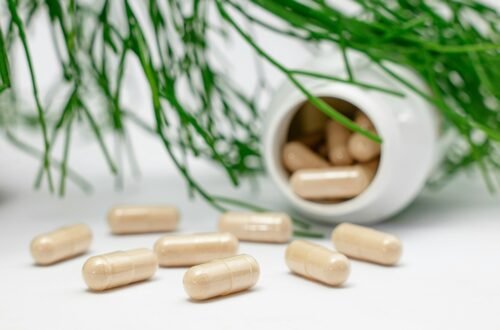
Garlic supplements come in several forms, including:
- Garlic powder
- Garlic oil
- Garlic oil macerates
- Aged garlic extract
These preparations can contain very different compounds and concentrations, so they are not interchangeable.
The amount of allicin and other sulfur compounds can also vary considerably depending on how the garlic is processed.
That’s one reason it’s difficult to give a single “correct” garlic dosage for everyone.
I would also remove the original fixed dosage recommendation from this article. There is no universally appropriate daily supplement dose for all purposes, and concentrated products can have different compositions.
Raw Garlic vs. Cooked Garlic
If you’ve ever chopped raw garlic, you’ve probably noticed its strong smell almost immediately.
That’s because chopping and crushing garlic triggers enzymatic reactions that produce compounds such as allicin.
Heating can reduce some of these compounds, particularly if garlic is cooked for a long time or at high temperatures.
This doesn’t mean cooked garlic is “bad” or ineffective.
Cooked garlic is still a nutritious food.
The important thing is simply to enjoy it regularly as part of a varied diet rather than obsessing over maximizing one particular compound.
Are There Side Effects?
Garlic is generally safe when eaten in normal food amounts.
However, larger amounts, especially supplements, can cause:
- Bad breath
- Body odor
- Heartburn
- Abdominal discomfort
- Gas
- Nausea
- Allergic reactions
Raw garlic is more likely to cause digestive irritation in some people.
Garlic supplements may also increase bleeding risk and can interact with certain medications. This is particularly important for people taking anticoagulants or preparing for surgery.
If you’re pregnant or breastfeeding, it’s especially important to distinguish normal culinary amounts from concentrated supplements. NCCIH notes that little is known about the safety of taking garlic orally in amounts greater than those found in food during pregnancy or breastfeeding.
The Bottom Line About Garlic
Garlic is an incredibly useful food.
It adds flavor without requiring much salt, contains beneficial plant compounds, and has been studied for a surprisingly wide range of potential health effects.
But some claims about garlic have become exaggerated over the years.
Garlic isn’t a cure-all.
It won’t replace blood-pressure medication.
It won’t cure an infection.
It won’t melt belly fat overnight.
And you definitely shouldn’t rub raw garlic on your skin because someone online said it is a “natural antibiotic.”
Instead, think of garlic as what it really is:
A nutritious food with interesting biological properties and some promising—but often modest or uncertain—health effects.
Final Thoughts
I love garlic.
I love it in soups, sauces, marinades, stir-fries, pasta, grilled meat, and practically anything that needs a little extra flavor.
And perhaps that’s the easiest way to enjoy its potential benefits:
Eat it as food.
You don’t need to swallow raw cloves every morning or buy expensive supplements to make garlic part of a healthy lifestyle.
Use it in your cooking.
Combine it with vegetables, whole grains, lean proteins, and other nutritious foods.
And if you’re considering a concentrated garlic supplement—especially if you take medication or have a medical condition—talk to your healthcare professional first.
“Let food be thy medicine and medicine be thy food.”
— Often attributed to Hippocrates
“Whether you eat or drink or whatever you do, do it all for the glory of God.”
— 1 Corinthians 10:31
Garlic may be small, but it certainly has a big personality.
Its strong smell, bold flavor, and long history make it one of those ingredients that has earned a permanent place in kitchens around the world.
But when it comes to health, we should always separate what sounds promising from what science has actually proven.
So add garlic to your meals, enjoy it, and let it be one small part of a much bigger commitment to eating well and taking care of yourself.
Sometimes, healthy living doesn’t need to be complicated. It can start with something as simple as adding a little garlic to dinner. ❤️
Sources
- https://www.nccih.nih.gov/health/garlic
- https://www.nccih.nih.gov/health/providers/digest/complementary-health-approaches-for-hypertension-science
- https://www.nccih.nih.gov/health/providers/digest/high-cholesterol-and-natural-products-science
- https://www.nccih.nih.gov/health/providers/digest/myth-busting-popular-natural-products-marketed-for-disease-prevention-and-wellness-science
- https://ods.od.nih.gov/factsheets/ImmuneFunction-HealthProfessional/
- https://pubmed.ncbi.nlm.nih.gov/25386977/
- https://pubmed.ncbi.nlm.nih.gov/10417874/
- https://fdc.nal.usda.gov/
- https://lpi.oregonstate.edu/mic/food-beverages/garlic
- https://www.aafp.org/pubs/afp/issues/2005/0701/p103.html
- https://www.ncbi.nlm.nih.gov/pmc/articles/PMC3074326/
12 Natural Habits To Maintain Optimal Eye Health
How To Prevent And Treat Excruciating Mouth Ulcers
Major Health And Fitness Benefits of Strength Training
Originally Published: March 9, 2020
Updated: August 2026




Great benefits and tips Garlic offers. Thanks Dianne putting them all together here for very easy thoughtful article. & Yes, insects do not like it, repels them, even flying ones like misquotes & flies. Keep putting out Great content, Life Mag is awesome with health & fitness info! Thanks Again!
Thank you for the compliments Denver! We are happy to share health and fitness awareness to everyone, and we’re glad of your appreciation. Garlic is indeed beneficial in so many different ways even since the ancient times, and there might be some more benefits out there we’re not aware of. Hope this information helps!
I love garlic. I’m so thankful they have some great health benefits.
Great to hear how you love garlic Mom Elite! It is indeed very beneficial to our overall health. Keep it up!
hi
such a well researched post. reading this post i could relate to why my dad used to take garlic as a paste combined with a few other ingredients everyday morning
Thank you for the compliments Sumit! Happy to share health and wellness information to everyone! Hmm.. garlic paste is a good idea! Will try this for sure!
Very interesting post. I have just bought some garlic last week. I should start consuming them and enjoy their health benefits. Thanks for sharing.
You’re welcome Jeph! Hope this article contributed to your pursuance of optimal health.
I use garlic in most of things i cook. i absolutely love the aroma.
Absolutely Nina! Garlic do smell good, and it has lots of good health benefits too!
I love garlic, this is great to know!
Love to hear that you like it! Keep it up.
Our family’s cooking has always included garlic — and, even if the FDA hasn’t confirmed all the benefits, I can see that what you list as positives are true, at least with respect to all of us.
It’s great to hear that your family’s already have the culture of eating garlic! And yes, it isn’t approved by the FDA yet so we really need to check with the doctor first before indulging to a diet with garlic, especially if one has an existing health condition.
I always knew that garlic had benefits but I was not aware that it had so many benefits.
That’s right Raksha! It is indeed good to know the great benefits which garlic can provide so we can be totally health aware.
Garlic is amazing! My grandma always tells me about all its benefits and I fully stand by it! Might not make magic happen, but it is certainly amazing in many ways.
Absolutely! It is wonderful in many different ways! And hope it helps you in your pursuance of optimal wellness.
I love garlic, but I didnt know how MANY benefits it had. Thank you for sharing.
You’re welcome Michele! Happy to share health and wellness information.
I eat garlic every single day, mostly raw. So OK I will be so healthy.
Wow that sounds great Jane! Hope I could eat more raw garlic. Good luck, hope you attain your goal of health and wellness!
Thank God I finally found a good website to fulfill my wishes🤩
http://OE.RUNHAI.ME/XG94702J