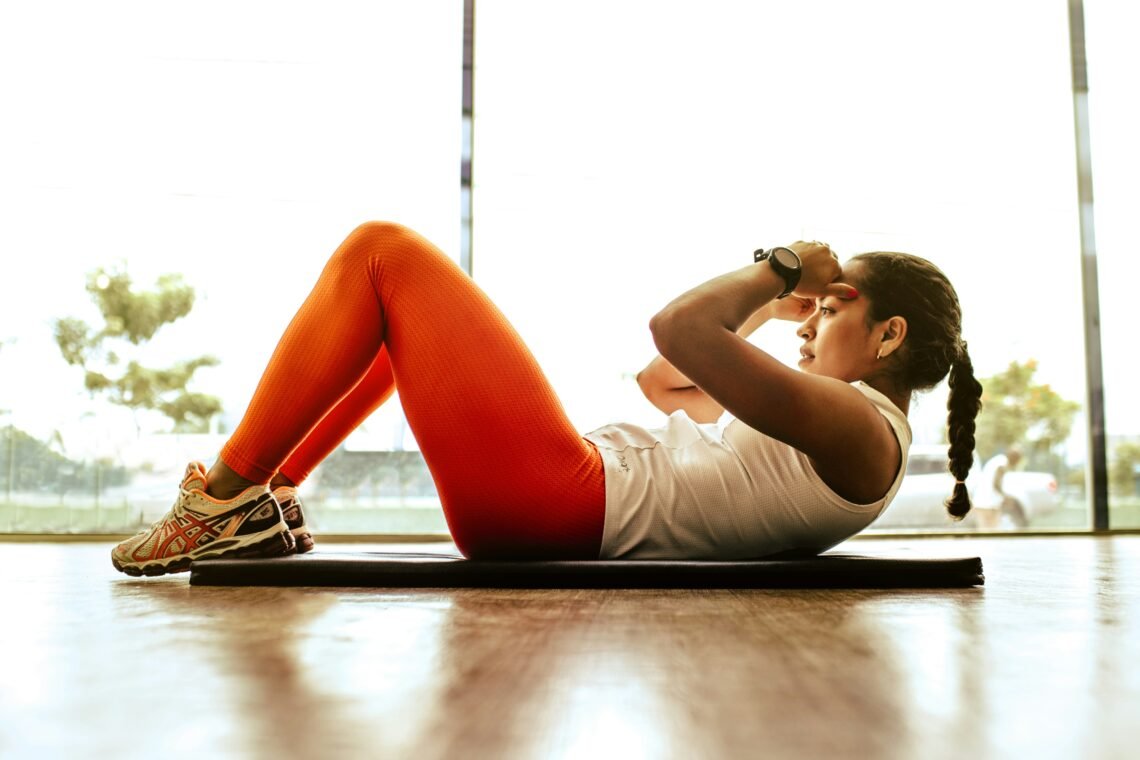
When people hear the words strength training, they sometimes imagine heavy barbells, crowded gyms, and bodybuilders lifting enormous weights.
But strength training is much more than that.
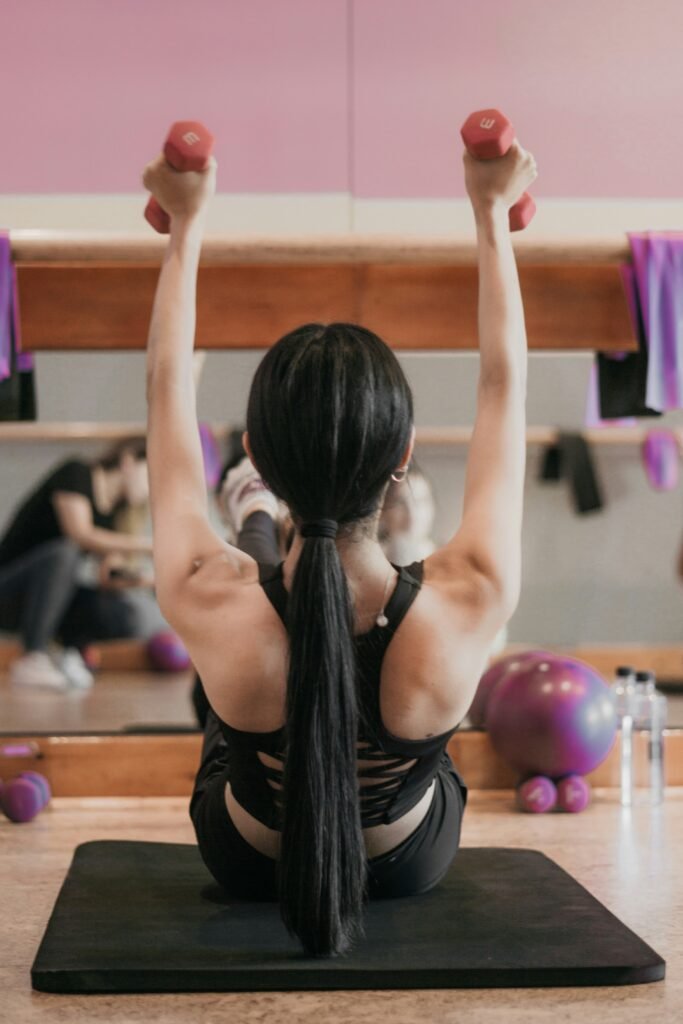
Also called resistance training or weight training, it involves making your muscles work against resistance. That resistance can come from dumbbells, barbells, resistance bands, weight machines, medicine balls, or even your own body weight.
Strength training can be useful for people of many ages and fitness levels. It can help improve muscle strength, physical function, bone health, and overall quality of life. It can also be adapted for people with certain chronic health conditions when medically appropriate.
A well-rounded exercise routine doesn’t have to consist of strength training alone. Ideally, it should also include aerobic activity, mobility or flexibility work, and balance exercises.
Current physical-activity guidelines recommend that adults perform muscle-strengthening activities on at least two days each week, involving all major muscle groups.
And the best part?
You don’t have to be a fitness expert to get started.
What Is Resistance Training?
Resistance training is any exercise in which your muscles work against an external resistance.
Examples include:
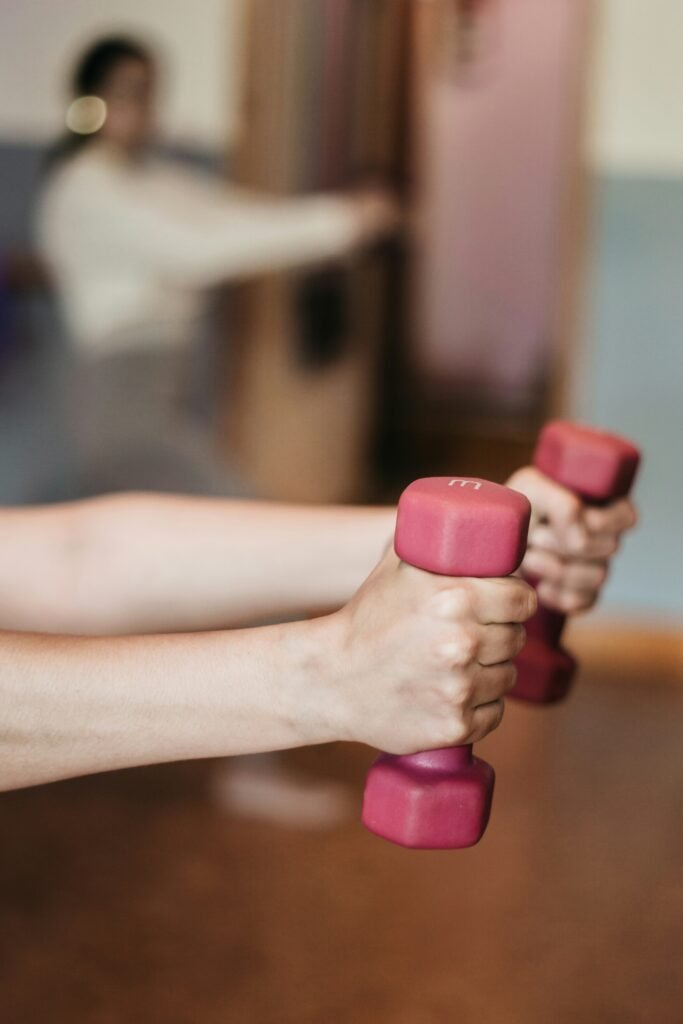
- Dumbbells
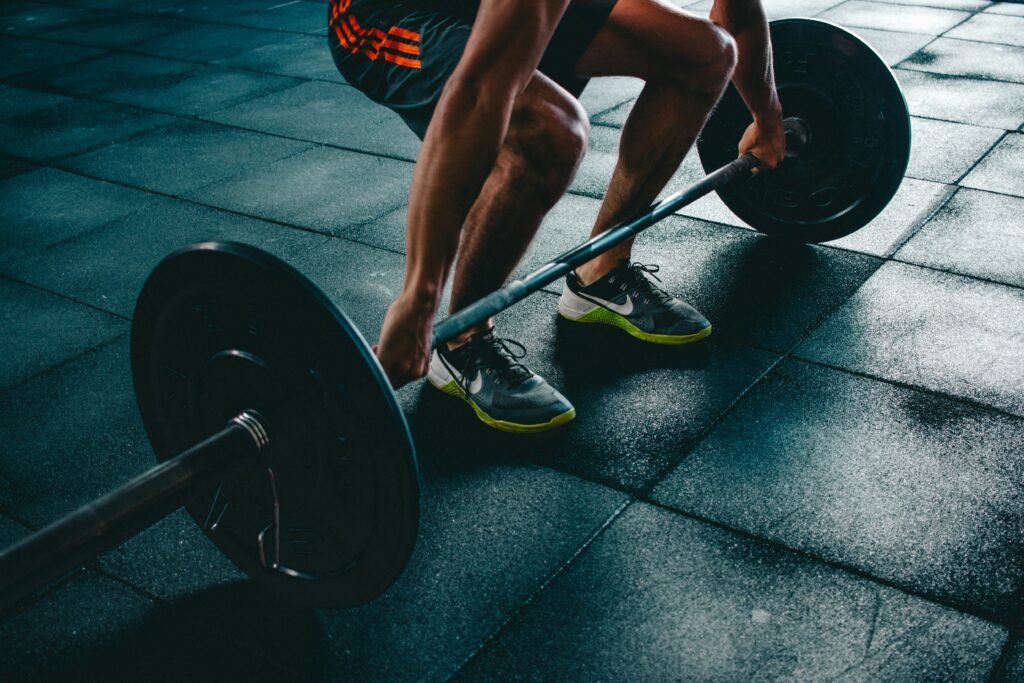
- Barbells
- Kettlebells
- Resistance bands
- Weight machines
- Medicine balls
- Suspension equipment
- Your own body weight
Exercises such as squats, push-ups, lunges, rows, and step-ups can all be used as strength-training exercises.
The goal isn’t necessarily to lift the heaviest weight possible.
Instead, it’s to challenge your muscles appropriately while maintaining good technique and gradually progressing over time.
Examples of Resistance Training
There are numerous ways to strengthen your muscles at home, outdoors, or at the gym.
Free weights: Dumbbells, barbells, and kettlebells
Resistance bands: Portable bands that provide resistance as they are stretched
Weight machines: Equipment that allows you to perform controlled resistance exercises
Suspension equipment: Systems that use body weight and gravity as resistance
Body-weight exercises: Squats, push-ups, lunges, planks, and other exercises that require little or no equipment
This flexibility makes strength training particularly convenient for people who travel, work long hours, or don’t have access to a gym.
Major Health Benefits of Strength Training
1. Improves Muscle Strength and Endurance
This is probably the most obvious benefit.
Regular resistance training makes your muscles stronger and can improve muscular endurance. Over time, this can make everyday activities easier.
Carrying groceries, climbing stairs, lifting boxes, gardening, cleaning the house, or carrying your children can all become more manageable when your muscles are stronger.
And you don’t have to become extremely muscular to benefit.
Being strong enough to comfortably handle everyday life is already a great goal.
2. Helps Maintain Muscle Mass as You Age
We naturally lose muscle mass and strength as we get older, particularly when we are physically inactive.
Strength training can help slow this decline by stimulating the muscles to maintain or build strength and size.
This becomes increasingly important with age because maintaining muscle strength supports independence and physical function.
Research in older adults has consistently shown improvements in strength and functional performance following resistance training.
3. Supports Bone Health
Strength training doesn’t only challenge your muscles.
It also places healthy mechanical stress on your bones, which can help maintain or improve bone mineral density.
This is particularly important as we age because bone density naturally decreases over time.
Maintaining strong muscles and bones can help support mobility and independence throughout life.
4. Improves Mobility, Stability, and Functional Movement
Strength isn’t just about how much weight you can lift.
It also affects how well you move.
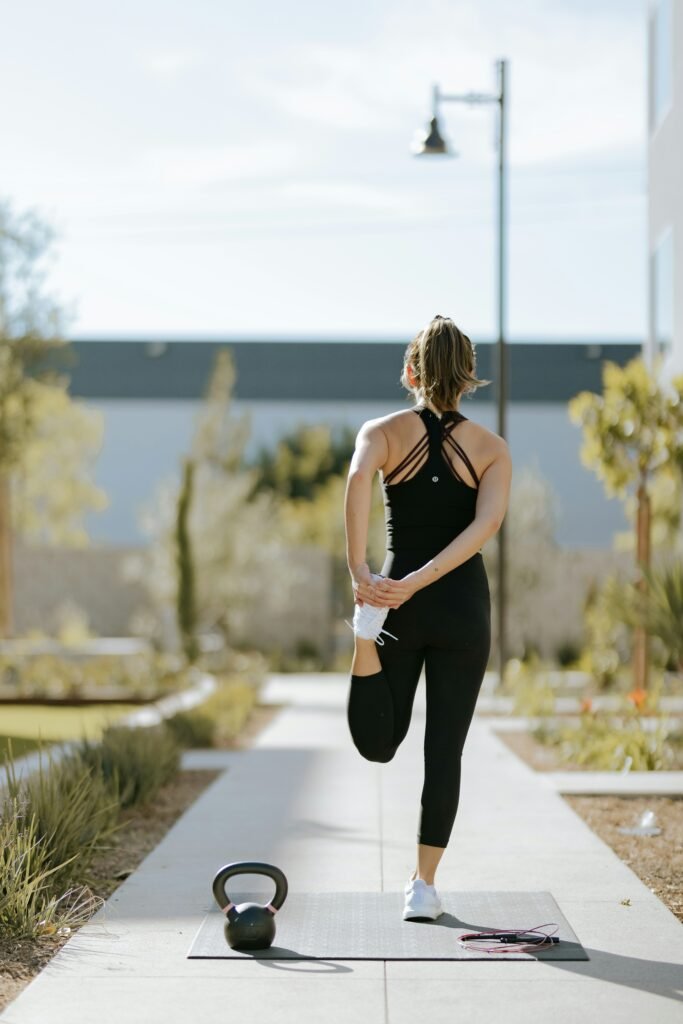
Training your legs, hips, core, back, and upper body can improve your ability to perform everyday movements safely and efficiently.
For older adults, strength and balance training can be particularly valuable because declining strength and mobility are associated with falls and loss of independence. Recent research supports the use of structured strength and balance exercise as part of fall-prevention strategies.
5. Makes Everyday Activities Easier
One of my favorite things about strength training is how practical it is.
Imagine being able to:
- Carry several grocery bags at once
- Lift a suitcase without struggling
- Move furniture more easily
- Pick up your child
- Climb stairs without feeling exhausted
- Do household chores with less effort
That’s real-world strength.
You don’t need to become the strongest person in your gym.
You simply want your body to be strong enough to support the life you want to live.
6. Can Improve Confidence and Self-Esteem
There’s something incredibly satisfying about getting stronger.
Maybe you couldn’t do a particular exercise a few months ago.
Maybe you could only lift a light weight.
Then, gradually, you improve.
You lift a little more.
You complete another repetition.
Your balance improves.
Your movements become easier.
These small achievements can build confidence and create a sense of accomplishment.
Personally, I love the feeling of knowing that I can carry something heavy without immediately asking somebody else for help.
That kind of independence feels pretty good!
7. Helps Manage Stress
Exercise can be a great way to step away from the pressures of everyday life.
Strength training gives you something specific to focus on: your breathing, your movement, your form, and the exercise you’re performing.
For many people, that focus can provide a mental break from work, responsibilities, and daily worries.
And there’s something satisfying about finishing a workout and realizing:
“Okay, I feel much better now.”
8. Supports Healthy Blood Pressure and Cardiovascular Health
Strength training can contribute to cardiovascular health even though it isn’t traditionally considered a cardiovascular workout.
Recent evidence suggests that resistance training can help lower blood pressure, including in people with hypertension.
That doesn’t mean strength training should replace aerobic exercise.
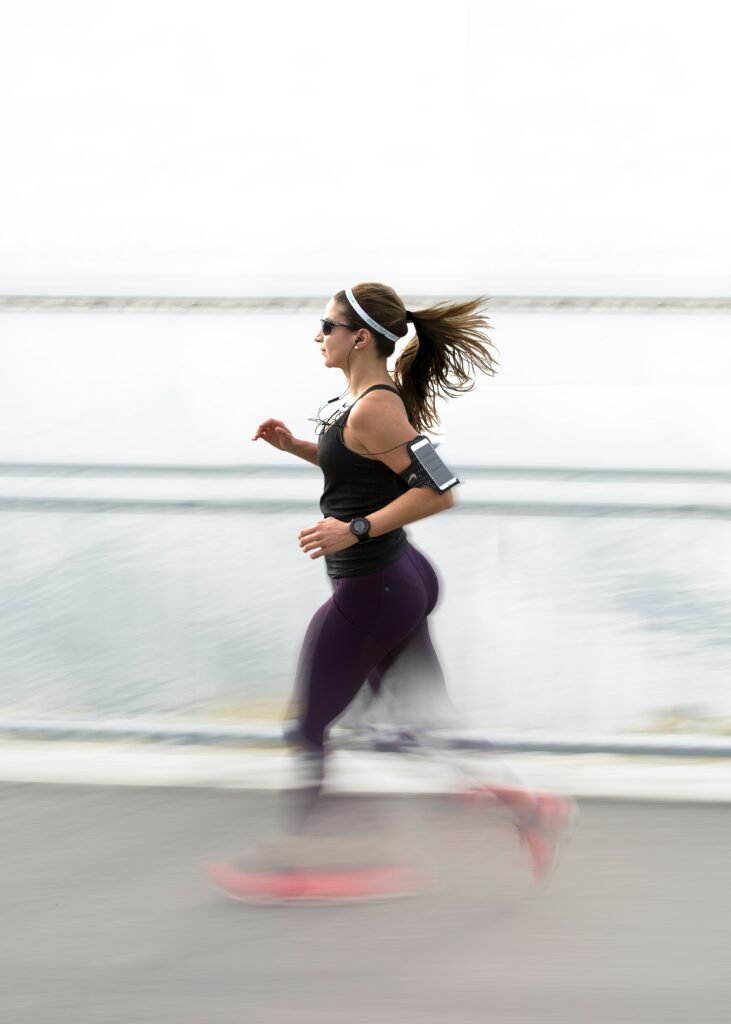
Instead, it can be an important part of a broader fitness program that includes walking, cycling, swimming, running, or other aerobic activities.
9. Helps With Weight Management
Strength training can support healthy weight management in several ways.
Building and maintaining muscle helps preserve lean body mass while you’re losing weight.
A strength workout also uses energy, and your body continues to recover and adapt after exercise.
However, it is important not to exaggerate this effect.
Strength training is not a magical calorie-burning shortcut.
For sustainable weight management, the bigger picture matters:
nutrition + physical activity + sleep + consistency.
10. Supports Healthy Blood Sugar
Your muscles play an important role in glucose metabolism.
When you exercise, muscles use glucose for energy, and regular exercise can improve how your body handles blood sugar.
Research in people with type 2 diabetes has found that resistance training can improve several metabolic measures, including blood glucose and HbA1c.
This makes strength training particularly useful as part of a broader diabetes-management plan.
Of course, people with diabetes should follow their healthcare team’s advice regarding exercise, medications, meals, and blood glucose monitoring.
11. May Reduce the Risk of Injury
Stronger muscles can help support your joints and improve your ability to control movement.
Strength training can also improve muscular coordination and functional capacity.
However, the key is proper technique and appropriate progression.
Lifting more weight than you can safely control isn’t an achievement.
A lighter weight performed with good form is far more useful than a heavier weight performed badly.
If you are new to strength training, start with manageable resistance and gradually increase the challenge.
12. May Help With Chronic Health Conditions
Regular physical activity can provide important benefits for people living with certain chronic conditions.
The CDC notes that adults with chronic health conditions or disabilities who are able to exercise can benefit from regular aerobic and muscle-strengthening activity.
Strength training can be incorporated into exercise programs for people with conditions such as:
- Osteoarthritis
- Type 2 diabetes
- Hypertension
- Some forms of cardiovascular disease
- Chronic musculoskeletal conditions
However, your exercise program may need to be modified according to your condition.
When you have a chronic condition, particularly if you haven’t exercised for a while, it’s sensible to discuss your exercise plans with your healthcare professional.
13. Helps Maintain Independence
This benefit becomes especially meaningful as we get older.
Strength isn’t just about muscles.
It’s about being able to live independently.
Being strong enough to get out of a chair, climb stairs, carry groceries, lift household objects, and move around safely can make a huge difference to quality of life.
Maintaining strength throughout adulthood can help you preserve physical function later in life.
That is one of the reasons I think strength training is valuable even for people who aren’t particularly interested in fitness.
Train for life, not just for the mirror.

14. Adds Variety to Your Fitness Routine
Let’s face it, doing exactly the same workout every day can become boring.
Strength training gives you countless ways to change things up.
You can:
- Change the exercises
- Increase or decrease resistance
- Change the number of repetitions
- Change the number of sets
- Try different equipment
- Train different muscle groups
- Adjust your pace
- Try new movement patterns
This variety can keep exercise interesting and help you stay consistent.
Basic Principles of Strength Training
A good resistance-training program usually includes several basic components.
Repetitions or Reps
The number of times you perform a movement.
Sets
A group of repetitions performed before taking a rest break.
Resistance
The weight, band tension, body weight, or other force that challenges your muscles.
Rest
Recovery between sets and training sessions allows your muscles to recover and adapt.
Progressive Overload
Over time, gradually increase the challenge by adjusting resistance, repetitions, sets, or other training variables while maintaining proper technique.
Variety
Changing exercises or training methods can help keep your workouts interesting and develop different aspects of fitness.
Recovery
Recovery is essential.
Your muscles need time to repair and adapt after training.
You don’t have to train the same muscle group every day to make progress.
A balanced routine gives different muscle groups adequate recovery time.
How Often Should You Strength Train?
For most adults, current guidelines recommend muscle-strengthening activity on at least two days each week, involving all major muscle groups.
Beginners can start with manageable sessions and gradually build up.
You don’t have to spend two hours in the gym.
A consistent, well-planned workout can be much more beneficial than occasional extreme workouts.
And remember: more isn’t always better.
Quality, consistency, and recovery matter.
Don’t Forget About the Rest of Your Fitness
Strength training is important, but it’s not the only type of exercise your body needs.
A well-rounded routine can include:
Aerobic exercise — walking, cycling, swimming, running, dancing
Strength training — weights, resistance bands, machines, body-weight exercises
Balance exercises — particularly important as we age
Mobility and flexibility work — stretching and controlled movement
Together, these components can help support overall physical fitness.
Final Thoughts
I have always believed that one of the best goals we can have in fitness is not simply looking stronger, but actually being stronger.
There’s a difference.
Being strong means being able to carry your groceries.
Being strong means lifting your child.
Being strong means climbing the stairs without feeling completely exhausted.
Being strong means being able to take care of yourself.
And most importantly, being strong means maintaining your independence as you grow older.
“Strength does not come from physical capacity. It comes from an indomitable will.”
— Mahatma Gandhi
“She is clothed with strength and dignity; she can laugh at the days to come.”
— Proverbs 31:25
Strength training doesn’t have to mean lifting huge weights or spending every day at the gym.
Start small.
Learn the movements.
Use manageable resistance.
Focus on good technique.
And slowly become stronger.
For me, that’s what makes strength training so meaningful.
It’s not about competing with the person next to you. It’s about becoming stronger than you were yesterday. ❤️
So, whether you’re training at home, in the gym, or simply using your own body weight, keep moving and keep challenging yourself.
Because being strong isn’t just about fitness.
It’s about being able to live your life with confidence, freedom, and independence.
Sources
- https://www.cdc.gov/physical-activity/basics/guidelines/index.html
- https://www.cdc.gov/physicalactivity/basics/pdfs/pa-adults-chronic-health-conditions-508.pdf
- https://health.gov/sites/default/files/2019-09/Physical_Activity_Guidelines_2nd_edition.pdf
- https://pubmed.ncbi.nlm.nih.gov/40656166/
- https://pubmed.ncbi.nlm.nih.gov/42248329/
- https://pubmed.ncbi.nlm.nih.gov/34300350/
- https://pubmed.ncbi.nlm.nih.gov/36868491/
- https://pubmed.ncbi.nlm.nih.gov/29188577/
- https://pubmed.ncbi.nlm.nih.gov/15209650/
Simple Ways To Maintain Stronger And Healthier Nails
Health Benefits of Drinking Black Coffee
14 Habits To Maintain Health Hair All Year Round
Originally Published: March 2, 2020
Updated: August 2026





I really want to do more exercises other than walking. I will ask my doctor if it would be okay for me to use resistance bands or light weight dumb bells. I want to get my body to be stronger and more resistant to illness.
That’s right Kristine! It is always best to consult with your doctor about it firsthand. Hope it will be okay for you since strength training will be very beneficial for your attainment of optimal health and wellness.
Really enjoyed reading all of this and felt very empowered. Fitness is a big part of my life and it’s great to read this lost and refresh myself on what I’m gaining from training (that rhymes pretty damn well 😂)
Johnny | Johnny’s Traventures
https://johnnystraventures.com
It did rhyme beautifully John! Thank you for sharing your experience! Hope you continue attaining your goal of optimal health and wellness through strength training and performing other kinds of exercises.
I definitely need to start the strength training. Something that I have been wanting to start for a long time now.
That’s great news Raksha! It’s a indeed a good decision to start having a healthy and active lifestyle. Good luck!
Great health benefits,great outcome.
Thank you Steph, hope this article helps!
For sure, working out improves agility and mental health too! I loved the principles summarised at the end – not many people realize rest is key in fully experiencing benefit of the workout. Over working muscles while they’re sore can cause injury!
Absolutely Vasundhra! Thank you for taking time to read our article, we appreciate it a lot. Hope this helps in your attainment of optimal health and wellness. It’s true that our muscles need time to repair, so that it can buildup and tone itself further. You will see the results after some hard work. Good luck!
Great post, the shared suggestion and information is wonderful as well as it is the need to start the strength training.
Thank you World In Eyes! Hope this article helps.
Thanks for this great reminder & workout ideas for a healthy lifestyle, I am practising plank daily while stay home & work from home for COVID19 prevention 🙂
cheers, siennylovesdrawing
You’re welcome Sienny! Plank is one of the exercises which is very helpful not only for toning our muscles but also it’s a good cardio and strengthening exercise. Keep it up and good luck to your pursuance of optimal health and wellness!
We just had a disccusion session with my auntie talking about how to pass time and she highly recommended being fit and excersies.
Indeed Fransic! It’s really important to be physically well and active especially during this quarantine period. There are different workout exercises we can indulge in.
I can’t wait to get back to stregth training! I miss it so much!
That’s right Wendy! Hope gyms will be open soon and this crisis go away soon.
We use a lot of strength and conditioning training at our dojo for our Tae Kwon do students. So many athletes can benefit from all you speak of!
That sounds amazing Lavern! Thank you very much for sharing us this information. Strength training really has a lot of health benefits as well as Tae Kwon Do training which helps us become stronger physically, mentally and as a whole.
Reading your article made me miss the gym. i hope the lockdown ends soon.
That’s right Neil! We really miss going to the gym too! Praying this crisis go away soon.
Thanks for this tips and I love to workout too and have a healthy body
You’re welcome Nathalie! Exercising truly benefits our body not only through physically but it also helps us attain an optimal overall health.
Thank you for reminding us the importance of good workout! I will start one step at a time.
You’re welcome Blair! Regular exercising is indeed of paramount importance in attaining optimal health.
Your articles are very informative . i love to read and share. Now days due to corona am not going to gym but at home some of these exercises am gonna try ..stayhome
Thank you Markhor, hope this article helps in maintaining overall health even though we are facing this kind of situation.
I can’t wait until we can get back to some bit of normal! I need to get back to working out!
That’s true MomDoc! Hope this crisis go away soon, missing gym so much.
So true! I really need to get on my fitness and exercise!! So behind !!
Thank you Kevine! Hope this article helps on your goal of attaining overall health and wellness..
Thanks for the insights. I definitely need to get my fitness and exercise routine in order.
Thank you Kevine! Hope this article helps on your goal of attaining overall health and wellness!
Great insights! I definitely need to get my fitness and exercise routine in order.
Thank you Kevine! Hope this article helps on your goal of attaining overall health and wellness.
No, no, no. Dude, I can’t hide it from you anymore! I am immersed in all the wonderful love stories and can’t stop.🙆♀🙆♀️
http://Zq.RUNHAI.ME/TU94702S