
Milk has been part of people’s diets for thousands of years and remains a convenient source of several important nutrients.
Cow’s milk provides protein, calcium, phosphorus, vitamin B12, riboflavin, and other nutrients, and many milk products are also fortified with vitamin D. Dairy foods such as yogurt and cheese can provide similar nutrients, although their nutritional profiles differ.
For many people, milk can be part of a balanced diet. However, it isn’t essential for everyone, and people who are lactose intolerant, allergic to milk, or who simply don’t consume dairy can obtain many of the same nutrients from other foods and fortified alternatives.
So, what are the potential benefits of including milk in your diet?
Let’s take a closer look.
1. Provides Important Nutrients
Milk has an impressive nutritional profile.
Depending on the type of milk, one cup can provide approximately 8 grams of protein along with calcium, phosphorus, potassium, riboflavin, and vitamin B12. Many cow’s milk products are also fortified with vitamin D.
Some of the important nutrients found in milk include:
- Calcium — supports bones and teeth and helps with normal muscle and nerve function.
- Protein — helps build and maintain muscles and other tissues.
- Phosphorus — works with calcium to support bones and teeth and is involved in energy metabolism.
- Potassium — helps regulate fluid balance and supports normal muscle and nerve function.
- Vitamin B12 — is important for red blood cells and normal nerve function.
- Riboflavin (vitamin B2) — helps the body convert food into energy.
- Vitamin A — supports normal vision and immune function.
- Vitamin D — helps the body absorb calcium and supports bone health when milk is fortified with it.
The exact nutritional content varies depending on whether you choose whole, low-fat, skim, lactose-free, or fortified milk.
For example, whole milk contains more fat and calories than skim milk, while plant-based beverages can have very different amounts of protein and other nutrients.
So, don’t forget to check the nutrition label when comparing products.
2. May Help Support a Healthy Weight
Milk is not a magical weight-loss drink, but it can be a useful part of a balanced diet.
Its protein content can help you feel fuller after eating, which may make it easier to manage your overall food intake.
Research on dairy and body weight has produced mixed results, although some studies have found that dairy consumption is associated with a lower risk of overweight or obesity. This does not mean that drinking more milk automatically causes weight loss. (pubmed.ncbi.nlm.nih.gov)
If you’re trying to manage your weight, consider choosing a milk that fits your calorie and nutritional needs and pay attention to flavored varieties, which can contain substantial amounts of added sugar.

3. Supports Healthy Skin Through Good Nutrition
Milk contains several nutrients that are important for normal skin function, including protein, vitamin A, riboflavin, and vitamin B12.
However, it’s important to be careful with the claim that drinking two glasses of milk a day will automatically give you glowing skin. There isn’t enough evidence to make that promise.
Your skin benefits much more from an overall healthy lifestyle that includes a balanced diet, adequate sleep, hydration, sun protection, and appropriate skincare.
Interestingly, research has found an association between dairy consumption and acne in some populations, although the evidence is not conclusive and varies according to the type of dairy product and individual characteristics. (pubmed.ncbi.nlm.nih.gov)
So, milk can provide useful nutrients, but it isn’t a guaranteed beauty treatment.
4. Helps Support Strong Bones and Teeth
This is one of the best-established nutritional benefits of milk.
Milk provides calcium and phosphorus, while fortified milk can also provide vitamin D. These nutrients work together to support healthy bones and teeth. (ncbi.nlm.nih.gov)
Calcium is particularly important throughout childhood and adolescence, when the body is building bone mass, but it remains important throughout adulthood as well.
The important thing to remember is that milk is one source of calcium—not the only one.
Other sources include:
- Yogurt
- Cheese
- Calcium-fortified soy beverages
- Some leafy green vegetables
- Calcium-set tofu
- Certain fish
A varied diet can provide the nutrients your bones need.

5. Helps With Hydration
Milk contains a high percentage of water, so it does contribute to your daily fluid intake.
It also contains electrolytes and nutrients, which can make it a useful beverage as part of a balanced diet.
However, water remains the simplest and most important beverage for everyday hydration.
So if you’re thirsty, you don’t need to reach for milk instead of water. Both can fit into a healthy diet, depending on your nutritional needs.
6. Provides High-Quality Protein
Milk contains complete protein, meaning it provides all nine essential amino acids that the body cannot make on its own.
Protein is needed for:
- Muscle maintenance
- Tissue repair
- Growth and development
- Enzyme and hormone production
- Immune function
One cup of cow’s milk typically provides about 8 grams of protein.
This can be particularly useful for people who need more protein in their diet, including older adults who are trying to maintain muscle mass.
Research has linked dairy consumption with measures of muscle mass and physical performance in older adults, although milk should be considered one part of an overall protein-rich diet rather than a stand-alone solution. (pubmed.ncbi.nlm.nih.gov)
7. May Be Associated With Several Health Benefits
Milk and dairy products have been studied in relation to several chronic health conditions.
An umbrella review of systematic reviews and meta-analyses found that milk consumption was more often associated with potential health benefits than harm, including associations with lower risks of cardiovascular disease, stroke, hypertension, metabolic syndrome, and some other conditions. However, these are largely associations, not proof that drinking milk directly prevents these diseases. (pubmed.ncbi.nlm.nih.gov)
This distinction is important.
Milk shouldn’t be marketed as a medicine or as a way to prevent chronic disease by itself. Your overall diet, physical activity, sleep, genetics, smoking status, and other lifestyle factors matter much more.

8. Provides Nutrients That Support Normal Energy and Well-Being
Milk contains protein, carbohydrates, fats, and several B vitamins.
Because of this combination, milk can be a convenient snack or part of a meal and can contribute to your daily energy and nutrient intake.
Its carbohydrates come primarily from lactose, a naturally occurring milk sugar.
Rather than thinking of milk as an instant energy booster, it’s better to view it as a nutrient-rich food or beverage that contributes to your overall diet.
And yes, a warm glass of milk at the end of a long day can still be comforting—even if the relaxation is more about the routine than a special medicinal effect. 😊
9. Can Be Part of a Heart-Healthy Diet
Milk can fit into a heart-healthy eating pattern, but the type you choose matters.
Whole milk contains more saturated fat than low-fat or skim milk. For people who need to reduce saturated-fat intake, lower-fat options may be more appropriate.
At the same time, research on dairy foods and cardiovascular health is more complicated than simply labeling all dairy as either “good” or “bad.” Overall dietary pattern matters. (pubmed.ncbi.nlm.nih.gov)
If you’re concerned about cholesterol, blood pressure, or heart disease, choose dairy products according to your healthcare provider’s advice and your overall nutritional needs.
10. Easy to Include in Everyday Meals
One of the biggest advantages of milk is its versatility.
You can easily include it in:
- Oatmeal — for a creamy breakfast.
- Smoothies — combined with fruits and vegetables.
- Soups — for texture and flavor.
- Coffee — as part of your daily drink.
- Yogurt-based dishes — depending on your dietary preferences.
- Cooking and baking — in countless recipes.
Milk doesn’t have to be consumed by itself to be useful. It can simply be one ingredient in a balanced meal.

How Much Milk Do You Need?
There isn’t one universal amount of milk that every adult should drink.
Current dietary recommendations generally consider dairy or fortified alternatives as one possible source of important nutrients, and the amount needed depends on age, overall diet, calorie needs, and individual health circumstances.
You can get calcium and other nutrients from milk, yogurt, cheese, fortified soy beverages, and other foods.
So, rather than forcing yourself to drink a specific number of glasses every day, aim for an overall diet that provides the nutrients your body needs.
Precautions and Concerns
Milk can be nutritious, but it isn’t suitable for everyone.
Lactose Intolerance
People with lactose intolerance have difficulty digesting lactose, the natural sugar found in milk.
Common symptoms include:
- Bloating
- Gas
- Abdominal pain
- Diarrhea
- Nausea
Importantly, lactose intolerance doesn’t necessarily mean you must completely eliminate all dairy. Many people can tolerate small amounts, yogurt, hard cheeses, or lactose-free milk. (niddk.nih.gov)
Milk Allergy
Milk allergy is different from lactose intolerance.
A milk allergy involves an immune reaction and can cause symptoms such as hives, vomiting, wheezing, or, in severe cases, anaphylaxis.
Anyone with a known milk allergy should follow their healthcare provider’s advice and avoid the foods that trigger their reaction.

Added Sugar
Flavored milk can contain significant amounts of added sugar.
If you’re drinking milk regularly, plain or unsweetened varieties may be preferable, depending on your nutritional goals.
Kidney Disease
People with certain kidney conditions may need to monitor their intake of nutrients such as potassium, phosphorus, and protein.
If you have kidney disease, speak with your healthcare provider or dietitian before significantly changing your milk or dairy intake.
Acne
Some research has found an association between dairy, particularly milk, and acne in certain groups. However, the evidence is mixed and doesn’t establish that milk causes acne in everyone. (pubmed.ncbi.nlm.nih.gov)
If you notice that your acne consistently worsens after consuming certain dairy products, discuss this with a dermatologist or healthcare professional rather than eliminating nutritious foods unnecessarily.
Milk Alternatives
If you don’t drink cow’s milk, there are plenty of alternatives.
Fortified soy milk is nutritionally one of the closest plant-based alternatives to cow’s milk because it can provide a similar amount of protein.
Other options include:
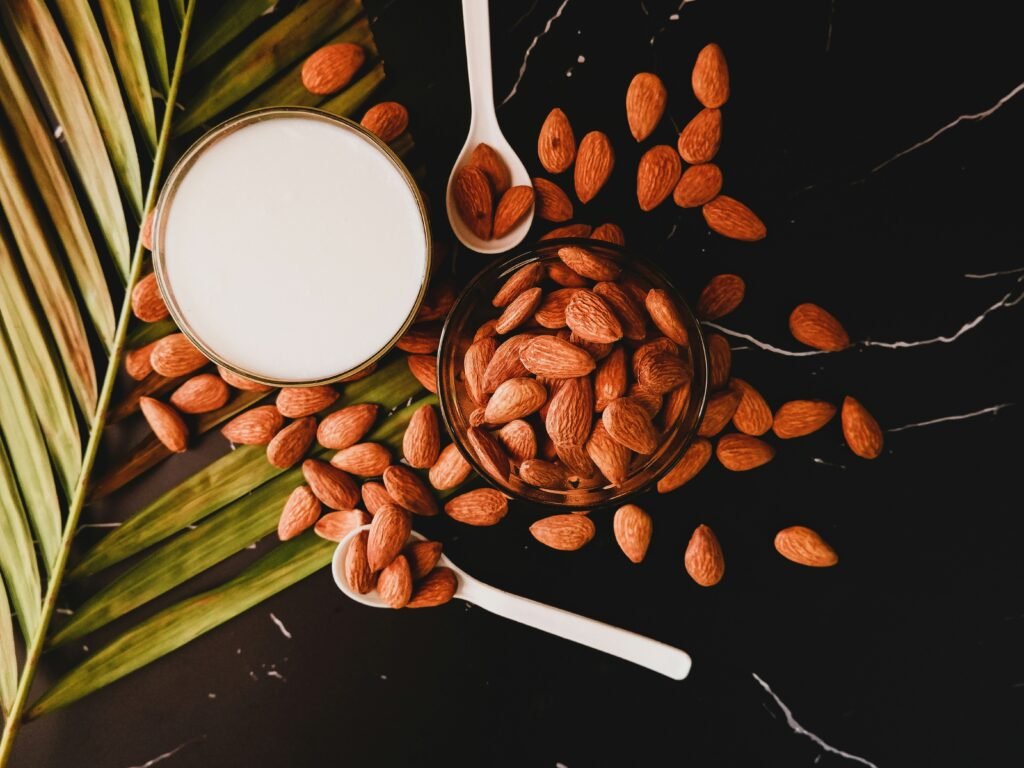
- Almond milk
- Oat milk
- Rice milk
- Pea-protein milk
- Coconut beverages
However, nutritional content varies considerably between products.
When choosing a plant-based alternative, check the label for:
- Protein
- Calcium
- Vitamin D
- Vitamin B12
- Added sugar
Final Thoughts
Milk can be a nutritious and convenient part of a balanced diet, particularly because it provides protein, calcium, phosphorus, and several vitamins and minerals.
But it isn’t a miracle drink, and more isn’t necessarily better.
Some people love milk, some don’t tolerate it well, and others simply prefer alternatives. That’s completely okay. What matters most is getting the nutrients your body needs from a varied and balanced diet.
So, drink milk if you enjoy it and it fits your nutritional needs—but don’t feel pressured to drink it simply because someone says it’s the secret to perfect health.
“Health is a relationship between you and your body.”
“I will praise you, for I am fearfully and wonderfully made; marvelous are your works, and that my soul knows very well.”
— Psalm 139:14
Final Thoughts
Our bodies need many different nutrients, and no single food can provide everything.
Milk can certainly be part of that picture, but so can vegetables, fruits, whole grains, legumes, fish, nuts, seeds, and many other nutritious foods.
The goal isn’t to drink more milk. The goal is to nourish your body well. ❤️
And whether your favorite is cow’s milk, lactose-free milk, fortified soy milk, or another alternative, choose what works best for your body and your lifestyle.
Sources / Resources
- NIH/National Academies – Bone Health and Osteoporosis — Calcium, vitamin D, and nutrition’s role in maintaining healthy bones.
- NIDDK – Lactose Intolerance — Symptoms, causes, diagnosis, and dietary considerations.
- PubMed – Milk Consumption and Multiple Health Outcomes — Umbrella review of systematic reviews and meta-analyses on dairy and health outcomes.
- PubMed – Diet and Acne — Review of evidence concerning dairy intake and acne.
- PubMed – Dairy Intake and Acne: Meta-analysis — Examines the association between dairy intake and acne in young people.
- PubMed – Lactose Intolerance and Bone Health — Reviews lactose intolerance, dairy avoidance, calcium intake, and bone health.
Important: Nutrition guidance can change as research develops, and individual needs vary. This article is for general information and shouldn’t replace advice from a doctor or registered dietitian, particularly if you have kidney disease, a milk allergy, lactose intolerance, or another medical condition.
Beer Belly: Causes, Health Risks, and How to Get Rid of Belly Fat
Benefits of Having a Humidifier at Home
12 Ways To Maintain Beautiful Lips All Year Round
Originally Published: February 23. 2020
Updated: August 2026





I love milk too!
Enjoyed reading this super informative post. Thanks for sharing.
You’re welcome! It’s great that this super drink is one of your favorites…
I love drinking milk every morning and night it helps me to go sleep at night because I have insomnia and I having hard time to sleep. Love this post!
Thank you! Milk is truly a powerful drink beneficial for maintaining overall health.
My children could not live in a world without milk which they drink on a daily basis. Although, I don’t drink milk by itself, but I adore cheese, so I guess, I am getting some of the benefits.
Sure thing, dairy and other milk products are truly beneficial for health. Your healthy kids seems to be benefiting much from it too.