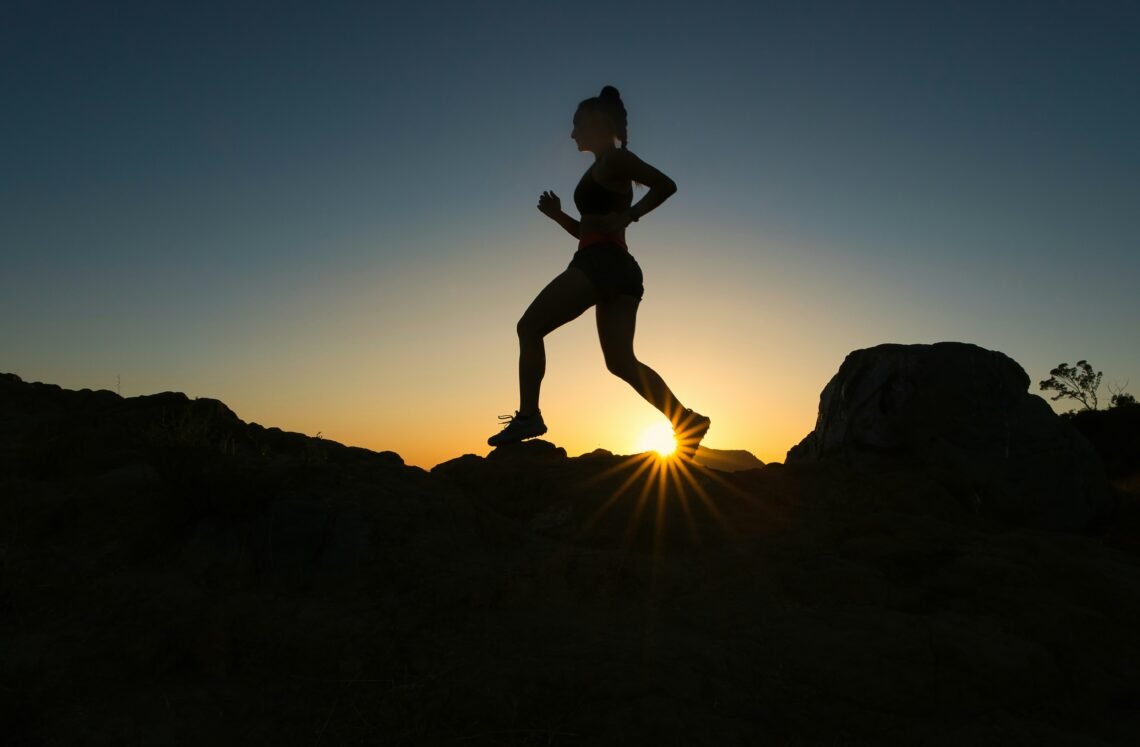
Cramping, bleeding, bloating, fatigue, and mood changes can make even a simple 30-minute workout feel nearly impossible. If you’ve ever wondered whether you should exercise during your period, you’re definitely not alone.
For many women, the first few days of menstruation are uncomfortable enough to make them want to skip their usual workout routine. And that’s completely understandable. However, having your period doesn’t necessarily mean you have to stop being active.
In fact, gentle to moderate exercise may help ease some common menstrual symptoms, including cramps, mood changes, and fatigue. The key is to listen to your body and adjust your workout according to how you’re feeling.
So, what exercises are best during your period? Are there activities you should avoid? And what can you do to make exercising more comfortable?
Let’s take a closer look.
Myths vs. Facts
Before we talk about the benefits, let’s clear up a few common misconceptions about exercising during your period.
MYTH 1: It’s not safe to exercise during your period.
FACT: For most healthy women, exercising during menstruation is generally safe. You don’t necessarily have to stop your normal activities just because you have your period. However, you may want to reduce the intensity if you’re experiencing significant fatigue, pain, or discomfort.
MYTH 2: You automatically gain weight just before your period.
FACT: Hormonal changes can cause temporary water retention, bloating, and changes in body weight around your period. This doesn’t necessarily mean you’ve gained body fat.
MYTH 3: You automatically burn more calories when you exercise during your period.
FACT: Menstruation itself doesn’t mean you’ll automatically burn more calories during exercise. Energy expenditure can vary throughout the menstrual cycle, but it shouldn’t be used as a reason to push yourself harder.
Benefits of Exercising During Your Period
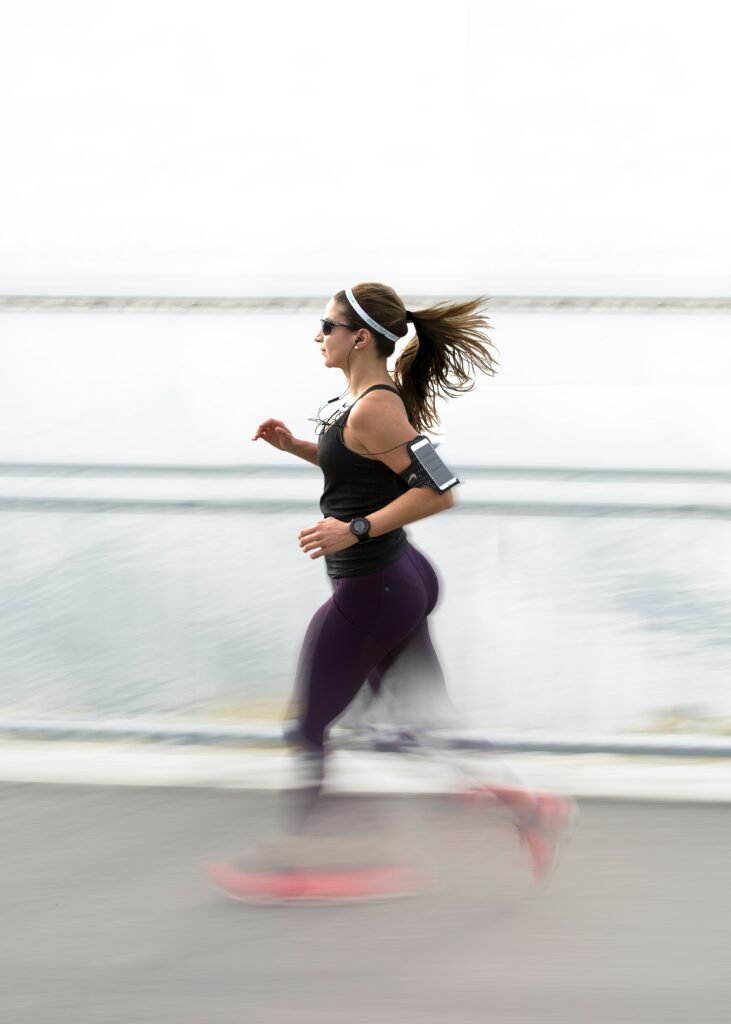
Having your period doesn’t mean the benefits of physical activity suddenly disappear. In fact, staying active may help you feel better physically and emotionally.
“Both progesterone and estrogen are at their lowest during the entire length of the period phase of the menstrual cycle, which can make people feel tired and less energetic.”
Dr. Christopher Hollingsworth
At the same time, remember that everyone’s menstrual experience is different. What feels comfortable for one woman may feel exhausting for another.
Here are some potential benefits of staying active during your period.
1. May Help Reduce PMS Symptoms
Premenstrual syndrome (PMS) refers to physical and emotional symptoms that occur before menstruation. These may include bloating, fatigue, breast tenderness, acne, irritability, and mood changes.
Regular aerobic exercise may help improve some PMS symptoms and can also support your overall physical and emotional well-being.
When you’re physically active, you may also feel less bloated and sluggish, which can make those uncomfortable days a little easier.
“The more active you are and more regular you are with your activity, the better your periods end up being, less cramping, less heavy flow.”
— Stacy Sims, PhD
2. May Boost Your Mood
Exercise encourages the release of endorphins, chemicals produced naturally by the body that can help improve mood and reduce the perception of pain.
This may be especially helpful when you’re dealing with irritability, sadness, or low energy during your period.
Even a short walk can give you a mental break and help you feel more refreshed.
3. Can Help You Maintain Strength and Fitness
Your energy and performance can change throughout your menstrual cycle. Some women feel perfectly capable of maintaining their normal strength-training routine during their period, while others may feel more tired.
There’s no need to completely stop exercising if you feel well enough to continue.
However, if you’re experiencing significant fatigue or discomfort, reduce the weight, intensity, or duration of your workout.
The goal isn’t to prove how strong you are. The goal is to take care of your body.
4. May Improve Your Mood and Overall Well-Being
Exercise increases blood circulation and can help you feel more energized.
Physical activity may also help reduce feelings of stress, sadness, and irritability. This can be especially helpful during a time when hormonal changes may affect your mood.
You don’t need to complete an intense workout. Sometimes, a gentle walk, stretching session, or yoga routine is enough to make you feel better.
5. May Help Reduce Menstrual Pain
Dysmenorrhea, commonly known as menstrual cramps or painful periods, can be extremely uncomfortable.
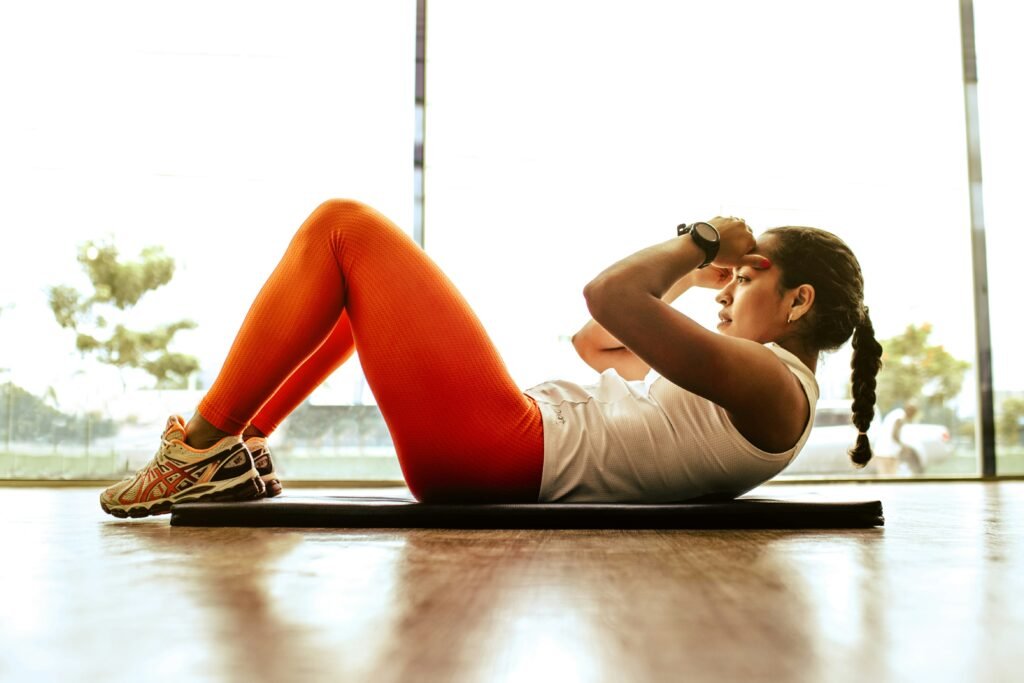
Regular physical activity may help reduce menstrual pain for some women. Exercise doesn’t necessarily have to be intense to be beneficial.
Even something as simple as taking a couple of 15-minute walks throughout the day can help you stay active while giving your body a chance to move.
6. Can Help You Feel More Comfortable
Some women find that light physical activity helps reduce the feeling of being sluggish or uncomfortable during menstruation.
A gentle workout can help you move your body, improve circulation, and give you a mental break from focusing on menstrual discomfort.
Again, the most important thing is to pay attention to how you feel.
Best Exercises to Do During Your Period
The first few days of your period may be the most uncomfortable, especially if you experience heavier bleeding or stronger cramps.
During those days, you may want to choose exercises that involve gentle movements rather than pushing yourself to your limit.
Here are a few options:
1. Light Walking
Walking is one of the easiest exercises you can do during your period.
You don’t need special equipment, a gym membership, or a complicated routine. You can simply walk around your neighborhood, at home, or somewhere comfortable.
You can also control your pace according to how you feel.
2. Light Cardio or Aerobic Exercise
If you’re feeling well enough, you can continue with your normal cardio routine but reduce the duration or intensity if necessary.
A shorter workout is perfectly fine.
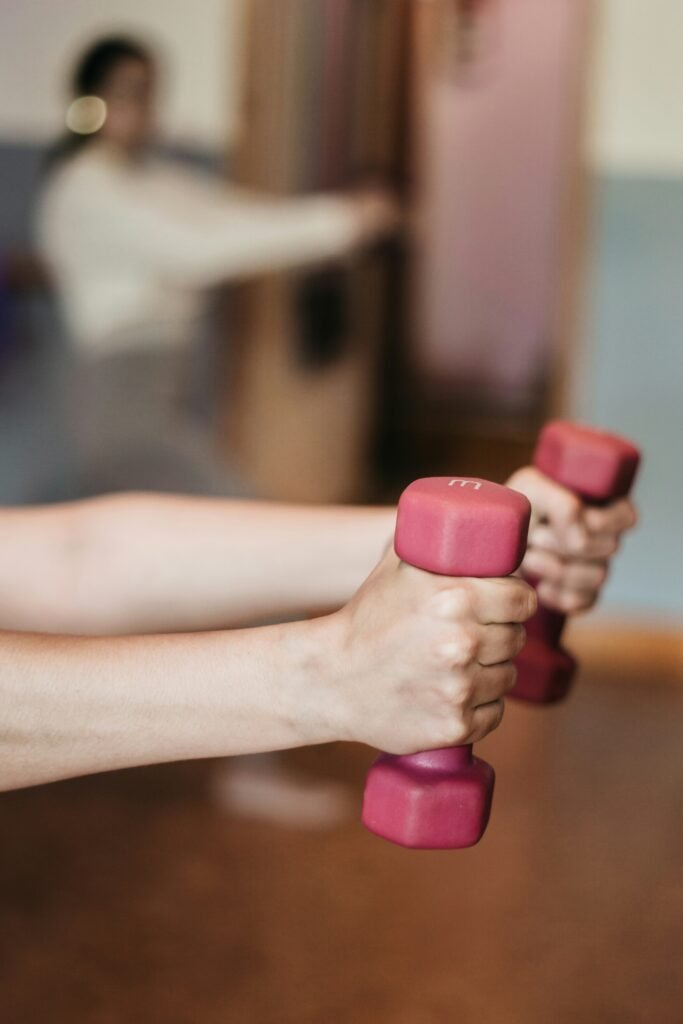
3. Low-Volume Strength Training
If you enjoy strength training, you don’t necessarily have to stop during your period.
However, if you’re experiencing fatigue, consider reducing the amount of weight, repetitions, or overall volume.
There is no need to force yourself through a heavy workout when your body is asking for rest.
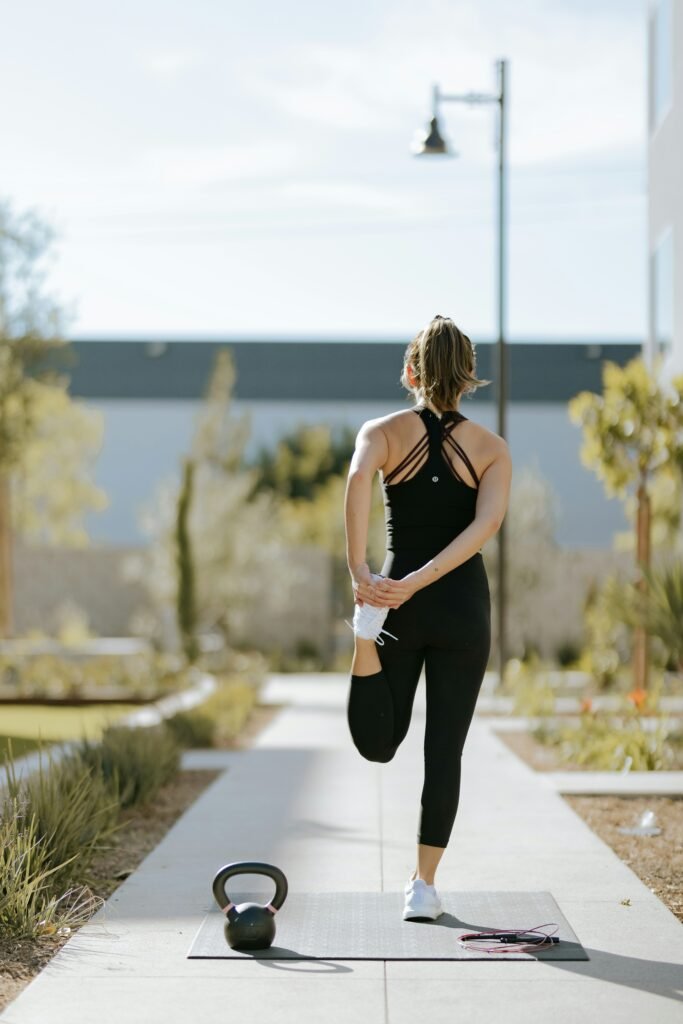
4. Gentle Stretching and Yoga
Gentle stretching can help relax tense muscles and may provide relief from some menstrual discomfort.
Yoga can also be a relaxing way to stay active when you don’t feel like doing a more intense workout.
5. Pilates and Tai Chi
Pilates can help with flexibility, mobility, and core strength, while Tai Chi combines gentle movements with controlled breathing and may help reduce stress.
The best exercise is ultimately the one you enjoy and can comfortably perform.
Don’t Forget These Tips
Stay Hydrated
Drink enough fluids throughout the day, especially if you’re sweating during exercise.
Keeping hydrated can also help you feel better when you’re experiencing bloating, constipation, or fatigue.
You don’t need to force yourself to drink a specific amount every few minutes. Simply keep water nearby and drink according to your thirst and activity level.
Keep Period Protection With You
Exercise may make you more aware of menstrual flow, so be prepared.
Wear the period product that you’re most comfortable using during exercise. You may also want to bring an extra pad, tampon, or change of underwear, especially if you expect heavier bleeding.
Wearing comfortable, breathable clothing can also make your workout more enjoyable.
Consider Pain Relief If Appropriate
If menstrual cramps are making exercise difficult, some over-the-counter pain relievers may help.
However, medications such as ibuprofen or acetaminophen aren’t appropriate for everyone. Always follow the package directions and check with your healthcare provider if you’re unsure which medication is safe for you.
Exercises to Avoid or Modify During Your Period
There isn’t a universal list of exercises that every woman must avoid during menstruation.
Instead, consider modifying or stopping an activity if it causes pain, dizziness, unusual fatigue, nausea, or significant discomfort.
1. Extremely Strenuous Workouts
You don’t necessarily have to stop exercising, but there’s no reason to push your body beyond its limits.
If your usual workout suddenly feels much harder than normal, decrease the intensity or take a rest day.
Remember: rest is also part of fitness.
2. Exercises That Make You Feel Unwell
If an exercise causes significant pain, dizziness, nausea, or unusual weakness, stop and rest.
Don’t subscribe to the idea of “no pain, no gain” when your body is clearly telling you something is wrong.
3. Activities You Are Not Comfortable Doing
If you’re worried about leakage, heavy bleeding, or discomfort, choose an activity that makes you feel secure.
There’s nothing wrong with replacing a gym session with a walk, stretching, or simply taking a day off.
One important correction from the original draft: there is no good medical evidence that yoga inversions during menstruation stop menstrual flow, cause reproductive problems, or damage the uterus. You don’t need to avoid inversions simply because you’re menstruating. If a particular position feels uncomfortable, however, skip it.
Be Careful About Overexercising
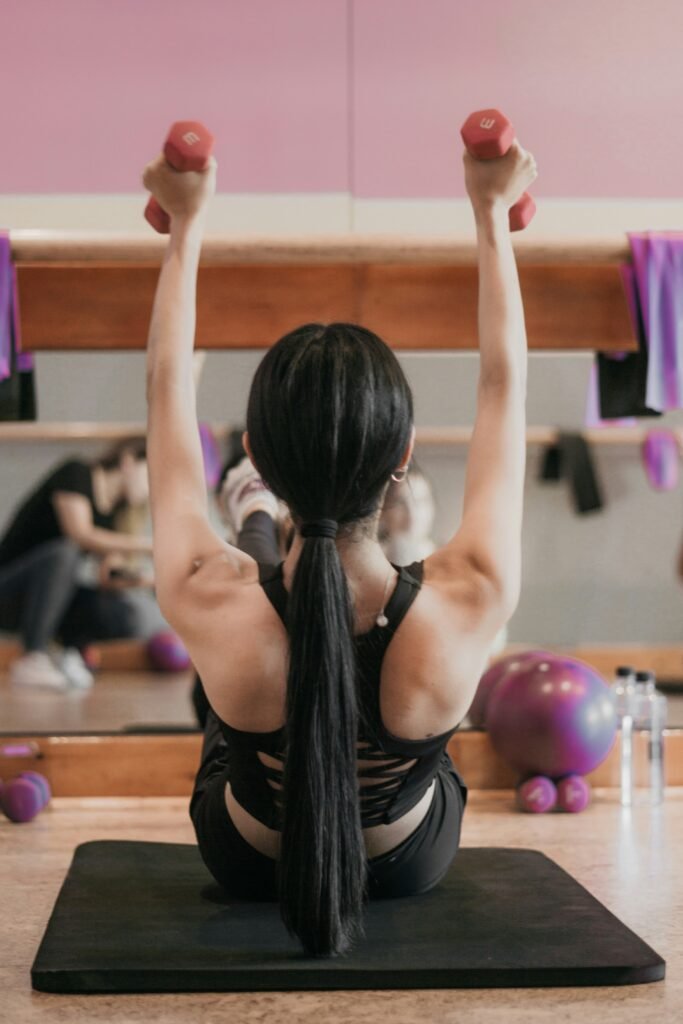
Exercise is healthy, but too much exercise combined with inadequate nutrition and recovery can affect your menstrual cycle.
For example, women who engage in very intense training without taking in enough energy may experience irregular or missed periods.
If you start missing periods, especially if you are exercising intensely or have made significant changes to your diet or weight, it’s a good idea to speak with a healthcare professional.
A regular menstrual cycle can provide useful information about your overall health.
Maintain Good Hygiene During Your Period
After exercising, especially if you’ve been sweating heavily, it’s a good idea to freshen up.
You can:
- Take a shower or wash your body.
- Change your underwear.
- Change your pad, tampon, or other menstrual product as appropriate.
- Change out of sweaty clothing.
- Wear clean, comfortable clothes after your workout.
Good hygiene can help you feel fresh and comfortable after exercising.
So, Should You Exercise During Your Period?
The answer is: you can, if you feel well enough to do so.
You don’t have to completely stop exercising simply because you have your period. At the same time, you don’t have to force yourself to work out when you’re exhausted or uncomfortable.
Some days you may feel energetic enough to continue your normal routine. Other days, a gentle walk or some stretching may be all you need. And sometimes, taking a complete rest day is exactly what your body needs.
The important thing is to listen to your body rather than comparing yourself with someone else’s routine.
Author’s Notes
It’s okay to give yourself a break.
If you’re really not feeling it, don’t beat yourself up. It’s perfectly fine to take a day or two off. Even a gentle stroll counts as physical activity, and it may help you feel better.
Personally, I continued my workout routine even during my periods. However, to avoid feeling overly fatigued, I would sometimes skip the gym every other day, especially during the days when my menstrual flow was heavier.
During those days, I often felt weak and preferred to stay in bed, rest, and do some gentle stretching instead.
And you know what?
That’s okay, too.
Skipping a workout is not a crime. Your body deserves rest just as much as it deserves movement. 😊
Final Thoughts
Exercise can be a wonderful way to care for yourself, even during your period. But being healthy isn’t about forcing yourself to exercise every single day.
Sometimes, strength means showing up for your workout.
Other times, strength means knowing when to rest.
Listen to your body, adjust your routine when necessary, stay hydrated, and don’t feel guilty for taking a break. Your menstrual cycle is a natural part of your body, not something you need to fight against.
“Take care of your body. It’s the only place you have to live.”
“For you created my inmost being; you knit me together in my mother’s womb. I praise you because I am fearfully and wonderfully made.”
— Psalm 139:13–14
Your body is doing a lot…. even when you’re simply sitting, resting, or going through your period. Treat it with patience and kindness.
Move when you feel able. Rest when you need to. And remember that taking care of yourself is never a waste of time.
Sources
Here are the main resources referenced in your original article, kept in short descriptions as you prefer:
- ACOG – Premenstrual Syndrome (PMS) — Information about PMS symptoms and the role of regular exercise.
- Office on Women’s Health (OWH) — Information about physical activity and the menstrual cycle.
- MSD Manual – Menstrual Cycle — Overview of the different phases of the menstrual cycle.
- Journal of Education and Health Promotion — Research examining exercise and menstrual pain.
- Umeå University study — Research on strength and physical performance during different phases of the menstrual cycle.
- Stacy Sims, PhD — Exercise and menstrual-cycle-related guidance cited in the original article.
- American College of Obstetricians and Gynecologists (ACOG) — Guidance on PMS and exercise.
- Wikipedia – Dysmenorrhea, Endorphins, Yoga and Pilates — General background information used in the original draft.
Simple Ways To Lower Blood Sugar
Health Benefits of Piercings: What Do Evidences Really Say?
Vitamin Supplements: Which Ones Do You Really Need?
Originally Published: February 11, 2020
Updated: August 2026