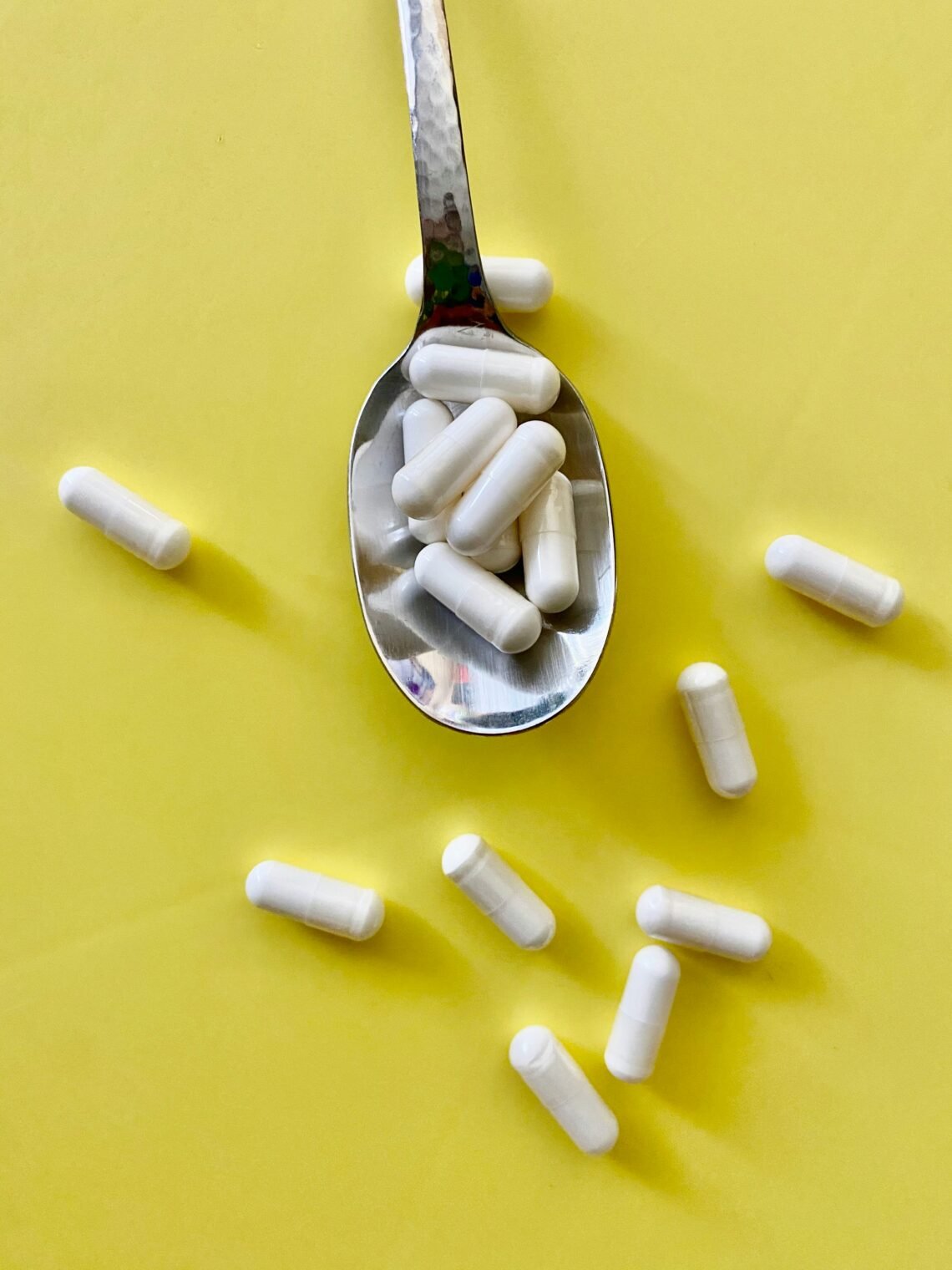
Glutathione is a naturally occurring substance that has attracted plenty of attention in the health and beauty world. It is often promoted as a powerful antioxidant, an immune-supporting supplement, and even a skin-lightening treatment.
But how much of this is actually supported by research?
Glutathione is certainly important to the body, but that does not automatically mean that taking a glutathione supplement, or receiving it through an IV, will provide the same benefits.
In this article, I’ll explain what glutathione is, what it does in the body, what research says about supplementation, its potential benefits, and the safety concerns you should know before taking it.
Important: This article is for general information and is not a recommendation to take glutathione supplements or IV treatments. Evidence for many proposed benefits remains limited, and intravenous glutathione—especially when used for cosmetic skin lightening—has important safety concerns.
What Is Glutathione?
Glutathione (GSH) is a naturally occurring antioxidant found inside cells throughout the body. It is particularly important in protecting cells from oxidative stress and helping maintain normal cellular function.
Chemically, glutathione is a tripeptide, meaning it is made from three amino acids:
- Glutamate
- Cysteine
- Glycine
The body produces glutathione naturally, so it isn’t something we normally need to obtain directly from food in the same way we obtain essential vitamins and minerals.
One of its major functions is helping protect cells from oxidative damage. Glutathione also participates in several biochemical processes involved in antioxidant defense and cellular metabolism.
It is sometimes called the “master antioxidant,” although this nickname shouldn’t be interpreted to mean that it is a miracle substance or a cure for disease.
What Does Glutathione Do in the Body?
Glutathione has several important functions, including:
- Helping neutralize reactive oxygen species and other free radicals
- Supporting the body’s antioxidant defense system
- Helping regenerate other antioxidants, including vitamins C and E
- Participating in certain detoxification processes
- Supporting normal cellular function
- Contributing to immune-system function
- Helping maintain the balance between oxidized and reduced molecules inside cells
Because glutathione participates in so many biological processes, researchers have studied its relationship with a wide range of health conditions.
However, an important distinction is needed:
Having adequate glutathione in your cells does not automatically mean that taking more glutathione will prevent or treat disease.
Glutathione Supplementation
Our bodies can make glutathione on their own. However, researchers have found that glutathione levels can be altered by aging, oxidative stress, and certain health conditions.
This has led to interest in increasing glutathione levels through supplements or compounds involved in glutathione production.
Some products marketed for this purpose include:
- Oral glutathione
- N-acetylcysteine (NAC)
- Selenium
- Vitamin C
- Vitamin E
- Certain botanical compounds
Research into oral glutathione is ongoing. A randomized controlled trial found that oral glutathione supplementation increased glutathione levels in several blood and cellular measurements over six months, although this does not establish that supplementation provides broad clinical benefits for healthy people.
More recent research is also investigating different formulations and how effectively orally consumed glutathione is absorbed.
What Are the Potential Health Benefits of Glutathione?
1. Supports Antioxidant Defense
One of glutathione’s best-established roles is its involvement in antioxidant defense.
Our cells continuously produce reactive molecules as part of normal metabolism. Excessive oxidative stress can damage cellular components, including proteins, lipids, and DNA.
Glutathione helps the body manage this oxidative burden.
This is one reason researchers continue to investigate glutathione in conditions associated with oxidative stress. However, it is important not to confuse a biological role with proof that a supplement will treat a particular disease.
2. Supports Normal Immune Function
Glutathione is involved in normal immune-cell function.
Low glutathione levels have been observed in some disease states, and researchers have studied whether restoring glutathione levels might influence immune responses.
However, evidence that taking glutathione supplements can prevent ordinary infections or “boost” immunity in otherwise healthy people remains limited.
So, rather than thinking of glutathione as an immune-system cure, it is more accurate to say that glutathione is part of the body’s normal antioxidant and immune defense systems.
3. May Have Effects on Skin Pigmentation
This is one of the reasons glutathione has become particularly popular in the beauty industry.
Research suggests that glutathione can influence melanin production, the process responsible for skin pigmentation.
Some clinical studies have found reductions in melanin measurements with oral or topical glutathione, but the results are variable and longer-term effects are still uncertain.
This doesn’t mean glutathione is a guaranteed or permanent skin-lightening treatment.
In fact, recent reviews continue to emphasize the need for larger and better-designed studies to establish long-term effectiveness and safety.

4. May Help Reduce Oxidative Stress
Oxidative stress is associated with many biological processes and chronic diseases.
Because glutathione helps neutralize reactive oxygen species, scientists have studied whether increasing glutathione availability might reduce oxidative stress.
Research is promising in some areas, but the evidence varies considerably depending on the condition, formulation, dosage, and method of administration.
So, it would be more accurate to say that glutathione plays an important role in the body’s defense against oxidative stress rather than claiming that supplementation can prevent all diseases associated with it.
5. May Influence Inflammation
Glutathione is closely connected to the body’s redox and inflammatory processes.
Lower glutathione levels have been observed in several inflammatory and chronic conditions.
Researchers are investigating whether improving glutathione status can influence inflammatory pathways. However, there isn’t enough evidence to recommend glutathione as a general treatment for chronic inflammation.
A healthy diet, adequate physical activity, good sleep, and treatment of the underlying condition remain much more important.
6. May Be Relevant to Brain Health
Glutathione is present in the brain and contributes to antioxidant protection of nervous-system cells.
Researchers have observed altered glutathione levels in conditions such as Parkinson’s disease and Alzheimer’s disease.
This has led to research into whether glutathione-related treatments might have therapeutic potential.
However, these are still areas of investigation. There isn’t enough evidence to say that taking glutathione supplements can prevent dementia, Alzheimer’s disease, or Parkinson’s disease in healthy people.

7. May Support Liver Function
The liver plays a major role in metabolism and the processing of numerous substances, and glutathione is involved in several of these biochemical pathways.
Glutathione therefore plays an important physiological role in liver cells.
However, be cautious with claims that glutathione supplements “detox” the liver or cleanse the body. The liver and kidneys already perform complex detoxification and waste-processing functions.
More research is needed to determine when supplementation provides meaningful benefits for people with specific liver conditions.
8. Has Been Studied in Metabolic Conditions
Researchers have also investigated the relationship between glutathione, oxidative stress, and conditions such as type 2 diabetes.
People with insulin resistance and diabetes may have altered glutathione metabolism, and supplementation is being studied as a possible way to influence oxidative stress and insulin sensitivity.
Recent reviews describe the evidence as promising but still heterogeneous and preliminary.
Therefore, glutathione should not replace proven diabetes treatments, dietary changes, physical activity, or prescribed medication.
Can You Get Glutathione Naturally From Food?
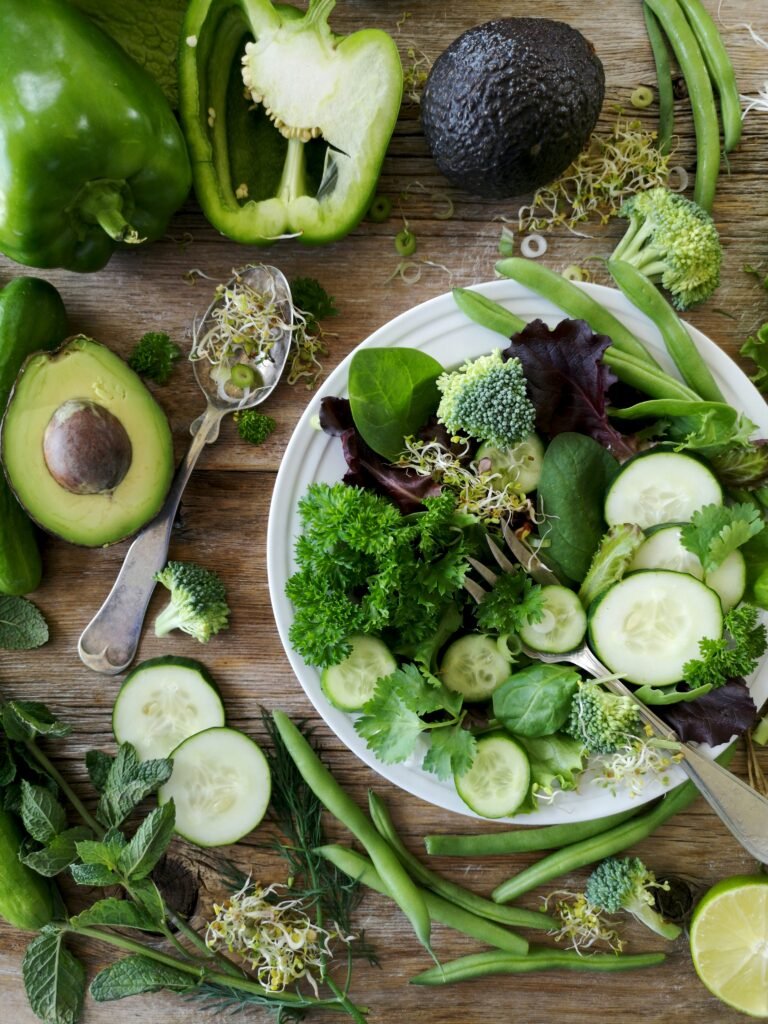
Your body makes glutathione itself, but certain foods provide the amino acids and nutrients involved in its production.
Foods that support a balanced diet and may contribute to normal glutathione metabolism include:
- Broccoli and other cruciferous vegetables
- Spinach
- Asparagus
- Avocados
- Garlic
- Eggs
- Fish
- Lean meats
- Legumes
- Nuts and seeds
Rather than focusing on one “glutathione-boosting” food, aim for a varied diet rich in vegetables, fruits, whole grains, protein sources, and healthy fats.
Good nutrition supports the body’s natural antioxidant systems without requiring you to rely on expensive supplements.
What Are the Side Effects of Glutathione Supplements?
The safety of glutathione depends on the form, dose, duration, quality of the product, and route of administration.
Oral glutathione has generally been tolerated reasonably well in short-term studies, although research on long-term use remains limited. Gastrointestinal symptoms may occur in some people.
Possible side effects reported or discussed with supplementation include:
- Abdominal discomfort
- Bloating
- Loose stools
- Cramping
- Allergic reactions
- Skin reactions
People with asthma should also discuss glutathione use with their healthcare provider before taking it.
Most importantly, do not assume that IV glutathione is simply a stronger or better version of an oral supplement.
It is a different route of administration with different risks.
What About IV Glutathione for Skin Lightening?
This is where I would be especially cautious.
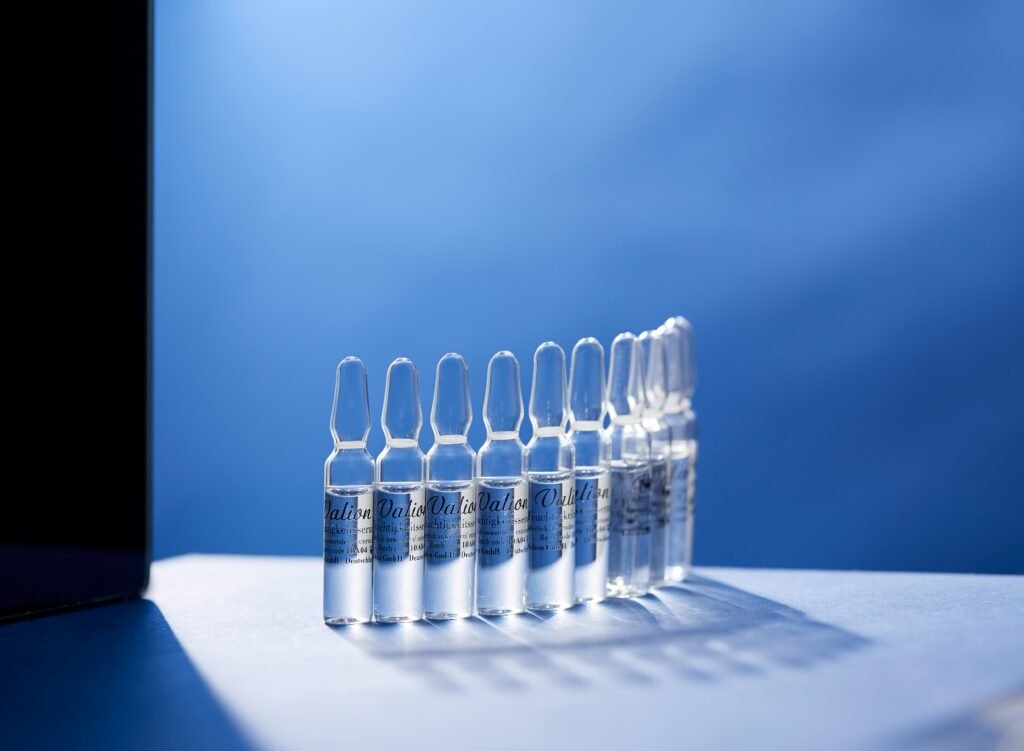
Intravenous glutathione has become popular in some countries as a cosmetic skin-lightening treatment. However, evidence supporting its effectiveness is limited, and safety concerns are significant.
A systematic review found insufficient evidence regarding the efficacy and long-term safety of IV glutathione for skin lightening.
More recent reviews similarly emphasize concerns about serious adverse effects, including anaphylaxis and liver toxicity, along with the lack of standardized dosing and long-term safety data.
The U.S. FDA has also warned about safety problems involving compounded sterile injectable glutathione after adverse events associated with endotoxin contamination, including fever and other serious reactions.
Therefore:
I would not recommend IV glutathione injections for cosmetic skin lightening based on the current evidence.
If someone is considering glutathione for pigmentation problems, it is much safer to discuss evidence-based options with a qualified dermatologist.
Should You Take Glutathione Supplements?
That depends on why you’re considering taking them.
Glutathione itself is essential to normal cellular function, but that doesn’t mean everyone needs a glutathione supplement.
Before taking one, consider:
- Why do you want to increase your glutathione levels?
- Do you have a diagnosed medical condition?
- Are you taking other medications or supplements?
- Are you pregnant or breastfeeding?
- Is the product from a reputable manufacturer?
- Is there good evidence that the specific product and dose provide the benefit you are seeking?
And especially, don’t start injectable glutathione without discussing it with a qualified healthcare professional.
A Note About “Detoxification”
Glutathione is frequently marketed as a powerful “detox” supplement.
There is some truth behind the marketing in the sense that glutathione participates in biochemical processes that help the body handle certain compounds.
But this is very different from claiming that a glutathione supplement will “cleanse” your body or remove all toxins.
Your liver, kidneys, lungs, gastrointestinal tract, and other biological systems already work together to process and eliminate substances from the body.
You don’t need a “detox” product simply because you’ve eaten unhealthy food or had a few unhealthy days.
Final Thoughts
Glutathione is genuinely an important molecule.
Our bodies produce it naturally, and it plays a major role in antioxidant defense and several other cellular processes. There is also interesting research exploring its potential role in areas such as skin pigmentation, oxidative stress, metabolic health, and neurological conditions.
However, interesting research is not the same as proven treatment.
Oral glutathione may have some potential benefits, but research is still developing. IV glutathione, especially when used for cosmetic skin lightening, is considerably more concerning because of the lack of long-term safety evidence and reports of serious adverse reactions.
So before spending money on a supplement or an IV treatment, ask yourself whether you really need it.
“The greatest wealth is health.”
“My son, pay attention to my words; turn your ear to my sayings. Do not let them out of your sight, keep them within your heart; for they are life to those who find them and health to one’s whole body.”
— Proverbs 4:20–22
When it comes to our health, it’s tempting to look for one powerful supplement that can solve everything.
But sometimes, the most powerful approach is much simpler: eat well, sleep enough, exercise regularly, manage stress, avoid harmful habits, and seek medical advice when you need it.
Your body already has an incredible antioxidant system of its own.
Take care of it first.
And remember: healthy doesn’t have to mean complicated. ❤️
Sources
- https://pubmed.ncbi.nlm.nih.gov/40013212/
- https://pubmed.ncbi.nlm.nih.gov/27499402/
- https://pubmed.ncbi.nlm.nih.gov/39444151/
- https://pubmed.ncbi.nlm.nih.gov/41897500/
- https://pubmed.ncbi.nlm.nih.gov/42446814/
- https://pubmed.ncbi.nlm.nih.gov/24791752/
- https://pubmed.ncbi.nlm.nih.gov/27088927/
- https://pubmed.ncbi.nlm.nih.gov/42451135/
- https://www.fda.gov/drugs/human-drug-compounding/fda-highlights-concerns-using-dietary-ingredient-glutathione-compound-sterile-injectables
Important: This article discusses a supplement with evolving evidence. Glutathione is not an established treatment for the diseases mentioned above, and IV glutathione for cosmetic skin lightening has significant safety concerns. Always discuss supplementation with a qualified healthcare professional.
13 Simple Ways to Reduce Acid Reflux and Heartburn Naturally
10 Health Benefits of Drinking Milk Regularly
Beer Belly: Causes, Health Risks, and How to Get Rid of Belly Fat
Originally Published: February 25, 2020
Updated: August 2026




Thanks for sharing all this info. Article is very informative and well written. I wasn’t aware of these side effect but now I know and will be careful.
Indeed, it is highly significant to know the negative effects of all the medications especially when consuming it. Hope this helps.
I have been hearing about this glutathione from the younger generation and they use it for skin lightening. I did not know that there are other benefits you can get from taking supplements. Thanks for sharing this really informative post.
You’re welcome. It has several benefits too, most of us are just unaware about it. We’re glad this article helped you.
This website makes me very angry!😀😀
http://Zu.RUNHAI.ME/F94702s